
If you want your non-stick cookware to last longer and stay in great shape, how you store it matters a lot. Storing your pans the wrong way can cause scratches, peel the coating, and ruin your favorite kitchen tools.
But don’t worry—by following a few simple steps, you can protect your cookware and keep it working like new. Ready to learn the best ways to store your non-stick pots and pans? Keep reading, and you’ll discover easy tips that save you time, money, and frustration.

Credit: www.bbcgoodfood.com
Choosing The Right Storage Spot
Choosing the right storage spot for non-stick cookware is key to keeping it in good shape. The place you pick affects how long your pans last and how well they cook. Avoid spots that can damage the coating or make the pans dirty. Store your cookware where it stays dry and safe from harm.
Avoiding Heat And Humidity
Heat can ruin the non-stick surface of your pans. Store them away from ovens, stoves, or other heat sources. Humidity can cause rust on metal parts or handles. A dry cabinet or shelf is the best choice. Keep the cookware cool and dry to protect its coating.
Keeping Away From Sharp Objects
Sharp objects can scratch the non-stick surface easily. Avoid stacking knives or metal utensils near your cookware. Use soft cloth or paper towels between pans if stacking is needed. Keep your pans separate from heavy or rough items to prevent damage.
Cleaning Before Storage
Cleaning non stick cookware before storage is very important. It keeps the surface safe and ready for the next use. Dirt and food bits left on the pan can damage the coating over time. Proper cleaning also stops smells and stains from building up.
Use the right methods to wash your non stick pans. Be gentle but thorough. This helps keep the coating intact and lasts longer.
Gentle Washing Techniques
Use warm water and a mild dish soap. Avoid harsh cleaners or strong scrubbing pads. Soft sponges or cloths work best. Scrub softly to remove stuck food. Never use steel wool or abrasive brushes. These can scratch and ruin the non stick layer.
For tough spots, soak the pan in warm soapy water for a few minutes. This loosens food without scrubbing hard. Rinse well after washing to remove all soap. Clean pans store better and stay in good shape.
Drying Thoroughly
Dry your cookware completely before storing. Use a clean, soft towel to wipe off water. Let the pan air dry if possible. Moisture left inside can cause rust on metal parts. It also harms the non stick surface over time.
Make sure no water stays in the handles or edges. Storing dry pans prevents mold and bad smells. A dry pan stays fresh and ready for cooking.
Stacking And Arranging Cookware
Storing non-stick cookware properly keeps it safe and extends its life. Stacking and arranging pans carefully prevents scratches and damage. A well-organized kitchen saves space and makes cooking easier.
Using Protective Layers
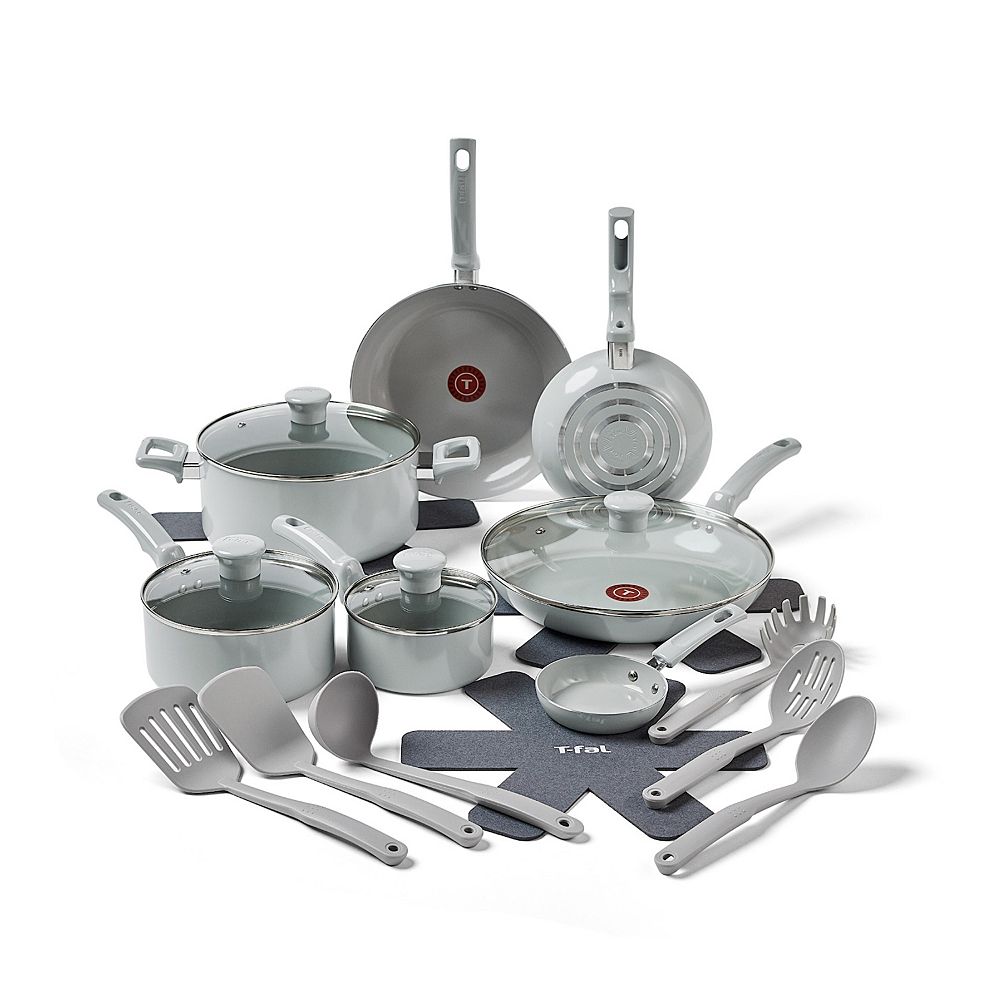
Place a soft cloth or paper towel between each pan. This layer stops pans from rubbing against each other. Felt or silicone pan protectors work well too. Avoid stacking pans without protection. It can damage the non-stick surface quickly.
Organizing By Size And Shape
Stack pans by size, with the largest at the bottom. Nest smaller pans inside bigger ones to save space. Keep lids separate or store them vertically. Use racks or dividers to hold pans upright. This method helps you find the right pan fast.
Credit: comunisostenibili.eu
Using Storage Accessories
Using storage accessories helps keep non stick cookware safe and organized. These tools prevent scratches and damage. They also save space in your kitchen. Choosing the right accessories makes storing easier and extends the life of your pans.
Pan Protectors And Liners
Pan protectors are soft pads placed between pans. They stop pans from scratching each other. Liners can be made of felt, foam, or silicone. These liners add a cushion to protect the non stick surface. Using protectors keeps your cookware looking new longer.
Hanging Racks And Hooks
Hanging racks free up cabinet space. Hooks hold pans by their handles. This method avoids stacking and reduces scratches. Hanging also keeps pans easy to reach. Choose sturdy racks that can hold the weight of your cookware safely.
Maintaining Non Stick Surfaces
Maintaining the non stick surface of your cookware keeps it working well for longer. Proper care stops scratches and peeling. It also helps food cook evenly and prevents sticking. Small habits protect the smooth coating and make cleaning easier.
Follow simple steps to keep your non stick pans in top shape. These tips help you store and care for your cookware gently.
Avoiding Abrasive Materials
Never use steel wool or rough scrubbers on non stick pans. These materials scratch and damage the coating. Use soft sponges or cloths for cleaning. Choose gentle dish soap to protect the surface. Avoid harsh scouring pads that wear out the non stick layer.
Stacking pans without protection causes scratches too. Place a soft cloth or paper towel between pans when storing. This prevents rubbing and keeps surfaces smooth.
Applying Light Oil Coating
After washing and drying, apply a thin layer of cooking oil. This creates a light protective barrier on the surface. Use a paper towel to spread oil evenly. The oil helps keep the coating flexible and prevents drying out.
This step also reduces sticking during future cooking. Avoid heavy oils that leave sticky residue. Use neutral oils like vegetable or canola oil for best results.
Long Term Storage Tips
Storing non stick cookware for a long time needs care. It helps keep the surface safe and the pans ready to use. Follow simple steps to protect the coating from damage. Proper storage stops scratches and peeling.
Keep pans dry and clean before storing. Use soft cloths to avoid harming the surface. Store in a cool, dry place with good air flow. Avoid stacking heavy items on top of non stick pans.
Periodic Inspection
Check your non stick cookware regularly. Look for scratches, peeling, or damage on the surface. Early signs of wear can get worse over time. Clean pans gently to see any problems clearly. Replace any pan with serious damage to avoid health risks.
Reconditioning Non Stick Surfaces
Some pans can be reconditioned to extend life. Use mild cleaning agents and soft sponges only. Avoid harsh chemicals or metal scrubbers. Apply a small amount of cooking oil to restore shine. Heat the pan on low for a few minutes. This helps keep the surface smooth and non stick.

Credit: www.amazon.com
Frequently Asked Questions
How To Prevent Scratches On Non Stick Cookware?
Use soft sponges and avoid metal utensils to prevent scratches. Store cookware by stacking with protective liners or cloth between them.
Can Non Stick Cookware Be Stored Stacked Safely?
Yes, but place a soft cloth or paper towel between pans to avoid surface damage and maintain non stick quality.
Is It Necessary To Dry Non Stick Cookware Before Storage?
Yes, always dry cookware completely to prevent moisture buildup, which can cause rust on metal parts and damage non stick coating.
Should Non Stick Pans Be Stored Hanging Or Stacked?
Both methods work; hanging saves space and prevents scratches, while stacking requires protective layers to avoid damage and maintain coating integrity.
Conclusion
Proper storage keeps your non-stick cookware safe and lasting longer. Always separate pans to avoid scratches and damage. Use soft cloths or paper towels between them for extra protection. Store in a dry place to prevent rust or warping. Clean and dry each piece before putting it away.
Taking these simple steps helps maintain your cookware’s non-stick surface. Enjoy cooking with your pots and pans for years to come. Small care makes a big difference. Keep your kitchen tools ready for every meal.

Hello, This is Annie Walker, a 38-year-old blogger, founder, and editor of Cookware Guider from NY, USA. I am a cookware fanatic and passionate cooker. I love to cook with different types of cooking appliances (example: all types of cookware, rice cookers, slow cookers, etc) almost every day in my kitchen. I love to share my experience with my readers in my blog. Also, I enjoy helping people to solve their problems through my website. You can follow me on Twitter & Pinterest. To know details about my blog please check the about us page.