
Cooking perfect rice can feel tricky, especially when you want it fluffy and not sticky. But what if you could master this skill using just a simple saucepan you already have in your kitchen?
You’re about to discover an easy, foolproof way to make rice that turns out just right every time. Whether you’re a beginner or just looking to improve your technique, this guide will help you cook rice that’s tasty, light, and ready to complement any meal.
Keep reading, and soon you’ll be making rice like a pro without any stress or guesswork.
:max_bytes(150000):strip_icc()/how-to-make-jasmine-rice-3217510-ADD-V1-BIG-FINAL-V2-6ad75cb18e604ae486f113e1d1c356dd.png)
Credit: www.thespruceeats.com
Choosing The Right Rice
Choosing the right rice is key to making perfect rice in a saucepan. Different rice types need different cooking times and water amounts. Picking the right rice helps you get fluffy, soft rice without sticking or burning. This guide explains which rice types work best for saucepan cooking and how to measure rice and water correctly for the best results.
Types Of Rice Suitable For Saucepan Cooking
Some rice types cook better in a saucepan because they absorb water evenly and cook quickly. Here are common types of rice ideal for saucepan cooking:
- Long-grain white rice: Stays separate and fluffy after cooking. Perfect for plain rice or as a side dish.
- Short-grain rice: Becomes sticky and soft. Used for sushi or dishes needing sticky texture.
- Basmati rice: Aromatic with long grains. Cooks light and fluffy, great for Indian dishes.
- Jasmine rice: Fragrant and slightly sticky. Common in Thai cooking.
- Brown rice: Whole grain with more fiber. Takes longer to cook and needs more water.
Use this table to compare rice types for saucepan cooking:
| Rice Type | Texture | Cooking Time | Best Use |
|---|---|---|---|
| Long-grain white | Fluffy, separate | 15-20 minutes | Side dishes, pilaf |
| Short-grain | Sticky, soft | 15-18 minutes | Sushi, risotto |
| Basmati | Light, fluffy | 15-20 minutes | Indian dishes, biryani |
| Jasmine | Fragrant, slightly sticky | 15-20 minutes | Thai dishes, stir-fries |
| Brown | Chewy, nutty | 40-45 minutes | Healthy bowls, salads |
Note: Rinse white and jasmine rice before cooking to remove excess starch. Brown rice needs soaking for better texture.
How To Measure Rice And Water
Accurate measurement of rice and water is important for good texture. Too much water makes rice mushy. Too little water leaves rice hard or uncooked.
Follow these steps to measure rice and water correctly:
- Use a standard cup: Use the same cup to measure rice and water for consistency.
- Rinse rice: Rinse rice under cold water to remove starch and prevent clumping.
- Measure water carefully: Add water according to the rice type you use.
Here is a simple guide for water-to-rice ratios:
| Rice Type | Rice Quantity | Water Quantity | Notes |
|---|---|---|---|
| Long-grain white | 1 cup | 2 cups | Standard ratio for fluffy rice |
| Basmati | 1 cup | 1.5 to 1.75 cups | Less water to keep grains separate |
| Jasmine | 1 cup | 1.5 cups | Less water keeps texture soft but not mushy |
| Short-grain | 1 cup | 1.25 to 1.5 cups | Sticky texture needs less water |
| Brown | 1 cup | 2.5 cups | Needs more water and longer cooking time |
For best results, measure rice and water before cooking. Use a saucepan with a tight-fitting lid. Keep the heat low after boiling to avoid burning.
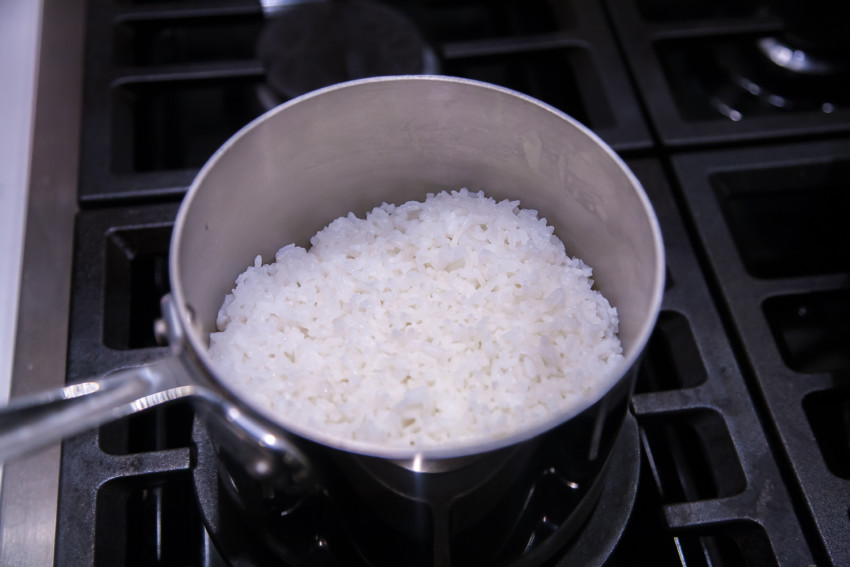
Credit: www.asiancookingmom.com
Preparing The Rice
Preparing the rice is the first and most important step in making perfect rice in a saucepan. Proper preparation ensures the rice cooks evenly and has a nice texture. Skipping this step can lead to sticky, mushy, or unevenly cooked rice. Taking a few minutes to prepare the rice correctly will make a big difference in your final dish. Let’s explore the best ways to prepare rice before cooking it.
Rinsing And Soaking Techniques
Rinsing rice removes surface starch that makes rice sticky and clumpy. It also cleans any dust or impurities from the grains. Use cold water for rinsing. Place the rice in a bowl and swirl it gently with your hand. Drain the water and repeat the process 3 to 4 times until the water runs clear.
Soaking rice softens the grains and reduces cooking time. It allows the rice to absorb water evenly, resulting in fluffy and separate grains. Most types of rice benefit from soaking for 20 to 30 minutes before cooking.
- Short grain rice: Rinse well, soak for 15 minutes.
- Long grain rice: Rinse well, soak for 20-30 minutes.
- Basmati rice: Rinse 3-4 times, soak for 30 minutes.
- Jasmine rice: Rinse 2-3 times, soak for 20 minutes.
| Rice Type | Rinse Times | Soaking Time |
|---|---|---|
| Short Grain | 3-4 times | 15 minutes |
| Long Grain | 3-4 times | 20-30 minutes |
| Basmati | 3-4 times | 30 minutes |
| Jasmine | 2-3 times | 20 minutes |
After soaking, drain the rice well before adding it to the saucepan. This step helps avoid excess water in cooking. Use a fine mesh strainer for best results. Well-prepared rice cooks evenly and tastes better.
Why Preparation Matters
Proper preparation impacts the rice’s texture, flavor, and cooking time. Rinsing removes extra starch. This prevents rice from sticking together. Soaking lets rice absorb water and soften. This shortens cooking time and creates tender grains.
Skipping rinsing and soaking can cause these problems:
- Rice becomes sticky and clumps.
- Uneven cooking with some grains hard or mushy.
- Longer cooking time and wasted energy.
- Rice may taste dusty or have impurities.
Good preparation ensures fluffy, separate grains. It also improves the rice’s ability to absorb flavors from sauces or spices added later. For example, soaking basmati rice enhances its natural aroma and texture.
| Benefit | Effect on Rice |
|---|---|
| Rinsing | Removes starch, reduces stickiness |
| Soaking | Softens grains, shortens cooking time |
| Draining | Prevents excess water in cooking |
Preparing rice properly is a simple step that improves every part of cooking. It makes the rice taste better and look more appealing. Take time to rinse, soak, and drain rice for perfect results in your saucepan.
Cooking Process
The cooking process is the heart of making perfect rice in a saucepan. It involves a series of simple yet crucial steps that ensure the rice cooks evenly and absorbs the right amount of water. Understanding each step helps prevent common problems like undercooked or mushy rice. This section breaks down the process into clear parts: heating the saucepan, adding rice and water, controlling the heat, and timing the cooking. Each step builds on the previous one, making the whole procedure easy to follow and effective.
Heating The Saucepan
Start by heating the saucepan properly before adding any ingredients. This step helps prevent the rice from sticking to the bottom and promotes even cooking.
- Choose the right pan: Use a medium-sized saucepan with a thick bottom. Thin pans heat unevenly and can burn the rice.
- Preheat the pan: Place the saucepan on medium heat for about 1 to 2 minutes.
- Check the temperature: Sprinkle a few drops of water inside the pan. If the water sizzles and evaporates quickly, the pan is ready.
Heating the pan gently avoids sudden temperature spikes. This control is key to cooking rice perfectly without burning.
Adding Rice And Water
Adding rice and water correctly is vital for fluffy, well-cooked rice. The amount of water depends on the rice type, but the general rule is to use the right ratio.
- Measure the rice: Use a cup or measuring tool for accuracy.
- Rinse the rice: Rinse under cold water until it runs clear. This removes excess starch and prevents stickiness.
- Add rice to the pan: Pour the rinsed rice into the heated saucepan.
- Add water: Use the recommended ratio, usually
1 cup rice : 2 cups waterfor white rice. - Optional seasoning: Add a pinch of salt or a teaspoon of oil for taste and texture.
Proper measurement and rinsing ensure that rice cooks evenly and stays separate.
Controlling The Heat
Managing heat during cooking is crucial. Too high heat can burn the rice; too low heat can leave it undercooked.
| Stage | Heat Level | Purpose |
|---|---|---|
| Boiling | High | Bring water to a rapid boil after adding rice |
| Simmering | Low to Medium-low | Cook rice gently without burning or boiling over |
| Resting | Off or very low | Allow rice to absorb remaining water and finish cooking |
Steps to control heat:
- Start on high heat to bring water and rice to a boil quickly.
- Once boiling, reduce heat to low or medium-low to simmer.
- Cover the saucepan with a tight-fitting lid to trap steam.
- Avoid lifting the lid during cooking to keep heat steady.
Good heat control helps rice cook evenly and develop the right texture.
Timing The Cooking
Cooking time affects rice texture and doneness. Precise timing ensures soft, fluffy rice without sogginess.
Here is a simple timing guide for common rice types cooked in a saucepan:
| Rice Type | Cooking Time (Simmering) | Resting Time |
|---|---|---|
| White Rice (long grain) | 15-18 minutes | 5-10 minutes |
| Brown Rice | 40-45 minutes | 10 minutes |
| Jasmine Rice | 12-15 minutes | 5 minutes |
Tips for timing:
- Set a timer once you reduce heat to simmer.
- Do not lift the lid until cooking and resting are complete.
- After cooking, turn off heat and let rice rest covered.
- Resting allows rice to finish steaming and become fluffy.
Following these timing steps leads to perfectly cooked rice every time.
Finishing Touches
After cooking rice in a saucepan, the final steps are crucial to get soft, separate grains and perfect texture. These finishing touches make the rice taste better and look great on the plate. Taking a little extra time now will improve your rice’s quality and make it enjoyable for every meal.
Resting The Rice
Resting rice after cooking lets the moisture spread evenly inside the grains. This step avoids sticky or mushy rice. Turn off the heat and keep the saucepan covered tightly with a lid. Let the rice rest for about 10 to 15 minutes. This simple pause helps the rice finish steaming gently.
Resting does these key things:
- Equal moisture distribution: Each grain absorbs water evenly.
- Improved texture: Rice becomes fluffy, not clumped.
- Warmer rice: Keeps rice hot without overcooking.
Try these tips for perfect resting:
| Tip | Why It Helps |
|---|---|
| Keep lid on tightly | Prevents steam from escaping |
| Turn off heat completely | Stops further cooking to avoid mushiness |
| Rest on a warm stove top | Maintains gentle heat without burning |
Fluffing And Serving Tips
Fluffing rice is the last step before serving. It separates the grains and adds air, making the rice light and soft. Use a fork or a rice paddle to gently lift and turn the rice. Avoid stirring too hard or using a spoon, which can crush grains and make rice sticky.
Follow these easy steps for fluffing:
- Hold the fork or paddle at an angle.
- Gently lift the rice from the edges to the center.
- Repeat around the saucepan to separate all grains.
Serving rice nicely makes a big difference. Here are quick tips:
- Spoon rice onto plates carefully to keep fluffy texture.
- Use a mold or bowl to shape rice for a clean look.
- Add fresh herbs or a sprinkle of spices for color and flavor.
Remember: Fluffy, well-rested rice looks and tastes more inviting. Take your time with these final steps for the best results.
Common Mistakes To Avoid
Cooking rice in a saucepan seems simple but many make common mistakes that ruin the texture and taste. Avoiding these errors helps get fluffy, well-cooked rice every time. Knowing what not to do is just as important as following the recipe.
Too Much Or Too Little Water
Water amount is the key to perfect rice. Using too much water makes the rice mushy and sticky. Too little water leaves rice hard and undercooked. Finding the right balance depends on the rice type and quantity.
Tips to measure water correctly:
- Use a standard measuring cup for accuracy.
- Follow the rice-to-water ratio on the package or recipe.
- Generally, use 1 cup rice to 2 cups water for white rice.
- Adjust slightly for brown or basmati rice, which need more water.
| Rice Type | Rice-to-Water Ratio | Cooking Notes |
|---|---|---|
| White Rice | 1 : 2 | Fluffy, soft texture |
| Brown Rice | 1 : 2.5 | Needs longer cooking time |
| Basmati Rice | 1 : 1.5 | Light and separate grains |
Remember, too much water causes rice to clump and lose shape. Too little water leaves it crunchy inside. Adjust water carefully and check rice during cooking to prevent mistakes.
Lifting The Lid Too Often
Lifting the lid while rice cooks lets steam escape. Steam is essential to cook rice evenly. Opening the lid repeatedly changes cooking temperature and drying time.
Why avoid lifting the lid:
- Heat loss slows down cooking.
- Steam escapes, drying rice unevenly.
- Rice may cook unevenly or take longer.
- Texture can become sticky or hard.
Keep the lid closed until rice absorbs all water. If checking is necessary, lift the lid quickly and gently. Use a timer to track cooking time instead of guessing.
For best results, let rice rest covered after cooking. This helps steam finish the cooking process. Avoid peeking early to keep moisture inside and get soft, fluffy rice.
Enhancing Flavor
Making rice in a saucepan is simple and quick. Enhancing the flavor makes your rice taste better and more exciting. Small changes can turn plain rice into a tasty side dish or main meal base. Adding the right ingredients during cooking helps the rice absorb flavors deeply. Let’s explore easy ways to boost rice flavor using broth, seasonings, vegetables, and herbs.
Adding Broth Or Seasonings
Using broth instead of water is an easy way to add rich flavor to your rice. Chicken, beef, or vegetable broth gives the rice a savory taste without extra effort. Seasonings also boost flavor during cooking. Add them to the liquid before you bring it to a boil. Here are some common options:
- Salt: Essential for enhancing natural rice taste.
- Garlic powder: Adds a mild, aromatic flavor.
- Onion powder: Gives a slightly sweet and savory note.
- Pepper: Adds subtle heat and depth.
- Bay leaf: Infuses a gentle herbal aroma.
- Turmeric: Gives color and a warm, earthy flavor.
Use about 1 teaspoon of seasoning per cup of dry rice. Adjust to your taste. Always taste the broth first if it is store-bought. Some broths have high salt levels.
| Broth Type | Flavor Profile | Best For |
|---|---|---|
| Chicken Broth | Light, savory | Most dishes, mild flavor |
| Beef Broth | Rich, deep | Hearty meals, stews |
| Vegetable Broth | Fresh, subtle | Vegetarian or vegan dishes |
Broth and seasonings make rice flavorful without extra effort. Add them before cooking and let the rice soak up all the taste.
Incorporating Vegetables Or Herbs
Adding vegetables or herbs to rice during cooking makes it colorful and tasty. Vegetables add texture and natural sweetness. Herbs bring fresh and bright notes. Chop vegetables small for even cooking. Here are some popular choices:
- Carrots: Adds sweetness and color.
- Peas: Soft texture and mild flavor.
- Bell peppers: Slight crunch and sweetness.
- Green onions: Mild onion taste.
- Parsley: Fresh, slightly peppery taste.
- Cilantro: Bright, citrus-like flavor.
Stir vegetables and herbs into the rice after the water boils but before covering the pan. This lets them cook evenly with the rice. Fresh herbs are best added at the end to keep their flavor strong.
- Chop vegetables finely.
- Add them to the saucepan with rice and liquid.
- Cook rice covered, on low heat.
- Once cooked, sprinkle fresh herbs on top.
This method adds nutrition and flavor. It also makes your rice dish more attractive and enjoyable.

Credit: www.recipetineats.com
Frequently Asked Questions
How Much Water Is Needed For Saucepan Rice?
Use a 2:1 water-to-rice ratio for perfect saucepan rice. For 1 cup of rice, add 2 cups of water. This ratio ensures the rice cooks evenly and absorbs enough moisture without becoming soggy or dry.
How Long Does Rice Take To Cook In A Saucepan?
Rice typically takes 15-20 minutes to cook in a saucepan. Start with boiling water, then simmer covered on low heat. Avoid lifting the lid during cooking to retain steam for fluffy rice.
Should I Rinse Rice Before Cooking In A Saucepan?
Yes, rinsing rice removes excess starch and prevents clumping. Rinse under cold water until it runs clear. This step improves texture, making rice fluffier and less sticky after cooking.
Can I Cook Different Rice Types In A Saucepan?
Yes, but cooking times and water ratios vary. Brown rice requires more water and longer cooking time. Always adjust water and heat according to the rice type for best results.
Conclusion
Cooking rice in a saucepan is simple and quick. Just follow the right steps, and you get fluffy rice every time. Use the correct water-to-rice ratio for best results. Keep the heat low and cover the pan while cooking. Let the rice rest before serving.
This basic skill helps you prepare many meals easily. Now, enjoy your perfectly cooked rice with any dish you like. Practice a few times to get comfortable. Soon, making rice will feel natural and easy.

Hello, This is Annie Walker, a 38-year-old blogger, founder, and editor of Cookware Guider from NY, USA. I am a cookware fanatic and passionate cooker. I love to cook with different types of cooking appliances (example: all types of cookware, rice cookers, slow cookers, etc) almost every day in my kitchen. I love to share my experience with my readers in my blog. Also, I enjoy helping people to solve their problems through my website. You can follow me on Twitter & Pinterest. To know details about my blog please check the about us page.