
Have you ever accidentally burnt your saucepan and felt frustrated about the stubborn stains and burnt smell? You’re not alone.
A burnt saucepan can seem like a lost cause, but before you think about tossing it out, there’s good news. You can bring your pan back to life with simple, effective methods that anyone can try at home. Keep reading, and you’ll discover easy steps to fix your burnt saucepan, saving you money and stress.
Your kitchen will thank you!
Credit: www.thekitchn.com
Assessing The Damage
Burning a saucepan is a common kitchen mishap. Before cleaning or fixing it, assess the damage carefully. Understanding the type of burn and the saucepan’s material helps in choosing the right cleaning method. Some burnt marks are easy to remove, while others may need special care. Checking the damage prevents further harm and saves your cookware.
Types Of Burnt Marks
Burnt marks on a saucepan vary in appearance and severity. Knowing the types helps decide how to clean or restore the pan.
- Light Stains: These are thin, brownish marks. They appear after minor overheating or residue burning.
- Dark Scorch Marks: Deeper brown or black marks caused by prolonged heat exposure.
- Burnt Food Residue: Charred bits of food stuck to the pan surface, often hard to remove.
- Discoloration: Color changes on the pan, sometimes blue or rainbow-like, due to metal overheating.
Each type requires a different approach. Light stains usually clean with gentle scrubbing. Dark scorch marks need stronger cleaners or soaking. Burnt food residue may need scraping before cleaning. Discoloration often does not affect the pan’s function but can be treated with special cleaners.
| Type of Burnt Mark | Description | Cleaning Method |
|---|---|---|
| Light Stains | Thin brown marks on surface | Soak and scrub with mild detergent |
| Dark Scorch Marks | Deep black or brown marks | Use baking soda paste or vinegar soak |
| Burnt Food Residue | Charred food stuck on pan | Scrape gently, then soak and scrub |
| Discoloration | Color change on metal surface | Polish with stainless steel cleaner |
Materials Of Saucepans
The material of your saucepan affects how it burns and how you should clean it. Different materials react to heat and cleaning agents differently. Knowing your pan’s material protects it during repair.
- Stainless Steel: Durable and resists corrosion. Stains and burnt marks can be cleaned with baking soda or vinegar.
- Non-stick Coated: Sensitive to harsh scrubbing and abrasive cleaners. Use soft sponges and mild cleaning agents only.
- Cast Iron: Prone to rust if cleaned with soap. Scrape burnt food and re-season after cleaning.
- Aluminum: Lightweight but scratches easily. Avoid acidic cleaners; use gentle scrubbing.
Cleaning methods vary by material:
| Material | Cleaning Tips | What to Avoid |
|---|---|---|
| Stainless Steel | Use baking soda paste, vinegar soak | Abrasive steel wool |
| Non-stick Coated | Soft sponge, mild detergent | Scratches, harsh chemicals |
| Cast Iron | Scrape burnt bits, re-season pan | Soap, soaking in water too long |
| Aluminum | Gentle scrubbing, non-acidic cleaners | Harsh scrubbing, acidic substances |
Check your saucepan label or manufacturer instructions before cleaning. Proper care extends the life of your cookware and keeps it safe to use.
Initial Cleaning Steps
Cleaning a burnt saucepan requires patience and the right approach. The initial cleaning steps play a key role in making the pan usable again. Before trying strong cleaners or scrubbing hard, start by loosening the burnt food and stains. This process helps protect the saucepan’s surface and saves time later. Simple soaking and gentle residue removal prepare the pan for deeper cleaning and restore its shine.
Soaking Techniques
Soaking is the first and most important step to soften burnt layers. Use warm water and common household items to make the process easier. Here are some effective soaking methods:
- Warm Water and Dish Soap: Fill the saucepan with warm water and add a few drops of dish soap. Let it soak for 30 minutes to an hour to loosen burnt bits.
- Baking Soda Soak: Sprinkle baking soda over the burnt area, then add enough warm water to cover the bottom. Soak for 1-2 hours for better results.
- Vinegar and Water Mix: Mix equal parts of white vinegar and water. Pour into the pan and bring to a gentle boil. Let it cool before soaking for 30 minutes.
Here is a quick comparison of these soaking techniques:
| Method | Ingredients | Soaking Time | Best For |
|---|---|---|---|
| Warm Water & Dish Soap | Water, Dish Soap | 30 min – 1 hour | Light burnt stains |
| Baking Soda Soak | Baking Soda, Water | 1 – 2 hours | Medium to tough burnt food |
| Vinegar & Water Boil | White Vinegar, Water | 30 min (after boiling) | Stubborn burnt stains |
Tip: Avoid soaking for more than 4 hours as it might damage some pans.
Removing Loose Residue
After soaking, the burnt food softens and becomes easier to remove. Use gentle tools to avoid scratching the pan’s surface. A careful approach prevents permanent damage.
Follow these steps for removing loose residue:
- Drain the soaking solution from the pan.
- Use a soft sponge or nylon scrubber to gently rub the burnt areas.
- For stubborn bits, use a plastic scraper or an old credit card to lift residue carefully.
- Rinse the pan with warm water to wash away loosened debris.
- Repeat soaking if residue remains stuck.
Tools to avoid:
- Steel wool or metal scrubbers that can scratch the surface
- Sharp metal objects that can dent the pan
Using the right technique helps keep the saucepan in good condition and ready for the next cleaning step. Patience is key. Work slowly and check progress frequently.
Home Remedies For Burnt Pans
Burnt saucepans are a common kitchen problem that can be fixed easily at home. Using simple household ingredients saves money and avoids harsh chemicals. These home remedies for burnt pans help restore your cookware’s shine and remove stubborn stains. They use natural substances that are safe and effective.
Baking Soda And Vinegar Method
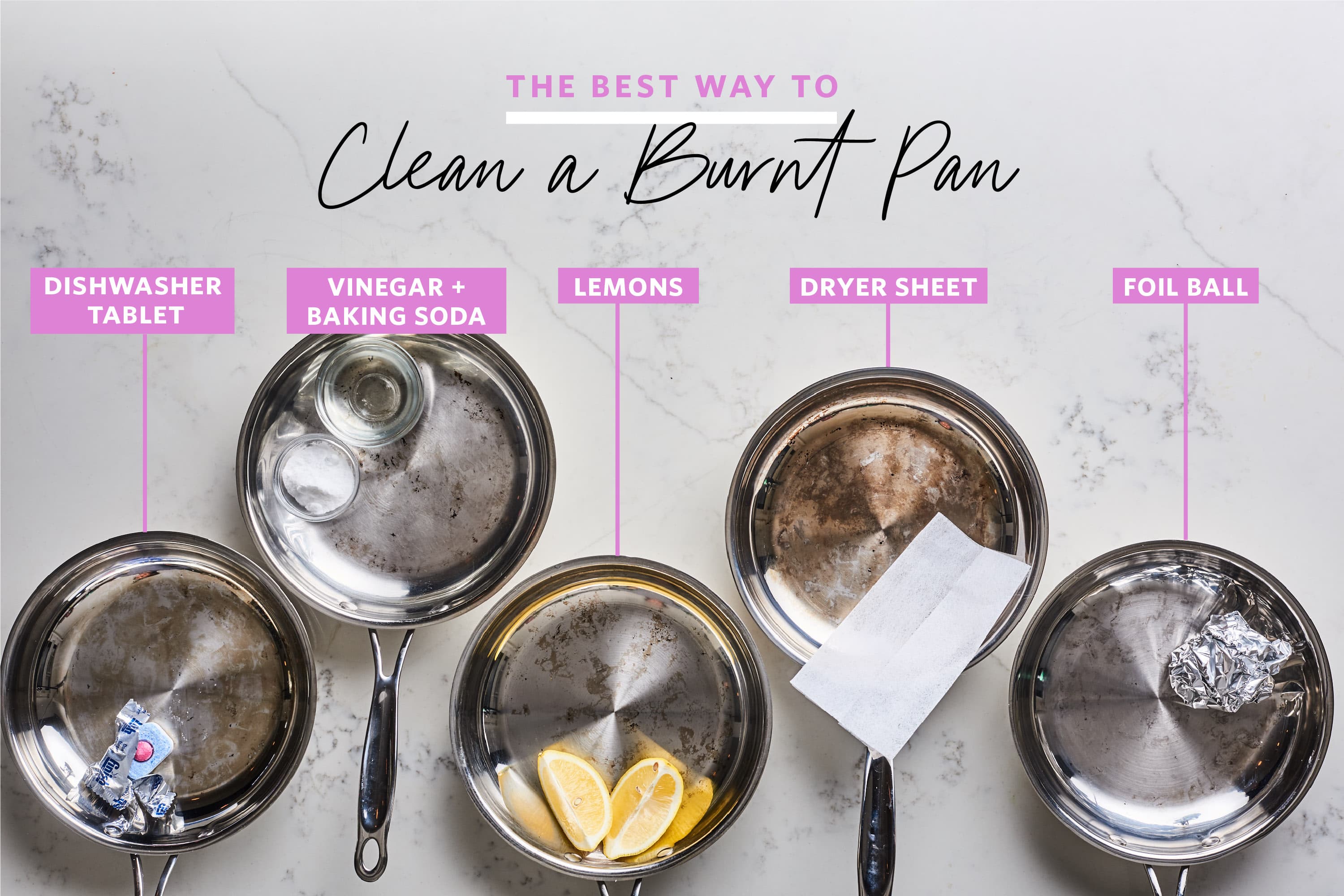
Baking soda and vinegar form a powerful cleaning duo. They react to lift burnt food and stains from the pan’s surface. This method works well on both stainless steel and non-stick pans.
- First, sprinkle a generous amount of baking soda over the burnt areas.
- Pour enough white vinegar to cover the baking soda. You will see fizzing and bubbling.
- Let the mixture sit for 15 to 20 minutes. The reaction loosens burnt residue.
- Use a soft sponge or brush to scrub gently. Avoid abrasive scrubbers on non-stick surfaces.
- Rinse the pan well with warm water.
- Repeat if some stains remain.
This method is eco-friendly and uses ingredients found in most kitchens. It also deodorizes the pan and leaves no strong chemical smells.
| Step | Action | Purpose |
|---|---|---|
| 1 | Sprinkle baking soda | Provides gentle abrasive to loosen burnt food |
| 2 | Add vinegar | Creates fizzing reaction to break down stains |
| 3 | Wait 15-20 minutes | Allows chemical reaction to work effectively |
| 4 | Scrub and rinse | Removes loosened burnt residue |
Salt And Lemon Scrub
Salt and lemon offer a natural abrasive and acid to clean burnt pans. This method is gentle and safe for most cookware. It also leaves a fresh scent behind.
- Cut a lemon in half.
- Sprinkle coarse salt over the burnt spots.
- Rub the lemon half over the salt and pan surface. The salt scrubs while lemon juice breaks down stains.
- Scrub in circular motions for several minutes.
- Rinse the pan with warm water and dry it.
This combination removes burnt marks without harsh chemicals. Lemon juice also acts as a natural bleach and deodorizer. The salt scrubs away residue safely, preventing scratches on delicate surfaces.
| Ingredient | Role | How to Use |
|---|---|---|
| Salt | Natural abrasive | Sprinkle on burnt areas to scrub |
| Lemon | Natural acid and deodorizer | Rub with salt to break down stains |
Dish Soap And Hot Water
This method uses hot water and dish soap to soften burnt food and grease. It is simple and effective for light to medium burns.
- Fill the burnt pan with hot water, enough to cover the affected area.
- Add a few drops of your regular dish soap.
- Let the pan soak for at least one hour. For tough stains, leave it overnight.
- After soaking, use a sponge or brush to scrub the burnt parts.
- Rinse thoroughly with clean water.
This process loosens burnt food without damaging the pan’s surface. Hot water helps dissolve grease, while dish soap breaks down residue. It is safe for all pan types, including non-stick and cast iron.
| Step | Details |
|---|---|
| Soak | Hot water with dish soap softens burnt food |
| Wait | At least one hour, overnight for tough stains |
| Scrub | Use sponge or brush to remove loosened residue |
| Rinse | Clean off soap and burnt bits |
Credit: www.thekitchn.com
Using Commercial Cleaners
Burnt saucepans can be tough to clean, but commercial cleaners help remove stubborn stains fast. These products use strong ingredients to break down burnt food and discoloration. Using commercial cleaners saves time and effort compared to scrubbing alone. They work well on metal pans like stainless steel and aluminum, restoring shine and usability. Choosing the right cleaner and using it safely ensures good results without damaging your cookware. Below are tips on picking the best cleaner and how to apply it properly.
Choosing The Right Cleaner
Not all commercial cleaners work the same. Some are made for specific materials and types of stains. Selecting the right cleaner protects your saucepan and cleans effectively.
- Check the label: Look for cleaners made for your pan’s material (stainless steel, aluminum, non-stick).
- Consider stain type: Burnt food, discoloration, and grease need different formulas.
- Avoid harsh abrasives: Some cleaners can scratch or damage pans, especially non-stick surfaces.
- Eco-friendly options: Biodegradable cleaners are safer for the environment and your health.
Here is a simple comparison table of common cleaner types:
| Cleaner Type | Best For | Pros | Cons |
|---|---|---|---|
| Gel Cleaners | Stubborn burnt-on food | Thick, stays on surface | May require longer wait time |
| Spray Cleaners | Light stains and grease | Easy to apply | Less effective on heavy burns |
| Powder Cleaners | Discoloration and residue | Good for scrubbing | May scratch delicate surfaces |
Choose a cleaner suited to your pan and the burnt residue type. Testing on a small area helps avoid damage.
Safe Application Tips
Using commercial cleaners safely protects your hands, pan, and home. Follow these steps to clean effectively without risks.
- Read instructions: Every cleaner has specific guidelines for use and safety precautions.
- Ventilate the area: Open windows or use a fan to avoid inhaling fumes.
- Wear gloves: Protect skin from harsh chemicals.
- Apply small amounts: Use only what is needed to cover the burnt area.
- Let it sit: Allow the cleaner to work for the recommended time without rubbing aggressively.
- Rinse thoroughly: Remove all cleaner residues to avoid taste or health issues.
- Repeat if needed: Stubborn burns may require a second application.
Use a soft sponge or cloth to prevent scratching. Avoid steel wool or metal brushes unless the cleaner label permits them.
Store cleaners out of reach of children and pets. Dispose of empty containers according to local rules.
Dealing With Stubborn Burnt Spots
Burnt saucepans are a common kitchen problem. Stubborn burnt spots can ruin your cookware and make cooking harder. These spots often look dark and rough. They stick tightly to the pan’s surface. Removing them needs patience and the right methods. Using harsh chemicals can damage your pan. Instead, simple home techniques work best to restore your saucepan’s shine. Focus on gentle but effective cleaning steps. This section explains two easy ways to handle tough burnt stains without stress.
Boiling Water Technique
The boiling water method helps soften burnt food and stains. Heat and water loosen the burnt layer, making it easier to clean. Follow these steps for best results:
- Fill the burnt saucepan with enough water to cover the burnt areas.
- Place the pan on the stove and bring the water to a boil.
- Let it boil for 10-15 minutes. This softens the burnt spots.
- Turn off the heat and allow the water to cool slightly.
- Use a wooden spoon or spatula to gently scrape the loosened burnt bits.
This method works well with mild to medium burnt stains. For tougher spots, add a tablespoon of baking soda or vinegar to the boiling water. These natural cleaners break down burnt residue faster.
| Ingredient | Purpose | Amount |
|---|---|---|
| Baking Soda | Helps loosen burnt food and neutralize odor | 1 tablespoon |
| Vinegar | Breaks down burnt residue and shines the pan | 1 tablespoon |
After boiling, pour out the water carefully. Rinse the saucepan with warm water. Inspect the burnt spots. Repeat boiling if needed. This technique saves time and protects your pan’s surface.
Scrubbing Tools And Tips
Choosing the right scrubbing tools prevents scratches and removes burnt spots effectively. Use soft but firm options suited for your pan type.
- Non-abrasive sponges: Good for most pans. They clean without scratching.
- Plastic or nylon scrubbers: Stronger than sponges but gentle enough for non-stick surfaces.
- Bristle brushes: Useful for stainless steel pans to scrub away burnt bits.
- Baking soda paste: Mix baking soda with a little water. Apply to burnt areas for extra cleaning power.
Avoid steel wool or metal scrubbers on non-stick or coated pans. These tools damage the surface and reduce pan life. Instead, try gentle circular motions when scrubbing. Let the cleaning paste sit on burnt spots for 10 minutes before scrubbing. This softens tough stains.
Here is a simple guide to scrubbing tools by pan type:
| Pan Type | Recommended Scrubbing Tool | Notes |
|---|---|---|
| Non-stick | Soft sponge or nylon scrubber | Avoid abrasive materials |
| Stainless steel | Bristle brush or firm sponge | Use baking soda paste for tough spots |
| Cast iron | Brush with stiff bristles | Do not soak; dry immediately |
Regular cleaning after each use prevents burnt build-up. Patience and gentle scrubbing bring back your saucepan’s clean look.
Preventing Future Burnt Saucepans
Burnt saucepans not only ruin meals but also waste money and time. Preventing future burnt saucepans keeps your cookware in good shape and saves effort. Small changes in cooking habits and care make a big difference. Focus on controlling heat and cleaning well to avoid damage. These steps protect your pans and improve cooking results.
Proper Cooking Temperatures
Cooking at the right temperature is key to avoid burning pans. High heat can quickly burn food and damage the saucepan’s surface. Use medium or low heat for most cooking tasks. This gives better control and prevents food from sticking or burning.
Follow these tips for proper temperature use:
- Start with medium heat: This warms the pan evenly and avoids hot spots.
- Adjust heat gradually: Raise or lower heat slowly to prevent sudden temperature spikes.
- Use a burner that fits the pan size: Too large a flame wastes heat and burns edges.
- Watch your food closely: Stir often to stop food from sticking or burning.
| Cooking Task | Recommended Heat Level | Why |
|---|---|---|
| Sautéing vegetables | Medium | Even cooking without burning |
| Boiling water | High (briefly) | Quick boil, then reduce heat |
| Simmering sauces | Low to medium | Prevents sauce from sticking |
Regular Maintenance Habits
Keeping your saucepan clean and well cared for stops burnt layers from building up. Burnt food bits make future cooking harder and damage the pan’s surface. Clean your pan after each use to remove residue and prevent stains.
Try these regular maintenance habits:
- Soak immediately: Soak the pan in warm water soon after cooking to loosen stuck food.
- Use gentle scrubbers: Avoid steel wool; use soft sponges or nylon brushes to protect the surface.
- Apply baking soda paste: For tough stains, mix baking soda and water, then scrub gently.
- Dry thoroughly: Prevent rust and water spots by drying the pan fully after washing.
- Store properly: Avoid stacking pans without protection to stop scratches and damage.
Here is a simple maintenance checklist:
- Clean pan after every use
- Soak burnt areas promptly
- Use non-abrasive cleaners
- Dry and store carefully
- Inspect pan regularly for damage
When To Replace Your Saucepan
Burnt saucepans can be cleaned and restored in many cases. But sometimes, the damage is too bad. Knowing when to replace your saucepan saves time and money. It also keeps your cooking safe and easy. This section helps you decide if your saucepan needs fixing or tossing.
Signs Your Saucepan Is Beyond Repair
- Deep scratches or gouges inside the pan
- Warped base causing uneven heat
- Peeling non-stick coating or rust spots
- Handle loose or broken, unsafe to use
- Persistent burnt smell even after cleaning
How Damage Affects Cooking
Damaged saucepans cause uneven cooking. Food can burn more easily. Metal flakes or rust may mix with food. This is not safe to eat. Warped pans don’t sit flat on the stove. Heat spreads unevenly, wasting energy.
Durability Of Different Saucepans
| Material | Average Lifespan | Common Damage |
|---|---|---|
| Stainless Steel | 10+ years | Scratches, dents, stained base |
| Non-stick | 3-5 years | Peeling coating, scratches |
| Cast Iron | 20+ years | Rust, cracks |
| Aluminum | 5-7 years | Warping, corrosion |
Safe Steps Before Replacing
- Try cleaning with baking soda or vinegar paste.
- Use gentle scrubbing tools to avoid extra damage.
- Test the pan on low heat to check warping.
- Check if the handle is firmly attached.
- Consider professional repair for high-quality pans.
Credit: www.youtube.com
Frequently Asked Questions
How Do I Remove Burnt Stains From A Saucepan?
To remove burnt stains, soak the pan in warm soapy water for 30 minutes. Scrub gently with a non-abrasive sponge. For tough stains, use a paste of baking soda and water. Rinse thoroughly and dry to restore shine.
Can Vinegar Help Fix A Burnt Saucepan?
Yes, vinegar can help. Boil equal parts water and vinegar in the pan for 10 minutes. Let it cool, then scrub with a soft sponge. Vinegar breaks down burnt residue and deodorizes the saucepan effectively.
Is Baking Soda Effective For Cleaning Burnt Saucepans?
Baking soda is very effective. Sprinkle it over the burnt area, add water to make a paste, and let it sit for 15 minutes. Scrub gently and rinse well. It lifts burnt food and is safe for most saucepan materials.
How To Prevent Burning Food In Saucepans?
Use low to medium heat and stir food regularly. Avoid overheating empty pans. Choose the right size pan for the burner. Proper care reduces burnt food and prolongs saucepan life.
Conclusion
Fixing a burnt saucepan does not have to be hard. Using simple household items can save your pan quickly. Patience and gentle scrubbing work best to remove burnt stains. Avoid harsh tools that can damage the surface. Clean your pan soon after use to stop burns from sticking.
With care, your saucepan will look and work like new. Keep these tips in mind for your next kitchen mishap. A little effort goes a long way in restoring your cookware.

Hello, This is Annie Walker, a 38-year-old blogger, founder, and editor of Cookware Guider from NY, USA. I am a cookware fanatic and passionate cooker. I love to cook with different types of cooking appliances (example: all types of cookware, rice cookers, slow cookers, etc) almost every day in my kitchen. I love to share my experience with my readers in my blog. Also, I enjoy helping people to solve their problems through my website. You can follow me on Twitter & Pinterest. To know details about my blog please check the about us page.