
Have you ever left a saucepan on the stove a little too long, only to find it badly burnt and covered in stubborn black marks? It’s frustrating, and you might think your pan is ruined.
But before you give up or spend money on a new one, there’s good news. You can bring your burnt saucepan back to life with simple, effective cleaning methods. You’ll discover easy steps that save your pan—and your wallet. Keep reading to find out how to clean a badly burnt saucepan quickly and safely.
Assessing The Damage
Cleaning a badly burnt saucepan starts with assessing the damage. This step helps decide the best cleaning method and avoid further harm to the pan. Knowing how deep and severe the burn is guides your choice of tools and cleaning agents. Careful assessment saves time and effort.
Identifying Burn Severity
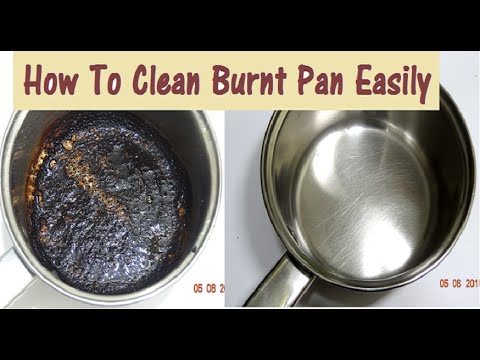
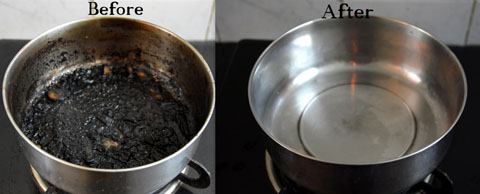
First, look closely at the burnt area. The severity affects how hard it will be to clean and what you should do next. Burns can range from light stains to deep, blackened crusts stuck on the pan.
- Light Burn: Slight discoloration or thin residue. Usually easy to remove.
- Moderate Burn: Dark spots or patches with some stuck-on food. Requires stronger cleaning agents.
- Severe Burn: Thick, black crust covering large areas. Needs soaking and scrubbing.
Use this table to quickly identify the burn type:
| Burn Type | Description | Cleaning Effort |
|---|---|---|
| Light | Thin stains or slight discoloration | Low – Simple soap and sponge |
| Moderate | Dark spots, some stuck food | Medium – Soaking and gentle scrubbing |
| Severe | Thick black crust, large coverage | High – Heavy soaking, scrubbing, and special cleaners |
Check if the pan’s surface is scratched or damaged beyond cleaning. Some burnt layers may be too tough and might require professional help or replacement.
Safety Precautions
Cleaning a burnt saucepan involves chemicals and scrubbing tools. Taking safety steps prevents injury and protects your skin and eyes. Always prepare your workspace before starting.
- Wear gloves: Protect hands from harsh cleaners and rough scrubbing pads.
- Use eye protection: Avoid splashes from cleaning liquids.
- Ventilate the area: Open windows or use fans to reduce fumes.
- Handle hot pans carefully: Ensure the pan is cool before cleaning.
Store cleaning products out of reach of children and pets. Follow the instructions on labels for correct use. Mixing chemicals can cause harmful reactions. Use only one cleaner at a time.
Keep these safety tips in mind:
- Read product labels before use.
- Test cleaners on a small pan area first.
- Avoid metal scrubbers on non-stick pans to prevent damage.
- Dispose of used cleaning materials safely.
Initial Cleaning Steps
Cleaning a badly burnt saucepan can seem tough at first. The initial cleaning steps are the key to making the task easier and more effective. These steps help loosen burnt food and prevent scratching the pan. Taking time to do this right saves effort later and protects your cookware.
Soaking Techniques
Start by filling the saucepan with warm water. Add a cleaning agent that suits your pan’s material. For stainless steel or aluminum pans, use dish soap or white vinegar. Cast iron pans need special care, so avoid soaking too long.
- Fill the pan: Use enough warm water to cover the burnt areas.
- Add cleaning agents: A few drops of dish soap or half a cup of white vinegar work well.
- Let it soak: Leave it for 1 to 3 hours, depending on the burn severity.
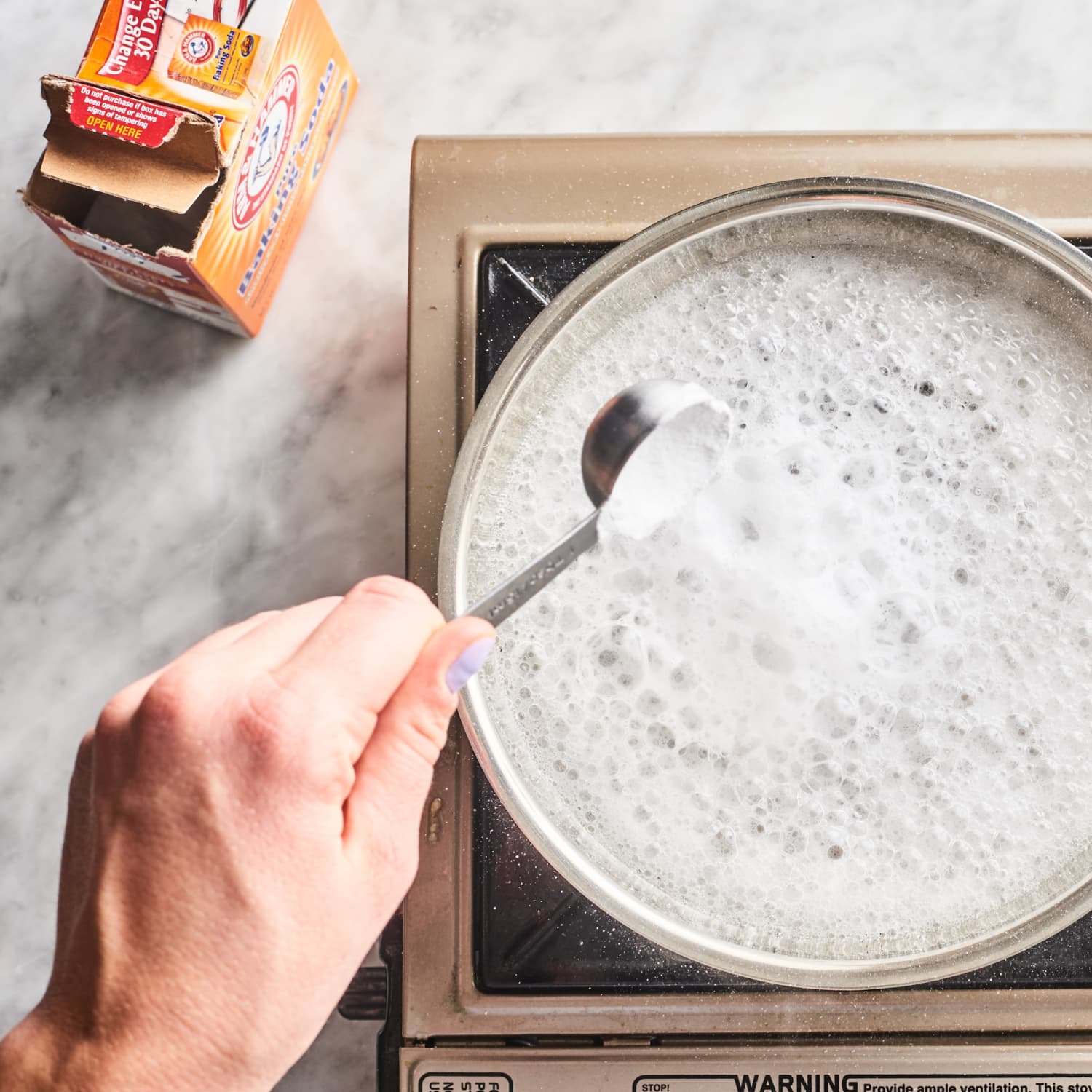
For very tough burns, mix baking soda with water to create a paste. Apply this paste on burnt spots before soaking. Baking soda helps break down burnt food without harsh scrubbing.
| Cleaning Agent | Use With | Soaking Time |
|---|---|---|
| Dish Soap | Most Saucepans | 1-2 Hours |
| White Vinegar | Stainless Steel, Aluminum | 1-3 Hours |
| Baking Soda Paste | All Materials (Avoid Cast Iron) | Apply Before Soaking |
Note: Avoid soaking cast iron pans for long. Instead, wipe with a damp cloth and dry immediately to stop rust.
Removing Loose Debris
After soaking, check the pan for loosened burnt food. Use gentle tools like a wooden spatula or soft sponge. Avoid metal scrubbers that can scratch the surface.
- Scrape gently: Use a wooden or plastic spatula to lift loose bits.
- Use a soft sponge: Clean the inside carefully to remove remaining debris.
- Rinse: Wash with warm water to clear off loosened food.
If some burnt pieces remain stuck, repeat soaking or apply a small amount of baking soda paste again. Patience helps prevent damage to the pan.
Tools to avoid:
- Steel wool
- Hard metal scrubbers
- Abrasive powders (unless very carefully used)
Using the right tools keeps your saucepan safe and clean. Once loose debris is removed, move on to deeper cleaning methods for the best results.
Natural Cleaning Methods
Cleaning a badly burnt saucepan can seem tough. Chemical cleaners can be harsh and unsafe. Natural cleaning methods offer a gentle and effective way to restore your saucepan. These methods use simple household ingredients. They are safe for your health and the environment. Plus, they often cost less and avoid strong smells.
Using Baking Soda And Vinegar
Baking soda and vinegar work well together to remove burnt stains. Baking soda is mildly abrasive. It helps scrub off burnt food without scratching the pan. Vinegar is acidic. It breaks down burnt residue and loosens it from the surface.
Follow these easy steps:
- Sprinkle a generous amount of baking soda over the burnt area.
- Pour enough white vinegar to cover the baking soda.
- Let the mixture fizz and sit for about 15-20 minutes.
- Use a non-abrasive sponge or brush to scrub gently.
- Rinse the pan with warm water.
- Repeat if necessary for stubborn stains.
This method is safe for most metals, including stainless steel and aluminum. The fizzing action helps lift burnt bits easily.
| Ingredient | Role | Amount |
|---|---|---|
| Baking Soda | Abrasive agent to scrub off burnt food | 2-3 tablespoons |
| White Vinegar | Acid to dissolve burnt residue | 1/2 cup or enough to cover baking soda |
Lemon And Salt Scrub
Lemon and salt make a natural scrub that brightens and cleans burnt saucepans. Lemon juice is acidic and breaks down burnt particles. Salt works as a scrub to remove stuck bits. This combination also leaves a fresh smell.
Use these simple steps:
- Cut a lemon in half.
- Dip the lemon cut side into a plate of coarse salt.
- Rub the lemon on the burnt area, using the salt as a scrub.
- Apply extra salt if needed and keep scrubbing.
- Let the lemon juice sit for 10-15 minutes.
- Rinse the pan with warm water and dry it.
This method is great for light to medium burnt stains. The natural acid and gentle abrasiveness clean without damage.
Tips for best results:
- Use fresh lemon for stronger acid power.
- Choose coarse salt for better scrubbing effect.
- Avoid using on non-stick pans as salt may scratch the surface.
Credit: www.youtube.com
Commercial Cleaning Products
Cleaning a badly burnt saucepan can be tough. Stubborn black marks and burnt food often resist simple scrubbing. Commercial cleaning products help remove tough stains quickly and with less effort. These products contain special chemicals designed to break down burnt residue and grease. Using the right product makes the cleaning process faster and restores your saucepan’s shine.
Choosing The Right Cleaner
Selecting an effective commercial cleaner depends on the saucepan’s material and the burnt severity. Some cleaners suit stainless steel, while others are safer for non-stick pans. Always check the label to avoid damage.
Types of commercial cleaning products:
- Heavy-duty degreasers: Best for thick burnt layers and grease.
- Oven cleaners: Strong formulas that remove burnt food but may be harsh on some pans.
- Non-abrasive cream cleaners: Good for delicate surfaces to avoid scratches.
- Gel cleaners: Stick well on vertical surfaces and work slowly but safely.
Check this table for common cleaners and their uses:
| Cleaner Type | Best For | Material Suitability | Notes |
|---|---|---|---|
| Heavy-duty Degreaser | Thick burnt grease | Stainless steel, cast iron | Use gloves, strong smell |
| Oven Cleaner | Burnt food layers | Stainless steel only | Avoid non-stick surfaces |
| Cream Cleaner | Light burnt stains | Non-stick, ceramic | Gentle, safe to use |
| Gel Cleaner | Vertical burnt surfaces | All types | Longer action time |
Choose a product that fits your saucepan and burn level. Always read instructions carefully before use.
Application Tips
Proper use of commercial cleaners ensures the best results without damage. Follow these steps to clean your burnt saucepan safely and effectively.
- Prepare the pan: Remove loose burnt bits and soak the pan in warm water for 10-15 minutes.
- Apply cleaner: Use gloves and apply the cleaner evenly over the burnt area. Avoid using too much.
- Wait: Let the cleaner sit as per instructions. This usually ranges from 10 minutes to several hours.
- Scrub gently: Use a soft sponge or brush to scrub off the burnt residue. Avoid metal scrubbers on non-stick pans.
- Rinse well: Wash the pan thoroughly with warm water to remove all cleaner traces.
- Repeat if needed: For tough burns, a second application may be necessary.
Additional tips for better results:
- Work in a well-ventilated area to avoid fumes.
- Test the cleaner on a small hidden spot first.
- Wear gloves to protect your skin.
- Do not mix different cleaners together.
Following these tips keeps your saucepan safe and clean. Patience is key. Let the cleaner do the work, then wipe away the burnt stains easily.
Tackling Stubborn Stains
Cleaning a badly burnt saucepan can feel like a tough job. The burnt stains stick hard to the pan’s surface. These stubborn marks need special care to get removed. Tackling stubborn stains requires patience and the right methods. Using simple household tricks can bring back your pan’s shine. Below are two effective ways to clean burnt saucepans without damaging them.
Boiling Water Method
The boiling water method is a gentle and natural way to loosen burnt stains. It softens the burnt food, making it easier to clean. Follow these steps to use this method effectively:
- Fill the saucepan with water until the burnt area is covered.
- Place the pan on the stove and bring the water to a boil.
- Let it boil for 10-15 minutes, watching closely.
- Turn off the heat and carefully pour out the water.
- Use a wooden or plastic spatula to scrape off softened burnt bits.
This method works best on pans with burnt food stuck lightly. For tougher stains, adding a few tablespoons of baking soda or vinegar to the boiling water helps break down burnt residue faster.
| Ingredient | Purpose | Amount |
|---|---|---|
| Baking Soda | Breaks down burnt food particles | 2-3 tablespoons |
| White Vinegar | Helps dissolve stains and deodorizes | 1/4 cup |
After boiling, rinse the pan with warm water. Dry it with a clean cloth. Repeat the process if some stains remain. This method keeps your pan safe from scratches and harsh chemicals.
Using Steel Wool Or Scrubbers
Steel wool and scrubbers are more aggressive tools for cleaning burnt saucepans. They help remove deep, tough stains that boiling water cannot fix. Use them carefully to avoid scratching the pan’s surface. Here’s how to use steel wool or scrubbers properly:
- Wet the pan and the scrubber with warm water.
- Apply a small amount of dish soap on the scrubber.
- Gently scrub the burnt areas in circular motions.
- Rinse the pan often to check progress.
- Stop scrubbing if the pan starts to scratch.
For stainless steel pans, steel wool works well. For non-stick pans, use soft sponges or nylon scrubbers to avoid damage. Using scrubbers with baking soda creates mild abrasion to lift stains without harsh chemicals.
Here is a quick guide on scrubber types:
| Scrubber Type | Best For | Notes |
|---|---|---|
| Steel Wool | Stainless steel pans | Can scratch non-stick surfaces |
| Nylon Scrubber | Non-stick pans | Gentle and safe |
| Scouring Pad | Cast iron and stainless steel | Use with care on delicate surfaces |
Always rinse and dry the pan thoroughly after scrubbing. This prevents rust and keeps the pan in good condition. Using scrubbers with care makes burnt pans look clean and ready for cooking again.
Preventing Future Burns
Preventing future burns on your saucepan is key to keeping your cookware in good shape and avoiding tough cleaning jobs. Small changes in how you cook and care for your pans make a big difference. Protecting your saucepans helps them last longer and saves time spent scrubbing burnt food. Let’s explore some simple ways to avoid burning your pans again.
Proper Cooking Techniques
Using the right cooking methods reduces the chance of burning your saucepan. Start by controlling the heat. High heat can quickly burn food and damage the pan’s surface. Cook on medium or low heat, especially with delicate sauces or sticky ingredients.
Follow these tips for better cooking results:
- Preheat your pan gently before adding oil or food.
- Stir frequently to prevent food from sticking and burning.
- Use enough liquid when simmering sauces to stop drying and burning.
- Choose the right pan size for your burner to ensure even heating.
| Heat Level | Best Use | Burn Risk |
|---|---|---|
| Low | Simmering, gentle cooking | Low |
| Medium | Most cooking tasks | Moderate |
| High | Boiling, searing | High if left unattended |
Using lids can trap steam and help cook food evenly. Avoid leaving pans unattended on the stove. Always adjust heat as food cooks. These small actions prevent burnt residue and keep your saucepan clean.
Regular Maintenance
Keeping your saucepan clean and cared for helps avoid buildup that leads to burning. After every use, wash your pan properly. Remove all food particles and grease that can burn next time.
Follow this simple maintenance routine:
- Let the pan cool before cleaning to avoid warping.
- Use warm water and mild dish soap with a soft sponge.
- For stuck food, soak the pan in warm soapy water for 15-30 minutes.
- Dry the pan fully to prevent rust or stains.
- Occasionally, apply a small amount of cooking oil to non-stick surfaces to keep them smooth.
Store saucepans properly. Stack pans with paper towels or cloth between to avoid scratches. Check for signs of damage regularly and replace pans with worn coatings.
Regular maintenance keeps pans in good condition and reduces the chance of burnt food sticking. Clean pans cook food better and last longer.
When To Replace Your Saucepan
Cleaning a badly burnt saucepan can be tough and time-consuming. Sometimes, no amount of scrubbing or soaking works. Knowing when to replace your saucepan is important. A damaged pan can affect your cooking and even your health. This section helps you decide if it’s time for a new one.
Signs Your Saucepan Is Beyond Repair
Look for these signs that mean your saucepan should be replaced:
- Deep scratches or cracks on the surface that cannot be cleaned.
- Warped or uneven base that causes poor heat distribution.
- Rust spots that keep coming back after cleaning.
- Peeling non-stick coating which can be harmful if ingested.
- Persistent burnt stains that affect taste and hygiene.
Risks Of Using A Damaged Saucepan
Using a damaged saucepan can lead to:
- Uneven cooking and burnt food.
- Release of harmful chemicals from coatings.
- Health risks from rust or metal flakes.
- Frustration and wasted ingredients.
How To Decide: Repair Or Replace?
| Condition | Best Action | Reason |
|---|---|---|
| Minor burnt stains | Clean thoroughly | Can be removed with baking soda or vinegar |
| Scratches on non-stick surface | Replace | Coating damage affects safety and performance |
| Warped bottom | Replace | Leads to uneven heat and poor cooking |
| Rust spots | Replace | Rust can spread and is unsafe to use |
| Burnt stains that won’t lift | Replace or professional cleaning | Depends on severity and saucepan value |
Credit: www.padhuskitchen.com
Credit: www.thekitchn.com
Frequently Asked Questions
How Do I Remove Burnt Stains From A Saucepan?
To remove burnt stains, soak the pan in hot water and baking soda for an hour. Then scrub gently with a non-abrasive sponge until clean.
Can Vinegar Help Clean A Badly Burnt Saucepan?
Yes, vinegar effectively loosens burnt residue. Boil a mixture of equal parts water and vinegar in the pan, then scrub after cooling.
Is Baking Soda Safe For Cleaning Burnt Saucepans?
Absolutely. Baking soda is a gentle, natural abrasive that removes burnt food without damaging the pan’s surface.
How Long Should I Soak A Burnt Saucepan?
Soak the burnt pan for at least one hour. For tough stains, overnight soaking yields better results.
Conclusion
Cleaning a badly burnt saucepan takes patience and simple steps. Use common kitchen items like baking soda, vinegar, or salt. Soak the pan to loosen burnt bits before scrubbing gently. Avoid harsh tools that can damage the surface. Regular care helps prevent tough stains in the future.
With time and effort, your saucepan can look almost new again. Keep these easy tips handy for the next cooking mishap. A clean pan means better meals and less stress in the kitchen.

Hello, This is Annie Walker, a 38-year-old blogger, founder, and editor of Cookware Guider from NY, USA. I am a cookware fanatic and passionate cooker. I love to cook with different types of cooking appliances (example: all types of cookware, rice cookers, slow cookers, etc) almost every day in my kitchen. I love to share my experience with my readers in my blog. Also, I enjoy helping people to solve their problems through my website. You can follow me on Twitter & Pinterest. To know details about my blog please check the about us page.