
Have you ever faced the frustration of a badly burnt saucepan ruining your cooking plans? It’s a common kitchen mishap that can leave you staring at stubborn stains and burnt layers, wondering if your pan is beyond saving.
But before you toss it aside or buy a new one, there’s good news: you can bring your burnt saucepan back to life with simple, effective methods. You’ll discover easy steps to clean even the most stubborn burnt residue. Keep reading, and you’ll soon have your saucepan looking almost new again—saving you time, money, and stress.
Assess Burn Damage
Cleaning a badly burnt saucepan starts with knowing how bad the damage is. Assessing the burn damage helps decide the best cleaning method. It saves time and effort by targeting the right areas.
Check The Burnt Area Size
Look closely at the saucepan’s bottom and sides. See how much space the burnt spots cover. Small burnt patches need gentle cleaning. Large burnt areas may need stronger methods.
Identify Burn Type
- Light Burn: Stains or slight discoloration on the surface.
- Medium Burn: Dark brown or black marks that stick but can be scrubbed.
- Severe Burn: Thick layers of burnt food or black crust that is hard to remove.
Check Pan Material
Different pans need different care. Stainless steel, non-stick, and aluminum react differently to cleaning. Knowing your pan’s material prevents damage during cleaning.
Look For Damage To Pan Surface
- Check if the pan’s coating is peeling or cracked.
- Look for dents or warping that might affect cleaning.
- Note any areas that look rough or corroded.
Decide Cleaning Approach
| Burn Type | Recommended Cleaning |
|---|---|
| Light Burn | Soak with warm soapy water and gentle scrubbing. |
| Medium Burn | Use baking soda paste and scrub carefully. |
| Severe Burn | Boil water with vinegar or use special cleaners. |
Credit: www.thekitchn.com
Gather Cleaning Supplies
Cleaning a badly burnt saucepan needs the right tools. Gathering cleaning supplies before starting makes the job easier and faster. This step helps avoid running around for items later. Prepare everything for a smooth and effective cleaning process.
Essential Cleaning Tools
- Scrubbing sponges: Use both soft and rough sides for different burn levels.
- Scouring pads: Help remove tough burnt layers without scratching the pan.
- Plastic or wooden scraper: Lift burnt bits without damaging the surface.
- Old toothbrush: Reach small corners and edges.
Common Household Cleaning Agents
| Cleaning Agent | Purpose | Notes |
|---|---|---|
| Baking soda | Breaks down burnt food and grease | Safe for most pans |
| White vinegar | Loosens burnt residue and disinfects | Use diluted to protect pan finish |
| Lemon juice | Natural acid helps dissolve stains | Good for light burns |
| Dish soap | Removes grease and food particles | Use mild soap to avoid damage |
Protective Gear And Extras
- Rubber gloves: Protect hands from harsh cleaners and hot water.
- Old towels or cloths: Dry and polish the pan after cleaning.
- Plastic basin or sink plug: Soak the pan if needed.
Soak The Saucepan
Cleaning a badly burnt saucepan can feel like a tough job. The burnt food sticks hard, making scrubbing difficult. Soaking the saucepan helps soften the burnt layers. This step makes cleaning easier and protects the pan from scratches. Soaking loosens the burnt bits, saving time and effort.
Use Hot Water And Soap
Start by filling the burnt saucepan with hot water. Make sure the water covers the burnt areas completely. Add a few drops of dish soap to the water. The soap breaks down grease and food particles.
Let the saucepan soak for at least 30 minutes. For heavy burns, soak it for a few hours or overnight. The hot water and soap work together to soften the burnt residue.
- Use water as hot as you can safely handle.
- Add enough soap to create bubbles.
- Place the pan somewhere stable to soak.
- Check the pan after soaking to see if the burnt bits loosen.
After soaking, use a soft sponge or cloth to gently scrub the pan. Avoid using steel wool as it can damage the surface. If the burnt parts do not come off easily, soak the pan again. Repeating this process helps break down tough burnt layers without harsh scrubbing.
Try Baking Soda Paste
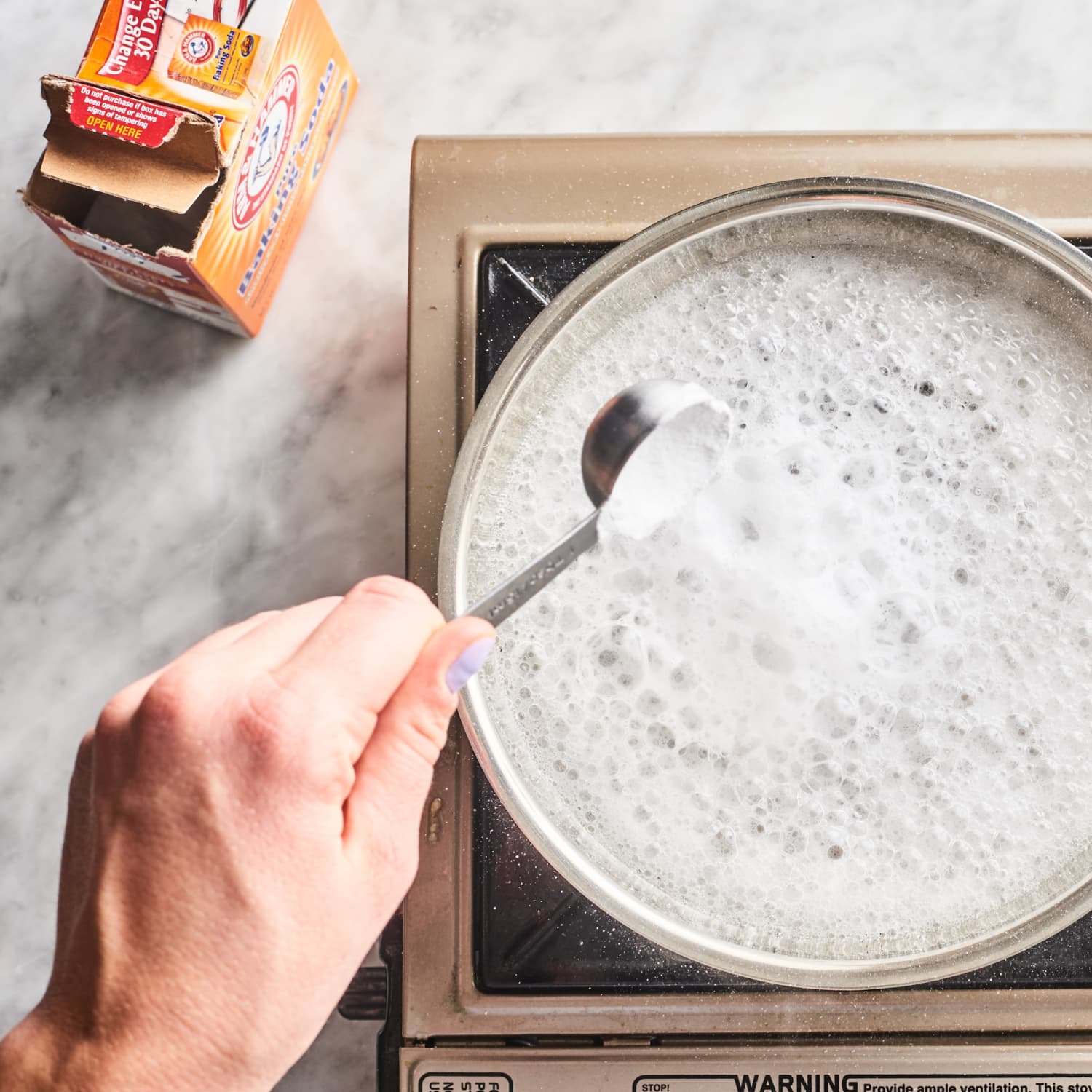
Baking soda is a mild abrasive and natural cleaner. It helps lift burnt food without scratching the saucepan. To make a paste, mix baking soda with a small amount of water. The paste should be thick enough to stick to the burnt areas.
Spread the baking soda paste over the burnt spots inside the pan. Let it sit for 15 to 30 minutes. This allows the baking soda to work on the burnt residue.
| Ingredients | Amount |
|---|---|
| Baking soda | 2 tablespoons |
| Water | 1 tablespoon (adjust as needed) |
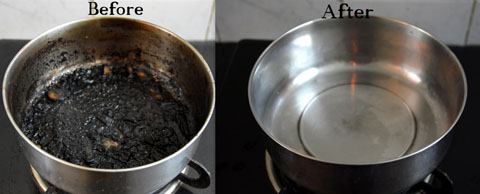
After waiting, scrub the pan gently with a sponge or soft brush. Rinse with warm water to remove the paste and loosened burnt bits. Repeat the paste application for stubborn stains. Baking soda is safe for most saucepan materials and helps restore the pan’s surface.
Use baking soda paste as a natural, easy way to clean burnt saucepans without strong chemicals.
Credit: www.padhuskitchen.com
Scrub Off Burnt Residue
Cleaning a badly burnt saucepan can be tough, especially when residue clings tightly. The key step is to scrub off burnt residue carefully. This removes charred bits without damaging the pan. Using the right tools and methods makes a big difference. Patience and the proper technique help restore your saucepan to a clean, usable state.
Use Non-abrasive Scrubbers
Choosing the correct scrubber protects your saucepan’s surface while removing burnt residue. Non-abrasive scrubbers work well on most pans, including non-stick and stainless steel. They clean effectively without scratching or wearing down the material.
Here are some popular non-abrasive scrubbers:
- Soft sponges: Ideal for gentle scrubbing with soap and water.
- Microfiber cloths: Great for wiping off loosened residue.
- Plastic scrub brushes: Good for scrubbing corners and crevices.
- Silicone scrubbers: Durable and gentle on surfaces.
Follow these tips for best results:
- Soak the pan in warm, soapy water for 15-30 minutes to soften burnt spots.
- Use the non-abrasive scrubber with gentle pressure.
- Scrub in circular motions to lift burnt bits effectively.
- Rinse frequently to check progress and remove loosened debris.
Note: Avoid steel wool or metal scrubbers, as they can scratch and ruin the pan’s surface. Non-abrasive scrubbers extend the lifespan of your cookware while making cleaning easier.
Apply Vinegar For Stubborn Spots
Vinegar is a natural cleaner that breaks down tough burnt residue. Its acidic nature helps dissolve charred particles, making scrubbing easier. This method is safe for most pans and uses common household ingredients.
Steps to apply vinegar effectively:
- Pour enough white vinegar into the burnt pan to cover the affected areas.
- Heat the pan gently on low for 5-10 minutes. This helps loosen the residue.
- Turn off the heat and allow the vinegar to cool slightly.
- Use a non-abrasive scrubber to scrub the burnt spots.
- Rinse the pan thoroughly with warm water.
For very stubborn spots, try this vinegar and baking soda method:
| Step | Action |
|---|---|
| 1 | Sprinkle baking soda over burnt areas. |
| 2 | Pour vinegar slowly to create fizzing. |
| 3 | Let sit 10-15 minutes to break residue. |
| 4 | Scrub gently with a non-abrasive scrubber. |
| 5 | Rinse well and dry. |
Tip: Vinegar’s smell fades quickly after rinsing. This natural method avoids harsh chemicals and leaves your pan clean and safe.
Boil Cleaning Solutions
Cleaning a badly burnt saucepan can feel tough. The burnt layer sticks hard, making scrubbing difficult. Boil cleaning solutions use heat and simple ingredients to loosen burnt food. This method saves time and effort. It softens the burnt bits, making cleanup easier and faster. Boiling also avoids harsh chemicals that might damage your pan. Two popular boil cleaning solutions are vinegar with water, and baking soda with water. Both are safe and effective for most pans.
Vinegar And Water Mix
Vinegar is acidic, which helps break down burnt food stuck on the pan. Mixing it with water and boiling creates steam and heat that loosen grime.
- Step 1: Pour equal parts of white vinegar and water into the burnt saucepan. Fill enough to cover the burnt area.
- Step 2: Place the pan on the stove and bring the mixture to a boil.
- Step 3: Let it boil for about 5-10 minutes. The heat helps the vinegar dissolve burnt residues.
- Step 4: Turn off the heat and allow the pan to cool slightly before scrubbing gently with a sponge or brush.
This method is gentle and works well on light to moderate burnt stains. For tough stains, repeat the process or combine with other cleaning methods.
| Ingredient | Purpose |
|---|---|
| White Vinegar | Breaks down burnt food with its acidity |
| Water | Dilutes vinegar and creates steam during boiling |
Baking Soda And Water Boil
Baking soda is a mild alkali that helps dissolve burnt food and grease. When boiled with water, it softens burnt layers and neutralizes odors.
- Step 1: Add 2-3 tablespoons of baking soda to enough water to cover the burnt part of the saucepan.
- Step 2: Bring the mixture to a boil on medium heat.
- Step 3: Let it boil for 10-15 minutes. The bubbling action helps lift burnt residues.
- Step 4: Remove the pan from heat and wait for it to cool down a bit.
- Step 5: Use a non-abrasive scrubber to clean off the loosened burnt bits.
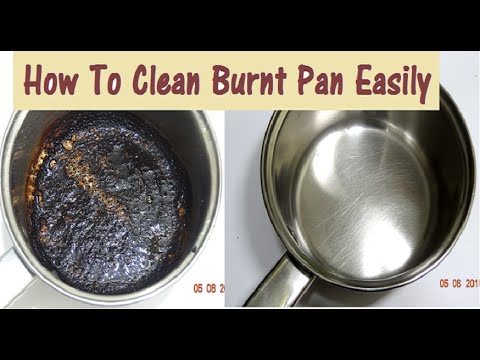
This method works well on heavier burnt stains. Baking soda also deodorizes the pan, leaving it fresh.
| Ingredient | Effect |
|---|---|
| Baking Soda | Softens burnt food and neutralizes odors |
| Water | Creates boiling action to loosen burnt residue |
Credit: www.youtube.com
Use Commercial Cleaners
Using commercial cleaners can make cleaning a badly burnt saucepan easier and faster. These products are made to remove tough stains and burnt food without much scrubbing. They work by breaking down the burnt residue, saving your time and effort. Always use them carefully and follow the instructions on the label.
Choosing The Right Commercial Cleaner
Not all cleaners work the same on all pans. Choose a cleaner based on the material of your saucepan:
| Pan Material | Recommended Cleaner Type | Notes |
|---|---|---|
| Stainless Steel | Abrasive-free liquid or gel cleaner | Avoid harsh abrasives to prevent scratches |
| Non-stick | Mild, non-abrasive cleaner | Protect the coating from damage |
| Cast Iron | Specialized cast iron cleaner or baking soda paste | Do not soak for long; dry immediately |
How To Use Commercial Cleaners Safely
- Read the product label before use.
- Wear gloves to protect your skin.
- Work in a well-ventilated area.
- Apply a small amount on the burnt area.
- Let it sit for the time recommended by the manufacturer.
- Use a soft sponge or cloth to scrub gently.
- Rinse thoroughly with warm water.
Tips For Best Results
- Test the cleaner on a small, hidden area first.
- Do not mix different cleaners; it can cause harmful reactions.
- Repeat the process if burnt residue remains.
- Use a plastic or silicone scraper for stubborn spots.
- Dry the pan immediately to prevent rust or damage.
Prevent Future Burns
Preventing future burns on your saucepan saves time and keeps your cookware in good shape. Burnt pans are hard to clean and can ruin your cooking experience. Simple habits can stop burns before they start. Focus on controlling heat and handling your pans correctly. This section shares easy tips to avoid burnt saucepans and keep your kitchen running smoothly.
Monitor Cooking Temperature
One main cause of burnt saucepans is cooking at too high a temperature. High heat can quickly burn food and damage pans. Always keep an eye on the heat level while cooking. Use these tips to control temperature well:
- Use medium or low heat for most dishes. High heat is only for boiling or frying quickly.
- Adjust heat gradually instead of turning it on full blast suddenly.
- Use a stove with accurate temperature control if possible.
- Watch the food closely and stir regularly to prevent sticking and burning.
Here is a simple guide to stove heat settings and their best uses:
| Heat Level | Best For | Burn Risk |
|---|---|---|
| Low | Simmering, slow cooking | Very low |
| Medium | Cooking most meals | Low |
| High | Boiling, frying fast | High |
Using the right temperature keeps your food safe and your pans clean. It also saves energy and improves cooking taste.
Use Proper Cookware Techniques
How you use your saucepan affects its lifespan and how well it cooks. Proper techniques help avoid burns and stains. Follow these simple methods for better results:
- Preheat the pan properly. Heat it on low or medium first before adding oil or food.
- Use enough oil or butter to create a non-stick surface and protect the pan.
- Stir food regularly to stop it from sticking or burning at the bottom.
- Do not leave empty pans on heat for long. This can cause warping and burning.
- Choose pans that fit your stove size. A small pan on a large burner burns faster.
Keep these points in mind while cooking:
- Use wooden or silicone utensils to avoid scratching the pan’s surface.
- Clean pans soon after use to stop residue build-up.
- Store pans properly to avoid damage.
These techniques help your saucepan last longer and cook food evenly without burning.
Frequently Asked Questions
How Do I Remove Burnt Stains From A Saucepan?
To remove burnt stains, soak the saucepan in warm water and baking soda for 30 minutes. Scrub gently with a non-abrasive sponge. Repeat if necessary to restore the surface without damage.
Can Vinegar Help Clean A Burnt Saucepan?
Yes, vinegar effectively loosens burnt food. Boil equal parts water and vinegar in the pan for 10 minutes. Let it cool, then scrub with a sponge to remove residue easily.
What Household Items Clean Badly Burnt Saucepans?
Common items like baking soda, vinegar, lemon, and salt work well. Use them in combination to break down burnt layers and restore your saucepan’s surface naturally and safely.
Is It Safe To Use Abrasive Cleaners On Saucepans?
Avoid abrasive cleaners on non-stick or delicate pans. They can damage the surface. Use gentle scrubbing with baking soda or vinegar instead for effective, safe cleaning.
Conclusion
Cleaning a badly burnt saucepan takes patience and the right steps. Use gentle scrubbing and natural ingredients to avoid damage. Stay calm and work slowly to remove burnt spots. Small efforts bring big results over time. Your saucepan can look clean and ready to use again.
Keep these tips handy for future kitchen mishaps. A clean pan helps cook better meals every day. Simple care saves money and keeps your cookware lasting longer. Try these easy methods and see the difference yourself.

Hello, This is Annie Walker, a 38-year-old blogger, founder, and editor of Cookware Guider from NY, USA. I am a cookware fanatic and passionate cooker. I love to cook with different types of cooking appliances (example: all types of cookware, rice cookers, slow cookers, etc) almost every day in my kitchen. I love to share my experience with my readers in my blog. Also, I enjoy helping people to solve their problems through my website. You can follow me on Twitter & Pinterest. To know details about my blog please check the about us page.