
Poaching eggs can seem tricky, especially when you want that perfect, silky texture without any fuss. You might wonder, how long should you really poach eggs in a saucepan to get them just right?
Whether you’re making a quick breakfast or adding a healthy touch to your meal, timing is everything. You’ll discover simple tips and the exact poaching time that will help you achieve flawless eggs every time. Keep reading, and you’ll soon master the art of poaching eggs with ease.
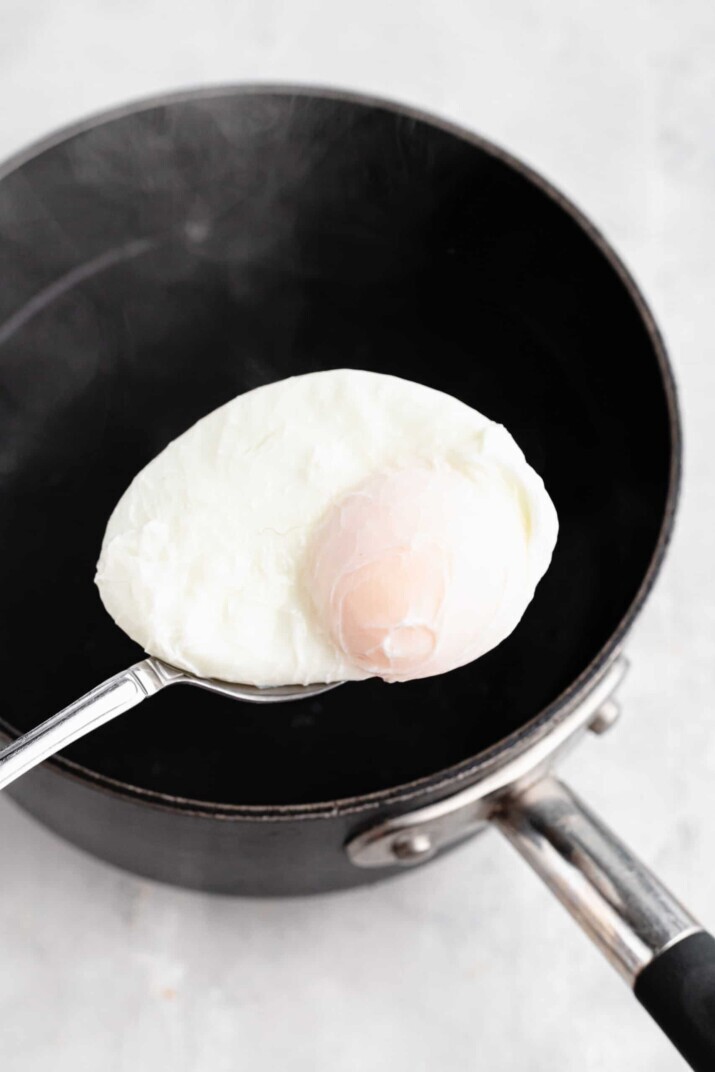
Credit: www.joyfulhealthyeats.com
Choosing The Right Eggs
Choosing the right eggs is key to poaching perfect eggs in a saucepan. The quality and type of eggs affect taste and texture. Simple choices can change your cooking results. Understanding freshness, size, and temperature helps you poach eggs with ease and success.
Freshness Matters
Fresh eggs hold their shape better in water. They have firmer whites that wrap around the yolk. Older eggs spread out more and become watery. This makes poaching tricky and results in uneven eggs. Buy eggs with the latest sell-by date. Store eggs in the fridge to keep them fresh longer.
Egg Size And Temperature
Medium or large eggs work best for poaching. They cook evenly and fit nicely in most saucepans. Using eggs straight from the fridge can cause temperature shock. Let eggs sit at room temperature for 10 to 15 minutes before cooking. This helps them cook gently and prevents cracking.
Preparing The Saucepan
Preparing the saucepan is the first step to perfectly poached eggs. The right setup helps eggs cook evenly and hold their shape. Small details in water level and temperature affect the results a lot.
Water Level And Temperature
Fill the saucepan with enough water to cover the eggs by about two inches. This depth gives the eggs space to float and cook evenly. Heat the water until it reaches a gentle simmer. The temperature should be around 180°F to 190°F (82°C to 88°C). Avoid boiling water. Boiling can break the eggs apart and create rough edges.
Adding Vinegar Or Salt
Add a small amount of vinegar or salt to the water. Vinegar helps the egg whites coagulate faster. Use about one tablespoon of vinegar per liter of water. Salt is an alternative but less effective. It can add a bit of flavor and help the egg whites firm up. Both help keep the eggs neat and compact during cooking.
Step-by-step Poaching Process
Poaching eggs in a saucepan is simple with the right steps. Follow this clear process for perfect eggs every time. The key is gentle heat and careful handling.
Cracking The Egg
Crack the egg on a flat surface to avoid shell bits. Open it gently into a small bowl or cup. This step helps check the egg’s freshness and avoids breaking the yolk.
Creating A Gentle Swirl
Heat water in the saucepan until small bubbles form. Stir the water slowly to make a gentle whirlpool. This swirl helps the egg white wrap around the yolk neatly.
Dropping The Egg
Slide the egg from the bowl into the center of the swirl. Keep the egg close to the water surface to prevent splashing. Let it cook without stirring for about 3-4 minutes for a soft yolk.
Timing For Perfect Poached Eggs
Timing is key for perfect poached eggs. The cooking time controls the texture and firmness. It depends on how runny or solid you want your egg yolk and whites. Using a saucepan makes it easy to keep the water at a gentle simmer. This helps cook the eggs evenly without breaking them apart.
Here are simple timing guides for different poached egg styles. Each style needs a different cooking time to get the right texture. Follow these tips to get the egg just how you like it.
Soft Poached Eggs
Cook the egg for about 2 to 3 minutes. The white should be set but still tender. The yolk remains very runny. Perfect for dipping toast or adding to salads.
Medium Poached Eggs
Cook the egg for 4 minutes. The white is firm and fully cooked. The yolk is thick but slightly runny inside. Great for breakfast dishes needing a creamy yolk.
Firm Poached Eggs
Cook the egg for 5 to 6 minutes. Both the white and yolk are completely firm. Ideal for recipes that need a solid yolk or slicing.
Common Mistakes To Avoid
Poaching eggs in a saucepan is simple but tricky. Many people make small mistakes that ruin the eggs. Avoiding these common errors will improve your results. Perfect poached eggs need the right technique and care.
Water Too Hot Or Boiling
Water should be just below boiling point. Boiling water makes eggs break apart. Gentle simmering keeps eggs whole and tender. Watch the bubbles. A few small ones are perfect. Too many bubbles will cause the eggs to fall apart.
Overcrowding The Pan
Poach one or two eggs at a time. Crowding the pan lowers water temperature quickly. Eggs bump into each other and lose shape. Give each egg space to cook evenly. Use a bigger pan if needed.
Not Using Fresh Eggs
Fresh eggs hold together better while poaching. Older eggs spread out in the water. The white becomes watery and thin. Buy fresh eggs for the best results. Check the date or do a water test to know freshness.

Credit: www.youtube.com
Tips For Serving And Storing
Knowing how to serve and store poached eggs is as important as cooking them. Proper handling keeps the eggs fresh and tasty. It also helps avoid sogginess or spoilage. Follow these simple tips to enjoy your poached eggs every time.
Draining And Drying
After poaching, remove eggs gently with a slotted spoon. Let excess water drip back into the saucepan. Place eggs on a paper towel or clean kitchen cloth. Pat them lightly to remove any extra moisture. This step prevents watery eggs on your plate.
Serving Suggestions
Serve poached eggs on toasted bread or English muffins. Add avocado slices or sautéed spinach for extra flavor. Sprinkle salt, pepper, or herbs to enhance taste. Use them on salads or in bowls with grains. The soft yolk makes any dish rich and creamy.
Storing Leftovers
Cool leftover poached eggs quickly before storing. Place them in an airtight container with a paper towel inside. Store in the refrigerator for up to two days. Reheat gently in warm water to keep texture. Avoid microwaving as it can make eggs rubbery.

Credit: jennyeatwellsrhubarbginger.blogspot.com
Frequently Asked Questions
How Long Should Eggs Be Poached In A Saucepan?
Poach eggs for about 3 to 4 minutes in simmering water. This timing yields a runny yolk with firm whites. Adjust time slightly for desired yolk consistency.
What Water Temperature Is Best For Poaching Eggs?
Maintain water temperature at a gentle simmer around 180°F to 190°F (82°C to 88°C). Avoid boiling water to prevent egg whites from breaking apart.
Can I Poach Multiple Eggs At Once In A Saucepan?
Yes, you can poach 2-3 eggs simultaneously. Ensure enough space and maintain water temperature. Stir gently before adding eggs to prevent sticking.
Should I Add Vinegar When Poaching Eggs In A Saucepan?
Adding a teaspoon of vinegar helps egg whites coagulate faster. It keeps the poached egg shape neat without affecting flavor significantly.
Conclusion
Poaching eggs in a saucepan takes about 3 to 4 minutes. This time makes the whites firm and yolks soft. Use fresh eggs and simmer water gently for best results. A spoon can help keep eggs together while cooking. Practice helps you find the perfect timing for your taste.
Enjoy simple, healthy eggs anytime with this easy method. Give it a try and see how easy poaching can be. Perfect eggs are just a few minutes away.

Hello, This is Annie Walker, a 38-year-old blogger, founder, and editor of Cookware Guider from NY, USA. I am a cookware fanatic and passionate cooker. I love to cook with different types of cooking appliances (example: all types of cookware, rice cookers, slow cookers, etc) almost every day in my kitchen. I love to share my experience with my readers in my blog. Also, I enjoy helping people to solve their problems through my website. You can follow me on Twitter & Pinterest. To know details about my blog please check the about us page.