
Cooking broccoli in a saucepan is quick, simple, and brings out the best flavor and texture. If you’ve ever struggled with soggy or bland broccoli, this guide is for you.
You’ll learn easy steps to make your broccoli tender, vibrant, and full of taste every time. Keep reading, and you’ll discover how to turn this healthy vegetable into a delicious side dish that everyone will love. Your next great meal starts right here.

Credit: www.loveandlemons.com
Choosing Fresh Broccoli
Choosing fresh broccoli is the first step to cooking a tasty dish. Fresh broccoli cooks better and tastes sweeter. It holds its nutrients and stays firm in the saucepan. Knowing how to pick good broccoli makes a big difference in your meal.
Identifying Quality Broccoli
Look for broccoli with dark green heads. The florets should be tight and compact. Avoid broccoli with yellow spots or flowers. The stalks must be firm and not soft or slimy. Fresh broccoli smells clean, not sour or bitter. Bright green color means it is fresh and healthy.
Storing Broccoli Before Cooking
Keep broccoli in the refrigerator to stay fresh longer. Store it in a plastic bag with holes for air. Avoid washing broccoli before storing; moisture causes spoilage. Use it within three to five days for best taste. Cold and dry storage helps keep broccoli crisp and green.
Preparing Broccoli For Cooking
Preparing broccoli for cooking is the first step to a tasty dish. Clean broccoli cooks better and tastes fresh. Proper preparation helps broccoli cook evenly and keeps its bright color. Follow these simple steps to get your broccoli ready for the saucepan.
Washing And Trimming
Rinse broccoli under cold water to remove dirt and bugs. Use your fingers to rub the florets gently. Trim off any tough stems or yellow leaves. Cutting away damaged parts improves taste and texture. Always wash broccoli just before cooking to keep it fresh.
Cutting Into Even Pieces
Cut broccoli into pieces of similar size. This helps all pieces cook at the same speed. Use a sharp knife for clean cuts. Separate florets from the thick stem. Slice larger stems into smaller pieces. Even cuts make broccoli tender and easy to eat.
Selecting The Right Saucepan
Choosing the right saucepan makes cooking broccoli easier and tastier. The right pot helps broccoli cook evenly without burning or sticking. This section helps pick the best saucepan for your kitchen needs. Focus on size and material to get the best results.
Size And Material Considerations
Pick a saucepan big enough to hold all the broccoli comfortably. A crowded pan can cause uneven cooking. A medium-sized pan, about 2 to 3 quarts, works well for most families.
Material affects heat distribution. Heavy-bottomed pans spread heat evenly. This stops broccoli from burning in spots. Stainless steel and aluminum pans are common choices. Copper pans heat quickly but need more care.
Non-stick Vs Stainless Steel
Non-stick pans prevent broccoli from sticking and need less oil. They make cleaning easier and save time. But, they can scratch easily and may wear out faster.
Stainless steel pans last longer and handle high heat well. They brown broccoli nicely and work well for recipes needing a quick sauté. They may need more oil to prevent sticking and require careful cleaning.

Credit: www.spendwithpennies.com
Cooking Methods In A Saucepan
Cooking broccoli in a saucepan is simple and quick. This method keeps the vegetable tender and full of flavor. Using a saucepan allows control over how soft or crisp the broccoli becomes. Different techniques suit different tastes and dishes. Below are common ways to cook broccoli in a saucepan.
Boiling Broccoli
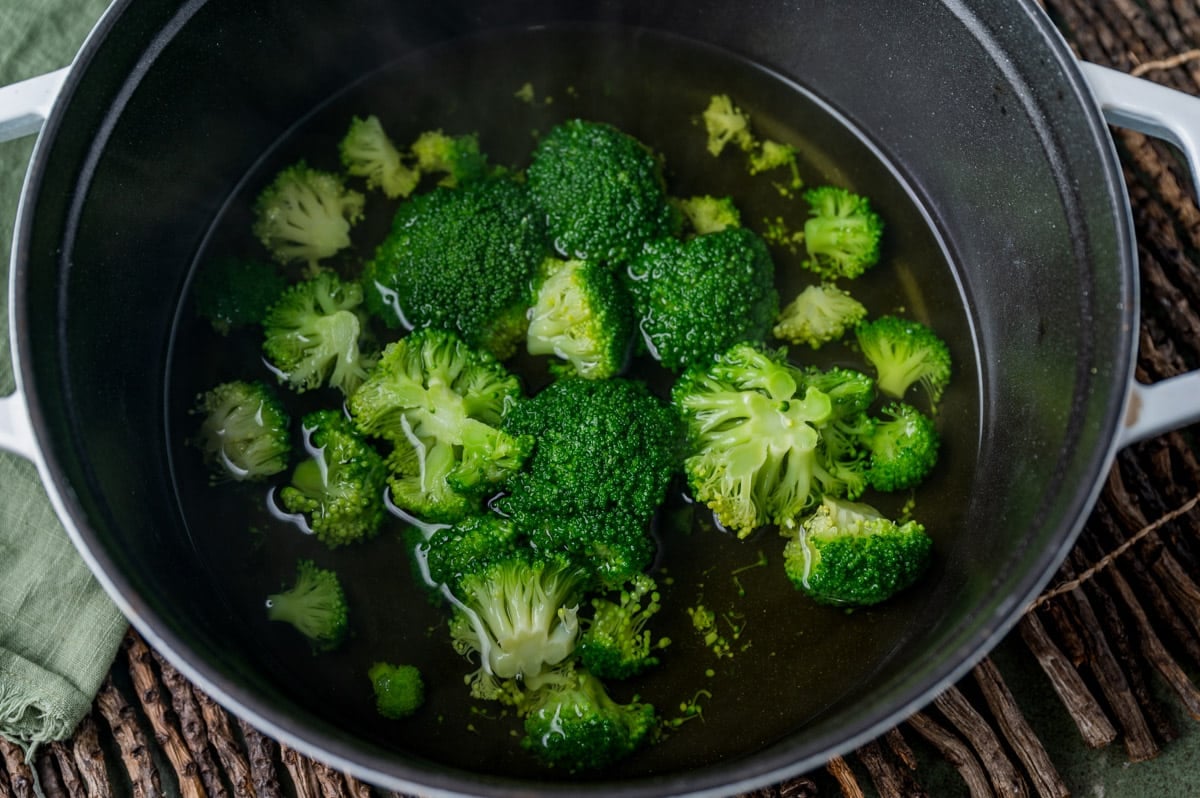
Boiling is the fastest way to cook broccoli in a saucepan. Start by filling the pan with water and bringing it to a boil. Add the broccoli florets and cook for 3 to 5 minutes. Check the texture with a fork. Drain the broccoli immediately to stop cooking. Boiling makes broccoli soft and mild in taste. Avoid overcooking to keep it bright green and crisp.
Steaming In A Saucepan
Steaming preserves more nutrients and color than boiling. Pour a small amount of water into the pan, enough to create steam but not touch the broccoli. Place a steamer basket or colander inside the pan. Add the broccoli on top. Cover with a lid and cook for 5 to 7 minutes. The broccoli should be tender but still firm. Steaming keeps the vegetable fresh and slightly crunchy.
Sautéing With Oil Or Butter
Sautéing adds rich flavor and a slight crispness. Heat oil or butter in the saucepan over medium heat. Add broccoli florets and cook while stirring often. Cook for 6 to 8 minutes until the edges turn golden. Season with salt, pepper, or garlic for extra taste. This method gives broccoli a tasty, caramelized finish. It works well as a side dish or in stir-fries.
Timing For Perfect Texture
Timing is key to cooking broccoli perfectly in a saucepan. The right time keeps the broccoli tender but still crisp. Overcooked broccoli becomes mushy and loses its bright green color. Undercooked broccoli can be hard and unpleasant to eat. Knowing the right timing helps you enjoy broccoli with the best texture every time.
Avoiding Overcooking
Broccoli cooks quickly in a saucepan. Usually, it takes about 5 to 7 minutes. Start checking at 4 minutes to avoid overcooking. Use medium heat to cook evenly. Overcooked broccoli looks dull and feels soft. It also loses some nutrients and flavor. Stop cooking as soon as the broccoli is tender but firm.
Testing For Doneness
Testing broccoli is simple. Use a fork to poke the thickest stem. It should slide in easily but feel firm. The florets should be bright green and slightly crisp. Avoid waiting until the broccoli feels very soft. Taste a small piece if unsure. Perfectly cooked broccoli has a fresh, slightly crunchy bite.
Flavor Enhancements
Cooking broccoli in a saucepan is simple and quick. Adding flavors makes it tastier and more enjoyable. Small touches can change the taste a lot. Use herbs, spices, garlic, onions, cheese, or nuts. These ingredients bring new textures and aromas to your dish.
Using Herbs And Spices
Fresh or dried herbs add a fresh flavor to broccoli. Try thyme, basil, or parsley for a mild taste. Spices like black pepper, paprika, or chili flakes add a little heat. Sprinkle herbs and spices during cooking to release their aroma. They make broccoli more interesting without extra effort.
Adding Garlic And Onions
Garlic and onions bring strong and rich flavors. Chop them finely and sauté before adding broccoli. This step softens their sharp taste and makes them sweet. Garlic adds a warm, earthy note. Onions create a slight crunch and sweetness. Together, they make broccoli more delicious.
Incorporating Cheese And Nuts
Cheese melts nicely on warm broccoli. Use cheddar, parmesan, or mozzarella for creaminess and saltiness. Nuts like almonds or walnuts add crunch and a nutty flavor. Toast nuts lightly to enhance their taste. Cheese and nuts give broccoli a unique texture and richness.
Serving Suggestions
Serving cooked broccoli from a saucepan can be simple and tasty. Knowing how to serve it well makes your meal better. Broccoli is healthy and fits many dishes. Here are easy ways to use your cooked broccoli.
Pairing With Main Dishes
Broccoli goes well with many main dishes. Serve it alongside grilled chicken or steak. It also pairs nicely with baked fish. For vegetarian meals, add broccoli to pasta or rice. The mild flavor balances stronger tastes.
Try topping broccoli with a little cheese or lemon juice. It adds fresh flavor without extra effort. Warm broccoli works well with sauces like garlic butter or soy sauce. This makes your plate colorful and inviting.
Using Broccoli In Salads And Sides
Cooked broccoli makes a great salad ingredient. Let it cool and mix with tomatoes, cucumbers, and olives. Add a simple dressing like olive oil and vinegar. Broccoli adds crunch and nutrition to salads.
Use broccoli as a side dish with mashed potatoes or quinoa. Sprinkle with herbs like parsley or dill. A light drizzle of olive oil or a dash of salt enhances taste. These small touches bring out broccoli’s natural flavor.
Cleaning And Maintaining Your Saucepan
Keeping your saucepan clean and in good shape helps it last longer. A well-maintained pan cooks food evenly and stays safe to use. Simple care steps protect your investment and improve cooking results.
Removing Stains And Residue
After cooking broccoli, wash your saucepan right away. Use warm water and mild dish soap. A soft sponge works best to avoid scratches. For tough stains, soak the pan in warm soapy water for 15 minutes. Gently scrub with a non-abrasive pad. Avoid harsh cleaners that damage the pan’s surface. Rinse well to remove all soap and residue.
Proper Storage Tips
Dry your saucepan completely before storing to prevent rust. Store it in a dry place away from moisture. If stacking pans, place a soft cloth between them to stop scratches. Keep lids separate or upside down to save space. Proper storage keeps your pan ready for cooking broccoli or any meal.
Credit: www.tastesoflizzyt.com
Frequently Asked Questions
How Long To Cook Broccoli In A Saucepan?
Cook broccoli in boiling water for 5 to 7 minutes. It should be tender but still crisp. Avoid overcooking to maintain nutrients and texture.
Should I Cover The Saucepan When Cooking Broccoli?
Yes, covering the saucepan helps steam the broccoli evenly. It speeds up cooking and preserves nutrients and color. Use a lid for best results.
Can I Add Seasoning While Cooking Broccoli In A Saucepan?
Absolutely! Add salt, pepper, garlic, or herbs to the water. Seasoning enhances flavor while cooking. Adjust to your taste preference.
What’s The Best Water Amount For Cooking Broccoli?
Use enough water to fully cover the broccoli in the saucepan. Usually, 2 to 3 cups of water are sufficient for one head of broccoli.
Conclusion
Cooking broccoli in a saucepan is quick and simple. You only need a few steps to get tender, tasty broccoli. Using fresh broccoli and a bit of water helps keep it healthy and green. Stir often to cook evenly and avoid burning.
This method saves time and works well for busy days. Try it with your favorite seasonings for extra flavor. Enjoy this easy way to add vegetables to your meals every day. Broccoli cooked in a saucepan tastes fresh and delicious every time.

Hello, This is Annie Walker, a 38-year-old blogger, founder, and editor of Cookware Guider from NY, USA. I am a cookware fanatic and passionate cooker. I love to cook with different types of cooking appliances (example: all types of cookware, rice cookers, slow cookers, etc) almost every day in my kitchen. I love to share my experience with my readers in my blog. Also, I enjoy helping people to solve their problems through my website. You can follow me on Twitter & Pinterest. To know details about my blog please check the about us page.