
If you want to impress your guests or simply treat yourself to a delicious meal, cooking scallops in a frying pan is a skill you need to master. Imagine perfectly seared scallops with a golden crust and tender, juicy inside—right from your own kitchen.
You might think it’s tricky, but with the right steps, you can achieve restaurant-quality results every time. Keep reading, and you’ll discover simple tips that will transform your scallop cooking game and make your next dinner unforgettable.
Choosing Fresh Scallops
Choosing fresh scallops is the first step to great taste. Fresh scallops have a sweet smell and a firm texture. Picking the right scallops makes cooking easier and results in a better dish.
Types Of Scallops
There are two main types of scallops: bay scallops and sea scallops. Bay scallops are smaller and sweeter. Sea scallops are larger and meatier. Both work well for frying, but sea scallops are easier to handle in a pan.
Tips For Freshness
Fresh scallops should look moist but not wet or slimy. They must smell like the ocean, not fishy or sour. The flesh should be firm and bounce back when pressed. Avoid scallops with dry edges or discoloration.
Buying Guide
Buy scallops from a trusted fish market or store. Check the label for “dry-packed” scallops. These are better because they don’t contain added water. Frozen scallops can be good if thawed properly. Always buy scallops that are cold and stored on ice.
Credit: www.inspiredtaste.net
Preparing Scallops For Cooking
Preparing scallops for cooking is an important step to get the best taste and texture. Fresh scallops need simple care before you cook them in a frying pan. Clean scallops cook evenly and taste better. Follow these easy steps to prepare your scallops perfectly.
Cleaning And Drying
Start by rinsing scallops under cold water. This removes any sand or dirt. Pat them dry with paper towels. Dry scallops sear better and form a golden crust. Avoid washing scallops too long to keep their flavor.
Removing The Side Muscle
Look for a small, tough piece on the side of each scallop. This is the side muscle. It feels firmer than the rest of the scallop. Pull it off gently and discard it. Removing this muscle makes the scallops tender and pleasant to eat.
Seasoning Basics
Season scallops simply with salt and pepper. Use a light sprinkle on both sides. This enhances their natural sweetness. Avoid heavy spices that can mask the scallop flavor. Keep seasoning basic for a clean, fresh taste.
Selecting The Right Pan And Oil
Selecting the right pan and oil is key to cooking perfect scallops. The pan affects heat distribution and searing. The oil impacts flavor and prevents sticking. Choose both carefully to get a golden, tasty crust on your scallops.
Best Pan Materials
Use a heavy-bottomed pan for even heat. Cast iron and stainless steel pans work well. Non-stick pans can stop scallops from sticking but may not brown them as well. Avoid thin pans; they heat unevenly and cause burning.
Choosing Cooking Oils
Pick oils with a high smoke point. Canola, grapeseed, and avocado oils are good choices. Olive oil adds flavor but burns faster. Use just enough oil to coat the pan. Too much oil can make scallops soggy.
Preheating Techniques
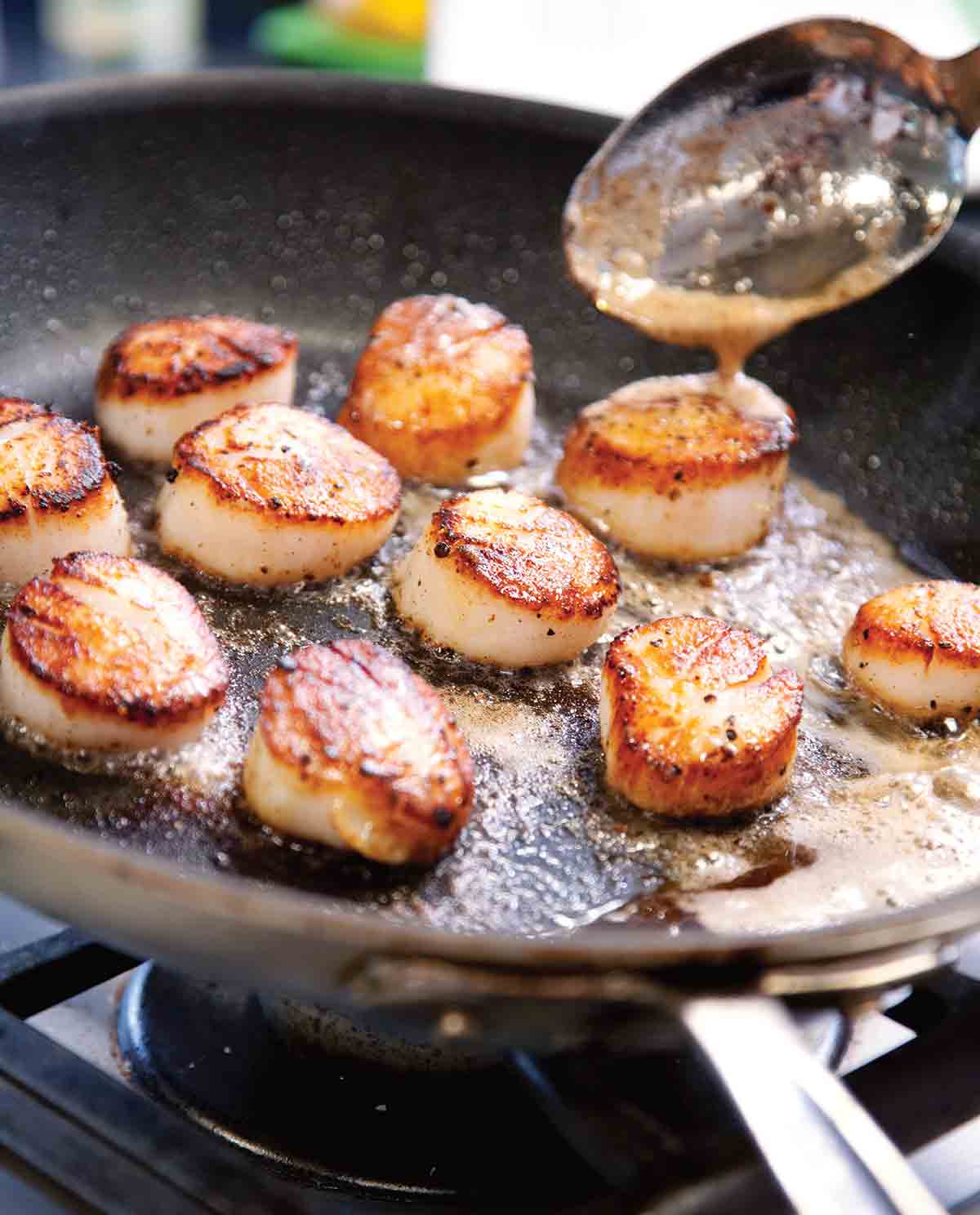
Heat the pan on medium-high before adding oil. Wait until the oil shimmers but does not smoke. A hot pan sears scallops quickly, locking in juices. Avoid moving scallops too soon to get a nice crust.
Credit: leitesculinaria.com
Seared Scallops Cooking Process
Seared scallops are a delicious and quick dish. The cooking process needs care for the best results. Perfect searing means a golden crust outside and tender inside. This section explains the key steps to cook scallops in a frying pan.
Temperature Control
Heat the pan on medium-high for a hot surface. Too low heat causes scallops to stick and steam. Too high heat burns the outside and leaves the inside raw. Use oil with a high smoke point, like canola or vegetable oil. Wait until the oil shimmers before adding scallops.
Cooking Time
Cook scallops for about 2 minutes on the first side. Do not move them while cooking to form a crust. Flip and cook for another 1 to 2 minutes. The total time depends on scallop size. They should be opaque and firm but still soft inside.
Flipping Tips
Use tongs or a thin spatula to flip scallops gently. Avoid pressing or squashing them. Flip only once to keep the crust intact. If scallops stick, wait a few more seconds before trying again. This helps the crust release naturally from the pan.
Common Mistakes To Avoid
Cooking scallops in a frying pan is simple but easy to mess up. Many beginners make common mistakes that affect taste and texture. Avoid these errors to get perfectly cooked scallops every time.
Overcrowding The Pan
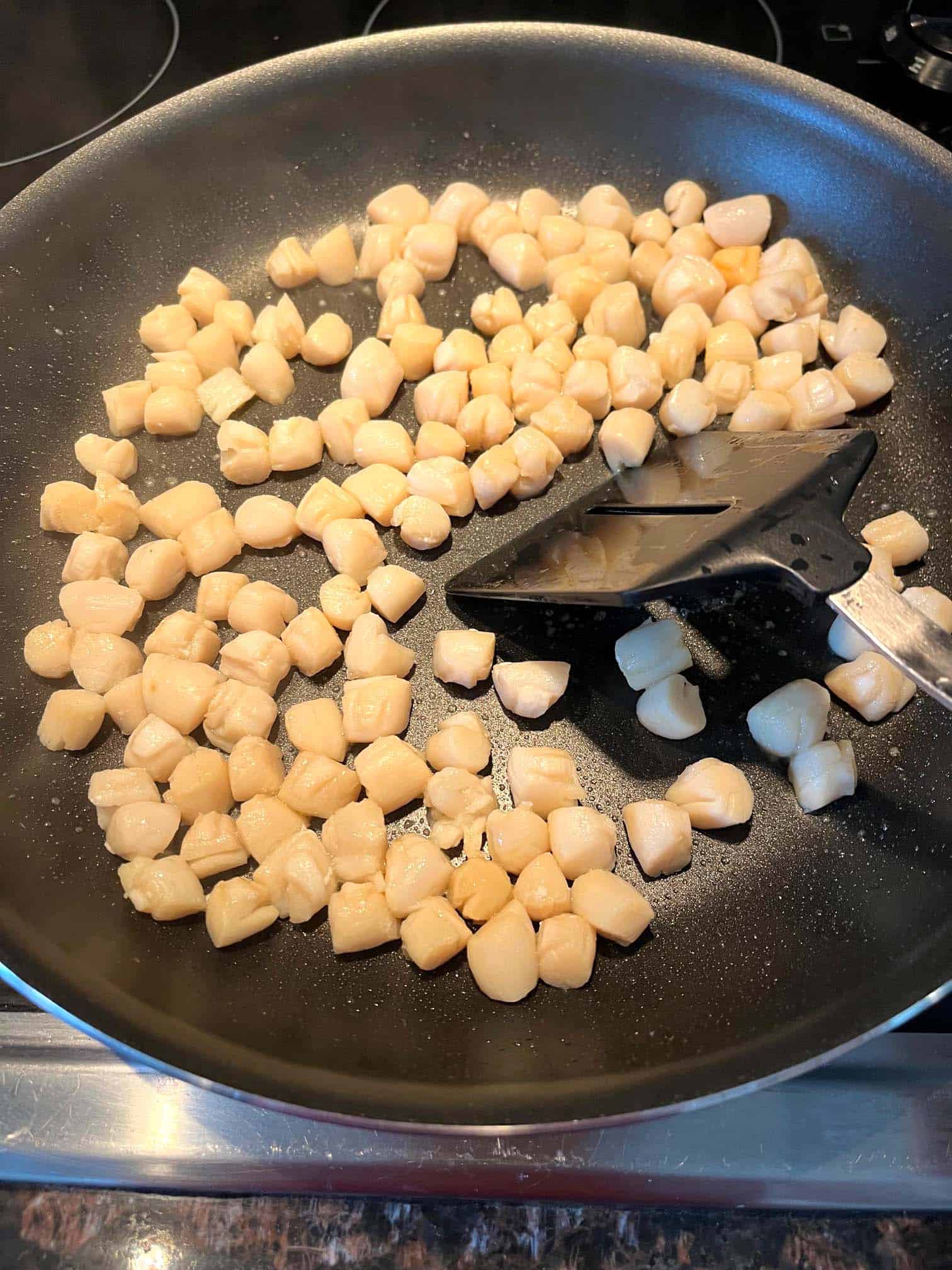
Putting too many scallops in the pan lowers the temperature. This stops them from getting a nice, golden crust. Cook scallops in small batches for best results. Give each scallop enough space to sear properly.
Insufficient Drying
Wet scallops won’t brown well. Moisture creates steam, which prevents a crispy outside. Pat scallops dry with paper towels before cooking. This step helps form a perfect sear.
Undercooking Or Overcooking
Scallops cook quickly and need close attention. Undercooked scallops feel mushy and raw inside. Overcooked scallops turn rubbery and tough. Cook each side for about 1-2 minutes until golden and firm.
Credit: www.melaniecooks.com
Enhancing Flavor And Presentation
Enhancing the flavor and presentation of scallops makes your dish more enjoyable. Simple touches can bring out the best taste and look. Bright colors and rich aromas invite everyone to dig in.
Finishing With Butter And Herbs
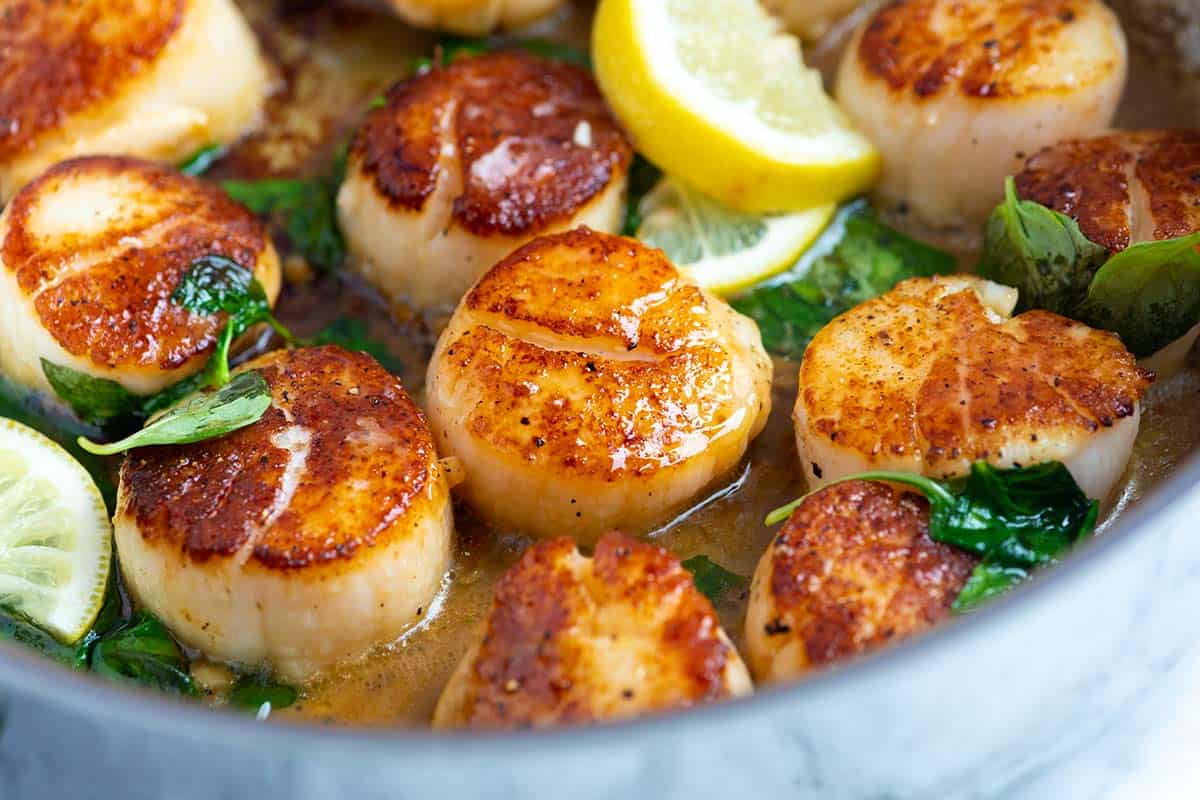
After cooking, add a pat of butter to the pan. Let it melt slowly over the scallops. Sprinkle fresh herbs like parsley, thyme, or chives on top. The butter adds richness, while herbs give a fresh, green aroma. Spoon the butter over scallops for extra flavor.
Serving Suggestions
Place scallops on a warm plate to keep them hot. Arrange them neatly, not crowded. Garnish with a lemon wedge for a touch of color and zest. A light drizzle of olive oil or a dash of sea salt enhances taste and appearance.
Pairing With Side Dishes
Choose sides that balance the delicate scallop flavor. Steamed vegetables like asparagus or green beans work well. Creamy mashed potatoes or a simple rice pilaf add texture. A fresh salad with vinaigrette offers a crisp contrast. Keep sides light to let scallops shine.
Frequently Asked Questions
How Long To Cook Scallops In A Frying Pan?
Cook scallops for 2-3 minutes per side over medium-high heat. They should develop a golden crust and remain tender inside. Avoid overcooking to prevent rubbery texture. Perfectly cooked scallops are opaque and slightly firm to touch.
What Oil Is Best For Frying Scallops?
Use oils with high smoke points like avocado, grapeseed, or canola oil. These oils prevent burning and help achieve a crispy sear. Olive oil can be used but monitor heat to avoid smoking. Butter adds flavor but should be added later.
Should Scallops Be Dried Before Frying?
Yes, pat scallops dry with paper towels before cooking. Removing moisture ensures a better sear and prevents steaming. Dry scallops develop a golden crust quickly. This step is crucial for achieving the perfect texture and flavor.
Can Scallops Be Cooked Frozen In A Frying Pan?
It’s best to thaw scallops before frying for even cooking. Cooking frozen scallops directly can cause uneven texture and longer cooking time. Thaw in the refrigerator overnight or use cold water for quick thawing.
Conclusion
Cooking scallops in a frying pan is simple and quick. Use a hot pan and little oil for best results. Cook each side for about two minutes until golden brown. Do not overcrowd the pan to keep scallops seared well.
Serve immediately to enjoy their tender texture and fresh flavor. Try this easy method for a tasty seafood meal anytime. Practice a few times, and you will feel more confident. Cooking scallops this way brings great taste with little effort.
Give it a try and enjoy a delicious dish at home.

Hello, This is Annie Walker, a 38-year-old blogger, founder, and editor of Cookware Guider from NY, USA. I am a cookware fanatic and passionate cooker. I love to cook with different types of cooking appliances (example: all types of cookware, rice cookers, slow cookers, etc) almost every day in my kitchen. I love to share my experience with my readers in my blog. Also, I enjoy helping people to solve their problems through my website. You can follow me on Twitter & Pinterest. To know details about my blog please check the about us page.