
If you’ve ever wondered how to get that perfect crispy, golden chicken right at home, you’re in the right place. Frying chicken in a pan with oil might sound simple, but there are secrets that can make a huge difference in taste and texture.
Imagine biting into juicy chicken with a crunchy crust that makes your mouth water every time. In this guide, you’ll learn step-by-step how to master this skill easily, even if you’re new to cooking. Ready to impress your family and friends with delicious homemade fried chicken?
Keep reading, because the best tips and tricks are just ahead.
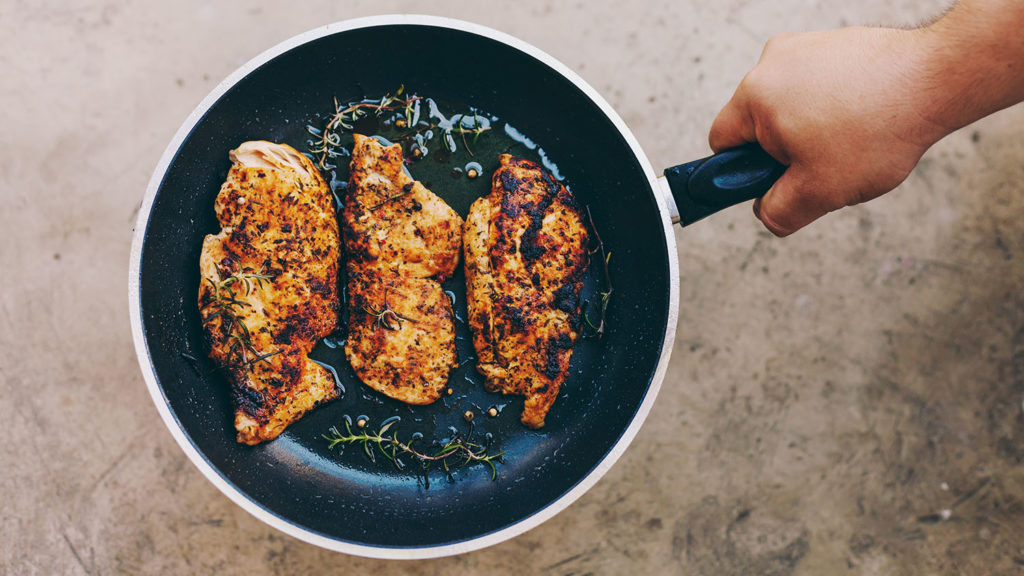
Credit: www.spectrumorganics.com
Choosing The Right Chicken Cuts
Choosing the right chicken cuts is important for frying in a pan with oil. Different cuts cook at different speeds and give different textures. Picking the right pieces makes your fried chicken juicy and crispy.
Best Cuts For Frying
Chicken thighs and drumsticks are great for frying. They stay moist and have more flavor. Chicken breasts can dry out quickly but work well if cut into smaller pieces. Wings are also good for frying and get very crispy. Avoid very large pieces to ensure even cooking.
Preparing Chicken Pieces
Pat the chicken dry before frying. This helps the oil crisp the outside. Cut the chicken into even-sized pieces. This lets them cook at the same time. Season the chicken well for better taste. Let the pieces rest for a few minutes before frying.

Credit: www.youtube.com
Selecting The Oil
Selecting the right oil is key to frying chicken perfectly in a pan. The oil affects taste, texture, and cooking time. Using the wrong oil can cause burning or off flavors. Choose oils that handle heat well and blend with the chicken’s flavor. Let’s explore the best options for frying chicken at home.
Types Of Oil For Frying
Vegetable oil is popular for frying chicken. It has a neutral taste and heats evenly. Canola oil works well too. It is light and healthy. Peanut oil is another good choice. It adds a slight nutty flavor. Olive oil is tasty but not best for high heat frying. Sunflower oil also fits frying due to its mild taste. Choose oils you like and that suit your recipe.
Oil Smoke Points
Smoke point means the temperature oil starts to burn and smoke. Oils with high smoke points are safer for frying. They keep the oil stable and prevent bad tastes. Peanut oil has a smoke point around 450°F (232°C). Vegetable and canola oils have smoke points near 400°F (204°C). Olive oil smoke point varies, often lower than 375°F (190°C). Use oils with smoke points above 375°F for frying chicken.
Preparing The Chicken
Preparing the chicken is the key to tasty fried chicken. Start by selecting fresh pieces. Clean the chicken well under cold water. Pat dry with paper towels to remove extra moisture. This helps the oil cook the chicken evenly. Next, prepare the chicken with the right flavors. This step makes a big difference in taste and texture.
Marinating Tips
Marinate the chicken to keep it juicy and soft. Use buttermilk or yogurt as a base. These ingredients help tenderize the meat. Add a bit of salt and lemon juice for flavor. Let the chicken soak for at least 30 minutes. For best results, marinate overnight in the fridge. Remember to cover the bowl to keep the chicken fresh.
Seasoning For Flavor
Seasoning is important for delicious fried chicken. Use simple spices like salt, pepper, and garlic powder. Paprika adds a nice color and mild heat. Mix your spices well before applying. Rub the seasoning all over the chicken pieces. Coat every side evenly. Good seasoning creates a tasty, crispy crust during frying.
:max_bytes(150000):strip_icc()/Super-crispy-pan-fried-chicken-FT-RECIPE0424-a68ea095e01546e6975327efca99e872.jpg)
Credit: www.foodandwine.com
Coating Techniques
Coating chicken before frying is key for a tasty and crunchy result. The coating holds the moisture inside the chicken and gives a nice texture outside. Different coatings create different flavors and crunch levels. Choose the right coating to match your taste and frying style.
Flour And Batter Options
Flour is the most common coating for fried chicken. Plain flour or seasoned flour works well. Seasoned flour includes salt, pepper, and spices for extra flavor. Some use cornmeal mixed with flour for a crunchier texture. Batter is another option. It is a thick liquid made of flour, water, or milk. Batter coats the chicken evenly and creates a smooth crust. But batter takes longer to cook than flour.
Achieving A Crispy Crust
To get a crispy crust, dry the chicken before coating. Moisture stops the coating from sticking well. Press the flour or batter gently onto the chicken. Don’t overcrowd the pan while frying. This keeps the oil temperature steady. Hot oil cooks the coating fast and makes it crisp. Flip the chicken only once to keep the crust intact. Drain fried chicken on paper towels to remove extra oil.
Frying Process
Frying chicken in a pan with oil is a simple process. It creates a crispy outside and juicy inside. Paying attention to the frying steps makes a big difference in taste and texture. Here is how to fry chicken perfectly.
Heating The Oil
Start by pouring enough oil into the pan. The oil should cover the chicken halfway. Heat the oil on medium heat. Wait until the oil reaches about 350°F (175°C). You can test by dropping a small piece of bread in. If it bubbles and turns golden, the oil is ready.
Frying Time And Temperature
Place the chicken pieces in the hot oil carefully. Fry the chicken on medium heat. Keep the temperature steady around 320°F to 350°F. Fry small batches to avoid crowding the pan. Cook each side for 6 to 8 minutes. Larger pieces may take longer to cook through.
Turning The Chicken
Turn the chicken pieces with tongs or a spatula. Flip them gently to avoid breaking the crust. Turn the chicken every few minutes. This helps cook the chicken evenly. Look for a golden brown color on each side. Remove the chicken when it is crispy and cooked inside.
Checking Doneness
Checking doneness is a key step in frying chicken in a pan with oil. It ensures the chicken is safe to eat and juicy inside. Overcooked chicken becomes dry, while undercooked chicken can be unsafe. Use simple methods to check if your chicken is perfectly cooked.
Internal Temperature Guide
Use a meat thermometer to check the chicken’s temperature. Insert it into the thickest part without touching the bone. The safe temperature for cooked chicken is 165°F (75°C). At this temperature, harmful bacteria are killed. Always check multiple pieces if frying several chicken parts.
Visual And Texture Cues
Cut the chicken to see the inside color. The meat should be white or light pink, not red or raw-looking. Juices must run clear, not pink or bloody. Press the chicken with a fork or finger; it should feel firm, not soft or rubbery. These signs help confirm doneness without tools.
Draining And Resting
Draining and resting are important steps after frying chicken in a pan with oil. These steps help keep the chicken crispy and juicy. Proper draining removes extra oil, making the chicken less greasy. Resting lets the juices settle inside the meat. This makes every bite tender and flavorful.
Removing Excess Oil
Use a slotted spoon or tongs to lift the chicken from the pan. Place the chicken on a plate lined with paper towels. The paper towels soak up extra oil. Avoid stacking the chicken pieces to keep them crispy. Let the chicken sit for a few minutes to drain well.
Resting For Juiciness
Let the chicken rest on a wire rack or plate for 5 to 10 minutes. Resting allows juices to spread inside the meat evenly. Cutting the chicken too soon can cause juices to leak out. Rested chicken tastes moist and tender. This step improves the overall flavor and texture.
Serving Suggestions
Serving fried chicken fresh from the pan makes the meal more enjoyable. Choosing the right sides and sauces can improve the taste and balance the flavors. Simple, tasty options work best to complement the crispy chicken.
Side Dishes To Pair
Crispy fried chicken goes well with many classic sides. Mashed potatoes with a little butter add creaminess. Coleslaw offers a crunchy, refreshing contrast. Steamed vegetables keep the meal light and healthy. Corn on the cob brings a sweet, natural flavor. Rice or dinner rolls also make great, easy sides.
Sauces And Dips
Dips can make fried chicken even more delicious. Barbecue sauce adds smoky sweetness. Honey mustard brings a tangy, sweet taste. Ranch dressing cools down spicy chicken. Hot sauce gives a spicy kick. Simple ketchup or mayonnaise also works well for dipping.
Troubleshooting Common Issues
Frying chicken in a pan with oil seems simple, but problems often arise. Some common issues can ruin the texture and safety of your meal. Troubleshooting these problems helps improve your cooking results. Knowing how to avoid soggy chicken and prevent oil splatter makes frying easier and cleaner.
Avoiding Soggy Chicken
Soggy chicken happens when the coating does not crisp up properly. Too much moisture on the chicken surface causes this. Pat the chicken dry with paper towels before frying. Use a hot pan and enough oil to cover the bottom. Fry in small batches to keep the oil temperature steady. Let the chicken rest on a wire rack, not paper towels, after frying. This stops steam from making the coating soft.
Preventing Oil Splatter
Oil splatter can burn your skin and make a mess. Water causes oil to splatter, so dry chicken well before frying. Avoid overcrowding the pan, as this lowers the oil temperature and causes splatter. Use a deep pan or a splatter screen to keep oil contained. Lower the chicken gently into the oil to reduce splashing. Keep a lid nearby in case splatter gets out of control.
Frequently Asked Questions
How Much Oil Is Needed To Fry Chicken In A Pan?
Use enough oil to cover the chicken halfway. Typically, 1/2 to 1 cup of oil works well. This allows even cooking and a crispy crust without deep frying.
What Is The Best Oil For Pan Frying Chicken?
Choose oils with a high smoke point like vegetable, canola, or peanut oil. These oils withstand heat and keep chicken crispy without burning or smoking.
How Long Should I Fry Chicken Pieces In A Pan?
Fry chicken pieces for about 6-8 minutes per side. Cooking time depends on size and thickness. Ensure internal temperature reaches 165°F (74°C).
Should I Cover The Pan When Frying Chicken?
No, keep the pan uncovered. Covering traps steam, making chicken soggy. Frying uncovered helps maintain a crispy outer layer.
Conclusion
Frying chicken in a pan with oil is simple and quick. Use enough oil to cover the chicken halfway. Keep the oil hot but not smoking. Turn the chicken often for even cooking. Cook until the outside is golden and the inside is fully done.
Let the chicken rest before serving. This method gives crispy, juicy chicken every time. Enjoy your meal with confidence and ease. Practice makes perfect. Try different spices to find your favorite flavor. Cooking at home saves money and tastes great.

Hello, This is Annie Walker, a 38-year-old blogger, founder, and editor of Cookware Guider from NY, USA. I am a cookware fanatic and passionate cooker. I love to cook with different types of cooking appliances (example: all types of cookware, rice cookers, slow cookers, etc) almost every day in my kitchen. I love to share my experience with my readers in my blog. Also, I enjoy helping people to solve their problems through my website. You can follow me on Twitter & Pinterest. To know details about my blog please check the about us page.