
Have you ever wondered what makes a skillet frying pan different from other pans in your kitchen? If you’re looking to cook meals that are crispy on the outside and tender on the inside, understanding this essential tool can change the way you cook forever.
Whether you’re a beginner or someone who loves experimenting with flavors, knowing what a skillet frying pan is and how it works will help you get the best results every time. Keep reading, and you’ll discover why this pan deserves a special place in your cookware collection.
Credit: madeincookware.com
Skillet Frying Pan Basics
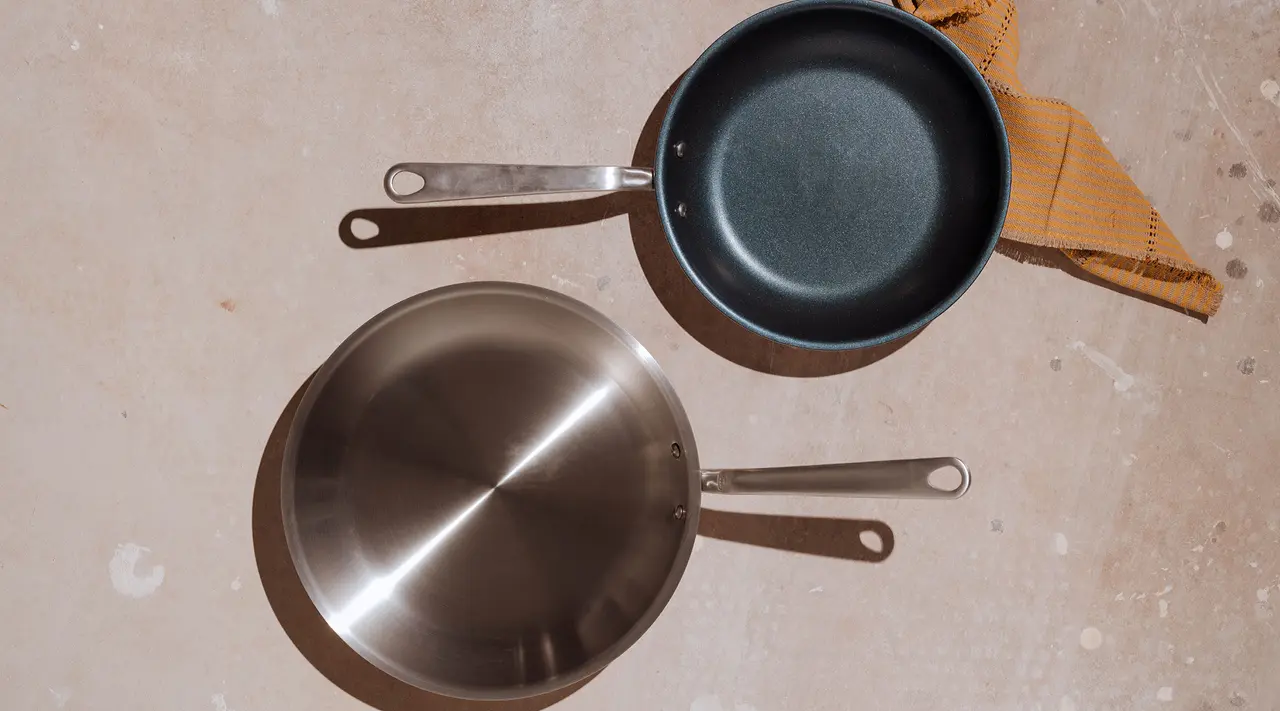
A skillet frying pan is a kitchen tool used every day by many cooks. It is a flat-bottomed pan with low sides. This design helps cook food evenly and quickly. Skillets are great for frying, searing, and sautéing.
This pan type is easy to handle and works on most stovetops. Its versatility makes it a staple in homes and restaurants. Understanding the basics helps choose the right skillet for your kitchen.
Key Features
Skillets have a flat cooking surface. Their sides are slightly curved and low. This shape helps flip and stir food easily. Most skillets come with a long handle for safe grip. Some also have a small helper handle on the opposite side. The pan’s thickness affects heat distribution and retention. A good skillet heats evenly and keeps temperature steady.
Types Of Skillets
There are several skillet types. Cast iron skillets are heavy and hold heat well. Non-stick skillets are lighter and easy to clean. Stainless steel skillets are durable and good for browning food. Some skillets have ceramic coatings for a non-stick surface. Each type suits different cooking styles and needs.
Materials Used
Cast iron is popular for its heat retention and durability. It needs seasoning to keep food from sticking. Stainless steel resists rust and scratches. It can cook food at high temperatures. Aluminum skillets heat quickly but may warp over time. Some skillets combine materials for better performance. Understanding materials helps pick the right pan.

Credit: www.amazon.com
Benefits Of Using A Skillet
Using a skillet frying pan brings many benefits to your kitchen. It is a useful tool for cooking various meals. Skillets offer great control over heat and cooking time. They help make food tasty and well-cooked. Understanding these benefits shows why a skillet is a smart choice for cooking.
Even Heat Distribution
Skillets spread heat evenly across the surface. This helps food cook uniformly without hot spots. Even heat stops burning or undercooking in parts of your meal. It gives better results for frying, sautéing, and searing. You get consistent cooking every time.
Versatility In Cooking
Skillets work for many cooking methods. Use them for frying eggs, cooking meat, or making sauces. They can go on the stove or in the oven. This makes them perfect for different recipes and meals. One pan can handle many tasks in your kitchen.
Durability And Longevity
Skillets are made from strong materials like cast iron or stainless steel. They last for many years with proper care. The tough build resists scratches and dents. A good skillet stays useful even after heavy use. It is a long-term investment for your cooking needs.
Choosing The Right Skillet
Choosing the right skillet frying pan makes a big difference in cooking. The right pan fits your needs and kitchen style. This guide helps you pick the best skillet for your cooking habits. Consider size, material, and handle features carefully. Each factor affects how well the pan works and feels.
Size Considerations
Skillets come in many sizes. Small pans suit cooking for one or two people. Larger pans work better for families or meal prep. Think about the stove space and storage too. A 10-inch skillet is good for most tasks. Bigger skillets hold more food but weigh more.
Material Comparison
Skillets are made from various materials. Cast iron holds heat well and lasts long. Non-stick pans cook food easily with less oil. Stainless steel skillets are strong and resist rust. Each material changes cooking style and care needed. Choose one that fits your cooking method and cleaning habits.
Handle And Weight Factors
The handle affects how easy the pan is to use. Look for a sturdy, heat-resistant handle. Some pans have removable handles for storage. Weight matters too. Heavy pans hold heat but can be hard to lift. Light pans are easier to move but heat unevenly. Pick a skillet you can handle comfortably.
Caring For Your Skillet
Caring for your skillet frying pan helps it last longer and cook better. A good skillet can serve you for years with simple care steps. Clean it carefully, keep it seasoned, and store it right.
These small efforts keep your pan smooth and prevent rust. Let’s explore easy ways to care for your skillet.
Cleaning Tips
Clean your skillet right after use. Avoid using soap, as it can remove the seasoning. Use hot water and a soft brush or sponge instead. For stuck food, scrub gently with coarse salt. Dry the pan immediately with a towel. Never leave it wet. Water can cause rust quickly.
Seasoning Cast Iron
Seasoning protects your skillet and keeps food from sticking. After cleaning, apply a thin layer of cooking oil to the surface. Use vegetable oil or flaxseed oil for best results. Heat the pan in an oven at 350°F (175°C) for one hour. Let it cool inside the oven. Repeat this process regularly to maintain the non-stick surface.
Storage Suggestions
Store your skillet in a dry place. Avoid stacking heavy pots on it to protect the seasoning. Place a paper towel inside the pan to absorb moisture. Keep the lid off to allow air circulation. Proper storage stops rust and keeps your skillet ready to use.
Cooking Techniques With Skillets
Skillet frying pans are versatile tools in any kitchen. They work well for many cooking styles. These pans hold heat evenly. This feature makes them perfect for various cooking methods. Let’s explore how skillets enhance your cooking experience.
Searing And Browning
Searing locks flavors inside meats. Skillets reach high temperatures quickly. This helps create a crispy, brown crust. The crust adds taste and texture. Use a dry skillet for best results. Avoid moving the food too soon. Let it sit to form a crust.
Sautéing And Frying
Sautéing cooks food fast with little oil. Skillets spread heat evenly across the surface. This helps food cook uniformly. Frying uses more oil for a crispy finish. Skillets hold heat well for frying. Stir or flip food often for even cooking. Both techniques suit vegetables, meats, and more.
Baking And Roasting
Skillets are safe for oven use. This makes baking and roasting easy. They create a nice, even heat around food. Use skillets for cornbread, frittatas, or roasted vegetables. The heavy base helps develop a golden crust. Oven-safe skillets add flexibility to your cooking.

Credit: stahlkitchens.com
Popular Skillet Recipes
Skillet frying pans are perfect for many recipes. They cook food evenly and keep heat well. You can make breakfast, lunch, dinner, and even dessert in one pan. This saves time and reduces cleanup. Here are some popular skillet recipes you can try at home.
Breakfast Favorites
Skillets make great breakfast dishes. You can cook eggs, bacon, and sausage easily. Try a classic skillet scramble with veggies and cheese. Another favorite is a hash with potatoes and peppers. Pancakes and French toast also cook nicely in a well-seasoned skillet.
Hearty Main Dishes
Skillet frying pans handle big meals well. Try a chicken and vegetable stir-fry for a quick dinner. Sear steaks or pork chops to get a nice crust. You can also make one-pan pasta dishes or skillet lasagna. These meals are filling and simple to prepare.
Delicious Desserts
Skillets are great for sweet treats too. Bake a warm fruit cobbler with berries or apples. Try a skillet cookie, crispy on the edges and soft inside. You can even make a simple bread pudding with cinnamon and raisins. These desserts are easy and tasty.
Frequently Asked Questions
What Is The Primary Use Of A Skillet Frying Pan?
A skillet frying pan is mainly used for frying, searing, and browning foods. Its flat bottom and flared sides allow easy flipping and stirring. It’s versatile for cooking meats, vegetables, and eggs with even heat distribution.
How Is A Skillet Different From A Regular Frying Pan?
Skillets typically have thicker walls and heavier construction than regular frying pans. This design ensures better heat retention and even cooking. They often feature sloped sides, making them ideal for sautéing and frying without food spilling over.
What Materials Are Common For Skillet Frying Pans?
Cast iron, stainless steel, and non-stick coatings are common materials. Cast iron skillets hold heat well, while stainless steel offers durability. Non-stick skillets provide easy food release and simple cleaning, suitable for delicate foods.
Can I Use A Skillet Frying Pan On All Cooktops?
Most skillet frying pans work on gas, electric, and induction cooktops. Cast iron and stainless steel skillets are usually compatible with all cooktops. Always check the manufacturer’s instructions to ensure compatibility with your stove type.
Conclusion
A skillet frying pan is a useful tool in every kitchen. It cooks food evenly and works for many recipes. Made from different materials, it fits various cooking needs. Easy to clean and durable, it lasts a long time. Choosing the right skillet makes cooking simpler and more fun.
Try one to enjoy better meals and easy cooking. Simple, practical, and effective—this pan is a kitchen essential.

Hello, This is Annie Walker, a 38-year-old blogger, founder, and editor of Cookware Guider from NY, USA. I am a cookware fanatic and passionate cooker. I love to cook with different types of cooking appliances (example: all types of cookware, rice cookers, slow cookers, etc) almost every day in my kitchen. I love to share my experience with my readers in my blog. Also, I enjoy helping people to solve their problems through my website. You can follow me on Twitter & Pinterest. To know details about my blog please check the about us page.