
Choosing the right non-stick frying pan can change the way you cook every day. You want a pan that heats evenly, cleans easily, and lasts long without the food sticking to it.
But with so many options available, how do you know which one is truly good for your kitchen? This guide will help you understand what makes a non-stick frying pan worth your money and how to pick the perfect one for your cooking needs.
Keep reading to discover the key features you should look for and avoid common mistakes that can waste your time and money.
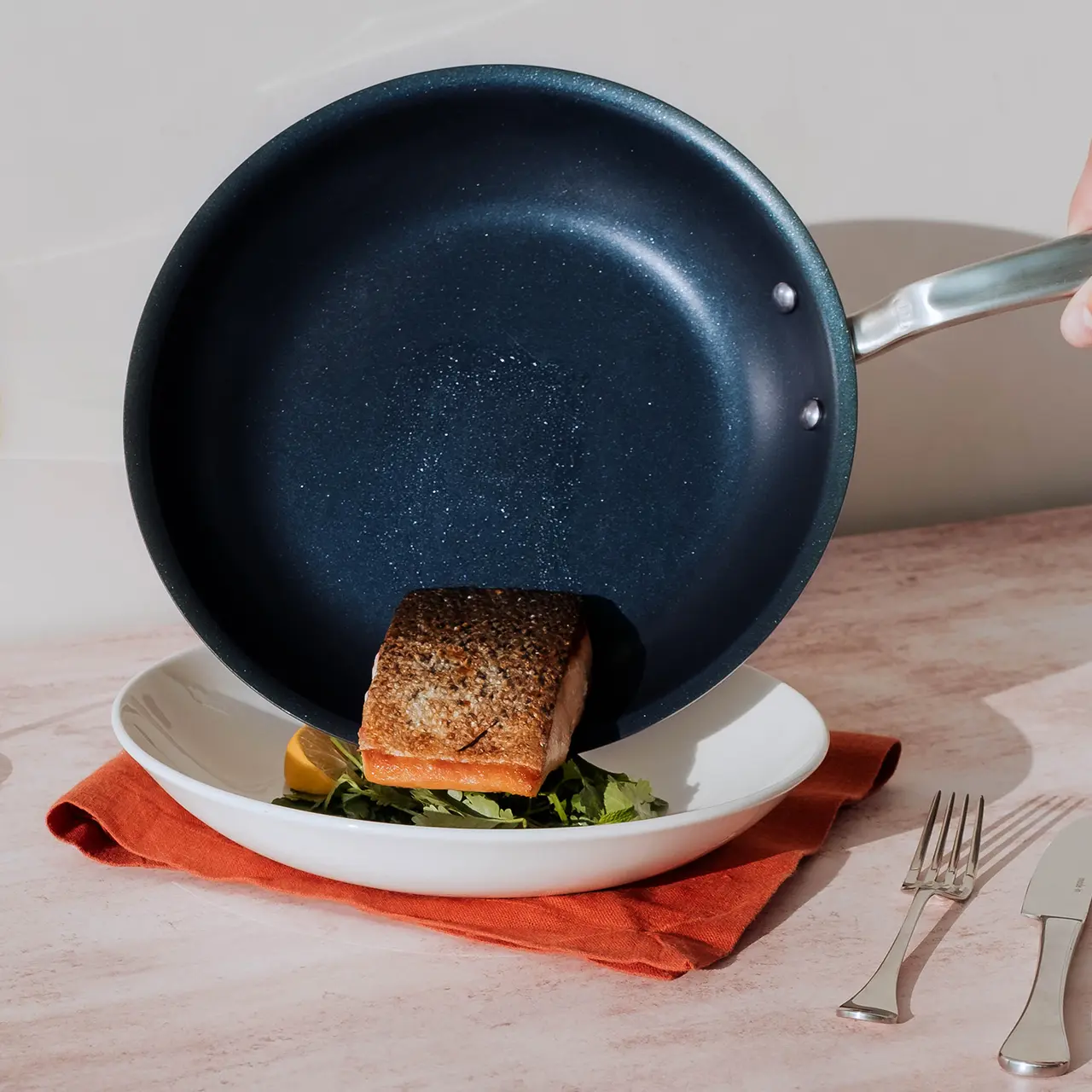
Credit: madeincookware.com
Key Features Of Non Stick Pans
Choosing a good non stick frying pan means knowing its key features. These features affect how well the pan cooks, how long it lasts, and how easy it is to clean. Understanding these features helps you pick the best pan for your kitchen needs.
Material Types
Non stick pans come in different materials like aluminum, stainless steel, and cast iron. Aluminum heats up quickly and spreads heat evenly. Stainless steel is strong but may not heat as evenly. Cast iron is heavy and keeps heat well but needs special care.
Coating Varieties
Coatings keep food from sticking to the pan. Common types include PTFE (like Teflon), ceramic, and anodized surfaces. PTFE coatings offer smooth release and easy cleaning. Ceramic coatings are free from chemicals and handle high heat. Anodized coatings are tough and resist scratches.
Heat Distribution
Good heat distribution means the pan heats evenly across the surface. This avoids hot spots that burn food. Aluminum pans usually provide excellent heat spread. Some pans have a special base or layer to improve heat flow. Even heating helps cook food perfectly every time.
Durability Factors
Durability depends on the coating quality and pan construction. Thick coatings last longer and resist scratches. Strong materials prevent warping and dents. Some pans have reinforced edges for extra strength. A durable pan stays useful and looks good for years.
Benefits Of Using Non Stick Pans
Non stick pans have become a popular choice for many kitchens. They offer many benefits that make cooking easier and healthier. Using a non stick pan can improve your daily cooking experience.
These pans reduce the need for oil and make cleaning simple. They also help cook food evenly and save time. Understanding these benefits helps you choose the right frying pan.
Healthier Cooking
Non stick pans require less oil or butter. This lowers fat and calorie content in meals. Food cooks evenly without sticking or burning. It helps keep nutrients intact for better health. Cooking with less oil is good for the heart.
Ease Of Cleaning
Food slides off easily from the pan’s surface. Cleaning takes less time and effort. Most non stick pans need only a soft sponge and mild soap. No scrubbing or soaking is usually needed. This convenience saves time in busy kitchens.
Cooking Efficiency
Non stick pans heat up quickly and distribute heat well. Food cooks faster with less risk of burning. You can cook delicate items like eggs or fish easily. The smooth surface helps flip and stir food gently. This makes cooking more enjoyable and efficient.
Choosing The Right Size And Shape
Choosing the right size and shape of a non-stick frying pan affects your cooking experience. It helps you cook food evenly and saves energy. Picking the right pan can make meal prep easier and more fun. Consider what you cook most often before selecting a pan.
Common Sizes Explained
Non-stick frying pans come in various sizes, usually measured in inches. Small pans, around 8 inches, are good for frying eggs or making small portions. Medium pans, about 10 inches, suit daily cooking for one or two people. Large pans, 12 inches or more, work well for families or when cooking big meals.
Choose a size that fits your stove and storage space. Think about how much food you cook at once. A pan too small can crowd food and cause uneven cooking. A pan too big may waste heat and energy.
Specialty Shapes For Different Dishes
Some non-stick pans come in shapes designed for specific dishes. A square pan helps make grilled sandwiches or bacon. A deep pan or skillet suits stews and dishes with sauce. A round pan is great for pancakes and omelets.
Specialty shapes can improve cooking results and make certain tasks easier. Match the pan shape to your favorite meals. This choice saves time and makes cooking more enjoyable.
Top Non Stick Pans On The Market
Choosing the best non stick frying pan can be tough. Many options exist, each with unique features and prices. This guide helps you find quality pans that fit your needs and budget. Below are top non stick pans on the market. They offer durability, ease of use, and great cooking results.
Best Budget Options
Budget pans offer great value without high costs. Look for pans with strong non stick coatings that last. Aluminum pans heat quickly and cook evenly. Some models include comfortable handles and dishwasher-safe designs. These pans suit everyday cooking and beginner chefs. They balance price and performance well.
Premium Picks
Premium pans provide excellent heat control and long-lasting coatings. Materials like hard-anodized aluminum add strength and durability. These pans often feature better scratch resistance and metal utensil safe surfaces. They heat evenly and require less oil for cooking. Ideal for serious cooks seeking quality and reliability.
Eco-friendly Choices
Eco-friendly pans use safer materials and less harmful coatings. Some brands avoid PFOA and PTFE chemicals. Recycled metals and sustainable production methods reduce environmental impact. These pans are safe for health and planet. They offer solid non stick performance with green benefits.
Care And Maintenance Tips
Proper care and maintenance keep your non-stick frying pan in top shape. It helps the pan last longer and cook better. Simple steps prevent damage and maintain the coating’s non-stick power.
Cleaning Techniques
Clean your pan after each use. Use warm water and mild dish soap. Avoid harsh scrubbers that can scratch the surface. A soft sponge or cloth works best. For stuck food, soak the pan first. Gently scrub with a non-abrasive pad. Never put a hot pan under cold water. This can warp the pan and ruin the coating.
Storage Advice
Store your frying pan carefully. Avoid stacking heavy pots on top. Use a soft cloth or paper towel between pans. This stops scratches and dents. Hang pans if possible to save space. Keep the pan dry to prevent rust on metal parts.
Extending Pan Lifespan
Use wooden or silicone utensils only. Metal tools can chip the non-stick layer. Cook on low to medium heat to protect the surface. Avoid overheating, which breaks down the coating. Season your pan occasionally with a little oil. This keeps the surface smooth and non-stick. Regular care makes your pan last for years.

Credit: www.bbcgoodfood.com
Common Mistakes To Avoid
Choosing a good non-stick frying pan is only part of the story. How you use and care for it matters a lot. Many people make simple mistakes that damage the pan’s surface. These errors shorten the pan’s life and reduce its non-stick power. Avoid these common mistakes to keep your pan working well for years.
Using Metal Utensils
Metal utensils can scratch and ruin the non-stick coating. Once scratched, food sticks easily and cleaning becomes hard. Use wooden, silicone, or plastic tools instead. These materials are gentle and protect the pan’s surface. Always handle your pan with care to keep it smooth and non-stick.
Overheating The Pan
Non-stick pans do not like high heat. Overheating damages the coating and can release harmful fumes. Cook on low or medium heat for best results. Wait for the pan to warm up slowly before adding food. Avoid heating an empty pan for too long to protect the surface.
Improper Cleaning Methods
Cleaning with abrasive pads or harsh cleaners can harm the coating. Use soft sponges and mild dish soap only. Avoid dishwasher use unless the pan is marked dishwasher safe. Dry the pan completely after washing. Proper cleaning keeps the surface intact and ensures long-lasting non-stick performance.
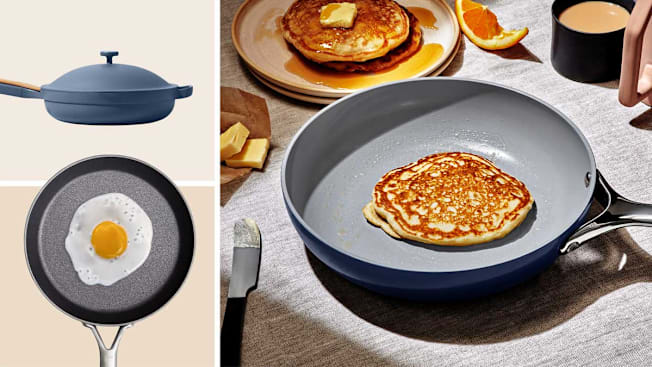
Credit: www.consumerreports.org
Frequently Asked Questions
What Features Define A Good Non Stick Frying Pan?
A good non stick frying pan has even heat distribution, durable coating, and comfortable handles. It should be scratch-resistant and easy to clean for long-lasting use.
How To Choose The Best Non Stick Frying Pan?
Select a pan with a reliable coating, suitable size, and sturdy base. Check for PFOA-free materials and compatibility with your stove type for safe cooking.
Can Non Stick Frying Pans Be Used On Induction Cooktops?
Yes, but only if the pan has a magnetic base. Verify the product details to ensure induction compatibility for efficient heating and performance.
How To Maintain A Non Stick Frying Pan Properly?
Use wooden or silicone utensils to prevent scratches. Avoid high heat and hand wash with mild detergent to preserve the coating and extend the pan’s lifespan.
Conclusion
A good non-stick frying pan makes cooking easier and cleaning quick. It should heat evenly and resist scratches well. Choose one with a comfortable handle and a size that fits your needs. Avoid pans with harmful chemicals for safer meals.
Taking care of the pan helps it last longer. Simple features can make a big difference in your kitchen. A quality non-stick frying pan saves time and effort every day.

Hello, This is Annie Walker, a 38-year-old blogger, founder, and editor of Cookware Guider from NY, USA. I am a cookware fanatic and passionate cooker. I love to cook with different types of cooking appliances (example: all types of cookware, rice cookers, slow cookers, etc) almost every day in my kitchen. I love to share my experience with my readers in my blog. Also, I enjoy helping people to solve their problems through my website. You can follow me on Twitter & Pinterest. To know details about my blog please check the about us page.