
Cooking rice might seem simple, but getting it just right can be tricky. You want fluffy, perfectly cooked grains every time—not mushy or burnt.
If you’ve ever struggled with sticky or uneven rice, you’re not alone. The good news is, with a few easy steps, you can master cooking rice like a pro. Keep reading, and you’ll discover simple tips and tricks that will change the way you cook rice forever.
Your meals will be tastier, and you’ll save time and stress in the kitchen. Ready to make perfect rice every time? Let’s dive in.
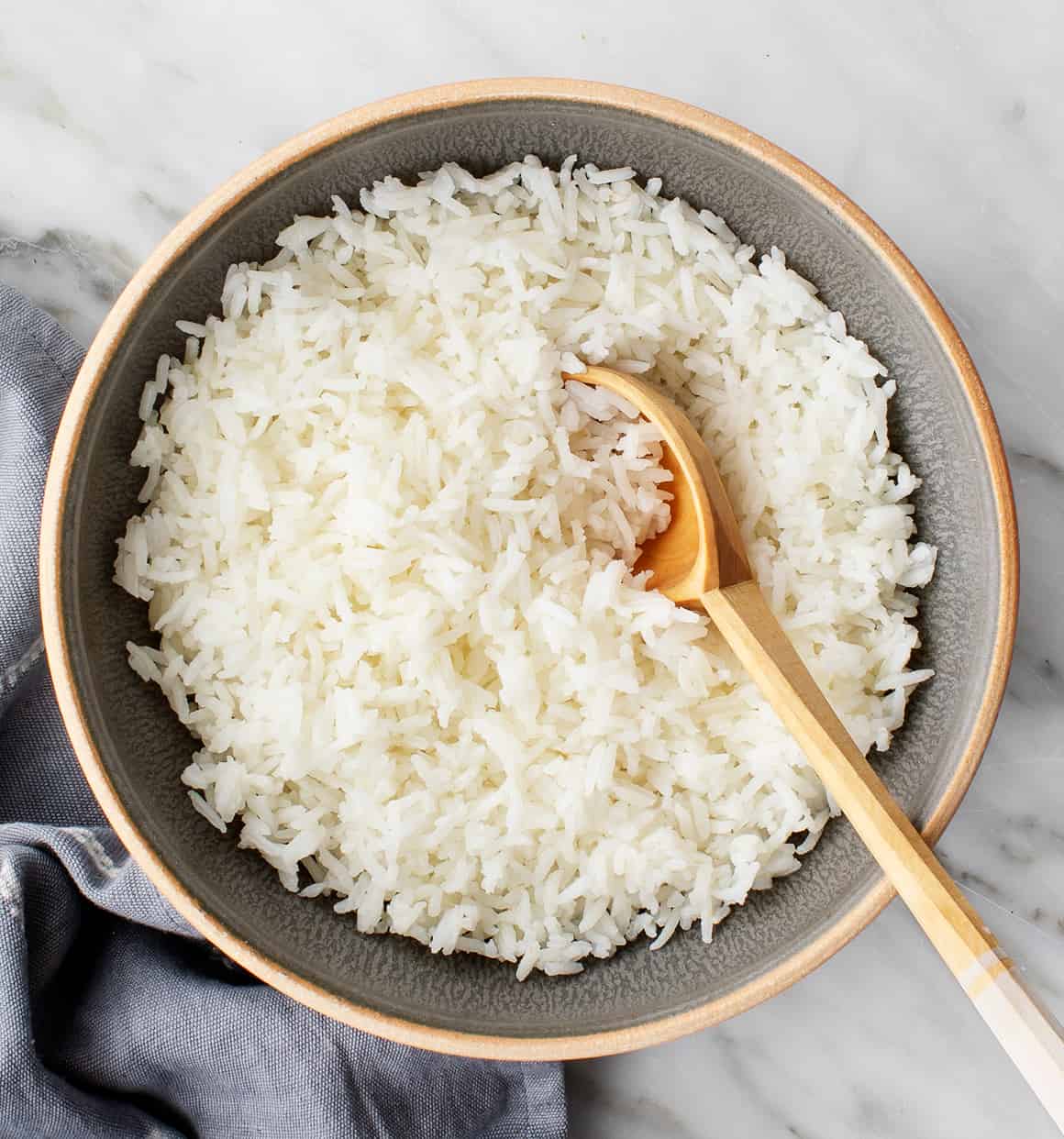
Credit: www.loveandlemons.com
Choosing Rice Types
Choosing the right type of rice is important for cooking a perfect dish. Rice comes in many varieties, each with unique texture, flavor, and cooking needs. Picking the best rice type affects how your meal tastes and feels. Some rices stay fluffy, while others become sticky or creamy. Understanding these differences helps you cook rice that suits your recipe and personal taste.
Long Grain Varieties
Long grain rice has slender, long kernels that stay separate and fluffy after cooking. It works well in dishes where you want each grain to be distinct. This type is popular in many cuisines and suits pilafs, salads, and side dishes.
- Basmati: Aromatic with a nutty flavor, ideal for Indian and Middle Eastern meals.
- Jasmine: Fragrant and slightly sticky, perfect for Thai and Southeast Asian dishes.
- American Long Grain: Mild flavor, often used in everyday cooking and casseroles.
Here is a quick comparison table of common long grain rice:
| Type | Texture | Flavor | Best For |
|---|---|---|---|
| Basmati | Fluffy and separate | Nutty and aromatic | Indian dishes, biryani |
| Jasmine | Soft and slightly sticky | Floral, fragrant | Thai food, stir-fries |
| American Long Grain | Firm and separate | Mild | Side dishes, casseroles |
Medium And Short Grain Options
Medium and short grain rice are plumper and stickier than long grain types. They hold together well, making them good for dishes requiring creamy or sticky rice. These rices absorb water differently and usually need less cooking time.
Common varieties include:
- Arborio: A medium grain rice that becomes creamy when cooked. Used in risotto.
- Sushi Rice: Short, sticky rice essential for sushi and Japanese dishes.
- Carnaroli: Similar to Arborio but creamier, often preferred for risotto.
Medium and short grain rice works well in these dishes:
- Risotto
- Sushi rolls
- Rice puddings
- Paella
Tips for cooking medium and short grain rice:
- Rinse well to remove excess starch.
- Use less water for firmer texture.
- Stir often for creamy dishes like risotto.
Specialty Rices
Specialty rices offer unique colors, flavors, and nutrients. They add variety and flair to meals. Some are whole grain, while others have distinct tastes or textures not found in common white rice.
Popular specialty rices include:
- Black Rice: Nutty flavor with a deep purple-black color. High in antioxidants.
- Red Rice: Earthy taste with a red husk. Contains more fiber and nutrients.
- Wild Rice: Not true rice but a grass seed. Has a chewy texture and smoky flavor.
Specialty rices suit these uses:
- Salads
- Side dishes with bold flavors
- Healthy meals with extra nutrients
Cooking specialty rice often requires:
- Longer soaking times
- More water and longer cooking times
- Draining excess water after cooking
Prepping Rice
Preparing rice correctly sets the foundation for a perfect meal. Prepping rice helps remove impurities and improves texture. Taking a few extra steps before cooking can make your rice fluffier and tastier. The two main parts of prepping are rinsing and soaking. Each plays a key role in the final dish. Understanding these methods boosts your cooking results.
Rinsing Techniques
Rinsing rice washes away dirt, dust, and excess starch. This step prevents rice from becoming sticky or gummy after cooking. Here are simple rinsing methods:
- Cold water rinse: Place rice in a bowl, fill with cold water, and stir gently with your hand.
- Drain and repeat: Pour out the cloudy water and refill with fresh water. Repeat 3 to 4 times until water is mostly clear.
- Strainer method: Use a fine mesh strainer. Rinse rice under running cold water while moving it gently.
Each method works well. The goal is to remove surface starch that can make rice sticky.
| Step | Action | Purpose |
|---|---|---|
| 1 | Place rice in bowl or strainer | Prepare for rinsing |
| 2 | Add cold water and stir | Loosen dirt and starch |
| 3 | Drain cloudy water | Remove starch and impurities |
| 4 | Repeat until water is clear | Ensure clean rice |
Rinsing improves texture and flavor. It also helps rice cook evenly.
Soaking Benefits
Soaking rice before cooking softens the grains and shortens cooking time. This step lets rice absorb water gradually, which helps it cook better. Here is why soaking is useful:
- Even cooking: Soaked rice cooks uniformly without hard spots.
- Softer texture: Water softens the grains, making rice tender.
- Reduced cooking time: Pre-absorbed water cuts down the time needed.
- Improved taste: Soaking can enhance flavor and aroma.
Soaking times vary by rice type. Here is a simple guide:
| Rice Type | Soaking Time |
|---|---|
| White rice | 15 to 30 minutes |
| Basmati rice | 30 to 60 minutes |
| Brown rice | 1 to 2 hours |
| Jasmine rice | 15 to 30 minutes |
To soak rice, place rinsed rice in a bowl and cover with water. Let it sit at room temperature for the recommended time. Drain before cooking.
Cooking Methods
Cooking rice is a simple task, but using the right method makes all the difference. Different cooking methods affect texture, taste, and time. Choosing the best method depends on your kitchen tools and how much time you have. This guide explains three popular ways to cook rice: stovetop, rice cooker, and microwave. Each method offers easy steps and tips for perfect rice every time.
Stovetop Cooking
Stovetop cooking is the classic method for making rice. It uses a pot and stove, making it easy to control the heat and water. This method works well for most types of rice, from white to brown. Follow these simple steps:
- Measure rice and water. Use 1 cup of rice to 2 cups of water for white rice. Brown rice needs a bit more water.
- Rinse the rice under cold water to remove excess starch. This helps prevent rice from being sticky.
- Boil water in a pot with a tight-fitting lid. Add the rice once the water boils.
- Lower the heat to a simmer and cover the pot. Let it cook without lifting the lid.
- Cook time varies: white rice takes 15-20 minutes, brown rice about 40-45 minutes.
Keep these tips in mind:
- Use a heavy pot to avoid burning.
- Do not stir rice while cooking; it breaks grains.
- Let rice rest off heat for 5-10 minutes before fluffing.
| Type of Rice | Water Ratio | Cooking Time |
|---|---|---|
| White Rice | 1 cup rice : 2 cups water | 15-20 minutes |
| Brown Rice | 1 cup rice : 2.5 cups water | 40-45 minutes |
| Jasmine Rice | 1 cup rice : 1.5 cups water | 15 minutes |
Rice Cooker Tips
Rice cookers simplify rice cooking with automated heat and timing. They work well for beginners and busy cooks. Just add rice and water, press start, and wait. Here are useful tips to get great results:
- Measure rice and water carefully. Most rice cookers come with a measuring cup and water level markings.
- Rinse rice before adding it to the cooker to improve texture.
- Use the right water ratio. Follow the cooker’s guide or use 1 cup rice to 1.5-2 cups water depending on rice type.
- Let rice rest inside the cooker for 10 minutes after cooking finishes. This helps fluff the rice.
- Clean the cooker regularly to avoid buildup and keep rice tasting fresh.
Most rice cookers have settings for different rice types:
White Rice: Standard setting Brown Rice: Longer cooking mode Quick Cook: For fast cooking, less fluffy rice Steam: For cooking vegetables or steaming riceUsing a rice cooker saves time and reduces guesswork. It also keeps rice warm for hours without drying it out.
Microwave Method
Microwaving rice is fast and convenient, especially when cooking small amounts. It requires just a microwave-safe bowl and a lid or plate. Steps for microwave cooking:
- Measure rice and water. Use 1 cup rice to 2 cups water.
- Rinse rice
- Place rice and water
- Cook on high
- Reduce power
- Let it rest
Tips for success:
- Use a large bowl to prevent water from boiling over.
- Cover the bowl with a microwave-safe lid or plate.
- Adjust cooking time based on microwave wattage.
- Check rice midway to avoid undercooking or burning.
| Step | Time | Power Level |
|---|---|---|
| Initial Cook | 10 minutes | High |
| Second Cook | 10-15 minutes | 50% |
| Rest | 5 minutes | Off |

Credit: www.recipetineats.com
Water To Rice Ratios
Water to rice ratios are the key to cooking perfect rice every time. The right amount of water helps rice cook evenly and reach the desired texture. Too much water makes rice mushy and sticky, while too little leaves it hard and undercooked. Different rice types and cooking methods require different water ratios. Knowing the correct ratio saves time and prevents waste.
Standard Ratios
The standard water to rice ratio depends on the type of rice used. Most rice types need a specific amount of water for proper cooking. Here are common ratios:
- White long-grain rice: 2 cups water for 1 cup rice
- White short-grain rice: 1.5 cups water for 1 cup rice
- Brown rice: 2.5 cups water for 1 cup rice
- Jasmine rice: 1.75 cups water for 1 cup rice
- Basmati rice: 1.5 cups water for 1 cup rice
| Rice Type | Water (cups) | Rice (cups) |
|---|---|---|
| White Long-Grain | 2 | 1 |
| White Short-Grain | 1.5 | 1 |
| Brown Rice | 2.5 | 1 |
| Jasmine | 1.75 | 1 |
| Basmati | 1.5 | 1 |
Use these ratios as a starting point. Measure rice and water carefully with the same cup. Rinse rice before cooking to remove excess starch. This helps rice cook more evenly.
Adjusting For Texture
Texture preferences vary. Some like fluffy rice, others prefer it sticky. Adjusting water changes rice texture easily. Use less water for firmer rice. Add more water for softer, stickier rice.
- Fluffy rice: Reduce water by 10-15% from the standard ratio.
- Sticky rice: Increase water by 10-20% from the standard ratio.
Different cooking methods affect water use. For example, rice cookers may need slightly less water due to sealed cooking. Stovetop cooking often requires a bit more water to prevent drying out.
Altitude and humidity also impact cooking. At higher altitudes, water evaporates faster, so add a little more water. In humid climates, use the basic ratio or slightly less water. Trial and error helps find the perfect balance.
Keep notes on each adjustment. Write down water amounts and rice type. This guides future cooking and improves results over time.
Seasoning And Flavoring
Seasoning and flavoring transform plain rice into a delicious dish. Rice is a blank canvas that soaks up tastes well. Simple water can be swapped for broth or spices to add depth. Small additions create big differences in flavor. This section explains easy ways to make rice taste amazing with seasoning and flavoring.
Using Broths And Spices
Replace water with broth to add rich flavor to rice. Chicken, beef, or vegetable broth works well. Broth adds salt and umami, making rice more savory without extra effort.
Try these spices for a flavor boost:
- Cumin: Adds a warm, earthy taste.
- Coriander: Offers a light citrus flavor.
- Turmeric: Gives a mild bitterness and bright color.
- Bay leaves: Impart a subtle herbal aroma.
- Black pepper: Adds gentle heat.
Use spices whole or ground. Whole spices release flavor slowly, ground ones give instant taste. Add spices at the start of cooking to let flavors infuse the rice.
| Broth Type | Best Pairing Spices | Flavor Profile |
|---|---|---|
| Chicken Broth | Cumin, Bay leaves, Black pepper | Savory, warm, aromatic |
| Beef Broth | Thyme, Rosemary, Garlic powder | Robust, earthy, rich |
| Vegetable Broth | Coriander, Turmeric, Paprika | Light, fresh, colorful |
Adding Herbs And Aromatics
Fresh herbs and aromatics bring rice to life with bright, fragrant notes. Add them near the end of cooking or as a garnish for best effect.
Common herbs to try:
- Cilantro: Adds freshness and a slight citrus taste.
- Parsley: Gives a clean, mild flavor.
- Basil: Brings a sweet and peppery aroma.
- Mint: Adds coolness and brightness.
Useful aromatics include:
- Garlic: Offers a strong, savory punch.
- Onion: Adds sweetness and depth.
- Ginger: Gives a spicy, warm flavor.
- Lemongrass: Adds citrusy brightness.
Saute aromatics in a little oil before adding rice and liquid. This step releases their flavors. Sprinkle fresh herbs over cooked rice to keep their vibrant taste.
Troubleshooting Common Issues
Cooking rice perfectly can be tricky. Many people face problems like mushy or undercooked rice. These issues can ruin a meal or waste ingredients. This section helps solve common rice cooking problems. Follow these tips to get fluffy, tasty rice every time.
Fixing Mushy Rice
Mushy rice happens when too much water cooks the rice or cooking time is too long. The grains stick together and lose their shape. Here’s how to fix mushy rice:
- Rinse the rice: Rinse rice before cooking to remove excess starch that makes rice sticky.
- Use the right water ratio: Use less water. A common ratio is 1 cup rice to 1.5 cups water for white rice.
- Cook on low heat: After boiling, reduce heat to low. Cover and simmer gently to avoid breaking grains.
- Drain excess water: If rice is mushy, drain extra water using a fine sieve and spread rice on a tray to dry.
- Fluff with a fork: Gently fluff rice to separate grains and release steam.
| Cause | Solution |
|---|---|
| Too much water | Reduce water amount, use correct ratio |
| Cooking too long | Lower heat, shorten cooking time |
| Not rinsed | Rinse rice before cooking |
Prevent mushy rice by measuring water and rice carefully. Use a timer and keep the lid closed. These small steps save your rice.
Avoiding Undercooked Rice
Undercooked rice is hard and crunchy. It tastes raw and can be difficult to chew. This happens when rice does not get enough water or cooking time. Try these tips to avoid undercooked rice:
- Use enough water: Make sure water covers the rice by about 1 inch before cooking.
- Keep the lid on: Do not lift the lid while cooking. It traps steam and cooks rice evenly.
- Cook long enough: Follow the recommended cooking time on the rice package or use a timer.
- Let it rest: After cooking, let rice sit covered for 5-10 minutes. This helps steam finish cooking the rice.
- Check rice texture: Taste a small amount before turning off the heat. If hard, add a little hot water and cook a few more minutes.
| Cause | Solution |
|---|---|
| Too little water | Add more water and cook longer |
| Cooking time too short | Increase cooking time |
| Lid lifted during cooking | Keep lid closed |
Use a timer to avoid guessing cooking time. Check rice at the end and add water if needed. These steps ensure soft, fully cooked rice.
Serving Suggestions
Rice is a simple and versatile food that complements many meals. Knowing how to serve it can make your dishes tastier and more enjoyable. Serving rice the right way enhances the flavors of your entire meal. Here are some ideas to help you serve rice with style and taste.
Pairing With Dishes
Rice works well with many types of dishes. It can be a base or a side that balances strong flavors and spices. Pairing rice with the right foods brings out the best in both.
- Asian Cuisine: Serve plain steamed rice with stir-fries, curries, or sushi for a traditional touch.
- Latin American Dishes: Try rice with beans, grilled meats, or spicy salsas to add texture and taste.
- Middle Eastern Food: Pair rice with kebabs, falafel, or creamy dips like hummus for a rich meal.
- Soups and Stews: Add cooked rice to soups or serve it on the side to make the meal more filling.
Here is a quick table showing common rice pairings:
| Dish Type | Recommended Rice Style | Examples |
|---|---|---|
| Asian | Steamed or Jasmine Rice | Chicken stir-fry, Thai curry |
| Latin American | Flavored or Spanish Rice | Beans, grilled steak |
| Middle Eastern | Long Grain or Basmati Rice | Kebabs, falafel |
| Soups & Stews | White or Brown Rice | Chicken soup, beef stew |
Creative Rice Recipes
Rice is not just a side dish. It can be the star of creative and tasty recipes. Use rice to make meals that are simple but exciting.
Try these ideas to enjoy rice in new ways:
- Fried Rice: Use leftover rice to make a quick dish with vegetables, eggs, and soy sauce.
- Rice Salad: Mix cooked rice with fresh veggies, herbs, and a light dressing for a cool salad.
- Rice Pudding: Cook rice with milk, sugar, and cinnamon to make a sweet dessert.
- Stuffed Peppers: Combine rice with ground meat and spices, then bake inside bell peppers.
Here is a simple recipe for fried rice:
Ingredients: - 2 cups cooked rice - 1 cup mixed vegetables - 2 eggs, beaten - 2 tbsp soy sauce - 1 tbsp oil Instructions: 1. Heat oil in a pan. 2. Add vegetables and cook until soft. 3. Push vegetables to the side; pour eggs and scramble. 4. Add rice and soy sauce; stir well. 5. Cook for 5 minutes; serve hot. :max_bytes(150000):strip_icc()/bake-perfectly-cooked-oven-rice-995968-FINAL-d3c62bef307e41bfba1a0893d5a432d1.png)
Credit: www.thespruceeats.com
Frequently Asked Questions
How Much Water Is Needed To Cook Rice?
Use a 2:1 water-to-rice ratio for most white rice types. For example, two cups of water per one cup of rice. Adjust slightly for brown or wild rice, which may require more water and longer cooking times.
What Is The Best Pot To Cook Rice?
A heavy-bottomed pot with a tight-fitting lid is ideal for cooking rice. It ensures even heat distribution and prevents moisture loss. This helps the rice cook evenly without burning or sticking to the bottom.
How Long Does It Take To Cook Rice?
White rice typically cooks in 15-20 minutes. Brown rice requires about 40-45 minutes. Cooking times vary based on rice type and method, so always check for tenderness before removing from heat.
Can I Cook Rice Without Rinsing It?
Rinsing rice removes excess starch and prevents it from becoming sticky. However, some recipes may call for unrinsed rice to achieve a creamier texture. Rinse when you want fluffier, separated grains.
Conclusion
Cooking rice is simple with the right steps. Rinse the rice to remove extra starch. Use the right water-to-rice ratio for fluffiness. Cook on low heat and let it rest. These tips help you make perfect rice every time. Enjoy your meal with confidence and ease.
Practice a few times to find what works best for you. Rice is a great base for many dishes. Keep these easy steps in mind and cook rice like a pro.

Hello, This is Annie Walker, a 38-year-old blogger, founder, and editor of Cookware Guider from NY, USA. I am a cookware fanatic and passionate cooker. I love to cook with different types of cooking appliances (example: all types of cookware, rice cookers, slow cookers, etc) almost every day in my kitchen. I love to share my experience with my readers in my blog. Also, I enjoy helping people to solve their problems through my website. You can follow me on Twitter & Pinterest. To know details about my blog please check the about us page.