
Are you tired of uneven, sticky, or burnt rice? What if you could make perfect rice every single time with almost no effort?
Using a rice cooker is the secret to hassle-free, fluffy rice that complements any meal. Whether you’re a beginner or just haven’t unlocked all the tricks, this guide will show you exactly how to use your rice cooker like a pro.
Keep reading, and you’ll discover simple steps and insider tips that will change the way you cook rice forever. Your kitchen routine is about to get a whole lot easier—and tastier.

Credit: instantpot.co.uk
Choosing The Right Rice Cooker
Choosing the right rice cooker is key to making perfect rice every time. The right cooker saves time and effort. It fits your needs and kitchen space. Understanding different types and features helps you pick the best one. Here is what you should know.
Types Of Rice Cookers
Basic rice cookers use simple heating plates. They turn off or switch to warm mode once rice is done. Fuzzy logic rice cookers adjust temperature and cooking time. They cook rice more evenly. Micom rice cookers have micro-computer chips. These chips control cooking precisely. Induction heating rice cookers heat rice directly. They cook faster and keep rice warm longer.
Capacity Considerations
Rice cookers come in different sizes. Small cookers hold about 3 cups of uncooked rice. Perfect for singles or couples. Medium cookers hold 5 to 6 cups. Good for small families. Large cookers hold 8 cups or more. Best for big families or gatherings. Choose a size that matches your usual rice needs. Avoid buying a cooker too big or too small.
Additional Features To Look For
Some rice cookers have timers. Timers let you set cooking to start later. Keep warm functions keep rice fresh for hours. Non-stick inner pots make cleaning easy. Some models offer cooking modes for different rice types. Look for easy-to-use controls and clear displays. Choose a rice cooker that fits your cooking style.
Selecting The Best Rice
Selecting the best rice is key to perfect results with your rice cooker. Rice comes in many types, each with unique texture and flavor. Choosing the right rice helps your dish taste just right and cook evenly. Understanding different rice varieties can improve your cooking experience.
Common Rice Varieties
White rice is the most common and cooks quickly. Brown rice keeps its bran layer, offering more nutrients and a chewier texture. Jasmine rice has a floral aroma and soft texture, popular in Thai dishes. Basmati rice has a nutty flavor and long grains, great for Indian meals. Sushi rice is short-grain and sticky, ideal for sushi and Asian recipes.
How Rice Type Affects Cooking
Each rice type needs a different water amount and cooking time. White rice usually cooks faster and requires less water. Brown rice needs more water and extra time due to its bran layer. Sticky rice sticks together well, while long-grain rice stays separate. Adjust water and cooking time based on your rice choice for best results.
Storing Rice Properly
Store rice in a cool, dry place to keep it fresh. Use an airtight container to protect rice from moisture and pests. Avoid keeping rice near heat or sunlight, which can spoil it faster. Proper storage helps keep rice tasty and safe for months. Check rice for any bugs or bad smell before cooking.
Preparing Rice For Cooking
Preparing rice before cooking is an important step for perfect results. It affects the texture and taste of the rice. Taking time to prepare rice properly helps avoid clumps and uneven cooking.
Simple steps like measuring, washing, and soaking can make a big difference. Each step ensures the rice cooks well in the rice cooker. Follow these tips for fluffy, tasty rice every time.
Measuring Rice Accurately
Use a standard measuring cup to measure rice. Most rice cookers come with a cup that holds about 3/4 cup of rice. Measure the rice you want to cook carefully. Too much or too little rice changes the water ratio and cooking time. Accurate measuring helps get the right texture and doneness.
Washing And Rinsing Rice
Rinse rice under cold water before cooking. Place rice in a bowl and cover with water. Swirl the rice gently with your hand. Pour out the cloudy water. Repeat rinsing two to three times until water runs clear. This removes excess starch and dirt. Clean rice cooks better and avoids stickiness.
Soaking Rice For Better Texture
Soak rice in water for 20 to 30 minutes before cooking. Use enough water to cover the rice. Soaking softens the grains and helps even cooking. It reduces cooking time and improves the rice texture. Drain the soaking water before adding fresh water for cooking.
Adding Water Correctly
Adding water correctly is key to perfect rice in a rice cooker. Too little water makes rice dry and hard. Too much water makes it mushy. Knowing the right amount of water helps you get fluffy, tasty rice every time.
Each type of rice needs a different amount of water. The rice cooker often shows marks inside the pot. These marks help measure water based on how much rice you use. Measuring water carefully means better results.
Water-to-rice Ratios
Use one cup of water for every cup of white rice. For brown rice, add one and a half cups of water per cup of rice. These ratios work well for most rice cookers. Adjust slightly if rice turns too dry or wet. Always rinse rice before cooking to remove extra starch.
Adjusting For Different Rice Types
Short-grain rice needs a little less water than long-grain rice. Jasmine and basmati rice usually use one cup of water per cup of rice. Sticky rice needs less water and extra soaking time. Wild rice requires almost double the water amount. Check your rice type before adding water.
Using Broth Or Flavoring Liquids
Replace water with broth to add flavor to your rice. Use the same liquid amount as water in recipes. Avoid salty broths to keep rice balanced. You can add spices or herbs to the liquid for more taste. This method cooks rice with added richness and aroma.
Operating The Rice Cooker
Operating a rice cooker is simple and saves time in the kitchen. It cooks rice evenly and keeps it warm until serving. Understanding how to start the cooking cycle and use special settings can improve your experience. Using the keep-warm function properly helps maintain rice texture and taste.
Starting The Cooking Cycle
Measure the rice and rinse it well. Add the right amount of water based on the rice type. Close the lid securely. Press the start button to begin cooking. The cooker will automatically switch off or beep when done. Avoid opening the lid during cooking to keep steam inside.
Using Special Settings
Most rice cookers have settings for different rice types. Choose white rice, brown rice, or quick cook as needed. Some models offer options for porridge or steaming vegetables. Select the setting that fits your recipe. These settings adjust time and temperature for best results.
Tips For Using The Keep-warm Function
Use keep-warm after cooking to keep rice hot. Avoid leaving rice on keep-warm for more than 12 hours. Stir the rice occasionally to prevent drying out. Turn off the function if rice gets too dry or hard. Keep-warm saves time but works best for short periods.
Finishing Touches
Finishing touches make your rice taste better and look great. These simple steps improve texture and flavor. They help you enjoy every bite.
Letting Rice Rest
After the rice cooker stops, leave the lid closed. Let the rice rest for 10 to 15 minutes. This step lets steam finish cooking the rice evenly. The rice becomes softer and less sticky. Avoid opening the lid too soon. It keeps moisture inside for perfect rice.
Fluffing Rice For Best Texture
Use a fork or rice paddle to fluff the rice gently. Fluffing separates the grains and releases trapped steam. It stops the rice from clumping together. Do not press down hard. Light fluffing keeps the rice light and airy. This step improves the texture and makes rice look appealing.
Adding Seasonings Or Mix-ins
Enhance your rice by adding seasonings or mix-ins after fluffing. Try salt, pepper, butter, or soy sauce for extra taste. You can also add cooked vegetables or herbs. Stir gently to mix flavors without breaking rice grains. This step makes your rice more exciting and delicious. Customize it to match your meal perfectly.
Cleaning And Maintenance
Keeping your rice cooker clean helps it last longer and work well. Regular cleaning stops smells and food from building up. Proper care also makes your rice taste better every time.
Cleaning The Inner Pot
Remove the inner pot after cooking. Wash it with warm water and mild soap. Use a soft sponge to avoid scratches. Rinse well to remove soap. Dry it with a clean cloth before placing it back.
Maintaining The Lid And Steam Vent
Take off the lid and steam vent if possible. Wash them with warm water and soap. Use a small brush to clean tiny holes in the vent. Dry all parts fully before reassembling. This keeps steam flowing freely and stops mold.
Preventing Residue Buildup
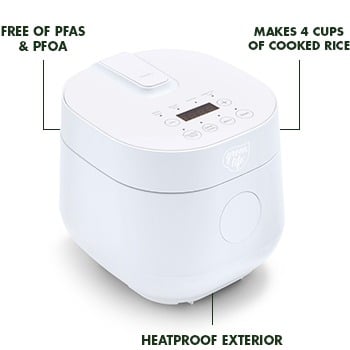
Wipe the rice cooker’s outside with a damp cloth. Avoid water entering electrical parts. Clean spills immediately to stop stains. Run a vinegar-water cycle once a month. This helps remove mineral deposits and keeps your cooker fresh.
Credit: www.greenpan.us
Troubleshooting Common Issues
Rice cookers make cooking rice easy and fast. Sometimes, problems happen. These problems can stop your rice from turning out right. This section helps fix common rice cooker issues. Follow these tips to get perfect rice every time.
Rice Too Sticky Or Mushy
Too much water causes sticky rice. Use less water next time. Rinse rice before cooking to remove extra starch. This stops clumps. Let rice rest after cooking. This lets steam finish the job.
Rice Undercooked Or Hard
Not enough water makes rice hard. Add more water for soft rice. Check the rice cooker settings. Use the correct mode for the rice type. Let the rice cook longer if needed.
Rice Cooker Not Turning On
Check if the cooker is plugged in well. Look for a power switch or button. Make sure the outlet works by testing another device. Clean the cooker’s inside to remove dust. If still not working, the cooker may need repair.
Credit: home.howstuffworks.com
Frequently Asked Questions
How Do I Measure Rice And Water For A Rice Cooker?
Use the rice cooker’s measuring cup for rice. Add water using the cooker’s water line or a 1:1. 5 ratio. Different rice types may need slight water adjustments. Always rinse rice before cooking for best results.
Can I Cook Other Grains In A Rice Cooker?
Yes, rice cookers can cook quinoa, barley, and oats. Adjust water amounts according to the grain type. Follow specific grain instructions for best texture. Experiment to find perfect settings for each grain.
How Do I Clean My Rice Cooker Properly?
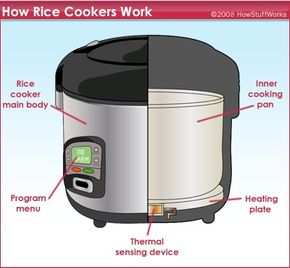
Unplug the cooker and let it cool. Remove the inner pot and wash with warm, soapy water. Wipe the exterior and heating plate with a damp cloth. Avoid immersing the main unit in water.
What Are Common Mistakes When Using A Rice Cooker?
Using wrong rice-to-water ratios causes poor texture. Not rinsing rice can leave starch residue. Opening the lid during cooking disrupts heat. Overfilling the cooker risks overflow and uneven cooking.
Conclusion
Using a rice cooker makes cooking rice simple and fast. Just add rice, water, and press start. It saves time and effort in the kitchen. You can cook different types of rice easily. Clean-up is quick, too. With these easy steps, anyone can enjoy perfect rice every time.
Give it a try and enjoy tasty meals with less fuss. Rice cookers are handy tools for busy homes. Cooking rice has never been this easy.

Hello, This is Annie Walker, a 38-year-old blogger, founder, and editor of Cookware Guider from NY, USA. I am a cookware fanatic and passionate cooker. I love to cook with different types of cooking appliances (example: all types of cookware, rice cookers, slow cookers, etc) almost every day in my kitchen. I love to share my experience with my readers in my blog. Also, I enjoy helping people to solve their problems through my website. You can follow me on Twitter & Pinterest. To know details about my blog please check the about us page.