
If you’ve ever struggled with rice noodles that turn mushy or stick together, you’re not alone. Cooking rice noodles just right can seem tricky, but once you know the simple steps, you’ll nail it every time.
Imagine enjoying perfectly tender, silky noodles in your favorite dishes—without any fuss. You’ll discover easy tips and tricks to cook rice noodles perfectly, so your meals taste just like they do at your favorite restaurant. Ready to master this essential skill?
Let’s get started.
Choosing The Right Rice Noodles
Choosing the right rice noodles is key to making a great dish. Different recipes need different types of noodles. Using the correct noodle gives the dish the right texture and flavor. It also helps the noodles cook well without breaking apart. Knowing the types of rice noodles and where to buy quality ones makes cooking easier and more enjoyable.
Types Of Rice Noodles
Rice noodles come in many shapes and sizes. Thin rice vermicelli is great for soups and salads. Flat, wide noodles work well in stir-fries. Some noodles are fresh, while others are dried. Fresh noodles cook quickly and taste soft. Dried noodles last longer but take more time to cook. Choose the type that fits your recipe and cooking style.
Where To Buy Quality Noodles
Asian grocery stores often have a wide selection of rice noodles. Look for noodles with few additives and no broken pieces. Check the packaging date for freshness. Online stores also offer many options with reviews. Buy from sellers who specialize in Asian food. Freshness and quality affect the taste and texture of your dish. Store noodles in a cool, dry place until use.

Credit: www.youtube.com
Preparing Rice Noodles For Cooking
Preparing rice noodles properly is key to a great dish. Rice noodles come in different shapes and thicknesses. Each type needs a little care before cooking.
Getting the noodles ready helps them cook evenly. It also prevents them from sticking together. The two main ways to prepare rice noodles are soaking and boiling. Choosing the right method depends on the noodle type and the recipe.
Soaking Vs Boiling
Soaking rice noodles softens them gently. Use warm or room temperature water for soaking. Thin noodles usually soak for 10 to 15 minutes. Thick noodles may need 30 minutes or more.
Boiling is a faster method. Bring water to a boil and add the noodles. Boil thin noodles for 1 to 2 minutes. Thicker noodles require 3 to 5 minutes. After boiling, drain the noodles quickly.
Soaking keeps noodles tender without cooking fully. Boiling starts the cooking process and softens noodles faster. Many recipes use soaking for stir-fries and boiling for soups.
Tips For Softening Noodles
Use cold water to stop noodles from overcooking after boiling. Rinse noodles under cold running water to remove extra starch. Toss noodles with a little oil to keep them separate.
Do not soak noodles too long or they become mushy. Check noodles often to reach the right softness. Drain noodles well to avoid watery dishes.
Handle rice noodles gently to prevent breaking. Use a wide bowl or pot for soaking. Stir noodles lightly during soaking or boiling to avoid clumps.
Cooking Rice Noodles Perfectly
Cooking rice noodles perfectly requires attention to detail. Rice noodles cook quickly and can become mushy if not handled right. Proper boiling, timing, and rinsing make all the difference. Follow these tips to get tender, chewy noodles every time.
Boiling Techniques
Use a large pot with plenty of water. Bring the water to a full boil before adding noodles. Stir gently to separate noodles and prevent sticking. Avoid overcrowding the pot to cook noodles evenly. Boil rice noodles for the time on the package, usually 3 to 5 minutes.
Avoiding Overcooking
Check noodles often for doneness. They should be soft but still firm to the bite. Remove noodles from heat as soon as they reach the right texture. Overcooked noodles become sticky and lose their shape. Timing is key to keep noodles perfect.
Draining And Rinsing
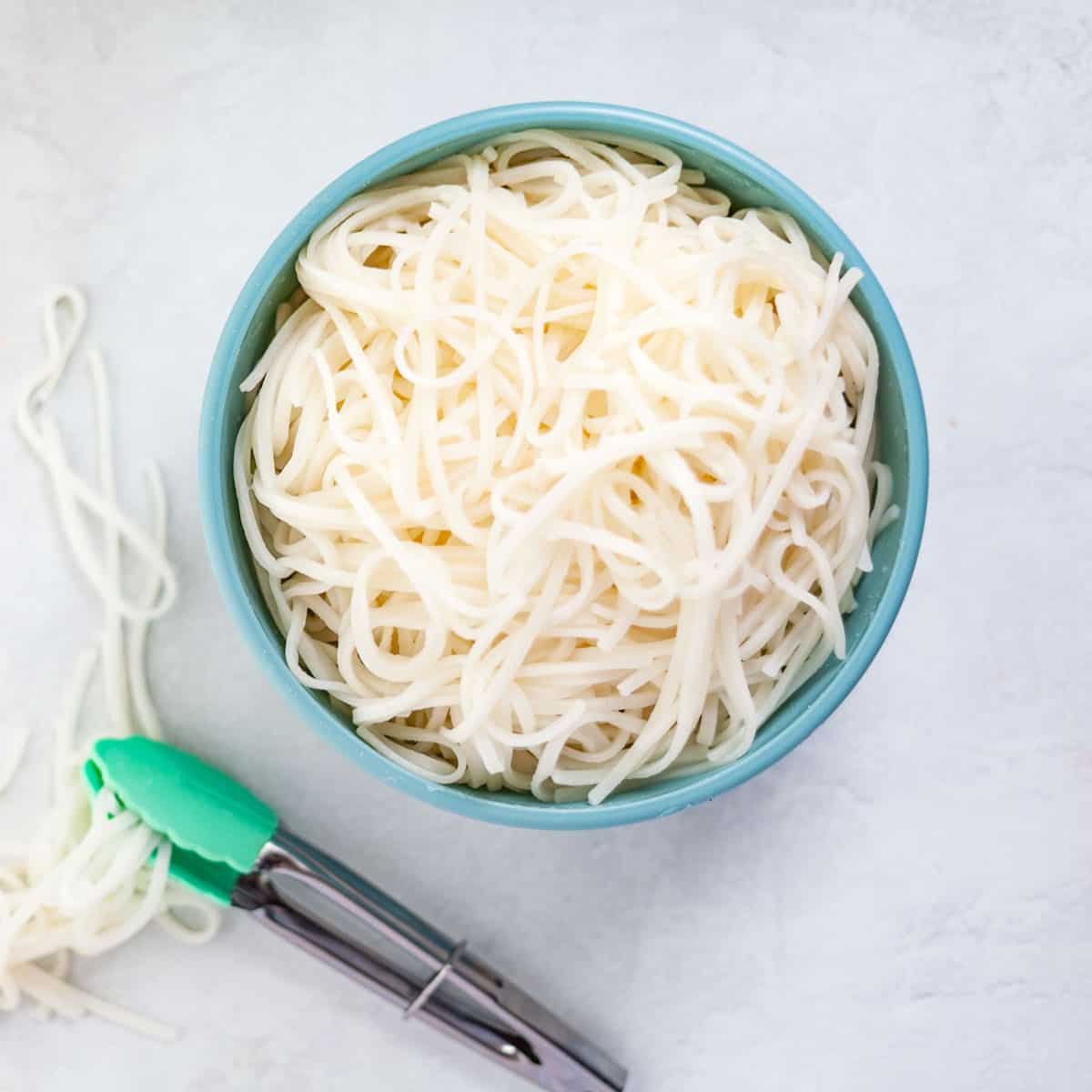
Drain noodles immediately using a colander. Rinse under cold running water to stop cooking. Rinsing removes excess starch and cools noodles quickly. Shake off extra water before using. This step keeps noodles from clumping together in dishes.
Credit: www.kitchenskip.com
Flavoring And Serving Ideas
Rice noodles offer a light, delicate base for many dishes. Adding flavor and choosing the right sides can turn them into a tasty meal. Flavoring rice noodles is simple and quick. You can create a variety of dishes by mixing sauces and fresh ingredients. Let’s explore easy ways to flavor and serve rice noodles.
Simple Sauces And Seasonings
Start with basic sauces like soy sauce or fish sauce. These add saltiness and depth. A splash of lime juice brings freshness and tang. Garlic and ginger provide warmth and aroma. Sprinkle crushed red pepper for some heat. Toss noodles with sesame oil for a nutty taste. Fresh herbs like cilantro or basil lift flavors instantly. These simple touches enhance noodles without overpowering.
Pairing With Proteins And Vegetables
Rice noodles pair well with many proteins. Grilled chicken or shrimp add a hearty bite. Tofu offers a vegetarian protein option. Thinly sliced beef or pork works great too. Vegetables bring color and crunch to the dish. Bell peppers, carrots, and bean sprouts are excellent choices. Lightly steamed broccoli or snap peas add freshness. Combine proteins and veggies for a balanced meal. This makes your rice noodles more filling and nutritious.
Storing And Reheating Rice Noodles
Rice noodles are delicate and need careful handling after cooking. Storing and reheating them the right way keeps them fresh and tasty. Poor storage can make noodles sticky or dry. Proper reheating restores their soft texture without turning them mushy.
Proper Storage Methods
Cool cooked rice noodles quickly before storing. Place them in an airtight container to keep moisture in. Add a little oil to prevent noodles from sticking together. Store the container in the refrigerator. Use the noodles within two days for best flavor. Avoid freezing rice noodles, as they lose texture and become mushy.
Reheating Without Losing Texture
Reheat rice noodles gently for the best texture. Use a microwave-safe dish and cover noodles with a damp paper towel. Heat in short bursts, stirring between each. Another method is to quickly toss noodles in a hot pan with a splash of water or oil. Avoid boiling or soaking noodles, as they become soft and sticky. Proper reheating keeps noodles tender and separate.

Credit: www.cooking-therapy.com
Frequently Asked Questions
How Long Should I Soak Rice Noodles Before Cooking?
Soak rice noodles in warm water for 20 to 30 minutes. This softens them without overcooking. Avoid soaking too long, or noodles become mushy and break easily during cooking.
Can I Boil Rice Noodles Directly In Water?
Boiling rice noodles directly can make them overly soft or sticky. Instead, soak them first, then briefly blanch in boiling water for 1-2 minutes before draining and using.
What Is The Best Way To Prevent Rice Noodles From Sticking?
After soaking and cooking, rinse rice noodles with cold water. Toss them lightly with a small amount of oil. This keeps them separate and prevents clumping.
How Do I Know When Rice Noodles Are Perfectly Cooked?
Rice noodles are done when tender but still slightly firm. They should bend easily without breaking. Overcooking makes them mushy, so test frequently while cooking.
Conclusion
Rice noodles cook quickly and taste great in many dishes. Boil or soak them just right to keep their texture soft but firm. Avoid overcooking to prevent mushy noodles. Use fresh water and stir gently while cooking. Once done, rinse with cold water to stop cooking.
These simple steps help you enjoy perfect rice noodles every time. Experiment with your favorite sauces and toppings for delicious meals. Cooking rice noodles is easy and fun with practice. Give it a try and enjoy your tasty creations!

Hello, This is Annie Walker, a 38-year-old blogger, founder, and editor of Cookware Guider from NY, USA. I am a cookware fanatic and passionate cooker. I love to cook with different types of cooking appliances (example: all types of cookware, rice cookers, slow cookers, etc) almost every day in my kitchen. I love to share my experience with my readers in my blog. Also, I enjoy helping people to solve their problems through my website. You can follow me on Twitter & Pinterest. To know details about my blog please check the about us page.