
If you’ve ever wondered how to cook wild rice perfectly every time, you’re in the right place. Wild rice has a rich, nutty flavor and a unique texture that can transform any meal.
But it can be tricky to get it just right—too mushy or too hard, and it can ruin your dish. Imagine serving wild rice that’s fluffy, tender, and full of flavor, making your meals stand out effortlessly. Keep reading, and you’ll discover simple steps that will make cooking wild rice easy and rewarding.
Your next delicious meal is just a few clicks away.
Choosing Wild Rice
Choosing the right wild rice can change your cooking experience. Wild rice is not just one kind. There are different types, each with a unique taste and texture. Knowing where to buy wild rice and how to store it keeps it fresh and tasty. This helps you cook better meals every time.
Types Of Wild Rice
Wild rice is a group of grasses that grow in water. The most common type is Northern wild rice. It has a nutty flavor and chewy texture. Other types come from different regions. Some are softer, while others are firmer. Choose the type that suits your recipe best.
Where To Buy Wild Rice
Wild rice is available at many grocery stores. Check the natural foods aisle or rice section. You can also find it online. Buying from a trusted seller ensures good quality. Fresh wild rice cooks better and tastes richer.
Storage Tips
Store wild rice in a cool, dry place. Use an airtight container to keep moisture out. Avoid storing near heat or sunlight. Proper storage keeps wild rice fresh for months. This preserves flavor and texture for your recipes.
Preparing Wild Rice
Wild rice cooks best with plenty of water and a gentle simmer. Rinse it first, then boil for 45 to 60 minutes until tender. Fluff with a fork before serving.
Rinsing And Soaking
Start by rinsing wild rice under cold water. Use a fine mesh strainer to hold the rice. Rinse until the water runs clear. This removes dust and debris.
Soaking wild rice is optional but helps speed cooking. Soak the rice in water for 30 minutes to 1 hour. It softens the grains and cuts cooking time.
Drain the soaking water before cooking. This step improves texture and ensures even cooking. Rinsing and soaking prepare wild rice for the best results.
Measuring Rice And Water
Use a measuring cup to portion your wild rice. The typical ratio is 1 cup of rice to 3 cups of water. This ratio helps cook the rice fully without drying it out.
For softer rice, add slightly more water. For firmer texture, use a bit less water. Accurate measuring keeps your wild rice cooked just right.
Pour the water into a pot before adding the rice. This helps control cooking temperature and prevents sticking. Proper measurement is key to perfect wild rice.
Cooking Methods
Wild rice needs a bit more care than regular rice. It has a firm texture and nutty flavor. Different cooking methods bring out its best qualities. Choose a method that suits your kitchen and time.
Stovetop Cooking
Start by rinsing wild rice under cold water. Use a pot with a tight-fitting lid. Add 1 cup of wild rice to 3 cups of water. Bring to a boil, then reduce to a simmer. Cover and cook for 45-60 minutes. Check for tenderness and chewiness. Drain any extra water before serving.
Rice Cooker Method
Rinse wild rice well before cooking. Place rice in the cooker with 3 cups of water per cup of rice. Use the “brown rice” or “mixed rice” setting if available. Let the cooker run its cycle. Check the rice for softness and fluff it gently. Add a few minutes if it feels too firm.
Instant Pot Technique
Rinse wild rice thoroughly before cooking. Add 1 cup of wild rice and 2 cups of water to the Instant Pot. Seal the lid and set to “Manual” or “Pressure Cook” on high for 25 minutes. Let pressure release naturally for 10 minutes. Open the lid and fluff the rice with a fork. Perfect for a quick, hands-off method.
Cooking Tips For Fluffy Rice
Cooking wild rice to fluffy perfection takes some care. Wild rice has a firmer texture than white rice. It needs the right amount of water and cooking time. Small changes in these can change the texture a lot. Follow these tips for fluffy, separate grains every time.
Adjusting Water Ratios
Use more water than for white rice. Typically, use 3 to 4 cups of water per cup of wild rice. Too little water makes the rice hard and dry. Too much water can make it mushy. Start with 4 cups for the best fluffiness. Drain any extra water after cooking.
Cooking Time Tips
Wild rice takes longer to cook than regular rice. It usually cooks in 45 to 60 minutes. Check it after 40 minutes to avoid overcooking. The grains should split open but still feel firm. Turn off the heat when most grains look tender but not mushy.
Avoiding Mushy Rice
Do not stir the rice while cooking. Stirring breaks the grains and releases starch. Keep the lid on during cooking to trap steam. Drain excess water right after cooking. Let the rice sit for 5 minutes to finish steaming. Fluff gently with a fork before serving.
Flavoring Wild Rice
Wild rice has a unique nutty flavor, but it can taste even better with simple additions. Flavoring wild rice enhances its natural taste and makes it more interesting. There are easy ways to add flavor while cooking. These methods help you enjoy wild rice in different dishes.
Using Broth Instead Of Water
Cook wild rice in broth instead of plain water. Vegetable, chicken, or beef broth adds rich taste. The broth soaks into the rice, giving it more depth. This method keeps the rice moist and flavorful. Use low-sodium broth for better control over salt levels.
Adding Herbs And Spices
Mix herbs and spices into the cooking water or broth. Bay leaves, thyme, or rosemary work well with wild rice. Add a pinch of garlic powder or onion powder for extra flavor. Fresh herbs can be stirred in after cooking. These small additions brighten the taste without overpowering it.
Mix-ins For Texture And Taste
Mix nuts, seeds, or dried fruit into cooked wild rice. Toasted almonds or pecans add crunch. Dried cranberries or chopped apricots bring a sweet contrast. Chopped green onions or sautéed mushrooms add earthiness. These mix-ins make wild rice more exciting and enjoyable.

Credit: allthenourishingthings.com
Serving Wild Rice
Wild rice offers a nutty flavor and chewy texture that enhance many dishes. It cooks well and pairs nicely with vegetables, meats, and sauces. Serving wild rice can bring variety and nutrition to your meals.
Use wild rice to add depth and color to your plate. It works great warm or cold, making it versatile for different recipes. Here are some easy ways to serve wild rice.
Side Dish Ideas
Serve wild rice as a simple side dish with butter and herbs. Mix cooked wild rice with sautéed mushrooms or onions. Add a pinch of salt and pepper for extra flavor. Wild rice also pairs well with roasted vegetables or grilled chicken. It makes a filling and healthy side option for any meal.
In Salads And Soups
Cool wild rice and toss it into salads for added texture. Combine it with fresh greens, nuts, and dried fruits. Use a light dressing to keep it refreshing. For soups, add wild rice to broths or vegetable soups. It thickens the soup and adds a hearty bite. Wild rice works well in both cold and warm salads or soups.
In Main Dishes
Incorporate wild rice into main dishes like casseroles or stuffed peppers. Mix it with ground meat, beans, or vegetables. Bake or cook until flavors blend well. Wild rice also makes a great base for stir-fries or grain bowls. It adds nutrition and substance to main meals without overpowering other flavors.
Storing And Reheating Leftovers
Wild rice is a healthy and tasty grain. Cooking a big batch saves time for meals later. Storing and reheating wild rice correctly keeps it fresh and tasty. It also helps avoid food waste and keeps you safe from germs.
Proper Storage Techniques
Cool wild rice quickly after cooking. Place it in a clean, airtight container. Store it in the fridge within two hours. Wild rice can stay fresh for up to four days. For longer storage, freeze it in a sealed bag. Label the bag with the date. Thaw frozen wild rice in the fridge overnight.
Best Reheating Methods
Reheat wild rice gently to keep texture. Use a microwave-safe dish with a cover. Add a splash of water to keep rice moist. Heat in short bursts, stirring between. On the stove, warm rice in a pan with a little water. Stir often to prevent sticking. Avoid overheating to stop dryness.
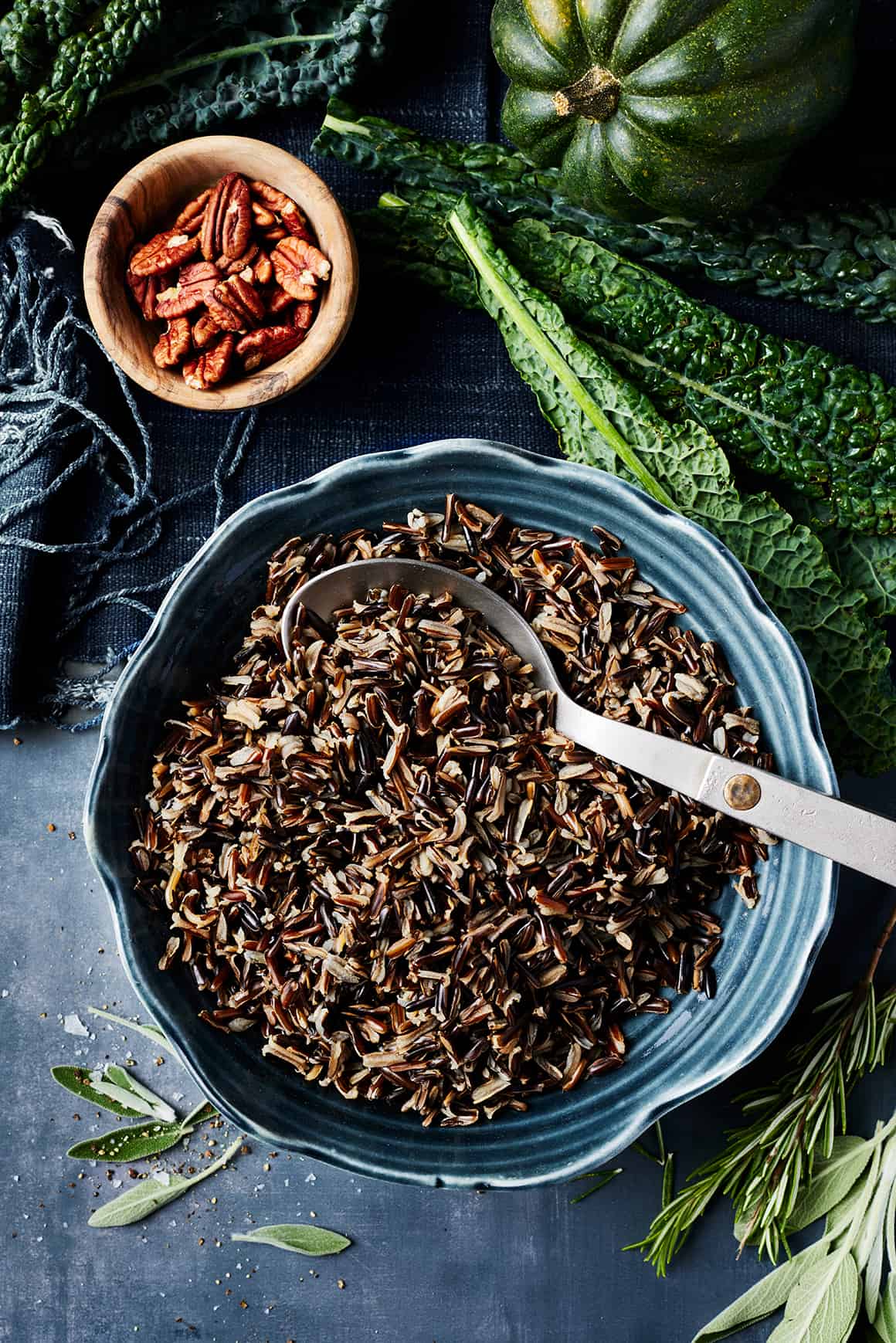
Credit: www.loveandlemons.com
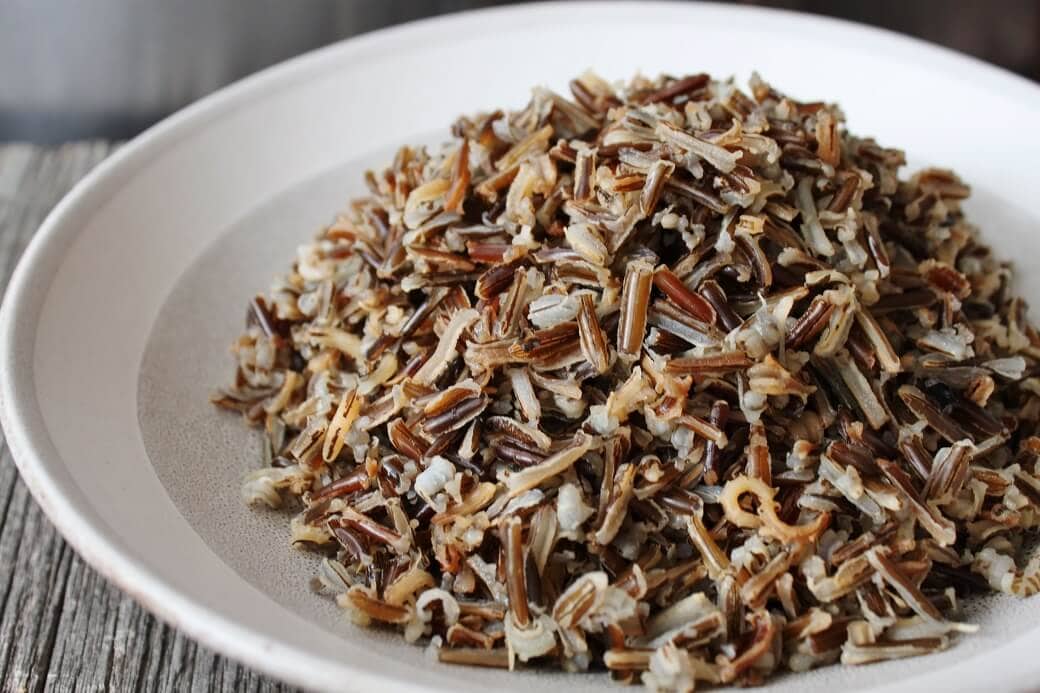
Credit: dishnthekitchen.com
Frequently Asked Questions
How Long Does Wild Rice Take To Cook?
Wild rice typically takes 45 to 60 minutes to cook. It requires simmering in water until the grains split open. Cooking times can vary based on freshness and soaking. Soaking wild rice beforehand can reduce cooking time by about 15 minutes.
Always taste for desired texture.
Can I Cook Wild Rice In A Rice Cooker?
Yes, you can cook wild rice in a rice cooker. Use a 1:3 rice-to-water ratio for best results. It may take longer than white rice, around 60 minutes. Check for doneness and add water if needed during cooking. Stir occasionally to prevent sticking.
Should I Rinse Wild Rice Before Cooking?
Rinsing wild rice removes dust and debris. It also helps improve texture by washing off excess starch. Rinse under cold running water until water runs clear. This step is recommended for cleaner, fluffier cooked rice. Always drain well before cooking.
Can Wild Rice Be Cooked Without Soaking?
Yes, wild rice can be cooked without soaking. However, soaking reduces cooking time and improves texture. Without soaking, expect 50-60 minutes of simmering. Soaking for 4-6 hours or overnight is ideal but optional. Rinse rice before cooking regardless of soaking.
Conclusion
Cooking wild rice can be simple and rewarding. Rinse the rice well before cooking. Use the right water-to-rice ratio for best results. Let it simmer gently until tender. Fluff with a fork to keep grains separate. Wild rice adds a nutty flavor and chewy texture.
It works well in soups, salads, or as a side dish. Practice a few times to find your perfect method. Enjoy the taste and health benefits of wild rice every time.

Hello, This is Annie Walker, a 38-year-old blogger, founder, and editor of Cookware Guider from NY, USA. I am a cookware fanatic and passionate cooker. I love to cook with different types of cooking appliances (example: all types of cookware, rice cookers, slow cookers, etc) almost every day in my kitchen. I love to share my experience with my readers in my blog. Also, I enjoy helping people to solve their problems through my website. You can follow me on Twitter & Pinterest. To know details about my blog please check the about us page.