
If you’ve ever tried sticky rice and wondered how to make it perfectly at home, you’re not alone. Cooking sticky rice might seem tricky, but with the right steps, you can get that soft, chewy texture every time.
Imagine serving a dish that’s warm, fluffy, and just the right amount of sticky—your family and friends will be asking for seconds. In this guide, you’ll discover simple tips and easy methods to master sticky rice quickly. Ready to impress your taste buds and elevate your cooking skills?
Let’s dive in.
Choosing The Right Rice
Choosing the right rice is key to cooking perfect sticky rice. Not all rice sticks well or cooks the same way. The type of rice affects the texture and flavor of your dish. Understanding the different kinds helps you pick the best one for sticky rice recipes.
Types Of Sticky Rice
Sticky rice is also called glutinous rice or sweet rice. It is different from regular white rice. This rice has a high starch content that makes it sticky when cooked.
There are two main types: white sticky rice and black sticky rice. White sticky rice is the most common and has a mild flavor. Black sticky rice has a nutty taste and is rich in antioxidants.
Choose white sticky rice for classic sticky rice dishes. Black sticky rice works well for desserts or unique flavors.
Where To Buy Sticky Rice
Sticky rice can be found in Asian grocery stores or online. Look for packages labeled “glutinous rice” or “sticky rice.” These labels ensure you get the right rice type.
Check the rice package for good quality and freshness. Avoid rice with a stale smell or damaged grains.
Buying from a trusted store helps guarantee the rice cooks well and tastes great.
Credit: cookingwithlane.com
Preparing Sticky Rice
Preparing sticky rice is the first step to a delicious meal. It needs care and attention. The rice texture depends on how you prepare it. Start with washing and soaking the rice properly.
Washing And Soaking
Rinse the sticky rice under cold water. Use your hands to rub the grains gently. Do this until the water runs clear. This removes excess starch and dirt. Clean rice cooks better and becomes less sticky.
After washing, soak the rice in clean water. Use a bowl that fits the amount of rice you want. The rice will absorb water and soften. This helps the grains cook evenly and become tender.
Ideal Soaking Time
Soak the sticky rice for at least 4 hours. Overnight soaking is even better. This allows the grains to swell and soften fully. Avoid soaking for more than 12 hours. Too long can affect texture and taste.
If you are short on time, soak the rice for at least 2 hours. The longer the soak, the better the result. Proper soaking is key to perfect sticky rice every time.
Cooking Methods
Sticky rice is a favorite in many dishes. Cooking it the right way brings out its soft, chewy texture. Several methods work well to cook sticky rice. Each method has its own steps and benefits. Choose one that suits your tools and time.
Steaming Sticky Rice
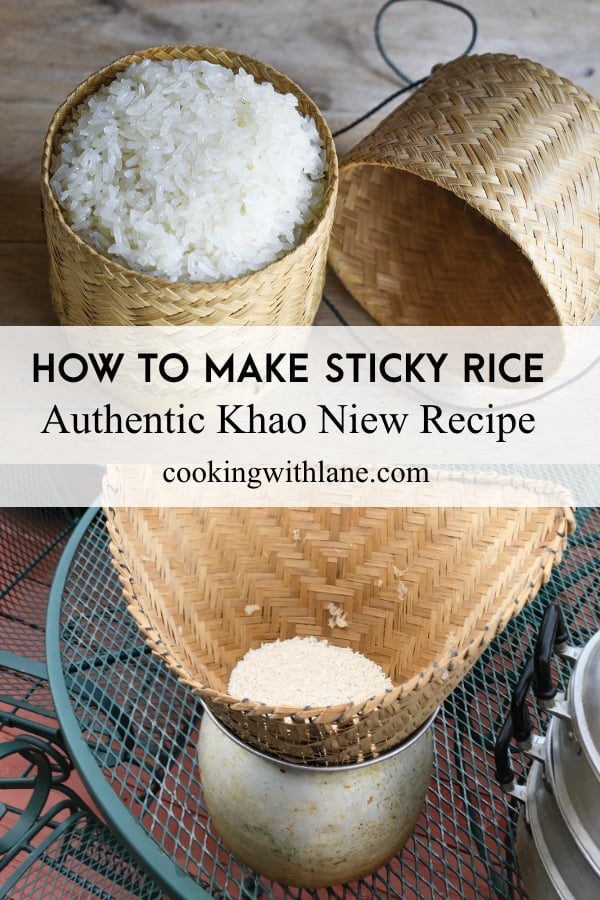
Steaming is the traditional way to cook sticky rice. Start by soaking the rice in water for at least 4 hours. Drain the rice and place it in a steamer basket lined with cheesecloth. Steam over boiling water for 20 to 30 minutes. Check the rice and steam longer if needed. This method keeps the rice moist and fluffy.
Using A Rice Cooker
Rice cookers can also cook sticky rice well. Rinse the rice several times until the water runs clear. Add water to the rice cooker using a 1:1 ratio of rice to water. Turn on the cooker and let it finish its cycle. Let the rice sit for 10 minutes after cooking. This method is simple and saves time.
Microwave Cooking Tips
Microwaving sticky rice is quick and easy. Rinse the rice and soak it for 30 minutes. Place the rice and water in a microwave-safe bowl with a lid. Use a 1:1.25 rice-to-water ratio. Microwave on high for 5 minutes. Stir, then microwave for another 4 to 5 minutes. Let the rice rest for 5 minutes before serving.
Tips For Perfect Texture
Getting the perfect sticky rice texture can be tricky. Small changes in water, time, or method affect the final result. Follow these tips to achieve soft, sticky grains that hold together well without being mushy or dry.
Water To Rice Ratio
Use the right amount of water. Too much water makes rice mushy. Too little leaves it dry and hard. A good rule is one cup of rice to one cup of water. Some prefer slightly less water for firmer rice. Soaking rice in water for 30 minutes before cooking helps it absorb moisture evenly.
Steaming Duration
Steam sticky rice rather than boil it. Steaming gives a better texture. Steam for about 20 to 30 minutes. Check rice halfway to see if it is soft. If not, steam a few more minutes. Avoid overcooking. Over-steaming causes the rice to become sticky and gluey.
Avoiding Common Mistakes
Do not rinse the rice too much. Rinsing washes away starch, which makes rice sticky. Use a fine mesh strainer and rinse quickly if needed. Avoid stirring rice while cooking. Stirring breaks grains and makes rice mushy. Use a lid to trap steam for even cooking.
Serving Sticky Rice
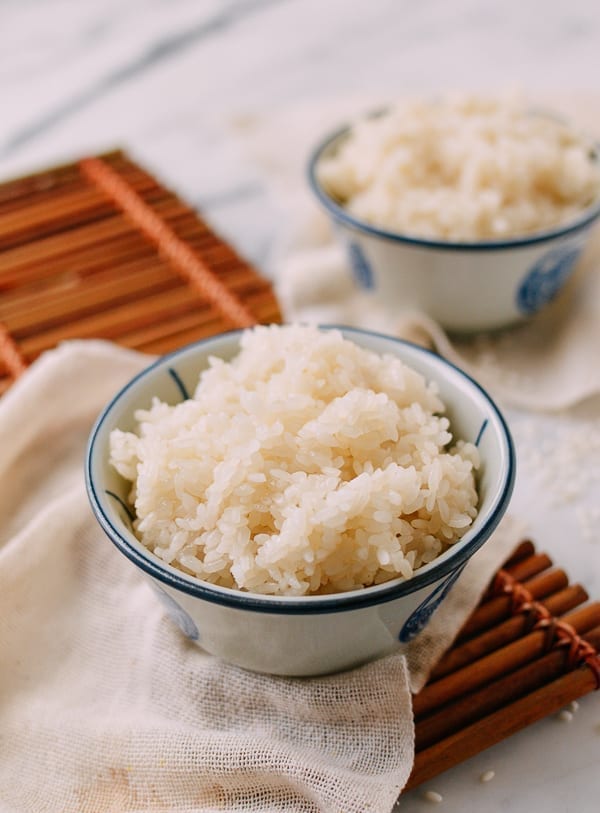
Serving sticky rice is an important part of enjoying this delicious dish. It pairs well with many foods and works as a base or side. Sticky rice is soft and chewy, making it perfect for soaking up flavors from other dishes.
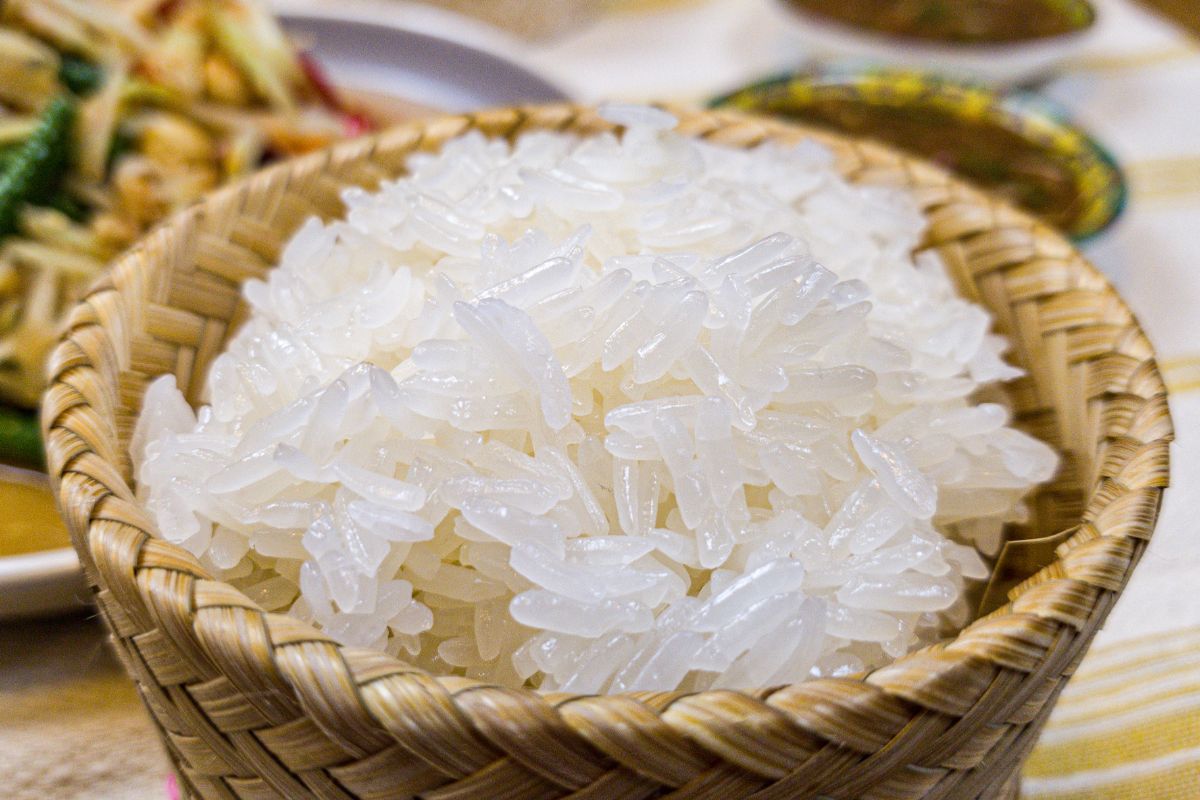
Presentation also matters. Serving sticky rice in small bowls or on banana leaves adds an authentic touch. Keep the rice warm to maintain its texture and taste best.
Traditional Pairings
Sticky rice often comes with savory or sweet dishes. In Thai cuisine, it pairs well with grilled meats like chicken or pork. It also goes well with spicy dipping sauces. In Laos, sticky rice is a staple alongside grilled fish and fresh herbs.
Sweet sticky rice with mango is a classic dessert. Coconut milk adds richness and balances the sweetness. This simple combination highlights the rice’s natural flavor.
Creative Serving Ideas
Try serving sticky rice in small cups for easy eating. Add toppings like toasted sesame seeds or chopped peanuts for crunch. Mix in coconut cream and fruit for a tasty treat.
Use sticky rice to make sushi rolls or rice balls. It holds shape well and adds a unique texture. Serve with soy sauce or spicy mayo for extra flavor.
For a twist, try sticky rice with stir-fried vegetables or tofu. It soaks up the sauce and creates a filling meal. Experiment with herbs and spices to match your taste.
Credit: ianbenites.com
Storing And Reheating
Sticky rice tastes best when fresh. Storing and reheating it right keeps its soft, chewy texture. It stops the rice from drying out or becoming hard. Follow simple steps to save rice for later meals without losing its quality.
Best Storage Practices
Cool sticky rice to room temperature before storing. Place it in an airtight container to keep moisture in. Store rice in the refrigerator for up to two days. Avoid leaving sticky rice out for long periods. For longer storage, freeze the rice in small portions. Use freezer-safe bags or containers to prevent freezer burn. Label containers with the date to track freshness.
Reheating Without Losing Texture
Steam sticky rice to keep it soft and sticky. Use a steamer basket or wrap rice in a damp cloth. Heat over boiling water for 5 to 10 minutes. Avoid microwaving dry rice directly; it can turn hard. If using a microwave, cover rice with a wet paper towel. Heat in short bursts, stirring in between. This method keeps rice moist and chewy. Reheat only the amount you plan to eat. Repeated reheating changes texture and taste.
Credit: thewoksoflife.com
Frequently Asked Questions
What Type Of Rice Is Best For Sticky Rice?
Glutinous or sticky rice is best for sticky rice recipes. It has a high starch content, which creates the desired sticky texture when cooked.
How Long Should I Soak Sticky Rice?
Soak sticky rice for at least 4 hours or overnight. Soaking softens the grains and ensures even cooking and a perfect sticky consistency.
Can I Cook Sticky Rice Without A Steamer?
Yes, you can cook sticky rice using a pot with a tight lid. Use a double boiler method or boil water and steam rice above it.
How Do I Store Leftover Sticky Rice?
Store leftover sticky rice in an airtight container in the refrigerator. It stays fresh for up to 2 days and can be reheated by steaming or microwaving.
Conclusion
Sticky rice cooks best with patience and simple steps. Rinse the rice well to remove extra starch. Soaking helps the grains cook evenly and stay sticky. Use the right water amount for perfect texture. Steaming keeps the rice soft and fluffy.
Enjoy sticky rice with your favorite dishes. Practice makes the process easier and more natural. Soon, you will cook sticky rice with confidence. Give it a try and enjoy every bite.

Hello, This is Annie Walker, a 38-year-old blogger, founder, and editor of Cookware Guider from NY, USA. I am a cookware fanatic and passionate cooker. I love to cook with different types of cooking appliances (example: all types of cookware, rice cookers, slow cookers, etc) almost every day in my kitchen. I love to share my experience with my readers in my blog. Also, I enjoy helping people to solve their problems through my website. You can follow me on Twitter & Pinterest. To know details about my blog please check the about us page.