
Pan frying chicken is one of the simplest ways to create a delicious meal, but it’s also a technique that can turn bland poultry into something truly special. Whether you want crispy skin, juicy meat, or a quick weeknight dinner, learning how to pan fry chicken properly will help you get consistent results every time.
Many beginners struggle with dry or unevenly cooked chicken, but with a few key steps, you can avoid common mistakes and enjoy perfect chicken every time. This guide covers everything you need to know, from choosing the right cuts to seasoning, oil selection, cooking methods, and even troubleshooting.
By the end, you’ll be confident enough to pan fry chicken like a pro.
Choosing The Right Chicken Cut
Selecting the best cut of chicken is the first step. Each cut offers different flavors, textures, and cooking requirements. Understanding these differences will help you decide what works best for your meal.
Bone-in Vs Boneless
Bone-in chicken, like thighs or drumsticks, retains moisture better and often tastes richer. The bone helps distribute heat, making the meat juicier. However, bone-in cuts take longer to cook and need careful monitoring.
Boneless chicken, such as breasts or tenderloins, cooks faster and is easier to portion. Boneless cuts are perfect for quick meals but can dry out easily if not watched closely.
Skin-on Vs Skinless
Skin-on chicken is ideal for achieving a crispy texture. The skin acts as a barrier, locking in juices and adding flavor. Skinless chicken is leaner and healthier but may lack the crunch and deep taste.
Fresh Vs Frozen
Fresh chicken usually gives better texture and flavor. If you use frozen chicken, make sure it’s fully thawed before pan frying. Cooking frozen chicken directly can cause uneven cooking and excess moisture.
| Cut | Cooking Time (min) | Best For | Texture |
|---|---|---|---|
| Boneless Breast | 6–8 per side | Quick meals | Lean, tender |
| Bone-In Thigh | 10–12 per side | Rich flavor | Juicy, robust |
| Drumstick | 12–15 per side | Family meals | Moist, firm |
| Tenderloin | 4–6 per side | Salads, wraps | Soft, mild |
Preparing The Chicken
Preparation is where many beginners make mistakes. Proper prep sets the stage for flavor, texture, and even cooking.
Trimming And Patting Dry
Remove excess fat or skin if desired. Always pat chicken dry with paper towels. Moisture on the surface prevents browning and leads to steaming instead of crisping.
Seasoning
Seasoning is more than just salt and pepper. For deeper flavor, consider using:
- Garlic powder
- Paprika
- Lemon zest
- Chili flakes
- Herbs like thyme, rosemary, or basil
For best results, season both sides generously. Let the chicken rest for 10–15 minutes to allow the flavors to absorb.
Marinating (optional)
Marinating adds extra flavor and tenderness. A simple marinade for chicken includes:
- 2 tbsp olive oil
- Juice of 1 lemon
- 1 tsp salt
- 1 tsp black pepper
- 2 cloves garlic, crushed
Marinate in the fridge for at least 30 minutes, or up to 2 hours for stronger flavor.
Breading And Coating
For crispy chicken, consider breading. Dip in flour, then egg wash, then breadcrumbs or crushed cornflakes. This step is optional but gives a crunchy crust.
Selecting The Right Pan And Oil
The pan and oil you use can make or break the dish. Not all pans and oils are equal for pan frying chicken.
Best Pan Types
A heavy-bottomed skillet (like cast iron or stainless steel) is ideal. These pans hold heat well and distribute it evenly, preventing hot spots and burning.
Nonstick pans work for lean chicken cuts but may not produce the best crust.
Oil Choices
Choose an oil with a high smoke point. This allows you to fry at a higher temperature without burning the oil. Good options include:
- Canola oil (smoke point: 400°F)
- Peanut oil (smoke point: 450°F)
- Sunflower oil (smoke point: 440°F)
- Light olive oil (smoke point: 465°F)
Avoid butter for frying, as it burns quickly. For flavor, add a small knob of butter at the end.
| Oil | Smoke Point (°F) | Flavor Profile |
|---|---|---|
| Canola | 400 | Neutral |
| Peanut | 450 | Nutty |
| Sunflower | 440 | Mild |
| Light Olive | 465 | Light, fruity |
Pan Frying Chicken: Step-by-step Guide
Getting the cooking process right is essential for juicy, flavorful chicken. Here’s a step-by-step approach:
Step 1: Preheat The Pan
Heat your pan over medium-high heat for 2–3 minutes. This prevents sticking and ensures even browning. Add oil and let it heat until shimmering.
Step 2: Add The Chicken
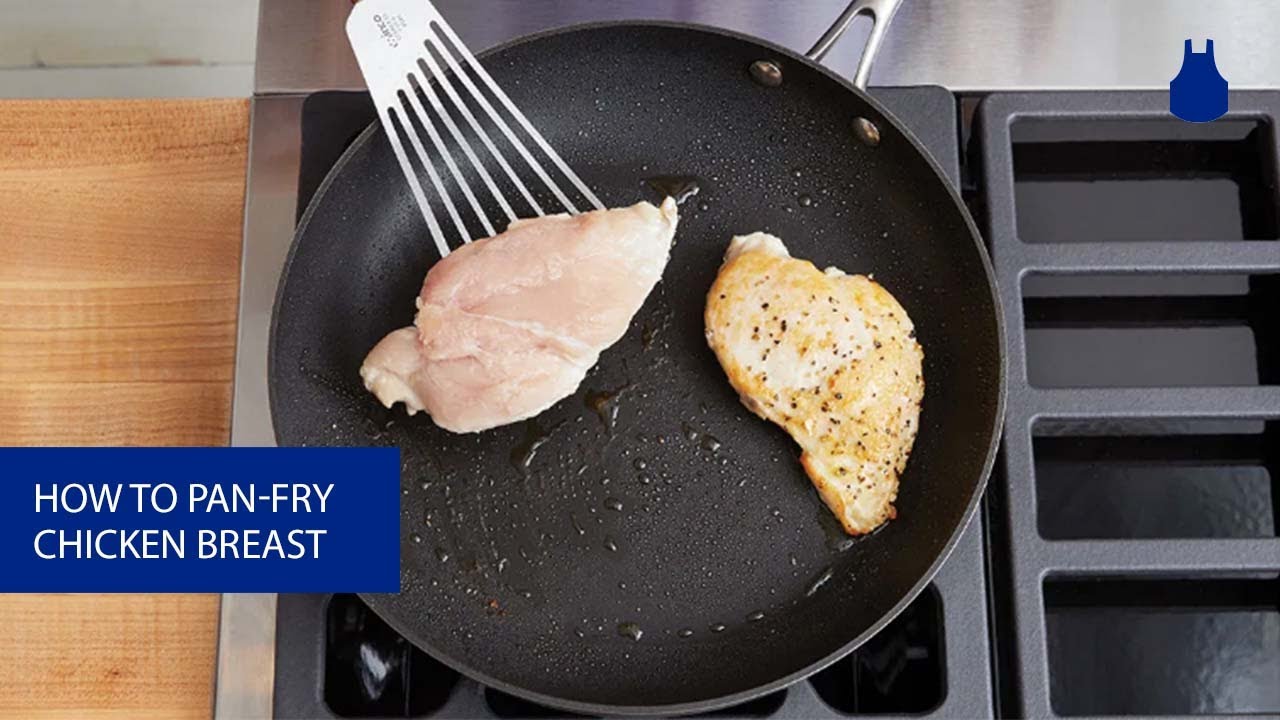
Place the chicken in the pan, skin side down if using skin-on. Don’t overcrowd the pan; leave space between pieces for proper frying.
Step 3: Cook Without Moving
Let the chicken cook undisturbed for the first few minutes. This helps form a crust and prevents tearing. For boneless breasts, cook for 6–8 minutes per side. For thighs and drumsticks, 10–15 minutes per side.
Step 4: Flip And Continue Cooking
Flip the chicken gently. If the chicken sticks, wait a bit longer—it will release naturally when the crust is formed. Continue cooking until golden brown and cooked through.
Step 5: Check For Doneness
The safe internal temperature for chicken is 165°F (74°C). Use a meat thermometer for accuracy. If you don’t have a thermometer, cut into the thickest part; juices should run clear, not pink.
Step 6: Rest Before Serving
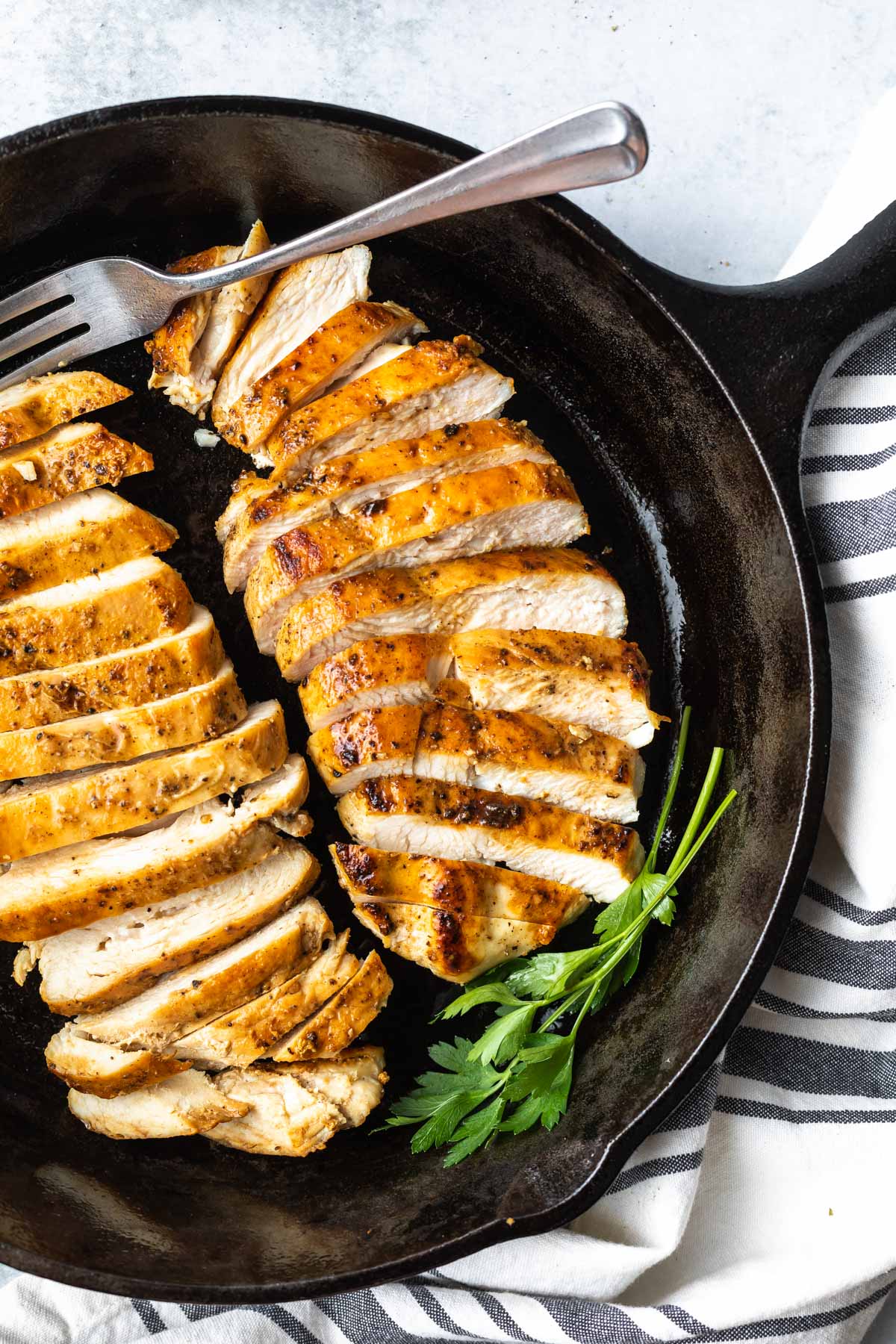
Let the chicken rest on a plate for 5–10 minutes before slicing. Resting allows juices to redistribute, making the meat tender and moist.
Step 7: Optional Sauce Or Finishing Touches
You can deglaze the pan with a splash of wine, broth, or lemon juice. Add herbs or garlic at the end for extra aroma.
Credit: www.simplywhisked.com
Tips For Crispy And Juicy Chicken
Perfect pan fried chicken is both crispy and juicy. Here are proven tips:
- Pat dry thoroughly: Moisture kills crispiness.
- Don’t crowd the pan: Overcrowding steams the chicken.
- Use the right oil: High smoke point oils prevent burning.
- Let the crust form: Avoid flipping too soon.
- Finish with butter: Adds flavor and a glossy finish.
- Rest after cooking: Locks in juices.
- Slice against the grain: Makes meat tender.
- Preheat pan well: Prevents sticking and uneven cooking.
Many beginners forget to let the chicken rest or slice against the grain. Both are crucial for tenderness.
Common Mistakes To Avoid
Even experienced cooks make errors. Here are the most frequent mistakes and how to avoid them:
- Cooking cold chicken: Always bring chicken to room temperature for 15–20 minutes before frying. Cold chicken cooks unevenly.
- Using wet chicken: Water on the surface causes steaming, not frying.
- Low pan heat: Too low heat results in pale, greasy chicken.
- Overcrowding: If you fill the pan, heat drops and chicken steams instead of fries.
- Not checking doneness: Undercooked chicken is unsafe; overcooked is dry.
- Skipping the resting step: Skipping rest makes juices leak out when slicing.
- Wrong oil: Butter or olive oil (not light) burns easily.
Flavor Variations And Seasoning Ideas
Pan fried chicken doesn’t have to be boring. Here are creative seasoning ideas:
Classic American
- Salt, black pepper, garlic powder, paprika
Mediterranean
- Lemon zest, oregano, thyme, olive oil
Asian-inspired
- Soy sauce, ginger, sesame oil, chili flakes
Spicy Cajun
- Cayenne, paprika, onion powder, thyme
Indian
- Turmeric, cumin, coriander, garam masala
You can mix and match flavors. For extra zest, finish with fresh herbs or a squeeze of citrus.
Nutrition Data For Pan Fried Chicken
Pan fried chicken is a good source of protein. The nutrition changes depending on the cut and oil used.
| Chicken Cut | Calories (per 100g) | Protein (g) | Fat (g) | Carbs (g) |
|---|---|---|---|---|
| Boneless Breast | 165 | 31 | 3.6 | 0 |
| Thigh (skin-on) | 220 | 25 | 12 | 0 |
| Drumstick | 180 | 27 | 7 | 0 |
| With Breading | 250 | 23 | 12 | 12 |
Breading adds calories and carbs. Using skinless cuts and less oil reduces fat.
Pan Frying Chicken For Different Meals
Pan fried chicken is versatile. Here are ways to use it in various dishes:
- Salads: Slice and add to green salads for protein.
- Sandwiches: Use pan fried breasts for crispy chicken sandwiches.
- Wraps: Cut chicken into strips for wraps or tacos.
- Stir-fries: Use pan fried tenderloins for quick stir-fry meals.
- Main course: Serve with mashed potatoes, rice, or roasted vegetables.
You can also add sauces like honey mustard, barbecue, or creamy garlic for extra flavor.
Practical Cooking Example
Let’s walk through a basic recipe for pan fried chicken breast.
Ingredients
- 2 boneless, skinless chicken breasts (about 6 oz each)
- 1 tbsp canola oil
- 1 tsp salt
- 1/2 tsp black pepper
- 1/2 tsp paprika
- 1/2 tsp garlic powder
Instructions
- Pat chicken breasts dry with paper towels.
- Sprinkle both sides with salt, pepper, paprika, and garlic powder.
- Heat a skillet over medium-high heat; add canola oil.
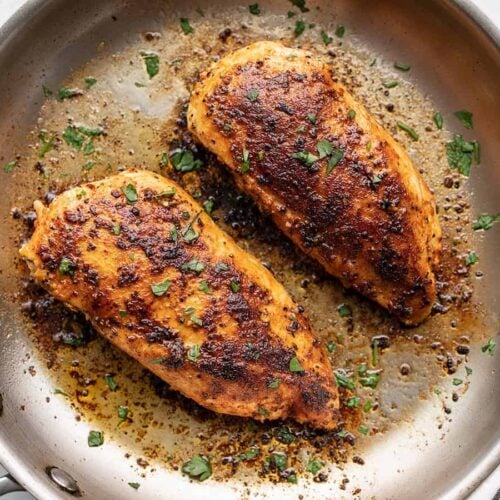
- Place chicken in pan. Cook for 6–8 minutes without moving.
- Flip and cook another 6–8 minutes, until golden brown and juices run clear.
- Check internal temperature (should be 165°F).
- Remove chicken and let rest for 5 minutes before slicing.
Cooking Time
Total Cooking Time: About 15 Minutes
Serves: 2 People
Practical Tips
- If your chicken breasts are thick, pound them to even thickness for uniform cooking.
- For extra flavor, add a splash of lemon juice or fresh herbs before serving.
- If making breaded chicken, use the flour-egg-breadcrumb method, then fry as above.
Credit: www.budgetbytes.com
Troubleshooting: What To Do If Chicken Turns Out Wrong
Sometimes things don’t go as planned. Here are fixes for common issues:
Chicken Is Dry
- Try marinating before cooking.
- Use bone-in thighs for juicier meat.
- Lower the heat and cook slower next time.
Chicken Is Undercooked
- Slice thicker pieces and return to pan.
- Cover the pan for the last few minutes to finish cooking.
Chicken Is Soggy
- Pat dry before frying.
- Make sure oil is hot enough before adding chicken.
- Don’t overcrowd the pan.
Chicken Sticks To Pan
- Preheat pan and oil properly.
- Wait until crust forms before flipping.
Advanced Techniques For Experienced Cooks
Once you master basic pan frying, you can try advanced methods:
Butter Basting
Add a knob of butter and fresh herbs to the pan during the last minute. Tilt the pan and spoon melted butter over the chicken for extra flavor.
Deglazing
After frying, remove chicken and add a splash of wine or broth to the pan. Scrape up the brown bits for a quick sauce.
Finishing In The Oven
For thick cuts or bone-in pieces, sear in the pan, then finish cooking in a preheated oven (375°F) for 10–15 minutes.
Credit: www.youtube.com
Health And Safety Tips
Food safety is important. Follow these guidelines:
- Wash hands and utensils after handling raw chicken.
- Never reuse marinade unless you boil it first.
- Always check internal temperature (165°F is safe).
- Store leftovers in the fridge within 2 hours.
For more food safety guidelines, visit USDA Food Safety.
Frequently Asked Questions
How Do I Know When Chicken Is Done?
The best way is by using a meat thermometer. Chicken is safe to eat at 165°F (74°C). If you don’t have a thermometer, cut into the thickest part; the juices should run clear and the meat should not be pink.
What Oil Is Best For Pan Frying Chicken?
Canola oil and peanut oil are top choices because they have high smoke points and neutral flavors. Avoid butter or extra virgin olive oil, which can burn easily.
Can I Pan Fry Frozen Chicken?
It’s not recommended. Frozen chicken releases water and cooks unevenly. Always thaw chicken fully before pan frying for best results.
How Can I Make My Chicken Crispier?
Pat chicken dry, use high smoke point oil, and don’t overcrowd the pan. For extra crunch, coat the chicken with breadcrumbs or flour before frying.
Is Pan Fried Chicken Healthy?
It depends on the cut and oil used. Skinless, boneless chicken breast cooked with minimal oil is healthy and high in protein. Avoid heavy breading and excess oil for the healthiest option.
Pan frying chicken is a skill worth mastering. With the right technique, you can create a meal that’s both satisfying and flavorful. Experiment with different cuts, seasonings, and oils to discover your favorite style. Remember, attention to detail in preparation and cooking makes all the difference.
Whether you’re cooking for yourself or for guests, pan fried chicken is always a crowd pleaser.

Hello, This is Annie Walker, a 38-year-old blogger, founder, and editor of Cookware Guider from NY, USA. I am a cookware fanatic and passionate cooker. I love to cook with different types of cooking appliances (example: all types of cookware, rice cookers, slow cookers, etc) almost every day in my kitchen. I love to share my experience with my readers in my blog. Also, I enjoy helping people to solve their problems through my website. You can follow me on Twitter & Pinterest. To know details about my blog please check the about us page.