
Pan frying salmon with the skin on is one of the easiest and tastiest ways to cook this popular fish. If you do it right, you get a crispy skin, juicy flesh, and a satisfying meal. But many home cooks wonder: how long to pan fry salmon with skin? The answer depends on several factors, including the thickness of the fillet, the heat level, and your preferred doneness. Let’s break down everything you need to know, from timing and temperature to practical tips for perfect salmon every time.
Cooking salmon may seem simple, but small details can make a big difference. Many beginners overcook or undercook their fish, resulting in dry or mushy salmon. In this article, you’ll learn how to judge the best cooking time, avoid common mistakes, and understand the science behind crisp skin.
We’ll also compare salmon with skin and without skin, show you how to check for doneness, and answer popular questions. Whether you’re a complete beginner or looking to improve your salmon game, you’ll find actionable advice here.
Why Pan Fry Salmon With Skin?
Pan frying is a quick, effective method for cooking salmon, especially when you leave the skin on. The skin acts as a barrier between the hot pan and the delicate flesh, protecting it from overcooking and adding texture. When the skin crisps up, it brings extra flavor and a pleasant crunch.
Benefits of pan frying with skin:
- Crispy texture: The skin becomes crunchy and delicious.
- Moisture retention: Skin helps keep the flesh moist.
- Easier flipping: Skin prevents sticking and tearing.
- Rich flavor: The skin contains healthy fats that enhance taste.
Most chefs recommend leaving the skin on for pan frying, unless you have a specific reason to remove it.
Choosing The Right Salmon Fillet
Not all salmon fillets are the same. The thickness, freshness, and type of salmon can change your cooking time. Here’s what to look for:
Freshness matters: Fresh salmon has a mild smell, moist appearance, and firm texture. Avoid fillets that feel slimy or smell overly fishy.
Thickness: The thickness of your fillet affects how long it takes to cook. Most store-bought fillets are 1–1.5 inches thick. Thicker pieces need a few extra minutes.
Wild vs. farmed: Wild salmon is usually leaner and cooks faster. Farmed salmon has more fat and can be slightly thicker.
Skin quality: Look for fillets with intact, shiny skin. Dull, torn skin won’t crisp as well.
Salmon Types: Cooking Time Differences
Different salmon species have different fat content and thickness. Here’s a comparison:
| Salmon Type | Average Thickness | Typical Cook Time (Skin-On) | Notes |
|---|---|---|---|
| Atlantic (Farmed) | 1–1.5 inches | 5–7 minutes | Higher fat, stays moist |
| King (Wild) | 1–2 inches | 6–8 minutes | Rich flavor, thick fillet |
| Sockeye (Wild) | 0.75–1 inch | 4–6 minutes | Lean, cooks quickly |
| Coho (Wild) | 1 inch | 5–7 minutes | Medium fat |
Preparing Salmon For Pan Frying
Before you start cooking, proper preparation is key. Many people skip these steps and end up with soggy skin or unevenly cooked fish.
1. Pat dry: Use paper towels to dry the skin thoroughly. Moisture prevents crisping.
2. Season well: Sprinkle salt and pepper on both sides. Salt helps crisp the skin.
3. Bring to room temperature: Let the fillet sit out for 10–15 minutes. Cold fish cooks unevenly.
4. Optional: Score the skin: For thick fillets, make shallow cuts in the skin to prevent curling.
5. Use the right oil: Choose a high-smoke-point oil like canola, avocado, or grapeseed. Olive oil can burn at high heat.
Common mistake: Putting wet fish in the pan. Water causes splattering and stops skin from crisping.
Setting The Right Pan And Heat
The type of pan and heat level are crucial for perfect salmon. If you use too low heat, the skin won’t crisp. Too high, and the flesh burns before the skin is ready.
Best pan choices:
- Nonstick pan: Easy for beginners, less risk of sticking.
- Cast iron: Excellent heat retention, produces crispy skin.
- Stainless steel: Good for experienced cooks; needs proper preheating.
Heat level: Medium-high is ideal. The pan should be hot before adding the fish.
Example: Testing Pan Readiness
You can test the pan by adding a drop of water. If it sizzles and evaporates immediately, the pan is ready. If it sits and bubbles, wait a little longer.
How Long To Pan Fry Salmon With Skin
Now to the main question: how long should you pan fry salmon with skin?
Most fillets (1–1.5 inches thick) need about 4–6 minutes skin-side down, and 1–2 minutes flesh-side down. Total cooking time is 5–8 minutes.
Here’s a step-by-step breakdown:
1. Place salmon skin-side down in hot pan.
- Cook for 4–6 minutes. Do not move the fillet.
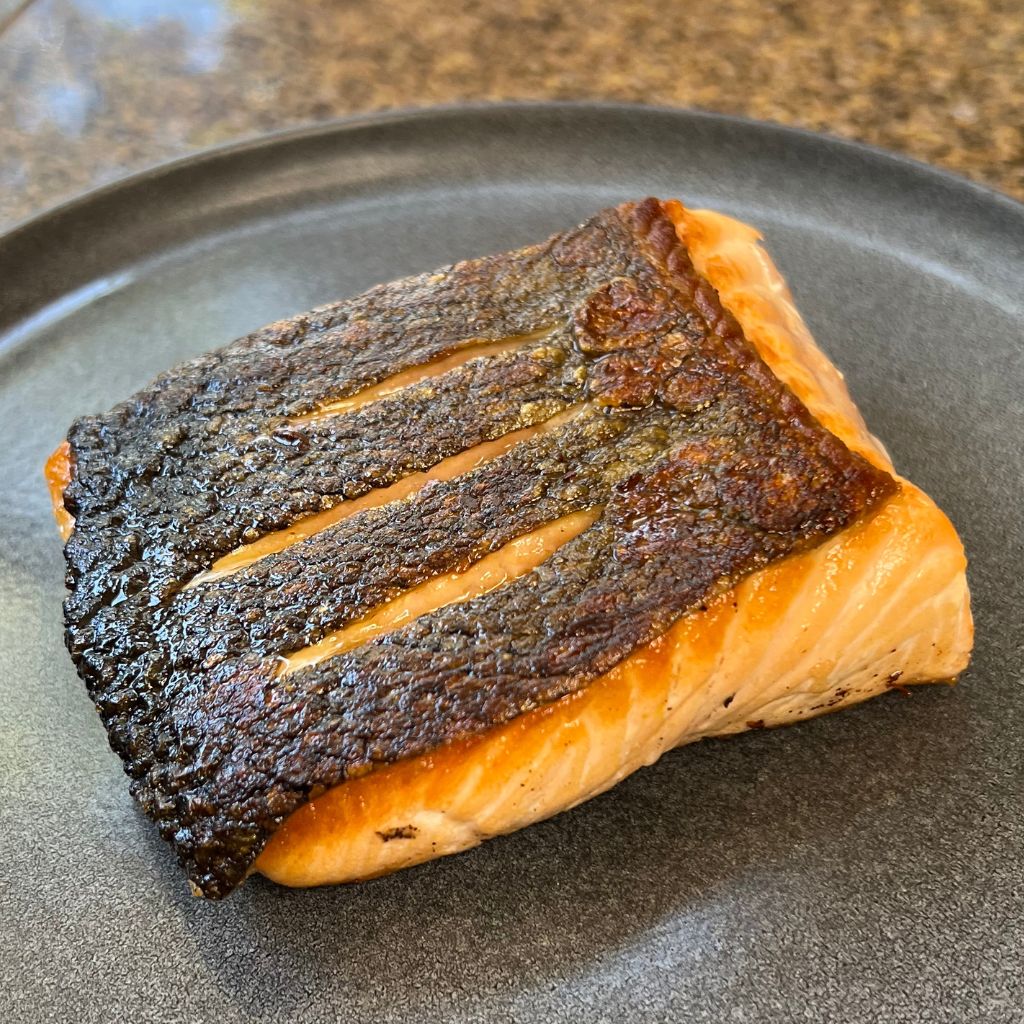
- Skin should become golden and crispy.
2. Flip gently.
- Cook the flesh side for 1–2 minutes.
- Salmon should be opaque but moist.
3. Check doneness.
- Internal temperature should reach 125–130°F for medium.
- For well-done, cook to 140°F.
Salmon Thickness Vs. Cook Time
Thicker fillets need longer cooking. Here’s a helpful reference:
| Fillet Thickness | Skin-Side Down | Flesh-Side Down | Total Time |
|---|---|---|---|
| 0.75 inch | 3–4 min | 1 min | 4–5 min |
| 1 inch | 4–5 min | 1–2 min | 5–7 min |
| 1.5 inch | 6 min | 2 min | 8 min |
| 2 inch | 7–8 min | 2–3 min | 9–11 min |
Non-obvious tip: The skin side should always cook longer. It protects the flesh and needs time to crisp.
Step-by-step: Pan Frying Salmon With Skin
Here’s a clear guide to pan frying salmon with skin:
1. Dry and season the fillet.
- Pat the skin dry.
- Sprinkle salt and pepper on both sides.
2. Preheat your pan.
- Add oil and heat to medium-high.
3. Place salmon skin-side down.
- Lay the fillet away from you to avoid splattering.
- Press gently with a spatula for the first 30 seconds.
4. Let it cook undisturbed.
- Wait 4–6 minutes, depending on thickness.
5. Flip gently.
- Use a thin spatula to turn the fish.
- Cook 1–2 minutes on the flesh side.
6. Remove and rest.
- Let salmon rest for 2 minutes before serving.
7. Serve with skin up.
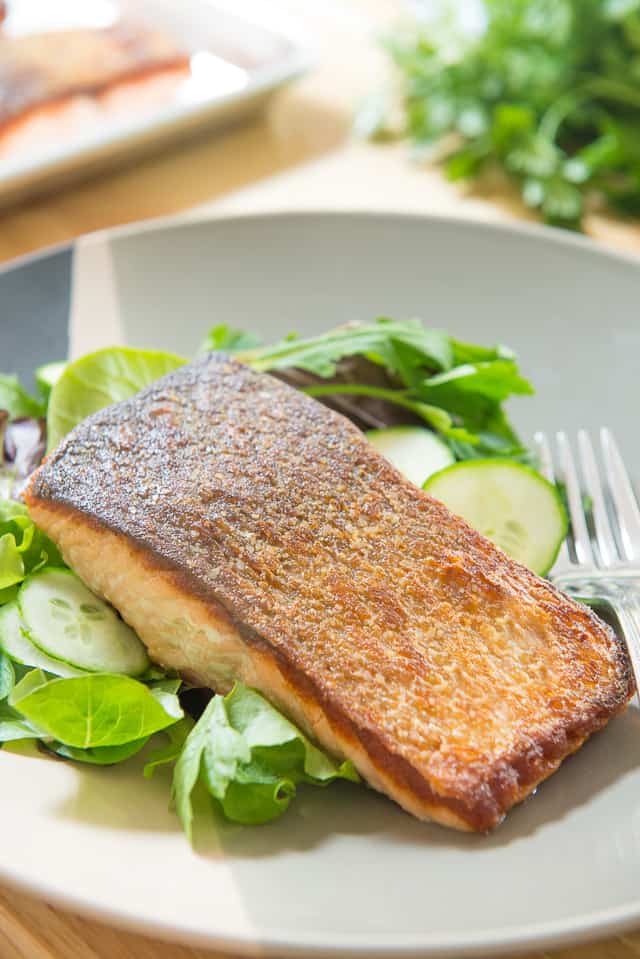
- The skin stays crisp if not covered.
Practical Example: Cooking A 1-inch Fillet
Suppose you have a 1-inch-thick farmed Atlantic salmon:
- Cook skin-side down for 5 minutes.
- Flip and cook flesh-side down for 2 minutes.
- Internal temperature should be 125–130°F.
- Rest for 2 minutes, then serve.
How To Check If Salmon Is Done
It’s easy to overcook salmon if you don’t know what to look for. Here are reliable ways to check doneness:
1. Internal temperature: Use a food thermometer. Aim for 125–130°F for medium.
2. Color and texture: The flesh should turn opaque and separate easily with a fork.
3. Finger test: Press gently; it should feel firm but not hard.
4. Skin appearance: Crispy, golden skin is a good sign.
Non-obvious insight: Salmon continues to cook after you remove it from the pan. If it looks almost done, take it off. Residual heat will finish the job.
Common Mistakes When Pan Frying Salmon With Skin
Many beginners make the same errors. Here’s how to avoid them:
1. Cooking on low heat: Skin won’t crisp. Always use medium-high.
2. Moving the fish too early: The skin sticks if not crisp. Let it cook undisturbed.
3. Using too much oil: Excess oil makes the skin greasy, not crispy.
4. Not drying the skin: Wet skin steams instead of fries.
5. Overcooking: Salmon dries out quickly. Stick to the recommended times.
6. Forgetting to rest: Resting allows juices to redistribute.
Quick Troubleshooting Guide
If your salmon sticks, try these fixes:
- Preheat the pan fully.
- Use enough oil to coat the skin.
- Don’t flip too soon.
Credit: ocwildseafood.com
Salmon With Skin Vs. Without Skin: Cooking Differences
Cooking salmon with skin is very different from cooking it without skin. Here’s a comparison:
| Skin-On | Skinless |
|---|---|
| Protects flesh from drying | Direct heat on flesh, easier to overcook |
| Allows for crispy texture | Smooth surface, no crisp skin |
| Longer skin-side cook time | Even cook on both sides |
| Better for pan frying | Good for baking or poaching |
Non-obvious tip: Skin-on fillets are less likely to stick, especially in stainless steel pans.
Cooking Salmon With Skin: Tips For Best Results
Even experienced cooks can improve their salmon. Here are some advanced tips:
1. Score thick skin: Make shallow cuts to prevent curling.
2. Use the right spatula: A thin, flexible spatula slides under the skin easily.
3. Add butter at the end: For extra flavor, add a knob of butter during the last minute.
4. Season right before cooking: Salt draws moisture, so season just before placing in the pan.
5. Experiment with herbs: Dill, parsley, or lemon zest add freshness.
6. Avoid overcrowding: Cook one or two fillets at a time.
7. Let the oil shimmer: Oil should shimmer but not smoke.
8. Try a finishing sauce: A squeeze of lemon or a drizzle of soy sauce enhances taste.
Credit: www.fifteenspatulas.com
Nutritional Benefits Of Salmon Skin
Salmon skin is not just tasty—it’s healthy. It contains omega-3 fatty acids, which are good for your heart and brain. Skin also has protein, vitamin D, and minerals.
Statistics:
- Omega-3s: One serving (about 4 oz) of skin-on salmon contains up to 1,500 mg of omega-3s.
- Calories: Salmon skin adds only about 20–40 calories per serving.
Eating the skin can help you get more nutrition from your meal.
Pan Frying Salmon: Serving Ideas
Salmon is versatile and pairs well with many sides and flavors. Here are some serving ideas:
1. Classic lemon and dill: Add lemon slices and fresh dill after cooking.
2. Asian-inspired: Top with soy sauce, sesame seeds, and green onions.
3. Mediterranean: Serve with olives, tomatoes, and feta.
4. Grain bowls: Place salmon over rice or quinoa, add veggies.
5. Salad: Flake salmon over mixed greens.
6. Tacos: Use crispy salmon as filling, add avocado and salsa.
Non-obvious insight: Serving the salmon skin-side up keeps it crispy longer.
Pan Frying Salmon: Safety And Food Handling
Handling fish safely is important. Salmon can carry bacteria if not stored or cooked properly.
1. Refrigerate immediately: Keep salmon cold until ready to cook.
2. Use separate cutting boards: Prevent cross-contamination with other foods.
3. Cook to safe temperature: 125–130°F is safe for salmon, but you can go higher for well-done.
4. Clean pans and utensils: Wash thoroughly after use.
According to the FDA, fish should be cooked to 145°F for food safety, but many chefs prefer lower temperatures for best texture.
Pan Frying Salmon With Skin: Step-by-step Troubleshooting
Sometimes things go wrong. Here’s how to fix common issues:
1. Skin won’t crisp: Increase heat, dry skin more, or use less oil.
2. Salmon sticks: Wait longer before flipping, use a nonstick pan.
3. Flesh overcooked, skin underdone: Lower heat after skin crisps, cook flesh side less.
4. Skin curls: Score the skin or press gently with a spatula.
5. Uneven cooking: Let fillet come to room temperature before cooking.
Non-obvious tip: Rest salmon skin-side up on a rack to keep skin crispy.

Credit: healthyrecipesblogs.com
How Pan Frying Compares To Other Methods
Pan frying is faster than baking, grilling, or poaching and gives you crisp skin. Here’s a quick comparison:
| Method | Cook Time | Texture | Best For |
|---|---|---|---|
| Pan Frying | 5–8 min | Crispy skin, moist flesh | Skin-on fillets |
| Baking | 12–15 min (400°F) | Even, soft | Skinless fillets |
| Grilling | 6–10 min | Charred, smoky | Thick fillets, steaks |
| Poaching | 8–10 min | Moist, delicate | Skinless, delicate fish |
Frequently Asked Questions
How Do I Make Sure The Skin Gets Crispy?
Dry the skin very well, use medium-high heat, and don’t move the salmon until the skin releases naturally. Press gently with a spatula for the first 30 seconds.
Can I Pan Fry Frozen Salmon With Skin?
It’s best to thaw salmon first. Frozen fillets release too much water, preventing crisp skin and even cooking. Thaw in the fridge overnight for best results.
What Oil Is Best For Pan Frying Salmon?
Choose a high-smoke-point oil like canola, avocado, or grapeseed oil. These oils stay stable at high heat and help the skin crisp.
Is It Safe To Eat Salmon Skin?
Yes, salmon skin is safe and nutritious if cooked properly. It contains omega-3 fatty acids and protein. Always use fresh, high-quality salmon.
How Do I Prevent Salmon From Sticking To The Pan?
Preheat the pan, dry the skin, use enough oil, and let the skin cook undisturbed until it releases easily. A nonstick or well-seasoned cast iron pan works best.
Pan frying salmon with skin is simple once you know the right steps and timing. For most fillets, cook skin-side down for 4–6 minutes, then flesh-side down for 1–2 minutes. A few key details—drying the skin, using the right oil, and checking doneness—make all the difference.
With these tips and tricks, you can enjoy perfectly crispy, juicy salmon every time. Remember, salmon continues to cook after leaving the pan, so don’t wait for perfection in the pan itself. Try new flavors, sides, and sauces to make your meal exciting.
With practice, you’ll master pan frying salmon with skin and impress yourself and your guests.

Hello, This is Annie Walker, a 38-year-old blogger, founder, and editor of Cookware Guider from NY, USA. I am a cookware fanatic and passionate cooker. I love to cook with different types of cooking appliances (example: all types of cookware, rice cookers, slow cookers, etc) almost every day in my kitchen. I love to share my experience with my readers in my blog. Also, I enjoy helping people to solve their problems through my website. You can follow me on Twitter & Pinterest. To know details about my blog please check the about us page.