
Pan-frying tuna steak is one of the fastest and most satisfying ways to enjoy this healthy, flavorful fish. The process is simple, but achieving a perfectly cooked tuna steak—seared outside and tender, almost rare inside—takes a bit of care and attention.
Tuna is not like most fish; it’s firm, meaty, and can be eaten rare or medium-rare, much like a good beef steak. For many home cooks, the idea of cooking tuna can feel intimidating, especially if you’re worried about overcooking or under-seasoning.
But with the right approach, pan-frying tuna can be straightforward and rewarding. In this guide, you’ll learn everything you need to know to pan-fry tuna steak to perfection, avoid common mistakes, and understand how to choose, season, and serve it for the best results.
Understanding Tuna Steak: What Makes It Special
Tuna is a large, fast-swimming fish found in warm oceans. The steaks are cut from the loin and are prized for their deep red color and meaty texture. Unlike flaky white fish, tuna is dense and holds together well when cooked. This makes it perfect for high-heat cooking methods like pan-frying.
There are several species of tuna, but the most common types for steaks are:
- Yellowfin (Ahi): Mild flavor, firm texture, widely available.
- Bluefin: Richer taste, higher fat content, often more expensive.
- Albacore: Lighter color, milder taste, usually thinner steaks.
The best tuna steaks are at least 1-inch thick, bright red, and have a clean, ocean-fresh smell. Tuna is also healthy: a 3-ounce cooked portion provides about 25 grams of protein and is rich in omega-3 fatty acids, vitamin D, and selenium.
Choosing The Right Tuna Steak
Picking a good tuna steak is the first step to a great meal. Here are some tips:
- Freshness: Look for steaks that are vibrant red or deep pink. Avoid any brown spots or dull colors.
- Smell: Fresh tuna should have a mild, clean scent—never fishy or sour.
- Texture: The meat should be firm and moist, not slimy.
- Thickness: Aim for steaks that are at least 1 inch thick for even cooking.
- Sourcing: Wild-caught tuna is often higher quality, but check for sustainable options (like MSC-certified) to help protect ocean stocks.
Below is a table comparing the main types of tuna steak often found in supermarkets:
| Type | Color | Flavor | Fat Content | Typical Price (USD/lb) |
|---|---|---|---|---|
| Yellowfin (Ahi) | Bright red | Mild | Medium | $15–$25 |
| Bluefin | Dark red | Rich, strong | High | $30–$60 |
| Albacore | Pale pink | Very mild | Low | $12–$18 |
For most home cooks, Yellowfin tuna offers the best balance of flavor, price, and availability.

Credit: www.americastestkitchen.com
Preparing Tuna Steak For Pan-frying
Thawing And Bringing To Room Temperature
If your tuna steak is frozen, thaw it overnight in the fridge or under cold running water for quick thawing. Never use a microwave—this can ruin the texture. Before cooking, let the steak sit at room temperature for 15–20 minutes.
This helps it cook more evenly.
Patting Dry
Use paper towels to pat the tuna steak dry. Removing moisture helps you get a crisp, golden-brown sear.
Seasoning
Tuna’s flavor is clean and subtle, so it doesn’t need heavy seasoning. Classic seasonings include:
- Salt: Use kosher or sea salt for even coverage.
- Black pepper: Freshly ground is best.
- Olive oil: Lightly coat both sides to help with browning.
- Optional extras: Lemon zest, garlic powder, sesame seeds, or crushed red pepper.
Some chefs like to brush steaks with a bit of soy sauce or balsamic vinegar for a flavor boost.
Essential Tools And Equipment
You don’t need fancy gear, but a few good tools help:
- Heavy-bottomed skillet: Cast iron or stainless steel holds heat best.
- Tongs: For flipping the steak without piercing it.
- Instant-read thermometer: Helps check doneness if you’re unsure.
- Paper towels: For drying the steak and blotting excess oil.
A nonstick pan can work, but you won’t get as deep a sear.
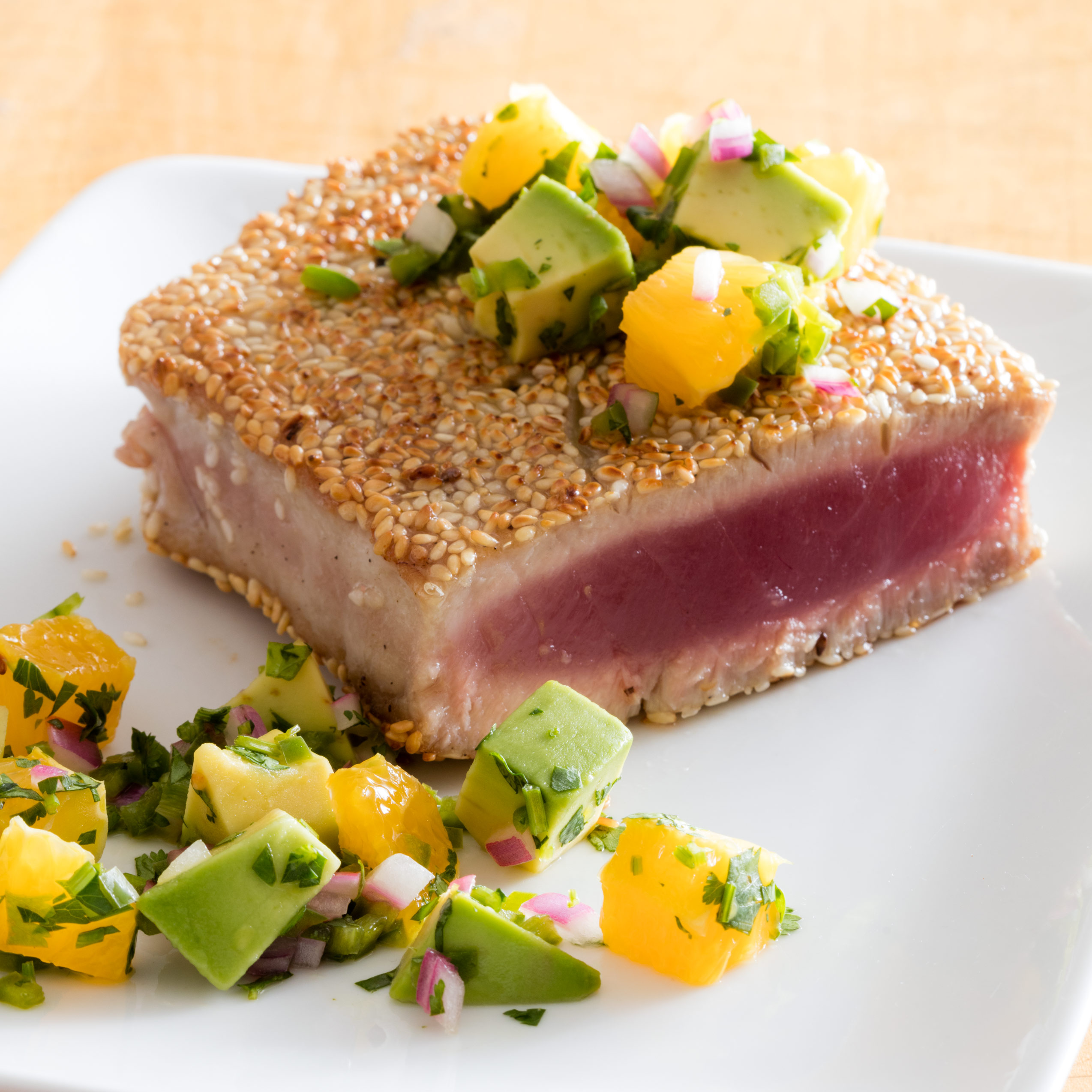
Credit: igrs.itu.edu.tr
How To Pan-fry Tuna Steak: Step-by-step
Cooking tuna steak is fast—usually just 2–3 minutes per side. Here’s how to do it right.
Step 1: Preheat The Pan
Place your skillet over medium-high to high heat. Add just enough oil (olive, canola, or avocado) to coat the bottom. Wait until the oil shimmers or barely starts to smoke. A hot pan is key for a good sear.
Step 2: Season And Oil The Tuna
Pat the steak dry again if needed. Rub both sides with a light layer of oil, then sprinkle with salt and pepper. If using sesame seeds or other coatings, press them on now.
Step 3: Sear The Tuna Steak
Lay the steak in the hot pan. You should hear a strong sizzle. Let it cook, undisturbed, for 1. 5–2 minutes. Flip with tongs and cook the other side for another 1. 5–2 minutes.
For a 1-inch thick steak, this will give you a rare to medium-rare center. The outside should be golden and crisp.
Step 4: Check Doneness
Tuna is best served rare or medium-rare—pink or red inside. Overcooking makes it dry and tough. If you like it more done, add 30–60 seconds per side, but avoid going past medium.
Here’s a quick doneness guide:
| Doneness | Internal Color | Time (per side, 1-inch steak) | Temp (°F) |
|---|---|---|---|
| Rare | Red, cool center | 1–1.5 min | 90–100 |
| Medium-rare | Pink, warm center | 1.5–2 min | 110–120 |
| Medium | Light pink, mostly cooked | 2–2.5 min | 125–130 |
| Well done | Gray, fully cooked | 3+ min | 140+ |
A thermometer is best, but with practice, you can judge doneness by touch—the steak will feel springy but not hard when rare or medium-rare.
Step 5: Rest And Slice
Transfer the steak to a plate. Let it rest for 2–3 minutes. This lets the juices settle and keeps the steak moist. Slice against the grain for the tenderest results.
Flavor Variations And Marinades
While salt and pepper are classic, tuna steak pairs well with bold flavors:
- Asian-style: Marinate for 10 minutes in soy sauce, ginger, and sesame oil.
- Mediterranean: Rub with lemon zest, chopped rosemary, and garlic.
- Spicy: Dust with chili powder or cayenne before cooking.
A marinade can boost flavor, but don’t marinate too long—30 minutes is plenty. Acidic marinades (like lemon or vinegar) can start “cooking” the tuna if left too long, changing its texture.
Serving Suggestions
Tuna steak is versatile and works with many sides. Here are some great pairings:
- Simple salad: Greens with a lemon vinaigrette.
- Grilled vegetables: Asparagus, zucchini, or bell peppers.
- Rice or quinoa: For a more filling meal.
- Salsa or relish: Try mango salsa or olive tapenade.
- Noodles: Cold soba noodles with soy and sesame oil.
A squeeze of fresh lemon or a drizzle of good olive oil can finish the dish nicely.
Common Mistakes And How To Avoid Them
Overcooking
Tuna goes from perfect to dry quickly. Always err on the side of undercooking—it will continue to cook a bit as it rests.
Not Drying The Steak
Extra moisture prevents browning. Always pat dry before seasoning and cooking.
Pan Not Hot Enough
A cold pan leads to steaming, not searing. Wait until the oil is hot and shimmering.
Using The Wrong Oil
Use oils with a high smoke point, like canola or avocado, to avoid burning.
Skipping Rest Time
Cutting the steak immediately can let the juices run out. Always rest briefly before slicing.
Nutrition And Health Benefits
Tuna is considered a nutritional powerhouse. A 4-ounce tuna steak (about 113 grams) provides:
- Calories: 120–150
- Protein: 25–28 grams
- Fat: 1–5 grams, depending on variety
- Omega-3s: 500–1,500 mg (important for heart health)
Tuna is also rich in selenium, vitamin B12, and vitamin D. However, due to mercury content, it’s best to limit high-mercury varieties (like Bluefin) to once a week, especially for pregnant women and children. For more details on mercury and fish, check the FDA guidance.
How Pan-fried Tuna Compares To Other Cooking Methods
Pan-frying is quick and gives the best sear. But how does it compare to other popular methods?
| Method | Cooking Time | Texture | Flavor | Difficulty |
|---|---|---|---|---|
| Pan-frying | 4–6 min | Crisp outside, rare/medium-rare inside | Rich, caramelized | Easy |
| Grilling | 4–8 min | Charred, smoky | Smoky, bold | Medium |
| Baking | 10–15 min | Evenly cooked, less crisp | Milder | Easy |
| Broiling | 5–7 min | Slight crust, juicy | Toasty, strong | Medium |
| Raw (sashimi) | 0 min | Silky, tender | Pure, clean | Advanced |
Pan-frying is best for beginners and offers maximum control over doneness.
Practical Tips For Perfect Pan-fried Tuna Steak
- Buy the best steak you can afford: Quality makes a big difference.
- Don’t crowd the pan: Cook one or two steaks at a time for even searing.
- Let the steak come to room temperature: Cold tuna can cook unevenly.
- Try a crust: Coat in sesame seeds or crushed peppercorns for extra crunch.
- Rest the steak: Always let it sit before slicing.
- Slice against the grain: This ensures tenderness.
Two insights beginners often miss:
- Oil the fish, not just the pan: Oiling the steak before cooking helps the seasonings stick and prevents sticking.
- Tuna continues to cook after leaving the pan: Remove it just before your desired doneness.
Frequently Asked Questions

Credit: www.bowlofdelicious.com
How Do I Know If My Tuna Steak Is Fresh Enough To Eat Rare?
Fresh tuna should be bright red, firm, and have no strong odor. If in doubt, ask your fishmonger when it was caught. Only eat rare tuna if you trust the source and it’s labeled sushi- or sashimi-grade.
Can I Pan-fry Tuna Steak From Frozen?
It’s best to thaw tuna steak before cooking. Frozen tuna releases water as it cooks, making it hard to get a good sear. For best results, thaw overnight in the fridge.
What Oil Is Best For Pan-frying Tuna Steak?
Choose oils with a high smoke point like canola, peanut, avocado, or grapeseed oil. Olive oil is fine if you keep the heat moderate, but avoid butter—it burns too quickly.
How Do I Avoid Overcooking My Tuna Steak?
Use high heat and short cooking times. For a 1-inch steak, 1.5–2 minutes per side is usually enough for rare or medium-rare. Remove from the pan just before your desired doneness, as it will keep cooking as it rests.
What Are Some Good Sauces For Tuna Steak?
Tuna pairs well with many sauces, including soy-ginger glaze, lemon-caper butter, wasabi mayo, or a simple salsa. Avoid heavy cream sauces—they can overpower the fish’s delicate flavor.
Pan-frying tuna steak at home lets you enjoy restaurant-quality seafood with simple tools and ingredients. With the right technique, you’ll achieve that perfect sear and tender center every time. Don’t be afraid to experiment with seasonings or sides—tuna steak is versatile and forgiving, as long as you keep an eye on the heat and timing.
Whether you’re cooking for yourself or impressing guests, you now have all the knowledge you need to make pan-fried tuna steak a regular favorite.

Hello, This is Annie Walker, a 38-year-old blogger, founder, and editor of Cookware Guider from NY, USA. I am a cookware fanatic and passionate cooker. I love to cook with different types of cooking appliances (example: all types of cookware, rice cookers, slow cookers, etc) almost every day in my kitchen. I love to share my experience with my readers in my blog. Also, I enjoy helping people to solve their problems through my website. You can follow me on Twitter & Pinterest. To know details about my blog please check the about us page.