
Cooking chicken in a frying pan is a skill every home cook should master. It is fast, convenient, and brings out incredible flavors when done right. Whether you want juicy chicken breasts for salads, crispy thighs for dinner, or a simple protein for meal prep, the frying pan is a reliable tool.
Many people fear dry or undercooked chicken, but with the right steps, you can create a meal that’s both delicious and safe. This guide will walk you through every detail, from choosing the right cut to serving your perfectly cooked chicken, so you get consistent, tasty results every time.
Choosing The Best Chicken For Pan Frying
Not all chicken pieces are created equal when it comes to frying in a pan. Here’s how to make the right choice:
Chicken Cuts: Which One To Use?
The most common cuts for pan frying are chicken breasts, thighs, and cutlets. Each has unique benefits:
- Chicken breasts: Lean and quick to cook, but can dry out if overcooked.
- Chicken thighs: Juicier due to higher fat content, more forgiving.
- Cutlets: Thinly sliced breast or thigh, cook very fast, ideal for a quick meal.
Bone-in Vs Boneless
Boneless pieces cook faster and more evenly. Bone-in pieces take longer but deliver more flavor. For beginners, boneless is simpler, but both are possible with good technique.
Skin-on Or Skinless
Skin-on chicken creates a crispy exterior, trapping moisture inside. Skinless is lower in fat and calories but can dry out quickly. Your choice depends on your health goals and taste preferences.
Fresh Vs Frozen
Fresh chicken offers better texture, but frozen is convenient and safe if thawed properly. Thaw frozen chicken in the fridge overnight—never on the counter—to prevent bacteria growth.
Preparing Chicken For The Pan
Great pan-fried chicken starts before it even touches the heat. Preparation makes a big difference in taste and texture.
Patting Chicken Dry
Use paper towels to pat the chicken dry. Removing surface moisture helps the meat brown evenly and prevents steaming.
Seasoning
Season generously with salt and pepper. For more flavor, add garlic powder, paprika, dried herbs, or your favorite spice mix.
Marinating
While not required, marinating chicken for 30 minutes to 2 hours can boost flavor and tenderness. Use a mix of olive oil, lemon juice, herbs, and spices. Avoid marinating for more than 24 hours, as acids can toughen the meat.
Pounding For Even Thickness
If you are frying chicken breasts, pound them to even thickness (about ½ inch) using a meat mallet or rolling pin. This ensures even cooking and prevents dry edges.
Credit: www.budgetbytes.com
Essential Tools And Ingredients
Before you start, gather your equipment and ingredients for smooth cooking.
Tools You’ll Need
- Heavy frying pan or skillet (cast iron or stainless steel works best)
- Tongs for flipping
- Meat thermometer (for perfect doneness)
- Paper towels
- Cutting board and knife
- Small bowl for seasoning/marinade
Key Ingredients
- Chicken pieces (breast, thigh, or cutlet)
- Cooking oil (vegetable, canola, or olive oil)
- Salt and pepper
- Optional spices and herbs
- Butter (optional, for basting or flavor)
How Cooking Oils Compare
The right oil can make a big difference. Here’s a quick comparison:
| Oil Type | Smoke Point | Flavor | Best For |
|---|---|---|---|
| Canola Oil | 400°F | Neutral | General frying |
| Olive Oil (light/refined) | 465°F | Mild | Flavorful frying |
| Butter | 350°F | Rich, creamy | Basting, finishing |
| Vegetable Oil | 400°F | Neutral | High-heat frying |
Non-obvious tip: Combine a neutral oil with a small amount of butter. The oil raises the smoke point, and the butter adds rich flavor.
Step-by-step Guide: Cooking Chicken In A Frying Pan
Follow these steps for juicy, flavorful chicken every time.
1. Prep The Chicken
- Pat chicken dry with paper towels.
- Pound to even thickness if needed.
- Season both sides with salt, pepper, and other spices.
- Optional: Marinate as described earlier.
2. Preheat The Pan
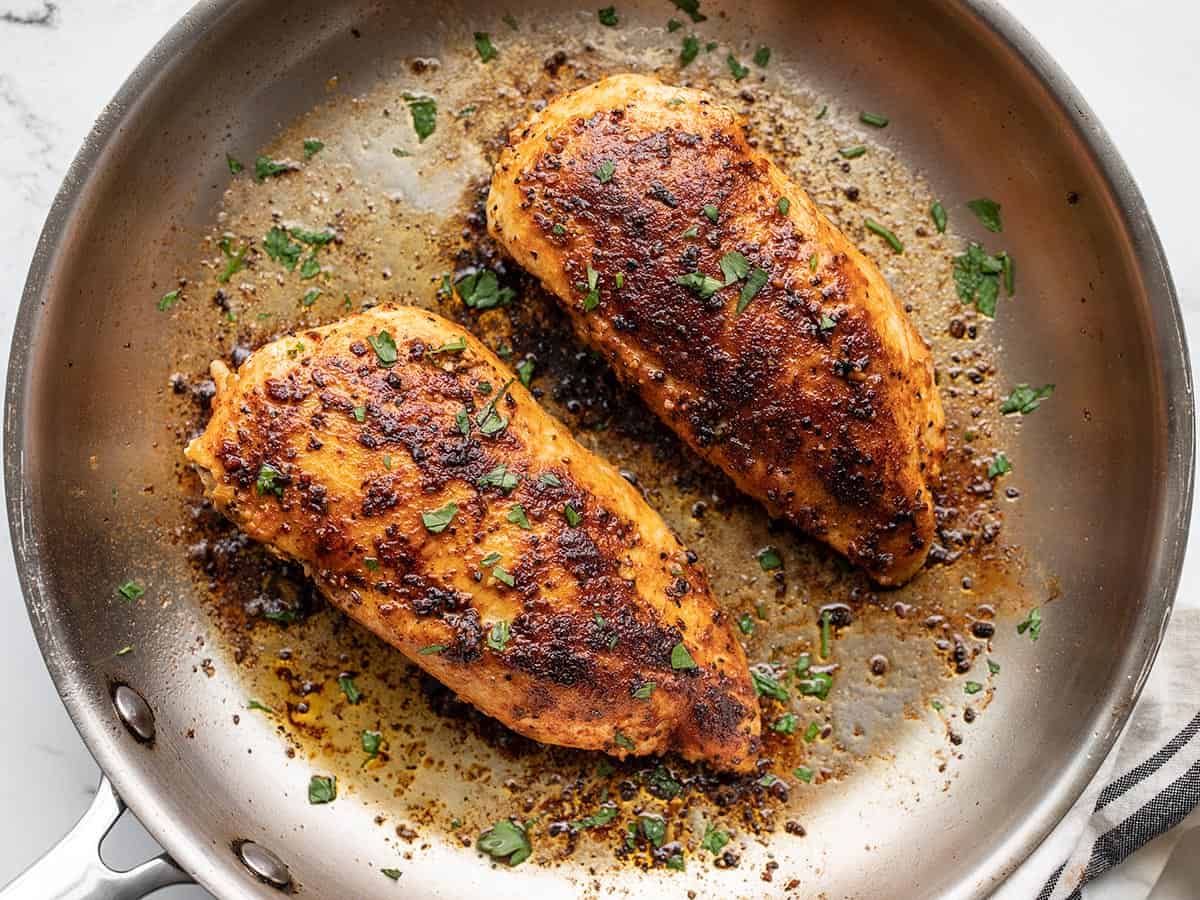
Place your pan over medium-high heat. Allow it to get hot before adding oil. A hot pan gives the chicken a golden crust.
3. Add Oil
Pour 1-2 tablespoons of oil into the pan. Swirl to coat the bottom. Wait until the oil shimmers but does not smoke.
4. Place Chicken In The Pan
Lay chicken pieces in the pan without crowding. If necessary, cook in batches. Overcrowding lowers the temperature and causes steaming instead of browning.
5. Let It Sear—do Not Move
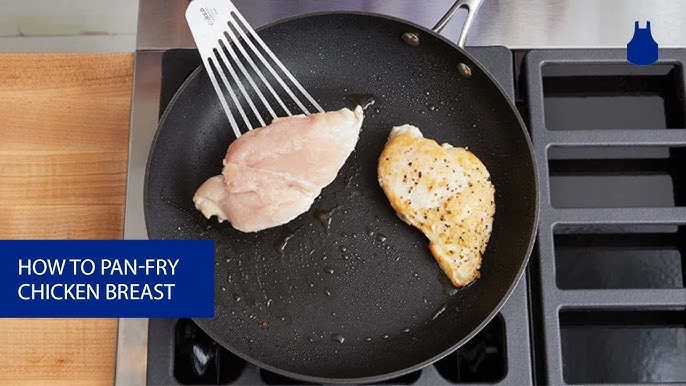
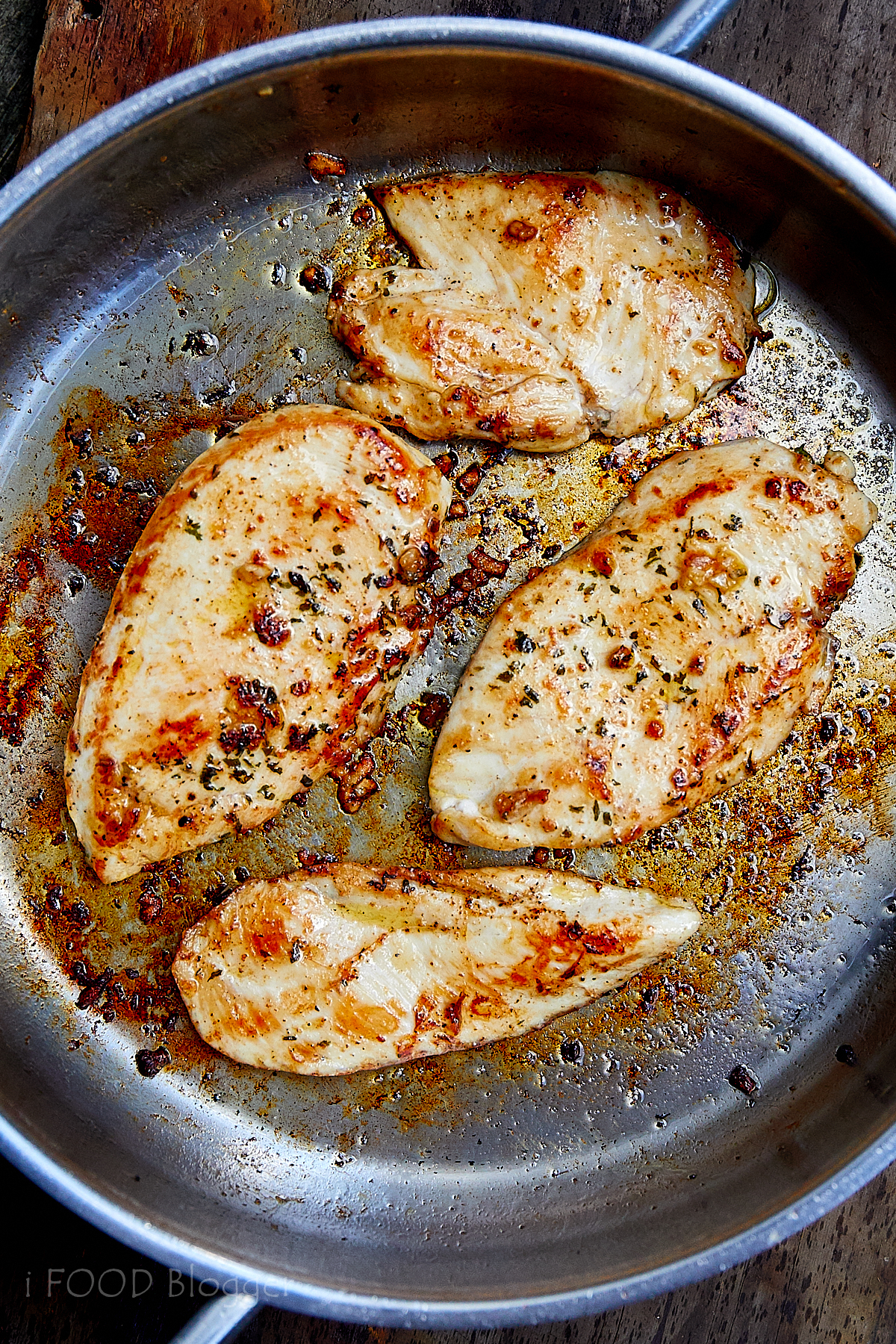
Let the chicken cook undisturbed for 4-6 minutes (for breasts or cutlets), or 6-8 minutes for thighs. When it’s ready to flip, it will release easily from the pan.
6. Flip And Finish Cooking
Turn the chicken over with tongs. Reduce heat to medium. Cook another 4-6 minutes (breast/cutlet) or 6-8 minutes (thighs). If the chicken is thick, cover the pan with a lid for the final minutes to help it cook through.
7. Check Doneness
Use a meat thermometer to check the thickest part. The safe internal temperature is 165°F (74°C). No thermometer? Cut into the thickest piece—the juices should run clear, not pink.
8. Rest Before Slicing
Remove chicken from the pan and let rest for 3-5 minutes. This lets juices redistribute and keeps the meat moist.
Cooking Times For Different Chicken Cuts
Cooking time depends on cut and thickness. Here is a quick comparison:
| Chicken Cut | Average Thickness | Cook Time (per side) | Total Cook Time |
|---|---|---|---|
| Boneless Breast | ½ inch | 4-6 min | 8-12 min |
| Boneless Thigh | ¾ inch | 6-8 min | 12-16 min |
| Chicken Cutlet | ⅓ inch | 2-3 min | 4-6 min |
| Bone-In Thigh | 1 inch | 8-10 min | 16-20 min |
Practical insight: Use these times as a guide, but always check with a thermometer for safety.
Tips For Even Better Pan-fried Chicken
Some details can make a big difference in your final result.
Don’t Overcrowd The Pan
Give each piece of chicken space. Overcrowding causes the chicken to steam instead of sear, making it less crispy.
Use The Right Pan
A heavy pan (cast iron or stainless steel) holds heat better, giving more even browning. Nonstick pans can work but may not brown as well.
Add Butter And Aromatics
For extra flavor, add a tablespoon of butter and smashed garlic cloves or fresh herbs (like thyme or rosemary) during the last 2 minutes of cooking. Spoon the melted butter over the chicken as it finishes.
Deglaze For A Simple Pan Sauce
After removing the chicken, pour a splash of chicken broth, wine, or water into the hot pan. Scrape up the browned bits and simmer for a minute. This creates a flavorful sauce to drizzle over your chicken.
Let It Rest
Never skip the resting step. Resting keeps your chicken juicy and is the easiest way to avoid dry meat.
Common Mistakes And How To Avoid Them
Even experienced cooks make mistakes. Here’s how to avoid the most common problems:
- Starting with cold chicken: Let chicken sit at room temperature for 15 minutes before cooking to help it cook evenly.
- Skipping the pat dry step: Moisture stops browning and makes chicken rubbery.
- Cooking at too high or low heat: Too hot burns the outside before the inside cooks. Too low steams the meat. Medium-high for searing, then medium to finish, is ideal.
- Not checking temperature: Guessing can lead to undercooked or dry chicken. Use a thermometer.
- Cutting too soon: Slicing right away lets juices escape, drying out your chicken.
Extra tip: If your chicken sticks to the pan, it’s not ready to flip. Wait another minute—it will release naturally when seared.
Variations: Recipes And Flavor Ideas
Pan-fried chicken is a blank canvas for flavor. Try these easy twists:
Lemon Garlic Chicken
- Season chicken with salt, pepper, and garlic powder.
- Sear as usual. In the last 2 minutes, add a tablespoon of butter and juice from half a lemon.
- Spoon sauce over chicken before serving.
Herbed Chicken Cutlets
- Mix chopped parsley, thyme, and oregano with your salt and pepper.
- Coat chicken with the herb mix before frying.
- Serve with a squeeze of fresh lemon.
Spicy Paprika Chicken Thighs
- Season chicken with salt, pepper, smoked paprika, and cayenne.
- Sear as usual.
- Add a splash of chicken broth to the pan after cooking for a quick sauce.
Buttermilk-brined Chicken
- Soak chicken in buttermilk, salt, and garlic for 1-2 hours.
- Pat dry, season, and pan fry.
- The buttermilk makes the chicken extra tender and flavorful.
Non-obvious insight: Add a teaspoon of Dijon mustard to your marinade for a subtle tang and better browning.
Credit: www.youtube.com
How To Serve And Store Pan-fried Chicken
Once your chicken is cooked to perfection, here’s how to enjoy it at its best.
Serving Suggestions
- Slice and serve over salads or rice bowls.
- Pair with roasted vegetables or mashed potatoes.
- Use in sandwiches or wraps.
- Slice and add to pasta with a simple cream or tomato sauce.
Storing Leftovers
- Cool chicken to room temperature within two hours.
- Store in an airtight container in the fridge for up to 4 days.
- Freeze for up to 2 months. Thaw in the fridge before reheating.
Reheating Tips
- Reheat gently in a covered skillet over low heat with a splash of water or broth to prevent drying out.
- Avoid microwaving, which can make chicken rubbery.
Health And Safety: Avoiding Foodborne Illness
Chicken is a common source of foodborne bacteria like Salmonella, so safety is important.
- Always wash hands, utensils, and surfaces after handling raw chicken.
- Don’t wash chicken before cooking—this can spread bacteria.
- Cook to at least 165°F (74°C).
- Store leftovers promptly and reheat to at least 165°F.
More safety information can be found at the CDC’s food safety page.
Credit: cravingtasty.com
Comparing Pan Frying To Other Chicken Cooking Methods
Pan frying isn’t the only way to cook chicken. Here’s how it compares to other popular techniques:
| Method | Texture | Flavor | Time | Best For |
|---|---|---|---|---|
| Pan Frying | Crispy outside, juicy inside | Rich, browned | Fast (15 min) | Quick meals, cutlets |
| Oven Baking | Even, drier | Milder, less browning | Medium (25-40 min) | Large batches, bone-in |
| Grilling | Charred, smoky | Distinct, outdoor | Fast (10-20 min) | Summer meals, flavor |
| Poaching | Very moist, tender | Subtle | Medium (15-20 min) | Shredded chicken, salads |
Key takeaway: Pan frying gives the best crust and flavor in the shortest time, ideal for weeknight dinners.
Frequently Asked Questions
How Do I Keep Chicken From Sticking To The Pan?
Use a hot pan with enough oil, and do not move the chicken for the first few minutes. Chicken releases naturally when it’s seared. If it still sticks, your pan may not be hot enough or may need more oil.
What Oil Is Best For Frying Chicken In A Pan?
Choose oils with a high smoke point, like canola, vegetable, or light olive oil. For extra flavor, add a bit of butter at the end, but don’t use only butter for frying as it burns easily.
Can I Cook Chicken Straight From Frozen In A Frying Pan?
It’s not recommended. Frozen chicken will cook unevenly and may not reach a safe temperature inside before the outside burns. Always thaw chicken in the fridge before cooking.
How Do I Know If My Chicken Is Cooked Without A Thermometer?
Cut into the thickest part; the juices should run clear and the meat should be white, not pink. However, a thermometer is the most reliable way to ensure safety.
How Can I Make My Pan-fried Chicken More Flavorful?
Season well before cooking and try adding aromatics like garlic, herbs, or lemon at the end. Marinating the chicken or making a quick pan sauce after cooking also adds flavor.
Mastering how to cook chicken in a frying pan opens up endless possibilities for quick, tasty meals. With the right preparation, techniques, and a few flavor tricks, you’ll create chicken that’s juicy, flavorful, and never boring. Try different variations, experiment with spices, and soon you’ll have a signature dish.
Whether for a simple weeknight dinner or impressing guests, pan-fried chicken is a skill worth perfecting in any kitchen.

Hello, This is Annie Walker, a 38-year-old blogger, founder, and editor of Cookware Guider from NY, USA. I am a cookware fanatic and passionate cooker. I love to cook with different types of cooking appliances (example: all types of cookware, rice cookers, slow cookers, etc) almost every day in my kitchen. I love to share my experience with my readers in my blog. Also, I enjoy helping people to solve their problems through my website. You can follow me on Twitter & Pinterest. To know details about my blog please check the about us page.