
Frying fish in a pan with oil is a skill that many home cooks want to master. When done right, it gives you a crispy, golden crust and juicy, flavorful fish inside. But frying fish is more than just dropping fillets into hot oil.
It requires the right ingredients, technique, and timing. In this article, you’ll get step-by-step guidance, practical tips, and answers to common questions. Whether you’re new to cooking or have tried frying fish before, you’ll learn how to do it better and avoid mistakes that can ruin your meal.
Choosing The Right Fish
Selecting the best fish is the first step to great results. Not every fish is suitable for frying. Some fall apart, others have too much moisture, and some don’t get crispy. Here’s what you need to know:
- Fish with firm flesh are ideal. Examples: cod, tilapia, catfish, snapper, and salmon.
- Avoid fish that are too oily or delicate, like sardines or sole.
- Freshness is key. Look for fish with clear eyes and firm texture. If buying fillets, they should look moist but not slimy.
Whole Fish Vs. Fillets
Whole fish is more flavorful but harder to handle. Fillets cook faster and are easier to flip. For beginners, fillets are a safer choice. If you use whole fish, make sure it’s scaled and gutted.
Frozen Fish
Frozen fish can work, but thaw it completely before frying. Water inside frozen fish causes splattering and soggy results.
Types Of Oil For Frying Fish
The oil you use affects taste, texture, and safety. Not all oils are good for frying.
Best Oils For Frying
- Canola oil: Neutral flavor, high smoke point (400°F)
- Peanut oil: Slightly nutty, high smoke point (450°F)
- Sunflower oil: Light, neutral, smoke point (440°F)
- Corn oil: Good for crispiness, smoke point (450°F)
- Vegetable oil: Cheap, widely available, smoke point (400°F)
Oils To Avoid
- Olive oil: Low smoke point, can burn easily
- Butter: Burns quickly, not ideal for high heat
- Sesame oil: Strong flavor, low smoke point
Here’s a quick comparison of popular oils for frying fish:
| Oil Type | Smoke Point (°F) | Flavor | Cost |
|---|---|---|---|
| Canola | 400 | Neutral | Low |
| Peanut | 450 | Nutty | Medium |
| Sunflower | 440 | Light | Medium |
| Corn | 450 | Neutral | Low |
| Vegetable | 400 | Neutral | Low |
How Much Oil To Use
You don’t need to deep-fry. For pan-frying, use enough oil to cover the bottom of the pan, about 1/4 to 1/2 inch deep. This is usually 3-4 tablespoons for fillets.
Preparing The Fish
Preparation makes a huge difference. Follow these steps for the best results:
- Pat the fish dry: Moisture causes oil splatter and soggy crust.
- Season well: Salt, pepper, and extra spices as desired. Simple is best for beginners.
- Coating: You can fry fish without coating, but adding flour, cornmeal, or breadcrumbs gives a crispy finish.
Popular Coatings
- Plain flour: Light, easy, classic.
- Cornmeal: Great for southern-style fish, extra crunch.
- Breadcrumbs: Thick, crispy, holds flavor well.
- Batter: Mix flour and water (or beer) for a thicker crust.
Here’s a basic coating comparison:
| Coating Type | Texture | Flavor Impact | Ease of Use |
|---|---|---|---|
| Flour | Light | Minimal | Easy |
| Cornmeal | Crunchy | Medium | Moderate |
| Breadcrumbs | Thick | Strong | Easy |
| Batter | Extra crispy | Strong | Requires mixing |
Step-by-step Coating
- Pour coating (flour/cornmeal/breadcrumbs) onto a plate.
- Season the coating with salt and pepper.
- Press the fish into the coating, both sides.
- Shake off excess. Too much coating burns.
The Right Pan For Frying Fish
A good pan makes frying easier and safer.
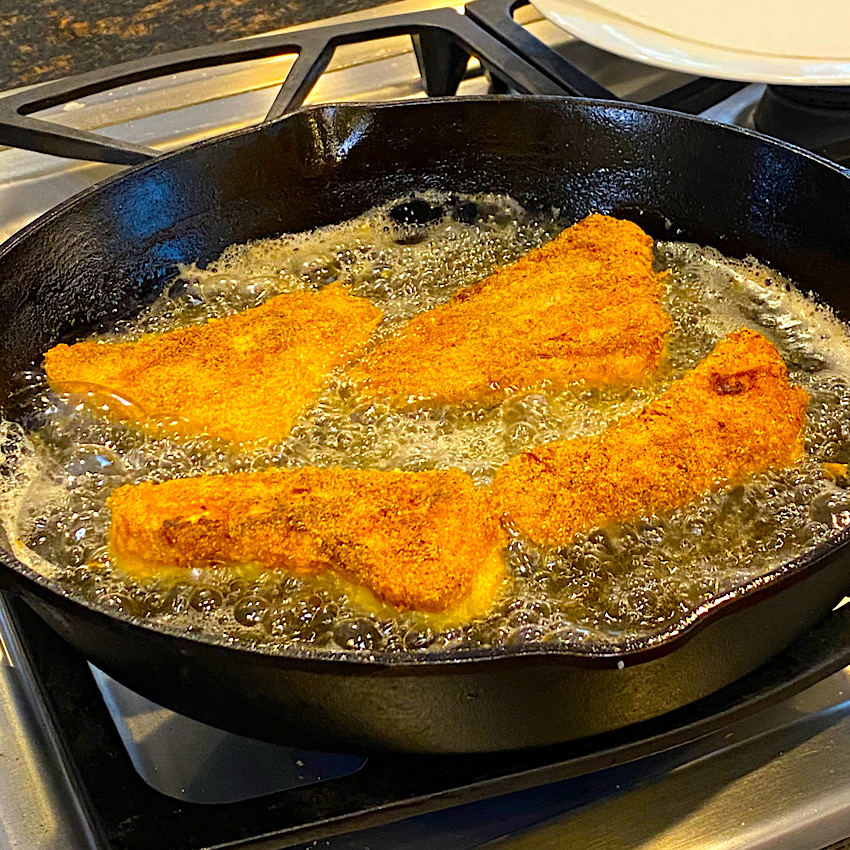
- Cast iron: Best for even heat, holds temperature well.
- Stainless steel: Works, but fish can stick if not careful.
- Non-stick: Good for beginners, easy release, but less crispy crust.
Choose a pan with sides at least 1 inch high to avoid oil splatter.
Credit: atlarastable.com
Step-by-step: How To Fry Fish In A Pan With Oil
Let’s break down the process so you can follow it easily.
Ingredients
- 1 lb firm fish fillets (cod, tilapia, catfish, snapper)
- 1/2 cup flour or cornmeal (or breadcrumbs)
- 1 tsp salt
- 1/2 tsp pepper
- 1/2 cup oil (canola, peanut, or sunflower)
- Optional: Spices (paprika, garlic powder, cayenne)
Equipment
- 10–12 inch frying pan (cast iron or non-stick)
- Tongs or spatula
- Paper towels
- Plate for coating
Cooking Steps
- Dry the fish: Use paper towels to pat fillets dry.
- Season: Sprinkle salt and pepper on both sides.
- Coat: Press fillets in flour or chosen coating. Shake off excess.
- Heat oil: Pour oil into pan. Turn heat to medium-high. Wait until oil shimmers (about 350–375°F).
- Test oil: Drop a bit of coating into oil. If it sizzles, oil is ready.
- Add fish: Place fillets in pan, skin side down if present. Don’t crowd the pan—leave space between pieces.
- Fry: Cook for 3–5 minutes on one side. Don’t move fish until crust forms.
- Flip: Use tongs or spatula. Fry other side 2–4 minutes, until golden brown.
- Check doneness: Fish should flake easily with a fork and reach 145°F inside.
- Drain: Place fried fish on paper towels to remove extra oil.
Cooking Time
Most fillets cook in 6–9 minutes total. Thicker pieces need more time.
Practical Tips For Perfect Fried Fish
Many beginners miss these important details:
- Oil temperature: Too cool and fish absorbs oil; too hot and coating burns. Use a thermometer if possible.
- Don’t overcrowd: Crowding lowers oil temperature and leads to soggy fish.
- Flip only once: Moving fish too much breaks the crust.
- Let oil recover: If frying multiple batches, let oil heat back up between.
- Paper towel drain: Helps keep fish crispy.
Two Non-obvious Insights
- Resting after frying: Let fried fish rest for 2–3 minutes before serving. This keeps the crust from getting soggy.
- Double-coating: For extra crunch, coat fish twice—dip in flour, then egg, then breadcrumbs.
Common Mistakes To Avoid
Mistakes happen, but knowing them helps you avoid disaster:
- Wet fish: Moisture causes splattering and soggy crust.
- Low oil temperature: Fish absorbs oil, gets greasy.
- Too much coating: Excess burns and falls off.
- Flipping too soon: Breaks crust, ruins texture.
- Crowding pan: Oil temperature drops, fish steams instead of fries.
Safety And Health Tips
Frying can be safe and healthy if you follow simple rules:
- Always use pans with higher sides to prevent oil splatter.
- Keep children away from the stove during frying.
- Use canola or sunflower oil for healthier results (lower saturated fat).
- Don’t reuse oil more than once—old oil contains harmful compounds.
- Serve with fresh vegetables or salads for balance.
Serving Ideas And Pairings
Fried fish is delicious on its own, but pairing boosts flavor and enjoyment.
- Lemon wedges: Fresh acidity cuts through oil.
- Tartar sauce: Creamy, tangy, classic.
- Coleslaw: Crunchy, balances richness.
- French fries: Traditional pairing.
- Rice or bread: Soaks up juices and flavors.
For a healthier meal, serve fried fish with steamed veggies or a green salad.
How To Store And Reheat Fried Fish
Fried fish tastes best fresh, but you can store leftovers.
- Place leftover fish in a container with paper towels to absorb moisture.
- Refrigerate for up to 2 days.
- To reheat, use an oven or air fryer. Avoid microwaving—it makes crust soggy.
Reheating Steps
- Preheat oven to 350°F.
- Place fish on a wire rack or baking sheet.
- Heat for 8–10 minutes until hot and crispy.
Comparing Pan-frying Vs. Deep-frying Fish
Many wonder if pan-frying or deep-frying is better. Here’s a quick comparison:
| Method | Oil Usage | Texture | Flavor | Health |
|---|---|---|---|---|
| Pan-Frying | Low | Crispy outside, juicy inside | Fresh, less oily | Better (less oil absorbed) |
| Deep-Frying | High | Even crispier, thicker crust | Can taste oily | Worse (more oil absorbed) |
Pan-frying is easier, healthier, and needs less oil. It’s best for home cooks.
Fish Frying Around The World
Fried fish is enjoyed globally, with unique styles in every region.
- United States: Southern catfish with cornmeal crust.
- United Kingdom: Fish and chips (cod or haddock, thick batter).
- India: Spiced fried fish with turmeric and chili.
- Japan: Tempura, light and airy batter.
- Spain: Fried anchovies, olive oil, simple flour.
If you want to try new flavors, add spices or herbs from these cultures.

Credit: www.recipetineats.com
Nutrition Facts: Fried Fish
Fried fish can be part of a balanced diet if cooked smartly.
- 1 fried fillet (about 4 oz) contains:
- Calories: 220–300 (depends on oil and coating)
- Protein: 20–25g
- Fat: 12–18g
- Sodium: 350–600mg (depends on seasoning)
Using less oil and thinner coating keeps calories lower. Fish itself is rich in omega-3 fatty acids, which are good for heart health.
Cleaning Up After Frying
Cleaning is important to keep your kitchen safe and fresh.
- Let oil cool completely before discarding.
- Strain used oil and store for one more use, or discard safely.
- Wipe pan with paper towels, wash with soap and water.
- Air out kitchen to remove oil smell.
Never pour oil down the drain—it causes plumbing problems.
Troubleshooting: If Things Go Wrong
Sometimes, things don’t go as planned. Here’s how to fix common problems:
- Fish sticks to pan: Make sure pan is hot enough and coated fish is dry.
- Crust falls off: Too much coating or moving fish too soon.
- Fish is greasy: Oil not hot enough, or fish not drained properly.
- Fish undercooked: Use a thermometer, aim for 145°F inside.
If your fish isn’t perfect, don’t worry. Practice improves your skill.
Advanced Techniques For Experienced Cooks
Once you master the basics, try these:
- Marinate fish: Use lemon juice, garlic, or spices for extra flavor before coating.
- Use panko breadcrumbs: Japanese style, extra crispy.
- Add herbs to oil: Fry rosemary or thyme briefly to flavor oil.
- Make homemade tartar sauce: Mix mayonnaise, pickles, lemon juice, and herbs.
These steps lift your fried fish to restaurant quality.
:max_bytes(150000):strip_icc()/Fish-Pan-Fry-by-Blaine-MoatsMeredith-1-1-5843f621f32b4fb4ab1ffb26658c860c.jpg)
Credit: www.allrecipes.com
Frequently Asked Questions
How Do I Know When The Oil Is Hot Enough?
The oil should shimmer and move easily in the pan. A thermometer will show 350–375°F. If you drop a bit of coating or bread into oil and it sizzles right away, oil is ready. Too cool and fish absorbs oil, too hot and coating burns.
Can I Fry Fish Without Any Coating?
Yes, you can fry fish without coating. The surface will be less crispy but still tasty. Just make sure to dry the fish well and season both sides. Use non-stick pans to avoid sticking.
What’s The Best Way To Avoid Fish Sticking To The Pan?
Dry the fish before frying, use enough oil, and let it cook undisturbed until the crust forms. Cast iron and non-stick pans help. If the fish still sticks, wait a bit longer before flipping.
How Long Does Fried Fish Stay Crispy?
Fried fish stays crispy for about 20–30 minutes. To keep it crispy longer, drain on paper towels and let it rest. Don’t cover with foil, as steam softens the crust. Serve as soon as possible.
Is Fried Fish Healthy?
Fried fish can be healthy if you use a small amount of oil, choose firm fish with low fat, and serve with vegetables. Avoid heavy batters and high-fat oils. Fish is rich in protein and omega-3s. For more health info, check Healthline’s guide.
Mastering how to fry fish in a pan with oil is a valuable skill for home cooks. With the right fish, oil, coating, and technique, you can make meals that are both delicious and satisfying. Remember to use firm fillets, keep oil hot, and avoid common mistakes.
Try new flavors, serve with tasty sides, and enjoy your homemade fried fish. With practice, you’ll get perfect results every time.

Hello, This is Annie Walker, a 38-year-old blogger, founder, and editor of Cookware Guider from NY, USA. I am a cookware fanatic and passionate cooker. I love to cook with different types of cooking appliances (example: all types of cookware, rice cookers, slow cookers, etc) almost every day in my kitchen. I love to share my experience with my readers in my blog. Also, I enjoy helping people to solve their problems through my website. You can follow me on Twitter & Pinterest. To know details about my blog please check the about us page.