
Few things feel as rewarding in the kitchen as nailing a perfectly pan-fried tuna steak. This meal brings together speed, elegance, and flavor in a way that few proteins can match. Tuna steaks have a rich, meaty texture and a delicate taste that rewards simple cooking methods.
But despite their popularity in restaurants, many home cooks feel a bit intimidated when it comes to pan frying tuna at home. Maybe you worry about overcooking, or you’re unsure what seasoning works best. Maybe you’ve tried before, but the results felt dry, bland, or uneven.
The good news is, pan frying tuna steaks is straightforward once you understand the basics. With a hot pan, fresh tuna, and a few practical techniques, you can create a restaurant-quality meal in minutes. This guide covers everything: choosing tuna steaks, preparing and seasoning, pan frying step-by-step, and serving suggestions. You’ll also discover non-obvious tips that even intermediate cooks sometimes miss. By the end, you’ll feel confident to pan fry tuna steaks beautifully, every time.
Understanding Tuna Steaks
Tuna steaks are cut from large, meaty fish—most often yellowfin (ahi) or bluefin. Their dense texture is closer to beef than flaky white fish, which makes them ideal for quick, high-heat cooking. Fresh tuna steaks are usually sold boneless, with a reddish-pink flesh and a firm feel.
When cooked correctly, the inside remains moist and almost rare, while the outside develops a flavorful crust.
Types Of Tuna For Pan Frying
The most common varieties found in stores are yellowfin tuna (ahi), bluefin tuna, albacore, and sometimes bigeye tuna. For pan frying, yellowfin and bluefin are preferred because of their flavor, texture, and fat content.
Here’s a quick comparison:
| Type | Texture | Flavor | Best Use |
|---|---|---|---|
| Yellowfin (Ahi) | Firm | Mild, slightly sweet | Pan frying, grilling |
| Bluefin | Very firm, fatty | Rich, buttery | Searing, sashimi |
| Albacore | Softer | Mild | Canning, salads |
| Bigeye | Firm | Full-flavored | Searing, sushi |
Freshness is crucial with tuna steaks, especially since they’re often served rare. Look for moist, glossy flesh with a clean, ocean-like smell. Avoid steaks that look dry, brown, or smell fishy.
What You’ll Need To Pan Fry Tuna Steaks
Gathering the right equipment and ingredients makes the process smoother and the result tastier.
Essential Equipment
- Heavy skillet: Cast iron or stainless steel pans hold heat best and create a nice crust.
- Tongs or a fish spatula: For flipping steaks without breaking them.
- Paper towels: To dry the tuna before cooking.
Key Ingredients
- Tuna steaks (6–8 oz each, about 1-inch thick)
- Oil with a high smoke point (canola, grapeseed, or light olive oil)
- Salt (kosher salt or sea salt flakes)
- Pepper (freshly cracked is best)
- Optional flavorings: Lemon, garlic, herbs, soy sauce, sesame seeds
Here’s a helpful overview:
| Ingredient | Purpose | Notes |
|---|---|---|
| Tuna steak | Main protein | Fresh, 1-inch thick |
| Oil | Prevents sticking | High smoke point only |
| Salt & pepper | Basic seasoning | Add just before cooking |
| Optional extras | Flavor variation | Lemon, sesame, herbs, etc. |

Credit: www.americastestkitchen.com
How To Prepare Tuna Steaks For Pan Frying
Preparation is simple, but a few small steps make a big difference.
- Pat the tuna dry. Use paper towels to remove surface moisture. This helps create a good sear and prevents steaming.
- Season generously. Sprinkle both sides with salt and pepper. For extra flavor, add a light dusting of garlic powder, a squeeze of lemon, or a brush of soy sauce.
- Let the tuna come to room temperature. Take the steaks out of the fridge 15–20 minutes before cooking. This promotes even cooking and a better crust.
- Optional crust: For added texture, press the steaks into sesame seeds or cracked peppercorns before frying.
Non-obvious Insight: Seasoning Timing
Don’t salt the tuna too early—salt draws out moisture, which can prevent browning and dry out the surface. Season just before the tuna hits the pan.
The Pan Frying Process: Step-by-step
Pan frying tuna is fast. The goal is to create a crispy crust while keeping the inside moist and slightly rare. Here’s a breakdown:
Step 1: Preheat The Pan
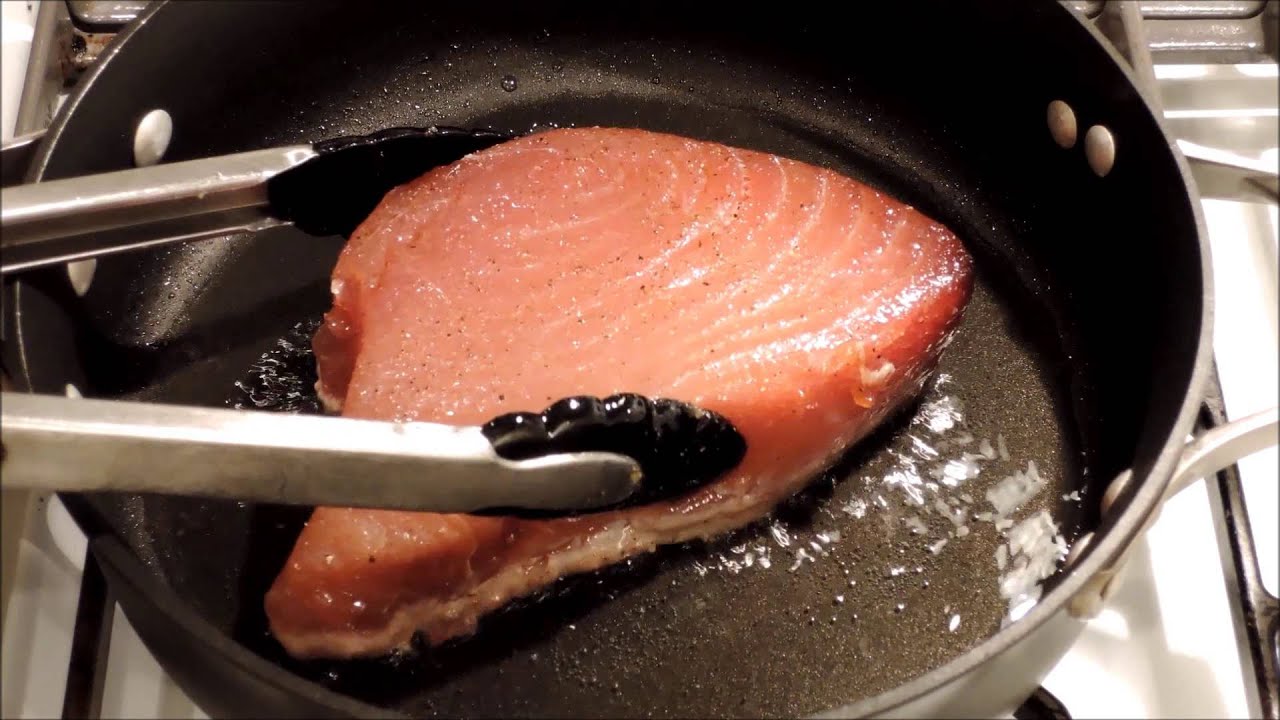
Place your skillet over medium-high to high heat. Let it get very hot—almost smoking. Add a thin layer of oil and heat until shimmering.
Why so hot? A very hot pan sears the outside quickly, locking in juices and preventing sticking.
Step 2: Add The Tuna Steaks
Carefully lay the seasoned tuna steaks in the pan, away from you to avoid oil splatter. Don’t overcrowd—cook in batches if necessary.
Step 3: Sear The First Side
Let the steaks cook undisturbed for about 1. 5–2 minutes for a 1-inch thick steak. You should see a golden-brown crust forming at the bottom edge.
Tip: Resist the urge to move or press down on the steaks. This can tear the crust or release moisture.
Step 4: Flip And Sear The Second Side
Using tongs or a fish spatula, gently flip each steak. Cook for another 1–2 minutes, depending on your desired doneness.
- Rare: 1 minute per side
- Medium-rare: 1.5–2 minutes per side
- Medium: 2.5–3 minutes per side
Step 5: Rest And Serve
Remove the tuna from the pan and let it rest for 2–3 minutes. This keeps the juices inside and evens out the temperature.
Slice against the grain for the best texture.
Practical Example
Suppose you have two 8-ounce, 1-inch thick ahi tuna steaks. You season them with salt, pepper, and a light brush of olive oil. You heat a cast iron skillet for 3 minutes on high, add a tablespoon of canola oil, and place the steaks in the pan. After 2 minutes, you flip them and cook for another 2 minutes. You rest them for 3 minutes before slicing. The result: a deep crust, a rosy pink center, and juicy, flavorful tuna.

Credit: www.bowlofdelicious.com
Understanding Doneness: How To Tell When Tuna Is Done
Unlike many proteins, tuna steaks are best served rare or medium-rare. Overcooked tuna dries out and loses its delicate flavor.
Visual Cues
- The outside should look browned and crisp.
- The center will appear pink or red (rare) or slightly opaque (medium).
Temperature Guide
For those who like precision, here’s a temperature table:
| Doneness | Internal Temp | Texture |
|---|---|---|
| Rare | 90–100°F | Cool, red center |
| Medium-rare | 110–115°F | Warm, pink center |
| Medium | 120–130°F | Lightly pink |
| Well-done | 140°F+ | Gray, dry |
A quick-read thermometer helps, but many cooks simply use timing and visual cues.
Flavor Variations And Seasoning Ideas
While salt and pepper are classic, tuna steaks pair well with many flavors. Here are some ways to boost taste:
- Sesame-crusted: Press steaks into sesame seeds before cooking.
- Asian-inspired: Brush with soy sauce and sprinkle with scallions and ginger.
- Mediterranean: Add lemon zest, thyme, and a drizzle of olive oil.
- Spicy: Rub with smoked paprika or chili powder.
Non-obvious tip: For a savory crust, combine 1 tablespoon panko breadcrumbs with 1 teaspoon sesame seeds and press onto the tuna before frying.
Common Mistakes To Avoid
Even skilled home cooks sometimes run into problems with pan frying tuna. Here’s how to steer clear of trouble:
- Overcooking: Tuna dries out fast. Aim for rare or medium-rare unless you prefer it cooked through.
- Cold pan: If the pan isn’t hot enough, the tuna can stick and steam instead of sear.
- Skipping the rest: Resting isn’t just for steak—it matters for tuna too.
- Crowding the pan: Too many steaks lower the pan’s temperature, preventing a good crust.
- Wet tuna: Moisture on the surface interferes with browning.
Serving Suggestions And Side Dishes
Pan-fried tuna steaks are versatile and pair well with a range of sides. Consider these ideas:
- Simple salad: Arugula, cherry tomatoes, and balsamic vinaigrette
- Grilled vegetables: Zucchini, eggplant, or bell peppers
- Rice or grains: Jasmine rice, quinoa, or couscous
- Sauces: Wasabi mayo, chimichurri, or a squeeze of fresh lemon
For a light meal, slice the tuna and serve over a bed of greens with an Asian-style dressing.
Nutrition And Health Benefits
Tuna is a nutrient-rich protein that’s low in calories and fat, but high in vitamins, minerals, and omega-3 fatty acids.
A 6-ounce tuna steak (yellowfin) provides:
- Around 220 calories
- 40 grams of protein
- Less than 2 grams of fat
- Over 300 mg of omega-3s
These nutrients support heart health, muscle building, and brain function. However, because large tuna can accumulate mercury, the FDA recommends limiting servings to 2–3 per week for most adults. Pregnant women and children should eat even less.
Storing And Reheating Leftover Tuna Steaks
Tuna steaks are best enjoyed fresh, but leftovers can be used in salads or sandwiches. Store cooked tuna in an airtight container in the fridge for up to 2 days. Avoid microwaving, as this dries the fish. Instead, eat leftovers cold or gently reheat in a pan with a splash of oil for 30 seconds per side.
Credit: www.youtube.com
Sustainable Tuna Choices
Overfishing is a concern for many tuna species, especially bluefin. When buying tuna, look for labels like MSC-certified or ask your fishmonger about sourcing. Yellowfin and albacore are generally more sustainable than bluefin, especially when pole-caught.
For more information about sustainable seafood, check out the Monterey Bay Aquarium Seafood Watch.
Additional Tips For Perfect Pan-fried Tuna
- Use a splatter guard: Tuna’s moisture can cause oil to splatter. A splatter guard keeps your stovetop clean.
- Rest on a wire rack: Instead of a plate, rest the tuna on a rack to prevent sogginess.
- Slice before serving: Cutting the tuna into thin slices shows off the pink center and makes for a more elegant presentation.
- Finish with acid: A squeeze of lemon or a drizzle of good vinegar brightens the flavor.
Frequently Asked Questions
What Oil Is Best For Pan Frying Tuna Steaks?
Use an oil with a high smoke point such as canola, grapeseed, or light olive oil. These oils handle high heat and don’t overpower the tuna’s flavor. Avoid butter or extra virgin olive oil, as they burn quickly.
Can You Cook Tuna Steaks From Frozen?
It’s best to thaw tuna steaks completely before pan frying. Frozen tuna tends to release water, making it hard to get a good sear. Thaw overnight in the fridge, then pat dry before cooking.
How Thick Should Tuna Steaks Be For Pan Frying?
The ideal thickness is 1 to 1.5 inches. Thicker steaks allow a nice crust without overcooking the center. Thinner steaks can dry out quickly—adjust cooking time down if using thin cuts.
Should Tuna Steaks Be Marinated Before Pan Frying?
Marinating is optional. Tuna has a delicate flavor that stands on its own with just salt and pepper. If using a marinade, keep it short—15–30 minutes—to avoid overpowering the fish.
Is It Safe To Eat Tuna Steaks Rare?
Yes, if the tuna is sushi-grade or very fresh, it is safe to eat rare. Cooking kills most bacteria, but always buy tuna from a reputable source and handle it properly.
Pan frying tuna steaks doesn’t require complicated steps or rare ingredients. With a hot pan, fresh tuna, and a bit of confidence, you can create a meal that’s both healthy and impressive. Try experimenting with seasonings, sides, and sauces to find your favorite combination.
With these tips, you’re ready to enjoy restaurant-quality tuna steaks at home whenever the mood strikes.

Hello, This is Annie Walker, a 38-year-old blogger, founder, and editor of Cookware Guider from NY, USA. I am a cookware fanatic and passionate cooker. I love to cook with different types of cooking appliances (example: all types of cookware, rice cookers, slow cookers, etc) almost every day in my kitchen. I love to share my experience with my readers in my blog. Also, I enjoy helping people to solve their problems through my website. You can follow me on Twitter & Pinterest. To know details about my blog please check the about us page.