
Pan frying a steak is one of the fastest and most satisfying ways to enjoy a delicious meal at home. You don’t need a grill or fancy equipment—just a good pan, the right cut of beef, and a few simple steps.
But getting that perfect crust and juicy inside is not always easy, especially for beginners. This guide walks you through everything you need to know, from selecting your steak to serving it hot. You’ll learn which mistakes to avoid, how to adjust for different thicknesses, and how to get consistent results every time.
Whether you’re cooking for yourself or impressing friends, you’ll find clear, practical advice here to pan fry a steak with confidence.
Choosing The Right Steak
Success starts with the steak itself. Not every cut is ideal for pan frying. Your choice affects flavor, tenderness, and cooking time.
- Best Cuts for Pan Frying
- Ribeye: Rich in fat and flavor, easy to cook, stays juicy.
- Sirloin: Leaner, still tender, good value.
- New York Strip: Balanced fat, classic steakhouse taste.
- Filet Mignon: Very tender, less fat, cooks quickly.
- T-bone or Porterhouse: Combines two cuts, needs a large pan.
- Ideal Thickness
- Aim for 1–1.5 inches thick. Thinner steaks cook too fast and dry out. Thicker steaks need more skill to avoid burning.
- Freshness and Quality
- Look for bright red color and marbling (white fat lines). Marbling keeps steak moist during cooking.
- Avoid gray or brown steaks—these are older and less flavorful.
- Bone-In or Boneless
- Bone-in adds flavor but needs longer cooking.
- Boneless cooks faster and is easier to manage in a pan.
Non-obvious tip: Many people skip dry-aged steaks because they cost more, but dry aging concentrates flavor and tenderness. If available, try a dry-aged cut for special occasions.
Preparing Your Steak
Preparation makes a big difference in taste and texture. Simple steps lead to a better meal.
Bringing Steak To Room Temperature
Take the steak out of the fridge 30–60 minutes before cooking. Cold steak cooks unevenly—hot outside, raw inside. Room temperature steak gives you a consistent result.
Seasoning
- Use kosher salt and freshly ground black pepper. Salt brings out natural flavors and creates a tasty crust.
- For extra flavor, add garlic powder, smoked paprika, or dried herbs.
- Pat the steak dry with paper towels before seasoning. Moisture stops browning.
Optional Marinades
If you want more flavor, marinate with olive oil, garlic, herbs, and a splash of lemon juice for 1–2 hours. Avoid sugary marinades—they burn easily in a hot pan.
Oil And Butter
Choose high smoke point oils:
- Canola
- Grapeseed
- Avocado oil
Butter adds flavor but burns fast. Use it near the end for taste.
Credit: www.omahasteaks.com
Equipment And Tools
You don’t need fancy gadgets, but a few items help you cook a great steak.
- Heavy-bottomed skillet: Cast iron or stainless steel holds heat best and creates a crust.
- Tongs: Safer than forks; don’t pierce the meat.
- Instant-read thermometer: Ensures accurate doneness.
- Paper towels: To dry steak and mop excess oil.
- Oven mitts: For handling hot pans.
Comparison of Pan Types:
| Pan Type | Heat Retention | Nonstick | Best For |
|---|---|---|---|
| Cast Iron | Excellent | No | Crust, flavor |
| Stainless Steel | Good | No | Even cooking |
| Nonstick | Fair | Yes | Lean steaks |
Step-by-step: How To Pan Fry A Steak
Here’s a clear process for pan frying a steak. These steps cover the essentials and help avoid common mistakes.
1. Heat Your Pan
Place the pan on medium-high heat. Let it get very hot—a drop of water should sizzle and evaporate instantly. Hot pans make the crust.
2. Add Oil
Pour in a tablespoon of oil. Swirl to coat. Wait until the oil shimmers but doesn’t smoke.
3. Place Steak In Pan
Put the steak down gently. Don’t move it for the first 2–3 minutes—this builds the crust.
4. Flip Steak
Turn the steak with tongs. Cook another 2–3 minutes for the other side.
5. Add Butter And Aromatics (optional)
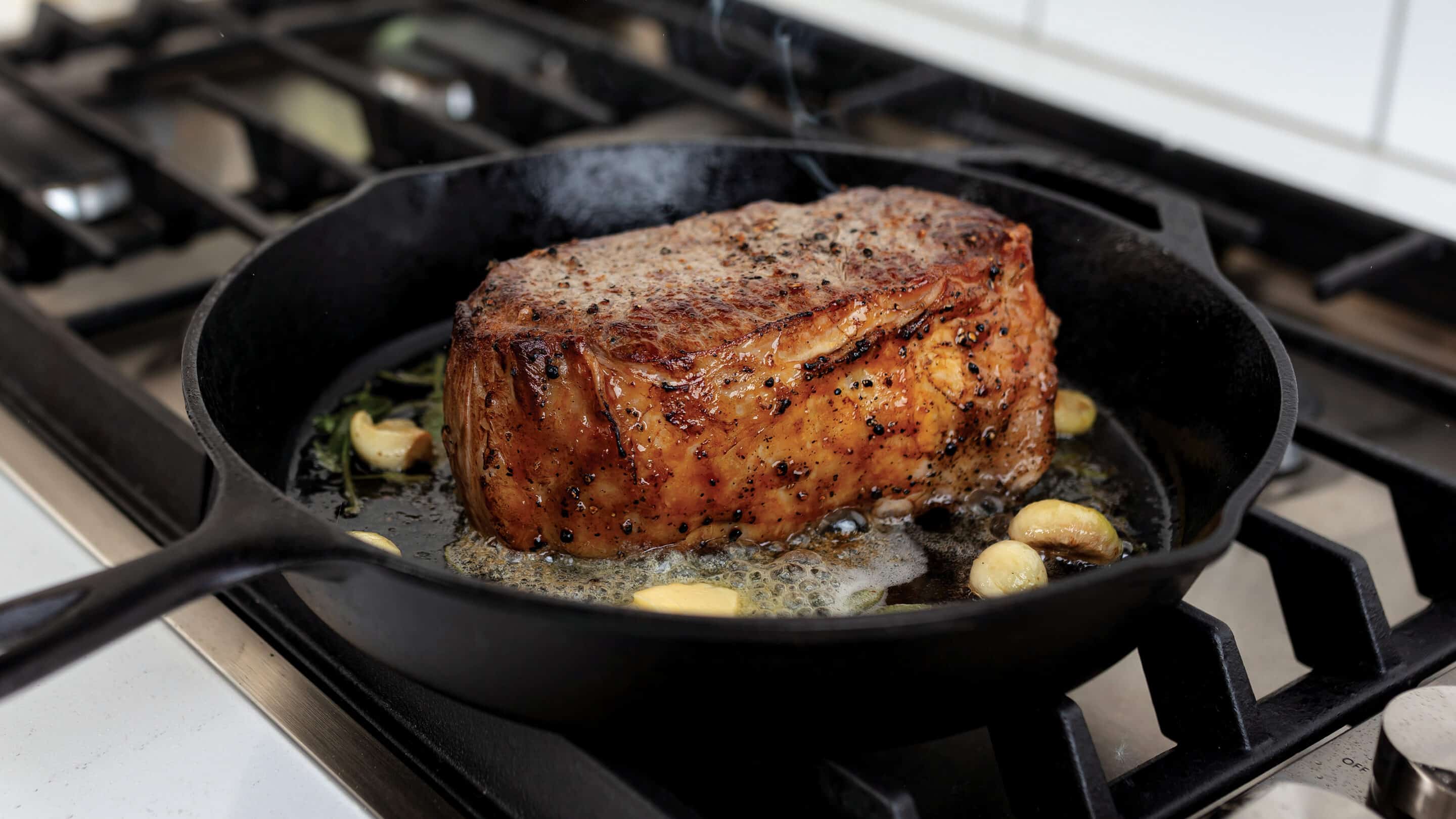
When flipping, add a tablespoon of butter and aromatics like garlic cloves or rosemary. Spoon melted butter over steak for extra flavor.
6. Check Doneness
Use a thermometer for best results. Here are the target temperatures:
| Doneness | Internal Temp (°F) | Color Inside | Cooking Time (per side) |
|---|---|---|---|
| Rare | 120–125 | Red, cool | 2 min |
| Medium Rare | 130–135 | Warm red | 3 min |
| Medium | 140–145 | Pink | 4 min |
| Medium Well | 150–155 | Light pink | 5 min |
| Well Done | 160+ | Brown | 6 min |
Non-obvious tip: Let steak finish cooking outside the pan for a minute after removing. Residual heat keeps cooking the inside.
7. Resting The Steak
Place steak on a plate. Tent with foil. Rest 5–10 minutes. Resting keeps juices inside, making steak tender.
8. Slice And Serve
Cut against the grain (look for lines and slice perpendicular) for tenderness. Serve with sides or sauces.

Credit: kalejunkie.com
Common Mistakes And How To Avoid Them
Even experienced cooks make errors. Knowing them helps you get better results.
- Overcrowding the Pan
- Only cook one or two steaks at a time. Crowding lowers temperature, causes steaming instead of searing.
- Not Drying Steak
- Wet steak won’t brown. Pat dry before seasoning.
- Using Cold Pan
- Always start with a hot pan. Cold pans lead to uneven cooking.
- Piercing the Steak
- Use tongs, not forks. Piercing lets juices escape.
- Skipping Resting Time
- Cutting too soon makes steak lose its juices. Always rest.
- Wrong Oil
- Avoid olive oil at high heat—it burns. Use oils with high smoke points.
- Guessing Doneness
- Use a thermometer. Guessing leads to undercooked or dry steak.
- Turning Too Often
- Flip once. Constant turning prevents crust.
- Cooking Straight from the Fridge
- Room temperature steak cooks more evenly.
- Using Thin Steaks
- Thin steaks overcook quickly. Choose 1–1.5 inch thick cuts.
Pan Frying Steak Vs. Other Cooking Methods
Pan frying is popular, but how does it compare to grilling, broiling, and sous vide? Here’s a quick overview.
| Method | Flavor | Ease | Equipment Needed | Best For |
|---|---|---|---|---|
| Pan Frying | Rich, crusty | Easy | Skillet | Quick meals |
| Grilling | Smoky, charred | Medium | Grill | Outdoor cooking |
| Broiling | Oven-roasted | Medium | Oven | Large cuts |
| Sous Vide | Very tender | Hard | Immersion circulator | Precision cooking |
Pan frying wins for speed, flavor, and simplicity. Grilling is best for smoky taste, sous vide for tenderness, and broiling for big pieces.
Tips For Perfect Pan Fried Steak
A few extra pointers make your steak stand out.
- Preheat pan long enough: Don’t rush. Wait until it’s truly hot.
- Use aromatics: Garlic, thyme, rosemary in butter add restaurant flavor.
- Baste with butter: Tilt the pan and spoon butter over the steak.
- Let steak breathe: After resting, slice and give it a minute to air—this enhances flavor.
- Serve with simple sides: Sautéed vegetables, mashed potatoes, or a fresh salad highlight the steak.
Example: For a classic meal, serve ribeye with roasted potatoes and steamed green beans.
Nutritional Facts
Steak is rich in protein, iron, and vitamin B12. But fat content varies by cut.
| Steak Cut | Calories (per 4 oz) | Protein (g) | Fat (g) |
|---|---|---|---|
| Ribeye | 310 | 23 | 24 |
| Sirloin | 210 | 26 | 9 |
| Filet Mignon | 180 | 24 | 7 |
| New York Strip | 250 | 25 | 16 |
Note: Trim visible fat to reduce calories. Choose leaner cuts for healthier meals.

Credit: flavorthemoments.com
Frequently Asked Questions
What Is The Best Oil For Pan Frying Steak?
Choose canola, grapeseed, or avocado oil. These have high smoke points and won’t burn at steak-searing temperatures. Avoid olive oil for high heat—it can create bitter flavors.
How Do I Know When My Steak Is Done?
Use an instant-read thermometer. Medium rare is 130–135°F inside. If you don’t have a thermometer, press the center: rare feels soft, medium rare is springy, well done is firm.
Can I Pan Fry Frozen Steak?
It’s possible but not ideal. Frozen steaks cook unevenly and lack a good crust. Thaw steak in the fridge overnight for best results. If you must cook from frozen, use lower heat and allow extra cooking time.
Should I Cover The Pan While Frying Steak?
No, don’t cover the pan. Covering traps steam and prevents a crisp crust. Keep the pan uncovered for proper browning.
What Sides Go Well With Pan Fried Steak?
Classic sides include mashed potatoes, grilled asparagus, or fresh salad. For a special touch, try roasted mushrooms or garlic bread. Choose sides that balance the richness of steak.
Pan frying a steak is simple but rewarding when done right. With the right cut, proper preparation, and attention to detail, you can achieve a restaurant-quality meal at home. Remember to use a hot pan, season well, and allow your steak to rest before serving. With practice, you’ll find your own favorite tweaks and sides. For more steak tips and recipes, you can visit Serious Eats. Enjoy your steak—and happy cooking!

Hello, This is Annie Walker, a 38-year-old blogger, founder, and editor of Cookware Guider from NY, USA. I am a cookware fanatic and passionate cooker. I love to cook with different types of cooking appliances (example: all types of cookware, rice cookers, slow cookers, etc) almost every day in my kitchen. I love to share my experience with my readers in my blog. Also, I enjoy helping people to solve their problems through my website. You can follow me on Twitter & Pinterest. To know details about my blog please check the about us page.