
Cooking a perfect sirloin steak in a frying pan is a skill that brings restaurant-quality flavor to your own kitchen. Many people worry about overcooking, under-seasoning, or ending up with a tough piece of meat. The truth is, with the right technique, you can achieve a juicy, flavorful steak using just your stovetop.
This guide will walk you through every step, from choosing the best cut to serving your steak, using clear language and practical tips. Whether you’re cooking for yourself or impressing guests, you’ll soon be confident with pan-frying sirloin steak.
What Is Sirloin Steak?
Sirloin steak comes from the rear back portion of the cow, just above the tenderloin. It’s known for its balance of tenderness and beefy flavor. Sirloin is less expensive than ribeye or filet mignon but still delivers excellent taste and texture. There are several types of sirloin steaks, including top sirloin and bottom sirloin. For pan-frying, top sirloin is the best choice because it’s more tender and evenly shaped.
Sirloin Vs. Other Steak Cuts
Understanding how sirloin compares to other popular steaks helps you make the best choice. Here’s a comparison to guide you:
| Cut | Tenderness | Flavor | Best Use |
|---|---|---|---|
| Sirloin | Medium | Beefy, balanced | Grilling, pan-frying |
| Ribeye | Very Tender | Rich, fatty | Grilling, pan-frying |
| Filet Mignon | Most Tender | Mild, buttery | Pan-searing, roasting |
| Flank | Firm | Deep, meaty | Grilling, slicing |
Sirloin stands out for its value and versatility, making it a great choice for home cooks.
Choosing And Preparing Your Sirloin Steak
A good steak starts with good meat. Here’s how to pick and prep for the best results.
How To Choose The Right Steak
- Thickness: Aim for a steak at least 1 inch thick. Thinner steaks cook too quickly and can dry out.
- Marbling: Look for small white fat lines (marbling). This adds flavor and juiciness.
- Color: The meat should be bright red with no gray spots.
- Packaging: If buying pre-packaged, check for excess liquid, which can mean lower quality.
Preparing Your Steak
- Bring to Room Temperature: Take the steak out of the fridge 30–45 minutes before cooking. This helps it cook evenly.
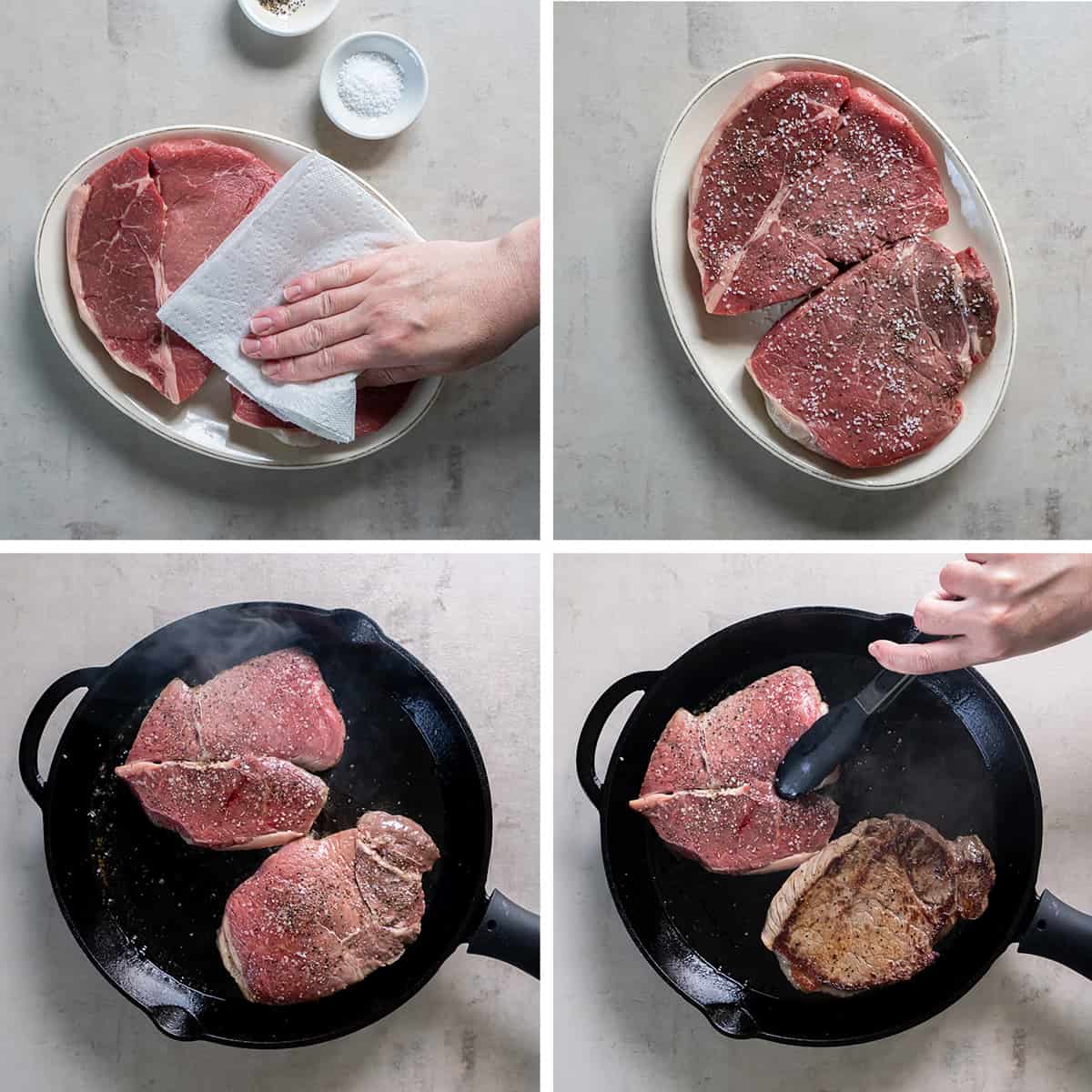
- Pat Dry: Use paper towels to remove surface moisture. A dry steak sears better and browns nicely.
- Trim Excess Fat: If there’s a thick fat cap, trim it to about 1/4 inch. Too much fat can cause flare-ups in the pan.
Extra tip: Some people skip drying the steak, leading to steaming instead of searing. Always pat dry for a better crust.
Credit: www.fromvalerieskitchen.com
Ingredients And Tools You Need
Cooking a great sirloin steak doesn’t require fancy equipment. Here’s what you’ll need:
Ingredients
- 1 sirloin steak (1–1.5 inches thick, about 10–14 oz)
- 1–2 tablespoons high smoke point oil (like canola, vegetable, or avocado oil)
- Kosher salt (about 1 teaspoon)
- Freshly ground black pepper (about 1/2 teaspoon)
- 1–2 tablespoons unsalted butter (optional, for finishing)
- 2–3 garlic cloves, smashed (optional)
- Fresh herbs like thyme or rosemary (optional)
Tools
- Heavy frying pan (cast iron or stainless steel preferred)
- Tongs (not a fork, to avoid piercing the meat)
- Instant-read thermometer (for checking doneness)
- Paper towels
- Small spoon (for basting, optional)
If you don’t have a thermometer, you can use touch or timing, but a thermometer gives the most reliable results.
Step-by-step: Cooking Sirloin Steak In A Frying Pan
Let’s break down the cooking process, so you get a juicy, tender steak every time.
1. Season Generously
Just before cooking, sprinkle kosher salt and black pepper on both sides of the steak. Don’t be shy—season more than you think you need. Salt helps create a flavorful crust.
2. Preheat The Pan
Place your pan on medium-high heat. Wait until it’s very hot—this can take 2–3 minutes. A drop of water should sizzle and quickly evaporate when flicked onto the surface.
3. Add Oil
Pour 1–2 tablespoons of oil into the pan. Swirl to coat evenly. Use an oil with a high smoke point, like canola or avocado, to avoid burning.
4. Sear The Steak
Lay the steak in the pan away from you to avoid oil splatter. Do not move it for at least 2–3 minutes. This helps build a deep, golden-brown crust.
Pro tip: Press down lightly with tongs to ensure even contact, especially if the steak curls.
5. Flip And Sear The Other Side
Turn the steak over and sear the second side for another 2–3 minutes. If your steak is thick, you may need to sear the sides as well—hold the steak with tongs and sear the fat edge for 30 seconds.
6. Check Internal Temperature
Use an instant-read thermometer to check doneness. Insert it into the thickest part:
- Rare: 120°F (very red center)
- Medium Rare: 130°F (warm red center)
- Medium: 140°F (pink center)
- Medium Well: 150°F (slightly pink center)
- Well Done: 160°F (no pink)
For best flavor and tenderness, medium rare to medium is ideal.
7. Optional: Add Butter, Garlic, And Herbs
When the steak is nearly done, add 1–2 tablespoons butter, smashed garlic, and a few sprigs of herbs. Tilt the pan and use a spoon to baste the steak with the melted butter for 1–2 minutes. This adds richness and aroma.
8. Rest The Steak
Transfer the steak to a plate and tent loosely with foil. Rest for 5–10 minutes. This lets juices redistribute, keeping the steak moist.
9. Slice And Serve
Slice the steak against the grain (perpendicular to the muscle fibers). This makes each bite more tender.
Common mistake: Slicing with the grain leads to chewy, tough pieces.

Credit: www.onceuponachef.com
Cooking Time Guide
Steak thickness and heat level change cooking times. Here’s a quick reference:
| Doneness | 1-inch Steak | 1.5-inch Steak |
|---|---|---|
| Rare | 2 mins per side | 3 mins per side |
| Medium Rare | 3 mins per side | 4 mins per side |
| Medium | 4 mins per side | 5 mins per side |
| Medium Well | 5 mins per side | 6 mins per side |
Remember, these are guidelines. Factors like pan material, stove strength, and steak starting temperature matter. Always use a thermometer for best accuracy.
Common Mistakes And How To Avoid Them
Even experienced cooks can make errors with steak. Here’s what to watch for:
- Cooking straight from the fridge: Leads to uneven doneness. Let the steak come to room temperature first.
- Crowding the pan: Two steaks touching each other will steam, not sear. Use a large pan or cook in batches.
- Not drying the steak: Wet surface means poor browning. Always pat dry.
- Using low heat: You’ll miss the flavorful crust. Preheat the pan thoroughly.
- Skipping the rest: Cutting too soon lets juices run out, leaving the steak dry.
- Piercing with a fork: Use tongs to avoid losing juices.
Non-obvious insight: Many people flip their steak too often. For the best crust, flip just once.
Enhancing Flavor: Simple Upgrades
- Compound butter: Mix softened butter with herbs or garlic and place a pat on the steak just before serving.
- Finishing salt: Sprinkle a pinch of flaky salt, like Maldon, for extra crunch and taste.
- Marinades: For tougher sirloin cuts, a quick marinade (30–60 minutes) with soy sauce, vinegar, and spices can help tenderize.
Note: Over-marinating can make the meat mushy and mask the beef flavor.
Serving Ideas And Sides
Sirloin steak pairs well with a variety of sides. Here are some popular options:
- Mashed potatoes for creamy comfort
- Grilled or roasted vegetables like asparagus, carrots, or Brussels sprouts
- Crispy fries or potato wedges
- Simple green salad with vinaigrette
- Sauteed mushrooms for an earthy flavor boost
For a classic touch, serve with a dollop of herbed butter or a drizzle of pan juices.
Nutrition And Health Information
Sirloin steak is a good source of protein, iron, zinc, and B vitamins. It’s leaner than some other cuts, making it a moderate choice for people watching their fat intake.
| Nutrient | Amount (per 4oz cooked sirloin) |
|---|---|
| Calories | 220 |
| Protein | 34g |
| Total Fat | 8g |
| Saturated Fat | 3g |
| Iron | 2.2mg |
| Zinc | 5mg |
Insider tip: Removing excess fat after cooking can reduce calories and saturated fat further, but keep some for flavor.
Extra Tips For Success
- Use a heavy pan (cast iron is best) for even heat and a great crust.
- If your steak is thick, finish in a 400°F oven for 2–5 minutes after searing.
- Letting the steak rest on a cooling rack (not a flat plate) keeps the crust from getting soggy.
- For extra juiciness, try a quick dry-brine: Salt the steak 1 hour ahead, then pat dry before cooking.
For more technical details about pan-searing steaks, see this Serious Eats guide.

Credit: igrs.itu.edu.tr
Frequently Asked Questions
How Do I Know When My Steak Is Done Without A Thermometer?
You can use the finger test: press the center of the steak with your finger. Rare feels very soft, medium rare is slightly springy, and well done is firm. This method takes practice, so a thermometer is best for beginners.
Should I Oil The Pan Or The Steak?
Either works, but oiling the pan prevents excess smoke and helps the steak sear evenly. Some chefs oil the steak to ensure every surface is covered.
Can I Use Butter Instead Of Oil?
Butter adds flavor but burns quickly at high heat. Use oil for searing, then add butter at the end for basting and flavor.
How Long Should I Let My Steak Rest?
Let your sirloin rest for 5–10 minutes after cooking. Resting helps keep the juices inside, so your steak is moist and tender.
Why Is My Steak Tough?
Tough steak can be caused by overcooking, slicing with the grain, or using a very lean or low-quality cut. Cook to medium rare or medium, and always slice against the grain for the best texture.
Mastering the art of pan-frying sirloin steak is rewarding and easier than you might think. With the right ingredients, technique, and attention to detail, you can enjoy a steakhouse-quality meal at home. Remember, practice improves your skills, and each steak teaches you something new.
Enjoy your perfectly cooked sirloin and the confidence that comes with it.

Hello, This is Annie Walker, a 38-year-old blogger, founder, and editor of Cookware Guider from NY, USA. I am a cookware fanatic and passionate cooker. I love to cook with different types of cooking appliances (example: all types of cookware, rice cookers, slow cookers, etc) almost every day in my kitchen. I love to share my experience with my readers in my blog. Also, I enjoy helping people to solve their problems through my website. You can follow me on Twitter & Pinterest. To know details about my blog please check the about us page.