
Brussels sprouts are often misunderstood vegetables. Some people avoid them because they remember bitter taste or mushy texture from childhood. But when cooked properly in a frying pan, Brussels sprouts become crispy, sweet, and full of flavor. This article will show you how to cook Brussels sprouts in a frying pan, step by step. You’ll learn how to choose the best sprouts, prepare them, and cook them so they are delicious every time. With clear instructions and practical tips, even a beginner can master this skill. Cooking Brussels sprouts in a pan is fast, healthy, and brings out their natural taste. Let’s discover the secrets that make Brussels sprouts a favorite for many chefs and home cooks.
Choosing And Preparing Brussels Sprouts
Good cooking starts with good ingredients. Fresh Brussels sprouts are key for great taste and texture. Here are important steps for choosing and preparing them:
- Picking Fresh Sprouts: Look for Brussels sprouts that are bright green, firm, and compact. Avoid sprouts with yellow leaves, spots, or loose heads. Smaller sprouts are usually sweeter and more tender.
- Cleaning: Rinse the sprouts under cold water. Remove any damaged or yellow leaves. Trim the stem end just enough to remove brown parts, but not so much that leaves fall off.
- Cutting for Even Cooking: For pan-frying, cut each sprout in half from top to bottom. This helps the inside cook properly and lets the flat side get crispy in the pan.
- Drying: After rinsing, pat sprouts dry with a towel. Excess water can cause steaming instead of frying, making sprouts less crispy.
Many beginners skip drying, but it’s important. Moisture prevents browning and can make sprouts soggy. This simple step improves the final result.
Ingredients And Tools
Cooking Brussels sprouts in a frying pan does not require many ingredients. Here is what you need for a basic recipe:
- Brussels sprouts: 1 pound (about 450 grams)
- Olive oil: 2–3 tablespoons
- Salt: ½ teaspoon
- Black pepper: ¼ teaspoon
- Optional: Garlic (2 cloves, sliced), lemon juice (1 tablespoon), parmesan cheese (2 tablespoons), chili flakes (¼ teaspoon), balsamic vinegar (1 tablespoon)
You also need:
- Large frying pan (non-stick or stainless steel)
- Spatula
- Cutting board and knife
- Paper towels
Using the right pan is important. A heavy-bottomed pan distributes heat evenly, helping the sprouts brown without burning.
Step-by-step Guide To Pan-frying Brussels Sprouts
Cooking Brussels sprouts in a frying pan is simple but requires attention. Follow these steps for the best results:
Step 1: Heat The Pan
Set your frying pan over medium-high heat. Add olive oil and let it heat for about 1 minute. Oil should shimmer but not smoke. Heating the oil properly helps sprouts crisp up fast.
Step 2: Add Brussels Sprouts
Place the cut sprouts in the pan, flat side down. Don’t overcrowd. If your pan is small, cook in batches. Overcrowding can lead to steaming instead of frying.
Step 3: Season
Sprinkle salt and black pepper over the sprouts. If you like, add garlic slices or chili flakes for extra flavor.
Step 4: Cook Without Moving
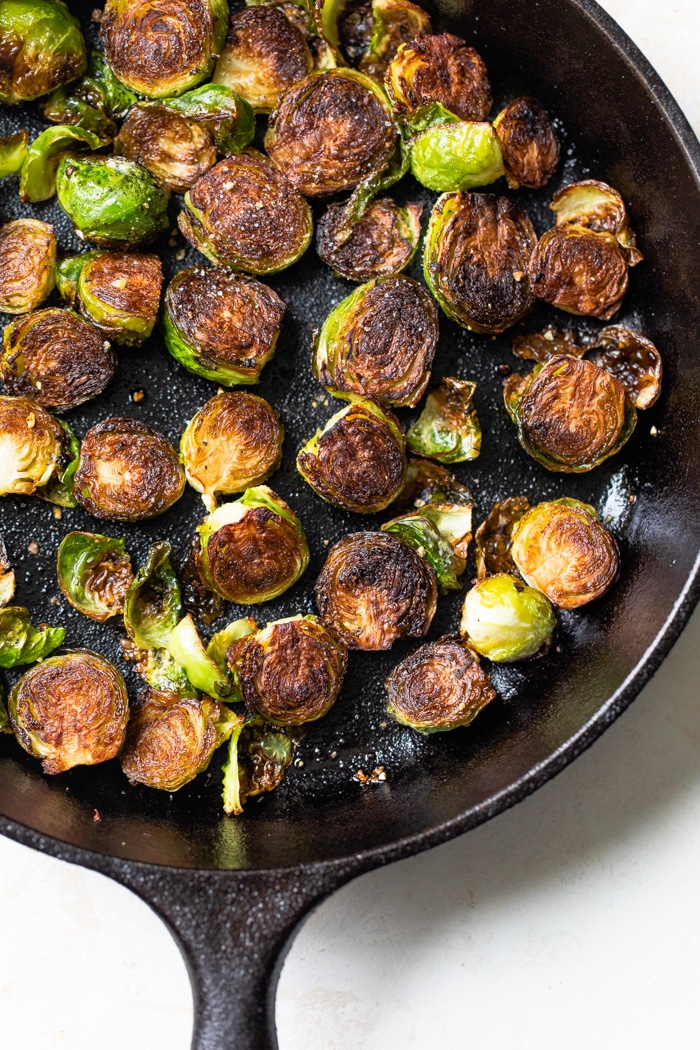
Let the sprouts cook undisturbed for 4–5 minutes. The flat side should become golden brown and crispy. Beginners often stir too early, preventing browning. Patience is key.
Step 5: Toss And Continue Cooking
Use a spatula to flip sprouts. Stir occasionally for another 5–7 minutes until sprouts are tender and edges are browned. If you want softer sprouts, cover the pan for 2 minutes, then uncover to finish browning.
Step 6: Add Finishing Touches
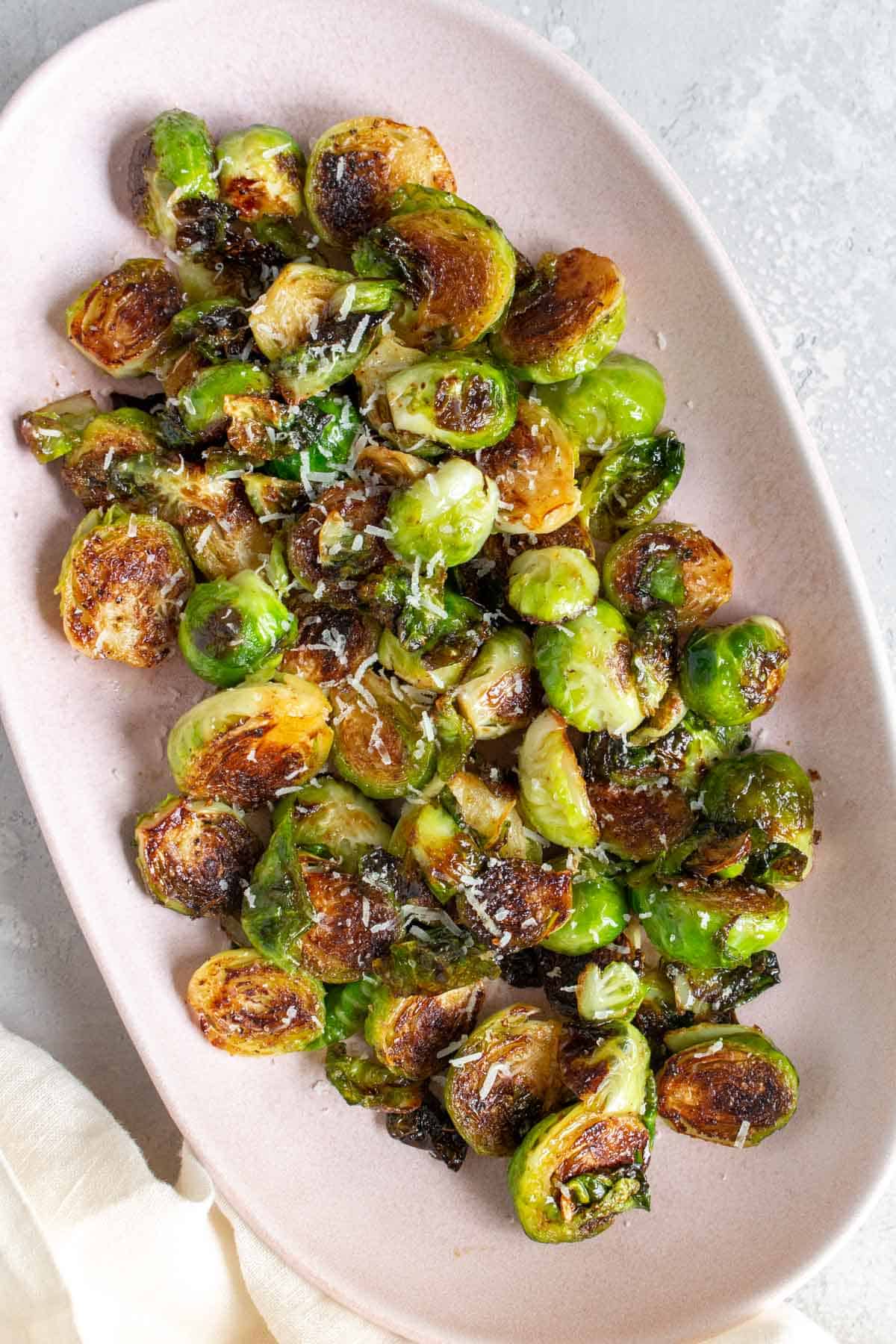
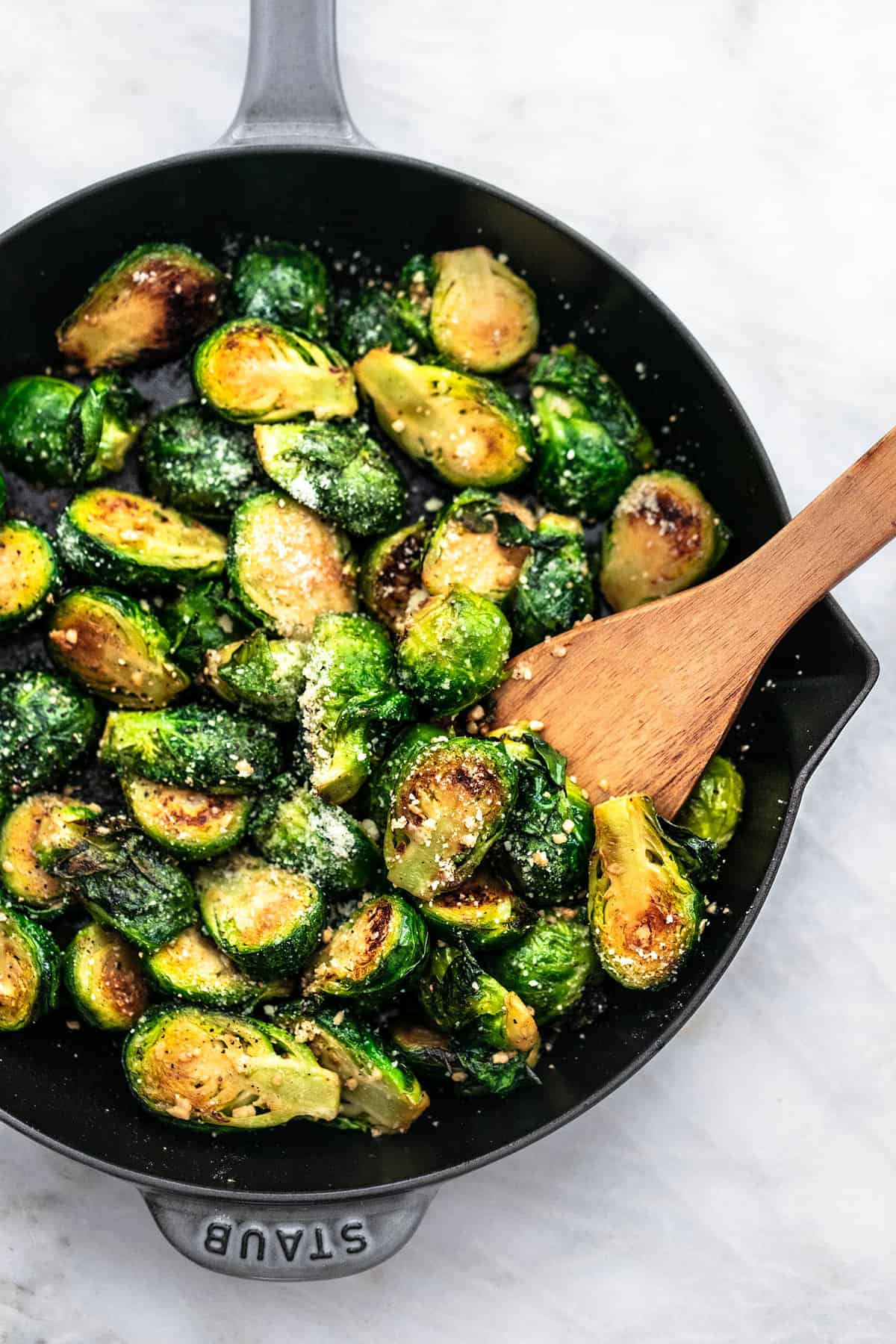
Remove pan from heat. If desired, drizzle lemon juice or balsamic vinegar for freshness. Sprinkle parmesan cheese for richness. Serve immediately.
Cooking Time: About 10–15 Minutes
Serving Size: 3–4 People
Flavor Variations And Add-ins
Brussels sprouts are very flexible. You can add many ingredients to change the taste. Here are some popular options:
- Garlic and Lemon: Add sliced garlic when sprouts are halfway cooked. Finish with lemon juice for bright flavor.
- Bacon or Pancetta: Cook diced bacon or pancetta in the pan first, remove, then fry sprouts in the fat. Add bacon back before serving.
- Balsamic Glaze: Drizzle with balsamic glaze after cooking for a sweet, tangy finish.
- Nuts and Seeds: Toasted almonds, walnuts, or sunflower seeds add crunch.
- Cheese: Try parmesan, pecorino, or feta for a creamy, salty touch.
Here’s a simple data comparison for flavor add-ins:
| Flavor Add-In | Main Effect | Common Pairings |
|---|---|---|
| Garlic & Lemon | Bright, fresh | Chicken, fish |
| Bacon | Smoky, rich | Eggs, potatoes |
| Balsamic | Sweet, tangy | Pasta, grains |
| Nuts | Crunchy, nutty | Salads |
| Cheese | Salty, creamy | Meat dishes |
Try different combinations to find your favorite.
Credit: thealmondeater.com
Common Mistakes And How To Avoid Them
Cooking Brussels sprouts in a frying pan is simple, but there are mistakes that many beginners make. Here are the most common and how to avoid them:
- Overcrowding the Pan: Too many sprouts in the pan cause steaming, not frying. Cook in batches if needed.
- Not Drying Sprouts: Wet sprouts don’t brown well. Dry thoroughly before cooking.
- Stirring Too Soon: Let sprouts cook undisturbed for crispiness. Only flip after the flat side is browned.
- Using Low Heat: Low heat leads to soft, pale sprouts. Medium-high heat is best for browning.
- Skipping Seasoning: Simple salt and pepper make a big difference. Don’t forget to season.
- Cooking Too Long: Overcooking makes sprouts mushy and bitter. Watch the time and check tenderness with a fork.
Here’s a quick comparison to help you spot mistakes:
| Mistake | Result | How to Fix |
|---|---|---|
| Overcrowding | Soft, steamed sprouts | Cook in batches |
| Not drying | No browning | Pat dry before cooking |
| Low heat | Pale, soggy texture | Use medium-high heat |
| Overcooking | Bitter, mushy taste | Check tenderness early |
Health Benefits Of Brussels Sprouts
Brussels sprouts are not just tasty—they are also very healthy. According to the USDA, one cup of cooked Brussels sprouts has:
- Calories: 38
- Protein: 3 grams
- Fiber: 3 grams
- Vitamin C: 81 mg (90% daily value)
- Vitamin K: 137 mcg (115% daily value)
They are rich in antioxidants, which help protect your cells. Brussels sprouts also have compounds called glucosinolates, which may support cancer prevention.
Eating Brussels sprouts regularly can improve digestion, support immunity, and help maintain healthy bones. For more on their nutritional value, visit the USDA Food Database.
Practical Cooking Tips
To make your Brussels sprouts taste even better, try these practical tips:
- Preheat Pan Properly: Oil must be hot before adding sprouts. This ensures crispiness.
- Cut Evenly: Uniform size cooks evenly. Halve large sprouts, leave small ones whole.
- Add Water for Tenderness: If sprouts are too tough, add 1–2 tablespoons of water, cover for 2 minutes, then uncover to finish browning.
- Test for Doneness: Use a fork. The inside should be tender, not mushy.
- Serve Immediately: Sprouts lose crispiness if left to sit. Serve hot for best flavor.
Many cooks are surprised that a splash of water can help soften sprouts without making them soggy. Also, letting sprouts rest for 1–2 minutes after cooking helps flavors settle.
How Pan-fried Brussels Sprouts Compare To Other Methods
There are several ways to cook Brussels sprouts, but pan-frying stands out for speed and flavor. Let’s compare with roasting and boiling:
| Cooking Method | Texture | Flavor | Cooking Time |
|---|---|---|---|
| Pan-Frying | Crispy edges, tender inside | Rich, caramelized | 10–15 min |
| Roasting | Very crispy, dry | Sweet, nutty | 20–30 min |
| Boiling | Soft, sometimes mushy | Mild, less flavor | 7–10 min |
Pan-frying gives you crispy, flavorful sprouts fast, without needing an oven.
Credit: carmyy.com
Serving Suggestions
Brussels sprouts cooked in a frying pan make a great side dish, but you can use them in many ways:
- With chicken or steak: Their crispiness pairs well with grilled meats.
- In salads: Toss pan-fried sprouts with greens, nuts, and cheese.
- On pizza: Slice and add as a topping for a unique flavor.
- With pasta: Mix sprouts into pasta with olive oil and parmesan.
You can also serve them as a snack—just sprinkle with sea salt and eat hot.
Frequently Asked Questions
How Do I Keep Brussels Sprouts From Tasting Bitter?
Brussels sprouts taste bitter when overcooked or boiled. Pan-frying at high heat caramelizes natural sugars and reduces bitterness. Using lemon juice or balsamic vinegar also helps balance flavors.
Should I Peel Brussels Sprouts Before Cooking?
No, you don’t need to peel Brussels sprouts. Just remove any damaged or yellow outer leaves. The rest can be cooked and eaten.
Can I Cook Frozen Brussels Sprouts In A Frying Pan?
Yes, but frozen sprouts have more water. Thaw and dry them first. Cook at high heat to evaporate moisture and get crispy edges.
What Oil Is Best For Frying Brussels Sprouts?
Olive oil is popular for its flavor and health benefits. You can also use avocado oil or canola oil. Avoid butter, as it burns quickly at high heat.
How Long Can I Store Cooked Brussels Sprouts?
Store cooked sprouts in an airtight container in the fridge for up to 3 days. Reheat in a pan for best texture. Avoid microwaving, as it can make them soggy.
Brussels sprouts cooked in a frying pan are quick, healthy, and tasty. With the right technique, you can turn simple sprouts into a flavorful dish that everyone will enjoy. Try the steps above, experiment with flavors, and discover how easy it is to make Brussels sprouts a favorite in your kitchen.
Credit: www.lecremedelacrumb.com

Hello, This is Annie Walker, a 38-year-old blogger, founder, and editor of Cookware Guider from NY, USA. I am a cookware fanatic and passionate cooker. I love to cook with different types of cooking appliances (example: all types of cookware, rice cookers, slow cookers, etc) almost every day in my kitchen. I love to share my experience with my readers in my blog. Also, I enjoy helping people to solve their problems through my website. You can follow me on Twitter & Pinterest. To know details about my blog please check the about us page.