
Tilapia is one of the most popular fish for home cooks and restaurants. It is affordable, mild in flavor, and cooks quickly. But if you have ever wondered, “How long to pan fry tilapia? ”—you are not alone. Getting the timing right is the difference between a juicy, flavorful meal and a dry, overcooked disappointment.
This guide explains exactly how long to pan fry tilapia, why timing matters, and how to get the best texture every time. You will also learn about common mistakes, cooking tips, and how to check for doneness, even if you are new to cooking fish.
What Makes Tilapia Special For Pan Frying
Tilapia is a lean, white fish with a mild, slightly sweet taste. Its fillets are thin and cook quickly, which is why many people choose it for pan frying. Unlike some other fish, tilapia does not have a strong smell, and its small bones are usually removed before it is sold in supermarkets.
Pan frying is one of the simplest ways to prepare tilapia. It uses a small amount of oil in a skillet, which helps the fish develop a golden, crisp surface while keeping the inside moist. Pan frying also gives you more control compared to baking or grilling.
A key point many beginners miss: Tilapia fillets are not all the same thickness. Some are thin at the edges and thick in the middle. This affects frying time, so you cannot use the same time for every fillet.
Typical Pan Frying Times For Tilapia
The main factor that controls pan frying time is the thickness of the fillet. Most tilapia fillets are about 1/2 to 3/4 inch thick at the thickest point.
| Fillet Thickness | Pan Fry Time (Per Side) | Total Cook Time |
|---|---|---|
| 1/2 inch (1.25 cm) | 2-3 minutes | 4-6 minutes |
| 3/4 inch (2 cm) | 3-4 minutes | 6-8 minutes |
| 1 inch (2.5 cm) | 4-5 minutes | 8-10 minutes |
Important: Pan temperature also matters. These times are for medium-high heat (about 350–375°F or 175–190°C). If your pan is too cool, cooking will take longer. If it is too hot, the outside will burn before the inside is cooked.
Step-by-step: How To Pan Fry Tilapia
Pan frying tilapia is easy if you follow these steps:
- Pat fillets dry with paper towels. This helps them brown better and reduces splattering.
- Season both sides with salt, pepper, and any spices you like.
- Heat oil in a nonstick or stainless skillet over medium-high heat. Use about 1–2 tablespoons of oil for every 2 fillets.
- When the oil is shimmering but not smoking, add the tilapia fillets. Place them in the pan away from you to avoid splashes.
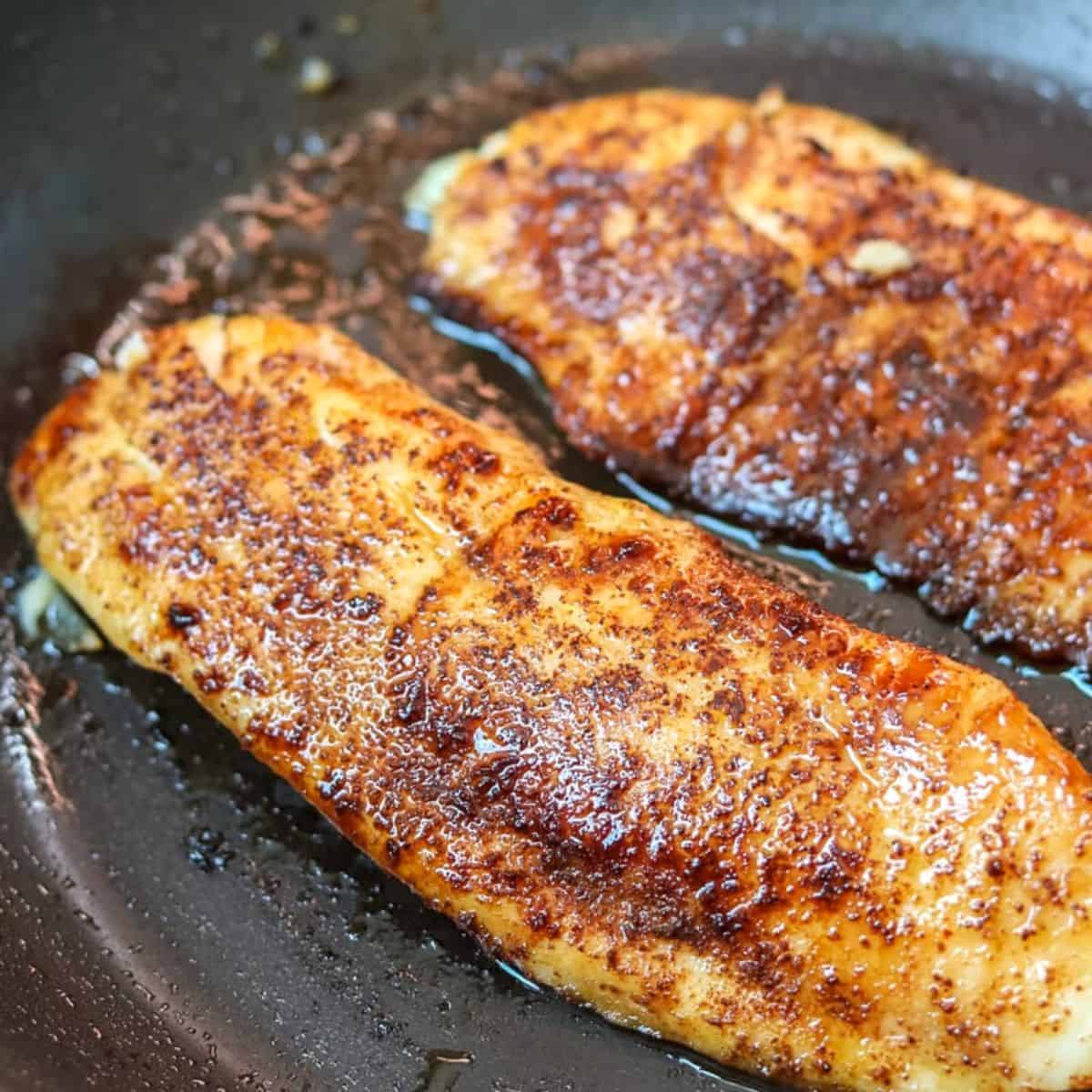
- Cook without moving the fillets for 2–4 minutes, depending on thickness. The edges will start to turn white.
- Flip the fillets gently with a thin spatula. Cook another 2–4 minutes, until the other side is golden and the fish flakes easily.
- Remove the tilapia from the pan and rest for 1–2 minutes before serving. This keeps juices inside.
Example: Cooking Two 3/4-inch Fillets
Suppose you have two tilapia fillets, each about 3/4 inch thick:
- Heat 1.5 tablespoons of canola oil in a 12-inch skillet.
- Place the fillets in the hot oil. Cook for 3.5 minutes on the first side.
- Flip and cook for another 3.5 minutes.
- Check for doneness (see next section).
- Rest briefly, then serve.
How To Tell When Tilapia Is Done
Knowing when tilapia is cooked is crucial. Overcooked tilapia gets dry and rubbery. Undercooked fish is unsafe. There are several ways to check doneness:
1. Flake Test
Use a fork to gently press the thickest part of the fillet. If the flesh flakes easily and is opaque (not translucent), it is ready.
2. Internal Temperature
The FDA recommends cooking fish to an internal temperature of 145°F (63°C). Use an instant-read thermometer in the thickest part.
3. Color And Texture
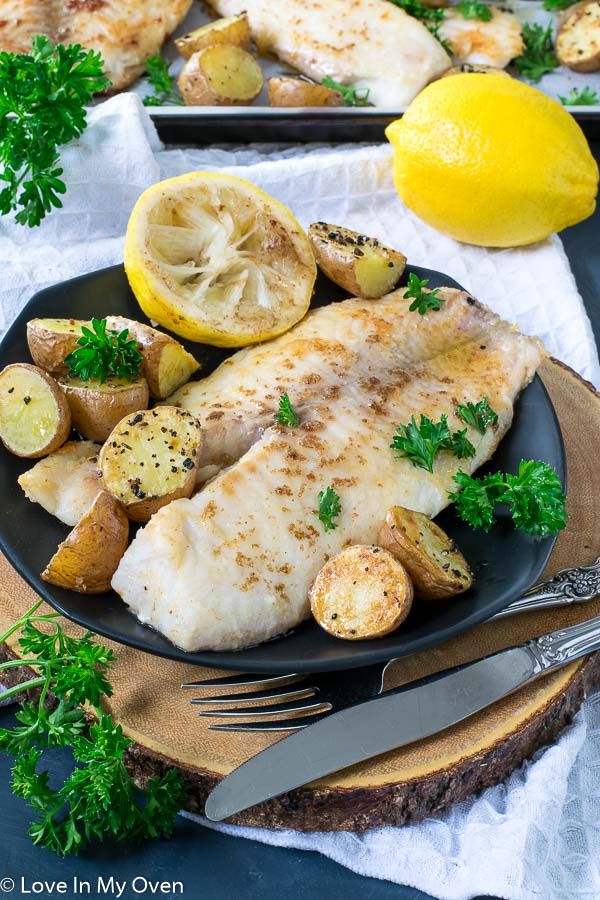
Raw tilapia is slightly pink and shiny. Cooked tilapia turns solid white and looks moist but not wet.
| Sign | Raw Tilapia | Cooked Tilapia |
|---|---|---|
| Color | Pinkish, translucent | Opaque white |
| Texture | Glossy, firm | Flaky, moist |
| Smell | Neutral, fresh | Sweet, mild |
Credit: loveinmyoven.com
Common Pan Frying Mistakes And How To Avoid Them
Many home cooks make simple errors that can ruin tilapia’s texture and taste. Here are mistakes to avoid:
- Pan too cold: The fish will stick and become soggy. Always preheat your pan until the oil shimmers.
- Pan too hot: The outside will burn before the inside cooks. Medium-high heat is best.
- Too much handling: Moving the fillets too much stops a crust from forming. Let them cook undisturbed on each side.
- Skipping the rest: Cutting or serving immediately lets juices escape. Rest for 1–2 minutes after cooking.
- Crowding the pan: Overcrowding drops the pan temperature, leading to steaming, not frying. Cook in batches if needed.
Non-obvious tip: If your fillets are thick in the middle and thin at the edges, fold the thin part under itself before frying. This helps the fillet cook evenly.
Choosing The Right Oil And Pan
The oil you use affects both flavor and cooking safety. Choose oils with a high smoke point such as canola, vegetable, or grapeseed oil. Olive oil can be used, but watch the heat—extra virgin olive oil smokes at lower temperatures.
A nonstick skillet is easiest for beginners, but stainless steel pans give a better crust if you preheat them well and use enough oil.
| Oil Type | Smoke Point (°F) | Flavor Impact |
|---|---|---|
| Canola | 400 | Neutral |
| Vegetable | 400 | Neutral |
| Grapeseed | 420 | Very light |
| Olive (light) | 465 | Light, fruity |
| Extra Virgin Olive | 375 | Strong, fruity |
Credit: cookingwithcoit.com
Flavoring And Serving Ideas
Tilapia is a blank canvas for flavors. Simple seasoning with salt, pepper, and lemon works well, but you can try other ideas:
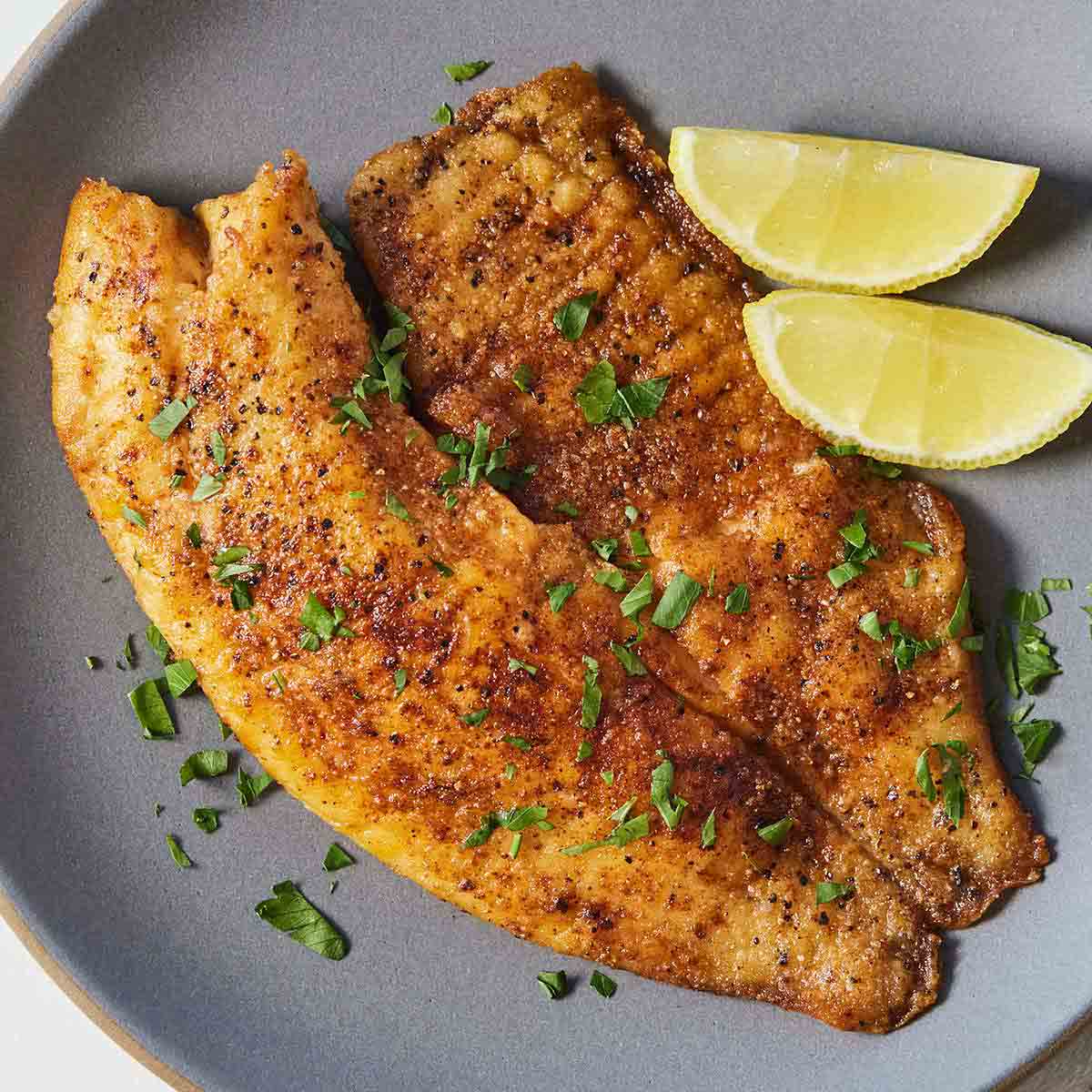
- Sprinkle with paprika or cajun spice before frying for more color and heat.
- Add a squeeze of fresh lime or a few drops of soy sauce after frying for an Asian twist.
- Top with a mango salsa or a spoonful of herb butter for a gourmet touch.
Serve with sides like steamed rice, roasted vegetables, or a simple salad.
Can You Pan Fry Frozen Tilapia?
It is best to thaw tilapia before frying. Cooking from frozen can result in uneven texture, as the outside may burn before the inside cooks through. If you must fry from frozen:
- Rinse off ice crystals and pat dry.
- Use slightly lower heat to allow more even cooking.
- Expect longer cooking times—about 50% more than thawed fillets.
But for best results and flavor, thaw tilapia in the fridge for several hours or use the defrost setting on your microwave.
Healthy Pan Frying Tips
Pan frying tilapia can be a healthy option if you use these tips:
- Use minimal oil—just enough to lightly coat the pan.
- Choose heart-healthy oils like canola or light olive oil.
- Serve with plenty of vegetables for a balanced meal.
- Avoid heavy breading, which adds calories and soaks up more oil.
Hidden tip: After frying, place tilapia on a rack (not paper towels) for 1–2 minutes. This keeps the crust crispy without trapping steam.
Adjusting Pan Fry Time For Different Fillets
Not all tilapia fillets are equal. Some may be farm-raised and larger, while others are smaller and thinner. Here’s how to adjust:
- For thin fillets (under 1/2 inch): Lower the heat slightly and check after 90 seconds per side.
- For thicker fillets (over 1 inch): Start on high heat for browning, then reduce heat and cover the pan for the last minute to help cook through without burning.
- For skin-on fillets (less common): Start skin side down, cook 70% of the way, then finish on the other side for crispiness.
Always check with a fork or thermometer if unsure.
Cleaning Up After Pan Frying
Pan frying can leave oil splatters. Here are ways to make cleanup easier:
- Use a splatter screen to keep oil off your stove.
- Let the pan cool, then wipe out extra oil with a paper towel before washing.
- If using a stainless steel pan, soak with hot water and a little dish soap to loosen any stuck bits.
For odors, boil a little vinegar and water in the pan after washing.
Final Thoughts On Perfect Pan Fried Tilapia
Pan frying tilapia is quick and rewarding. Most fillets cook in just 4–8 minutes. The real trick is to adjust for the thickness of your fillets and the heat of your pan. Use a fork or thermometer to check for doneness. Add your favorite flavors and sides, and you have a healthy, tasty meal in less than 20 minutes. Once you know what signs to look for, pan frying tilapia becomes almost foolproof—even if you are new in the kitchen.
For more general guidance on safe fish cooking, see this resource from the FDA.
Credit: amindfullmom.com
Frequently Asked Questions
How Do I Keep Tilapia From Sticking To The Pan?
Make sure your pan and oil are hot before adding the fillets. Pat fish dry and avoid moving it until ready to flip. Nonstick pans help, but a well-heated stainless steel pan works too.
Can I Pan Fry Tilapia With Flour Or Breadcrumbs?
Yes. Dredge tilapia in flour or breadcrumbs before frying for a crispier crust. Use medium heat to avoid burning the coating, and add 1 extra minute per side.
Is It Safe To Eat Slightly Undercooked Tilapia?
No. Undercooked fish can contain bacteria or parasites. Always cook tilapia until it flakes easily and reaches 145°F (63°C) inside.
What Sides Go Well With Pan Fried Tilapia?
Great sides include steamed rice, roasted potatoes, sautéed green beans, or a fresh salad. Tilapia pairs well with both mild and bold flavors.
How Do I Store Leftover Pan Fried Tilapia?
Cool leftovers quickly, wrap tightly, and refrigerate for up to 2 days. Reheat gently in a nonstick pan or microwave to avoid drying out.

Hello, This is Annie Walker, a 38-year-old blogger, founder, and editor of Cookware Guider from NY, USA. I am a cookware fanatic and passionate cooker. I love to cook with different types of cooking appliances (example: all types of cookware, rice cookers, slow cookers, etc) almost every day in my kitchen. I love to share my experience with my readers in my blog. Also, I enjoy helping people to solve their problems through my website. You can follow me on Twitter & Pinterest. To know details about my blog please check the about us page.