
How Do You Measure A Frying Pan
Many people buy a frying pan without thinking about size. But knowing how to measure a frying pan is important—especially if you want your food to cook evenly or your pan to fit on your stove. Whether you’re replacing a favorite skillet, looking for the right size for a recipe, or just organizing your kitchen, measuring your frying pan the right way saves time and avoids frustration.
Even experienced cooks sometimes measure pans incorrectly. That can mean your pan doesn’t match the recipe, or lids don’t fit. In this article, you’ll learn exactly how to measure a frying pan, what the numbers mean, and why pan size matters more than you might think.
You’ll also see how to compare pan sizes, understand the difference between diameter and cooking surface, and pick the right pan for your needs.
Why Frying Pan Size Matters
Choosing the right frying pan size is about more than just filling your kitchen cabinet. The size of your pan affects how well your food cooks, how many people you can serve, and even how easy the pan is to clean.
A pan that’s too small can overcrowd food, leading to uneven cooking and steamed results instead of a good sear. On the other hand, a pan that’s too large can cause food to burn or oil to spread too thinly.
For example, if you want to fry four eggs at once, a small 8-inch pan will feel crowded, but a 12-inch pan offers plenty of space.
Most recipes assume a common pan size, usually 10 inches. If your pan is much larger or smaller, you may need to adjust cooking times and heat.
The Standard Way To Measure A Frying Pan
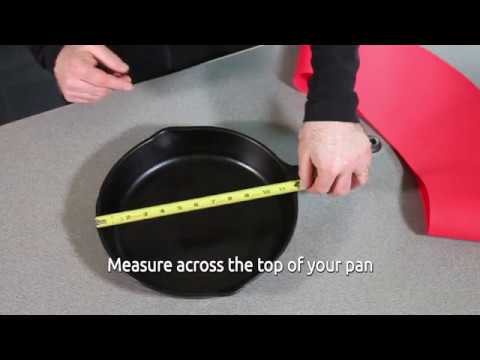
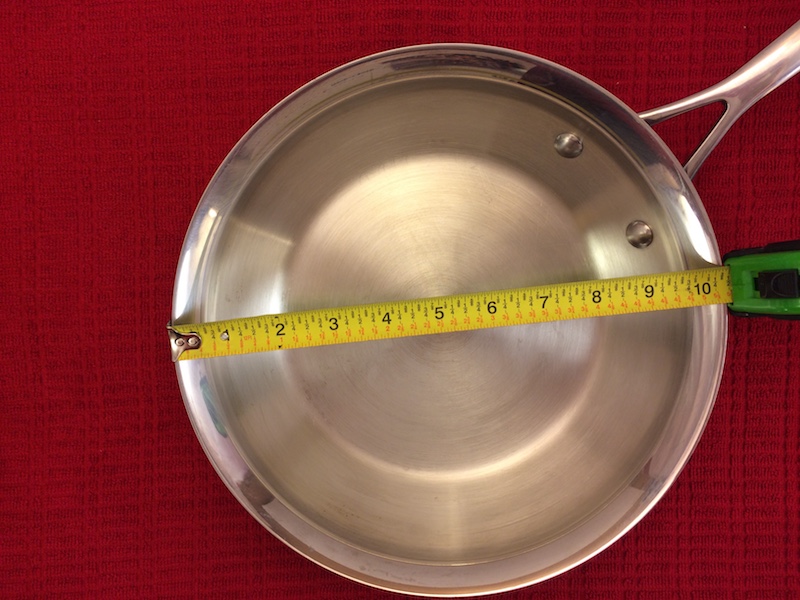
Many people think pan size is about the bottom or the cooking surface, but most manufacturers measure the diameter across the top rim. This means the measurement is taken from one outer edge straight across to the other, not including the handle.
Here’s how you can measure it at home:
- Place the pan on a flat surface.
- Use a ruler or measuring tape.
- Measure from one inside edge of the top rim straight across to the opposite inside edge.
If you measure the base (the bottom), you’ll usually get a smaller number. That’s why a “10-inch frying pan” might only have about 8 inches of flat cooking area.
Measuring The Cooking Surface
The cooking surface is the flat area inside the pan where your food sits. Some pans have sloped sides, so the cooking area is smaller than the rim-to-rim diameter. If you want to know how much food you can actually fit, measure the flat part at the bottom.
For example, a 12-inch pan might have a cooking surface of only 9 inches. This makes a big difference if you’re searing steaks or making pancakes.
Credit: www.youtube.com
Step-by-step: How To Measure Your Frying Pan
Measuring a frying pan is simple, but doing it right avoids mistakes. Here are the steps you should follow:
- Wash and dry your pan so it’s clean and easy to measure.
- Place the pan on a stable, flat surface.
- Take a ruler or measuring tape and place it at the inside edge of the top rim.
- Stretch the tape or ruler across the center of the pan to the opposite inside edge.
- Read the measurement in inches (most pan sizes are in inches in the US).
If you want to measure the cooking surface, do the same steps but only measure the flat part at the bottom—not the sloped sides.
Common Mistakes When Measuring
- Measuring the outside edge with the handle: This gives a much larger number and is not the standard.
- Measuring the base only: The bottom is smaller than the top, so this can lead to confusion when buying lids.
- Not measuring through the center: Always measure the widest part—straight across the middle.
Comparing Frying Pan Sizes
Not all frying pans are created equal. Different brands and materials can affect both the total diameter and the cooking surface. Below is a comparison of common frying pan sizes and their typical uses.
| Pan Size (Inches) | Best For | Common Uses |
|---|---|---|
| 8-inch | 1-2 people | Eggs, single pancakes, grilled cheese |
| 10-inch | 2-3 people | Stir-fry, sautéing vegetables, omelets |
| 12-inch | 3-5 people | Family meals, steaks, multiple servings |
Most home cooks find that 10-inch and 12-inch pans cover most needs. If you often cook for one, an 8-inch pan is a good choice.
The Difference Between Diameter And Cooking Surface
The diameter is the full width of the pan from rim to rim, while the cooking surface is just the flat bottom. Some pans have steep, sloped sides (like omelet pans), which means a smaller cooking area. Others, like some stainless steel pans, have almost vertical sides.
Here’s a quick comparison:
| Pan Type | Diameter (Inches) | Flat Cooking Surface (Inches) |
|---|---|---|
| Nonstick skillet | 10 | 8 |
| Cast iron skillet | 12 | 10 |
| Omelet pan | 8 | 5.5 |
This difference is important if you follow recipes closely. If a recipe says “use a 10-inch skillet,” but your 10-inch pan has only 7 inches of flat cooking space, you may need to cook in batches.
Matching Lids To Your Frying Pan
Lids are usually sized by the top rim diameter. If you want to buy a lid for your pan, measure across the very top, just like measuring pan size. Some lids are universal, but for a perfect fit, always match the measurement to your pan’s rim.
Don’t guess—many people have a collection of lids that almost fit, but never quite seal. This can lead to lost heat or messy spills.
Metric Vs. Us Pan Measurements
In the US, pan sizes are listed in inches, but in other countries, centimeters are common. Sometimes, you’ll see both on the package.
Here’s a quick reference:
| Inches | Centimeters (Approximate) |
|---|---|
| 8 | 20 |
| 10 | 25 |
| 12 | 30 |
If you’re buying a pan online from another country, double-check the measurement system to avoid surprises.
Additional Tips For Choosing The Right Frying Pan Size
- Consider your stove size: A very large pan on a small burner won’t heat evenly.
- Think about storage: Oversized pans can be hard to store, especially with long handles.
- Check your recipes: If you love making big batches, larger pans help. For quick meals, a medium size is more practical.
- Weight matters: A 12-inch cast iron pan can be heavy. If lifting is difficult, a smaller pan might be better.
- Lid compatibility: If you want to use your pans with lids you already own, measure those lids too.
Non-obvious Insights Most Beginners Miss
- The usable cooking surface is almost always smaller than the listed size. Don’t assume a 12-inch pan has 12 inches of space for food.
- Pan depth can affect cooking. A deeper pan can hold more liquid or food, but may not brown or crisp as well as a shallow one.
- Handles and helper handles don’t count in pan size. Always measure the pan body only.
- Not all pans heat evenly across the entire surface. Larger pans need more heat to stay hot at the edges.
How To Measure For Recipes And Cooking
Some recipes say, “use a large skillet” or “medium frying pan.” But what does that mean? Here’s a guide:
- Small frying pan: 8 inches (good for 1-2 eggs, a sandwich)
- Medium frying pan: 10 inches (stir-fries, 2-3 chicken breasts)
- Large frying pan: 12 inches (family meals, pancakes for 4+ people)
If you use a smaller pan than the recipe calls for, your food may not brown well or may cook unevenly. If you use a larger pan, you might need more oil or butter, and food could cook too quickly.
Credit: eatbydate.com
How To Measure Specialty Pans
Some pans, like grill pans or square skillets, are measured differently. For square pans, measure across the top from one side to the other. For grill pans, you may also want to measure depth to see how much fat will collect.
Always check the product details if you’re buying a new pan. Some brands list the base diameter, others the top.
Cleaning And Storing Measured Frying Pans
After measuring, it’s a good idea to keep a note of your pan sizes. This helps when shopping for lids or stacking pans for storage. Nest smaller pans inside larger ones to save space, but always use a paper towel or pan protector between them to avoid scratches.
For more on pan sizes and kitchen standards, check out the Wikipedia guide to frying pans.

Credit: mtillc.com
Frequently Asked Questions
How Do I Know If A Frying Pan Is Too Big For My Stove?
If the pan extends far past the burner, it may not heat evenly. Heat will concentrate in the center, and food at the edges can cook slowly. For best results, use a pan where the base is no more than 1 inch wider than your burner.
Can I Use A Lid From Another Pan If The Diameter Is Close?
Sometimes, but it’s not ideal. Lids should fit snugly to keep heat and moisture in. If a lid is too small or large, steam escapes and cooking times change.
Why Do Some Pans List Two Sizes?
Some pans show both the top diameter and base diameter. Always use the top rim measurement when matching lids or following recipes unless otherwise noted.
Does Pan Weight Affect How It Cooks?
Yes. Heavier pans (like cast iron) hold heat better and cook more evenly. But they can be harder to handle, especially in larger sizes.
Are All Frying Pans Measured The Same Way?
Most are, but specialty pans (like woks, griddles, or grill pans) may use different standards. Always check the manufacturer’s description to be sure.
Measuring a frying pan correctly is a small step, but it makes a big difference in your cooking. With the right size, your food cooks better, your lids fit perfectly, and your kitchen feels more organized. Now that you know exactly how to measure your frying pan, you’ll never be confused by those numbers again.
Whether you’re a beginner or a seasoned cook, these tips will help you choose and use your pans with confidence.

Hello, This is Annie Walker, a 38-year-old blogger, founder, and editor of Cookware Guider from NY, USA. I am a cookware fanatic and passionate cooker. I love to cook with different types of cooking appliances (example: all types of cookware, rice cookers, slow cookers, etc) almost every day in my kitchen. I love to share my experience with my readers in my blog. Also, I enjoy helping people to solve their problems through my website. You can follow me on Twitter & Pinterest. To know details about my blog please check the about us page.