
Your stainless steel cooktop looks sleek and modern, but keeping it spotless without leaving scratches can be tricky. You want it to shine like new, yet worry that cleaning the wrong way might ruin its smooth surface.
What if you could clean your cooktop easily, safely, and effectively? You’ll discover simple, proven tips to make your stainless steel cooktop gleam—without a single scratch. Keep reading to protect your investment and enjoy a kitchen that always looks its best.

Credit: weiman.com
Choosing Safe Cleaning Tools
Cleaning a stainless steel cooktop requires care to keep its surface shining and scratch-free. Choosing safe cleaning tools plays a key role in protecting your cooktop. Using the wrong tools can cause tiny scratches that dull the finish. Selecting the right cloths and sponges helps maintain the smooth, polished look of your cooktop without damage.
Soft Cloths And Sponges
Soft cloths and sponges are the safest tools for cleaning stainless steel cooktops. They gently remove dirt and spills without scratching the surface. Choose materials designed for delicate surfaces, such as microfiber cloths or soft cotton towels. These materials trap dirt and grease without rubbing harshly.
- Microfiber cloths: These are highly absorbent and non-abrasive. They pick up dirt easily and can be used dry or damp.
- Soft cotton cloths: Ideal for polishing and wiping down the cooktop after cleaning.
- Non-scratch sponges: Use sponges labeled safe for stainless steel. Avoid those with rough surfaces.
| Tool | Best Use | Care Tips |
|---|---|---|
| Microfiber Cloth | Cleaning and drying | Wash separately, no fabric softeners |
| Soft Cotton Cloth | Polishing and finishing | Keep clean and dry |
| Non-Scratch Sponge | Removing stuck-on food | Rinse after use, air dry |
Always rinse cloths or sponges well after use to remove any trapped grit. Grit can cause scratches if rubbed against the cooktop. Use gentle pressure when cleaning. Let the cloth or sponge do the work, not your force.
Avoiding Abrasive Materials
Avoid abrasive tools that can damage stainless steel. Scrubbing pads, steel wool, and rough brushes often leave fine scratches that dull the surface. These marks build up over time and become hard to remove.
Common abrasive materials to avoid include:
- Steel wool pads – Very rough and cause deep scratches.
- Scouring powders – Contain tiny grit particles that scratch.
- Rough scrub brushes – Can scrape the surface.
- Metal utensils – Should never be used for cleaning.
Use non-abrasive cleaners designed for stainless steel instead. These cleaners dissolve grime without harsh scrubbing. Always test any cleaner on a small hidden area first to check for reaction.
| Abrasive Material | Effect on Cooktop | Safe Alternative |
|---|---|---|
| Steel Wool | Deep scratches, dull finish | Microfiber cloth, soft sponge |
| Scouring Powder | Fine scratches, surface damage | Non-abrasive cleaner |
| Rough Brush | Scrapes and marks | Soft-bristle brush |
Keep cleaning gentle and simple. Avoid scrubbing hard or using harsh materials. This keeps your stainless steel cooktop looking smooth and shiny for years.
Credit: www.whirlpool.com
Selecting The Right Cleaners
Cleaning a stainless steel cooktop without causing scratches starts with choosing the right cleaners. Harsh chemicals or rough scrubbing tools can damage the surface, leaving marks or dull spots. The best cleaners are gentle yet effective, removing grease and stains without harming the steel. Selecting the proper cleaner depends on the type of dirt and your preference for natural or commercial products. Using the wrong cleaner can lead to more cleaning work or even permanent damage.
Mild Dish Soap Solutions
Mild dish soap mixed with warm water is a safe and easy way to clean stainless steel cooktops. This simple solution cuts through grease and food spills without scratching the surface.
- Use a soft cloth or sponge soaked in soapy water to wipe the cooktop gently.
- Rinse the cloth often to avoid spreading dirt.
- Dry the surface with a clean microfiber cloth to prevent water spots.
This method suits light daily cleaning and helps maintain the shine. It avoids harsh chemicals that can dull the steel or cause discoloration. Mild dish soap is widely available, inexpensive, and safe for most users, including those with sensitive skin.
| Benefits | Tips |
|---|---|
| Non-abrasive and gentle | Use lukewarm water for better grease removal |
| Safe for frequent use | Wipe in the direction of the steel grain |
| Cost-effective and easy to find | Dry immediately to avoid streaks |
Natural Cleaning Alternatives
Natural cleaners offer an eco-friendly and gentle way to keep your stainless steel cooktop spotless. Ingredients like vinegar, baking soda, and lemon juice work well without harsh chemicals.
- White vinegar breaks down grease and removes fingerprints. Spray it on, wait a few minutes, then wipe with a microfiber cloth.
- Baking soda acts as a mild abrasive. Make a paste with water and apply it on tough stains. Rub softly and rinse.
- Lemon juice helps cut through grease and adds a fresh scent.
These natural options reduce exposure to synthetic chemicals and are safe around children and pets. They also help maintain the stainless steel’s natural shine without scratching.
| Natural Cleaner | Use | Precautions |
|---|---|---|
| White Vinegar | Spray and wipe for grease removal | Do not use on stone surfaces nearby |
| Baking Soda | Apply paste on stains, rub gently | Avoid over-scrubbing to prevent scratches |
| Lemon Juice | Use as a spot cleaner or mixed with water | Rinse thoroughly to avoid acidity damage |
Commercial Stainless Steel Cleaners
Commercial cleaners designed specifically for stainless steel can offer strong cleaning power with scratch protection. These products often contain special ingredients to polish and protect the surface.
- Look for cleaners labeled “non-abrasive” or “safe for stainless steel.”
- Follow the instructions carefully to avoid residue buildup.
- Use a soft cloth to apply and buff the cleaner in the direction of the grain.
Many commercial cleaners also help restore shine and remove fingerprints quickly. They can be useful for heavy-duty cleaning or restoring an older cooktop.
| Feature | Benefit |
|---|---|
| Non-abrasive formula | Prevents scratching and surface damage |
| Polishing agents | Enhances shine and smoothness |
| Easy application | Saves time and effort |
Step-by-step Cleaning Process
Cleaning a stainless steel cooktop without scratching requires patience and the right steps. This step-by-step cleaning process helps protect the surface while removing dirt and stains. Follow these simple steps to keep your cooktop shiny and scratch-free.
Removing Loose Debris
Start by removing any loose debris on the cooktop surface. This prevents scratching when you wipe later. Use a soft brush or a dry microfiber cloth to gently sweep away crumbs, dust, and food particles.
- Do not use abrasive tools like steel wool or rough scrubbers.
- Check corners and edges where debris collects easily.
- For stuck-on bits, use a plastic scraper carefully.
Here is a quick checklist for removing loose debris:
| Task | Recommended Tool | Tip |
|---|---|---|
| Brush away crumbs | Soft-bristled brush | Brush gently in one direction |
| Wipe dust | Microfiber cloth | Use a dry cloth for best results |
| Remove stuck food | Plastic scraper | Hold scraper at a low angle |
Completing this step carefully avoids dragging hard particles across the surface. It prepares your cooktop for safe cleaning.
Applying Cleaner Gently
Choose a mild cleaner suitable for stainless steel. Avoid harsh chemicals and abrasive powders that can scratch or dull the surface. Apply the cleaner sparingly to reduce risk.
- Use a soft cloth or sponge to apply the cleaner.
- Apply cleaner in small amounts directly to the cloth, not the cooktop.
- Test cleaner on a small hidden area first to check for reactions.
Follow these tips for gentle cleaner application:
- Dampen the cloth lightly with cleaner.
- Work in the direction of the stainless steel grain.
- Use soft, circular motions to avoid scratching.
- Do not scrub hard or use excessive pressure.
- Reapply cleaner only if necessary, in small amounts.
Using gentle application protects the cooktop’s finish and helps lift grime without damage.
Wiping With Care
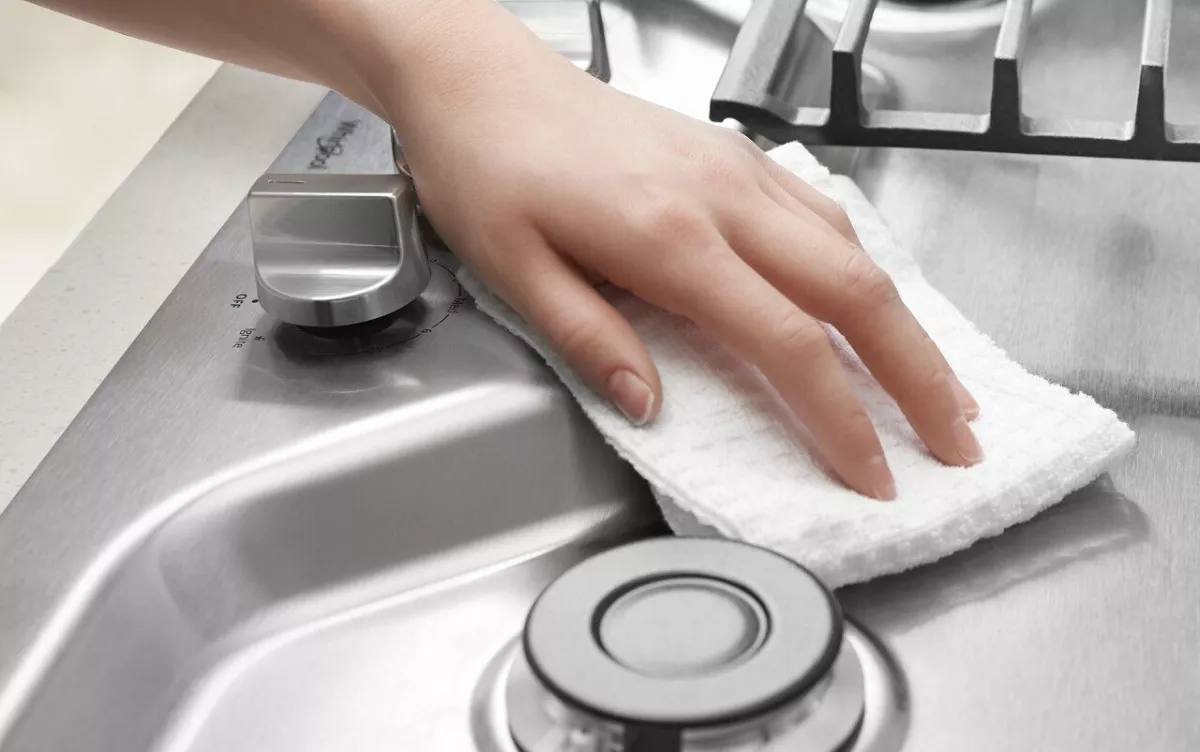
After applying cleaner, wipe the surface carefully to remove residue and stains. Use a clean, dry microfiber cloth for the best results. Avoid rough fabrics or paper towels that may scratch the surface.
- Wipe in the direction of the grain for a smooth finish.
- Use light pressure to prevent marks.
- Rinse the cloth often to avoid spreading dirt.
Follow this process to wipe safely:
- Use a clean, damp cloth to remove cleaner.
- Dry the surface immediately with a soft cloth.
- Buff gently to restore shine.
Careful wiping ensures no streaks or scratches remain. This final step leaves your stainless steel cooktop looking clean and polished.
Removing Tough Stains Safely
Stainless steel cooktops add a modern touch to kitchens but can be tricky to keep spotless. Tough stains like burnt food or grease need careful cleaning to avoid scratches. Using harsh tools or chemicals damages the surface and dulls its shine. The key is to remove these stubborn marks gently with safe, simple methods. Below are two effective techniques that protect your cooktop while clearing tough stains quickly.
Baking Soda Paste Method
Baking soda works as a mild abrasive, perfect for loosening tough grime without scratching stainless steel. It breaks down burnt-on stains and grease safely. Follow these steps for best results:
- Make a paste: Mix 3 parts baking soda with 1 part water until smooth.
- Apply: Spread the paste on the stained areas using a soft cloth or sponge.
- Let it sit: Wait 15 to 20 minutes to allow the paste to lift stains.
- Gently scrub: Use a non-abrasive sponge in circular motions to clean the surface.
- Rinse and dry: Wipe off with a damp cloth, then dry with a microfiber towel.
Do not use steel wool or harsh brushes. Baking soda is gentle but effective. It also deodorizes, leaving your cooktop fresh.
| Step | Details |
|---|---|
| Paste Ratio | 3 parts baking soda to 1 part water |
| Waiting Time | 15-20 minutes for stain softening |
| Tools Needed | Soft cloth, non-abrasive sponge, microfiber towel |
Vinegar Spray Technique
White vinegar is a natural cleaner that dissolves grease and mineral deposits on stainless steel. It brightens the surface without harsh chemicals. Use this technique to tackle oily or water-stained spots:
- Fill a spray bottle: Pour undiluted white vinegar into a clean spray bottle.
- Spray generously: Cover stained areas with vinegar, focusing on tough spots.
- Let it soak: Wait 5 to 10 minutes for the vinegar to break down grime.
- Wipe clean: Use a soft microfiber cloth to wipe in the direction of the steel grain.
- Dry thoroughly: Prevent water spots by drying with a clean towel.
Do not let vinegar sit too long or use on damaged surfaces. Vinegar safely lifts stains while keeping your cooktop shiny and smooth.
Preventing Future Scratches
Keeping a stainless steel cooktop spotless is one thing. Preventing future scratches is another. Scratches can make your cooktop look old and worn quickly. Taking simple steps after cleaning helps keep the surface smooth and shiny. A few smart habits protect your cooktop from damage and keep it looking new longer. Here are easy ways to prevent future scratches on your stainless steel cooktop.
Regular Maintenance Tips
Regular care is the best way to avoid scratches on your stainless steel cooktop. Wiping the surface gently after each use removes food particles and spills that could cause scratches. Use a soft cloth or microfiber towel for cleaning. Rough materials can scratch the surface even if you do not see them.
- Use mild cleaners: Choose cleaners made for stainless steel or a mix of warm water and a small amount of dish soap.
- Wipe in the direction of the grain: Stainless steel has a grain. Cleaning with the grain avoids tiny scratches.
- Dry thoroughly: Water left on the surface can leave marks or dull the finish.
- Apply a protective polish: Polishes made for stainless steel can add a layer of protection. They help repel dirt and reduce scratches.
Here is a simple maintenance routine table:
| Task | Frequency | Materials Needed |
|---|---|---|
| Wipe cooktop surface | After every use | Soft microfiber cloth, warm water, mild soap |
| Use stainless steel polish | Once a week | Stainless steel polish, soft cloth |
| Inspect for scratches or damage | Monthly | Good lighting, soft cloth |
Avoiding Common Mistakes
Many scratches happen because of simple, repeated errors. Avoid these mistakes to keep your cooktop scratch-free. First, do not use abrasive sponges or steel wool. They can leave fine scratches that build up over time. Second, avoid harsh chemicals like bleach or ammonia. These can damage the finish and make scratches more visible.
Next, never drag heavy pots or pans across the surface. Lift them up to move. Sliding cookware creates scratches easily. Also, avoid placing sharp or rough objects directly on the cooktop. Use a silicone mat or trivet if needed.
- Do not scrub with harsh or gritty materials
- Never use bleach, ammonia, or other strong chemicals
- Lift cookware instead of sliding it
- Use protective mats or trivets under heavy pots
Following these simple rules protects your cooktop surface for years. A little care goes a long way to prevent damage and keep your kitchen looking fresh.

Credit: www.youtube.com
Polishing For A Shiny Finish
Polishing a stainless steel cooktop adds a bright, shiny finish that looks clean and new. It also helps protect the surface from fingerprints and smudges. Polishing should be done carefully to avoid scratching the cooktop. Using the right products and tools brings out the natural shine of stainless steel without damage. The goal is a smooth, glossy surface that feels soft to touch and reflects light beautifully.
Using Olive Oil Or Mineral Oil
Olive oil and mineral oil are simple, safe options for polishing stainless steel cooktops. They create a thin protective layer that boosts shine and repels fingerprints. These oils are gentle and do not contain harsh chemicals that can harm the surface.
- Choose high-quality oil. Use pure olive oil or mineral oil for best results.
- Apply sparingly. Pour a few drops on a soft cloth to avoid oily residue.
- Spread evenly. Rub the oil onto the cooktop in the direction of the grain.
- Let it sit briefly. Allow the oil to absorb for 2-3 minutes.
- Remove excess oil. Wipe with a clean, dry cloth to prevent streaks.
Below is a quick guide for using oils on stainless steel cooktops:
| Step | Action | Tip |
|---|---|---|
| 1 | Apply a few drops of oil on cloth | Use a soft, lint-free cloth |
| 2 | Rub along the grain of the metal | Use gentle, circular motions |
| 3 | Let oil sit for 2-3 minutes | Do not overapply |
| 4 | Buff off excess oil | Use a clean, dry cloth |
Using these oils regularly keeps the cooktop looking bright without scratches. The oils fill tiny scratches and smooth the surface, enhancing the shine.
Buffing With A Microfiber Cloth
Buffing with a microfiber cloth is one of the best ways to polish stainless steel cooktops safely. Microfiber cloths are soft and non-abrasive, which means they clean and polish without causing scratches. The fine fibers trap dirt and oils effectively.
Follow these steps to buff your cooktop:
- Start with a clean surface. Wipe away dust and debris before buffing.
- Use a dry microfiber cloth. Avoid wet cloths that can leave water spots.
- Buff in the direction of the grain. This reduces the risk of visible streaks or marks.
- Apply light pressure. Let the cloth do the work without pressing hard.
- Repeat as needed. Buff until you see a clear, shiny finish.
Microfiber cloths also help remove leftover oil or polish residue from previous steps. They make the surface feel smooth and look mirror-like.
Here is a quick summary of microfiber cloth benefits for stainless steel polishing:
- Soft and gentle on surfaces
- Traps and lifts dirt and oils
- Prevents scratching and streaking
- Easy to clean and reuse
- Enhances natural shine
Using a microfiber cloth regularly keeps your stainless steel cooktop bright and spotless. It is an easy, safe way to maintain a polished, scratch-free finish.
Frequently Asked Questions
How Do I Clean Stainless Steel Cooktop Safely?
Use a soft cloth and mild detergent to clean. Avoid abrasive pads or harsh chemicals to prevent scratches.
What Household Items Clean Stainless Steel Cooktops?
White vinegar, baking soda, and mild dish soap are effective and safe for cleaning stainless steel surfaces.
Can I Use Steel Wool On Stainless Steel Cooktops?
No, steel wool is too abrasive and will scratch the cooktop surface.
How Often Should I Clean My Stainless Steel Cooktop?
Clean after each use to prevent buildup. Deep clean weekly for best maintenance.
Conclusion
Cleaning a stainless steel cooktop does not have to be hard. Use gentle cleaners and soft cloths to avoid scratches. Always wipe in the direction of the steel grain. Avoid harsh scrubbers or abrasive pads. Regular cleaning keeps your cooktop shiny and new.
Small steps make a big difference over time. Keep your kitchen looking great without damage. Try these simple tips for safe, easy cleaning every time.

Hello, This is Annie Walker, a 38-year-old blogger, founder, and editor of Cookware Guider from NY, USA. I am a cookware fanatic and passionate cooker. I love to cook with different types of cooking appliances (example: all types of cookware, rice cookers, slow cookers, etc) almost every day in my kitchen. I love to share my experience with my readers in my blog. Also, I enjoy helping people to solve their problems through my website. You can follow me on Twitter & Pinterest. To know details about my blog please check the about us page.