
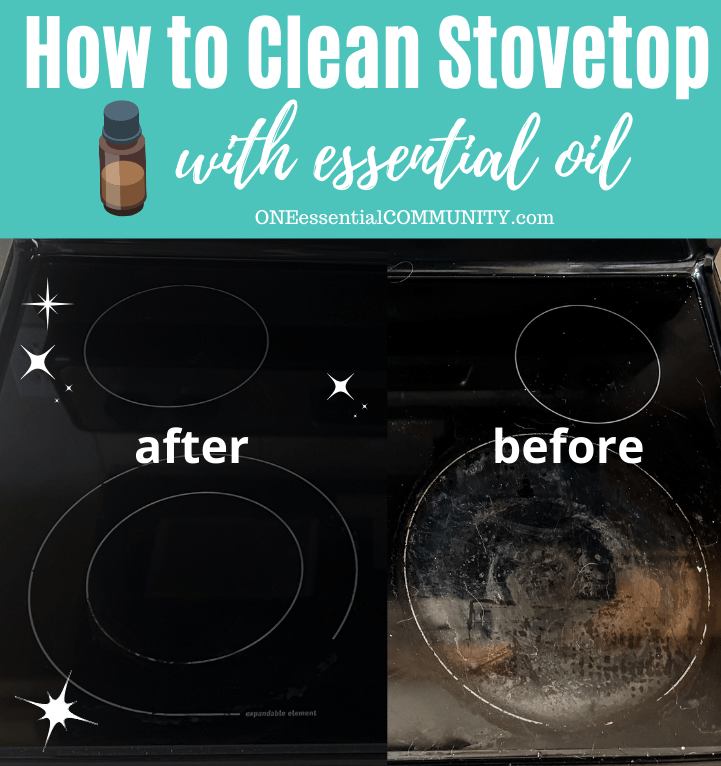
Is your glass cooktop looking dull because of stubborn stains? You’re not alone.
Cleaning those tough marks can feel frustrating and time-consuming. But what if you could make your cooktop sparkle again with simple steps that anyone can follow? You’ll discover easy, effective ways to remove stains and restore your glass cooktop’s shine.
Keep reading—you’ll be amazed at how quickly your cooking surface can look brand new!
Credit: oneessentialcommunity.com
Choosing The Right Cleaner
Choosing the right cleaner is essential for keeping your glass cooktop spotless without causing damage. Glass cooktops are delicate surfaces that need gentle yet effective cleaning products. Picking the best cleaner can save time, prevent scratches, and maintain the cooktop’s shine. Understanding different cleaner types helps you make a smart choice for your kitchen.
Commercial Vs Homemade Options
You can find many cleaners for glass cooktops in stores. These commercial products are made specifically for glass surfaces. They often contain ingredients that break down tough stains quickly. Some brands include special formulas to protect the cooktop from scratches and heat damage.
On the other hand, homemade cleaners use simple ingredients you may already have. These are usually safer, cheaper, and easy to prepare. Homemade options avoid harsh chemicals that might harm your cooktop or the environment.
Here is a comparison of commercial and homemade cleaners:
| Feature | Commercial Cleaners | Homemade Cleaners |
|---|---|---|
| Effectiveness | High for stubborn stains | Good for light to moderate stains |
| Cost | Moderate to high | Low |
| Ingredients | May contain chemicals | Natural and safe ingredients |
| Availability | Easy to buy | Made at home |
| Safety | Varies by product | Generally safe |
Choose commercial cleaners if stains are tough and you need quick results. Use homemade cleaners for gentle cleaning and regular maintenance. Always test a small area before full use to avoid damage.
Safe Ingredients For Glass Cooktops
Using safe ingredients prevents scratches and keeps your cooktop looking new. Avoid abrasive materials like steel wool or harsh chemicals such as bleach. These can ruin the glass surface.
Here are some safe ingredients for cleaning glass cooktops:
- Baking Soda: Gently removes stains and grime without scratching.
- White Vinegar: Cuts grease and leaves a streak-free shine.
- Dish Soap: Mild and effective for daily cleaning.
- Water: Best for rinsing and softening residues.
Mix baking soda and water to form a paste for tough stains. Spray white vinegar on the cooktop, then wipe with a soft cloth. Use dish soap with warm water for regular cleaning. Always use soft cloths or sponges to avoid scratches.
Here is a simple recipe for a homemade cleaner:
1/2 cup baking soda
1/4 cup water
1/4 cup white vinegar (optional)
Apply the paste, wait 15 minutes, then wipe clean with a damp cloth. This method is safe and effective for most stains.
Preparing The Cooktop
Cleaning stains on a glass cooktop starts with proper preparation. Preparing the cooktop well makes the cleaning process safer and more effective. This step helps protect the glass surface from damage and ensures stains come off easily. Two key tasks in preparing the cooktop include cooling down the surface and removing loose debris. Both tasks set the stage for a thorough and gentle cleaning.
Cooling Down The Surface
Before cleaning, always make sure the glass cooktop is completely cool. A hot surface can cause burns or damage cleaning tools. Cleaning while the cooktop is warm might also spread stains instead of removing them.
Here are some important reasons to cool down the surface first:
- Safety: Avoids burns and injuries.
- Prevents cracking: Sudden temperature changes can crack the glass.
- Improved cleaning: Stains loosen better on a cool surface.
Wait at least 30 minutes after cooking before starting to clean. Use a timer to remind yourself if needed.
| Tip | Reason |
|---|---|
| Do not pour cold water on hot cooktop | May cause glass to crack |
| Use a fan or open window | Speeds up cooling process |
| Check temperature by touch | Ensure surface is safe to clean |
Patience is key. A cool surface makes cleaning easier and protects your cooktop.
Removing Loose Debris
Removing loose dirt and crumbs is an important step before tackling stains. Loose debris can scratch the glass during cleaning if not removed properly.
Follow these steps to safely remove loose debris:
- Use a soft brush or dry cloth to sweep away crumbs and dust.
- Avoid using abrasive scrubbers that might scratch the glass.
- If debris is stuck, gently lift it with a plastic scraper or a credit card.
- Check corners and edges where dirt often collects.
Using a vacuum cleaner with a brush attachment can help remove fine particles without scratching.
Below is a comparison of tools for removing loose debris:
| Tool | Best Use | Notes |
|---|---|---|
| Soft brush | Loose crumbs and dust | Safe for glass surface |
| Dry microfiber cloth | Fine dust removal | Prevents scratches |
| Plastic scraper | Stuck-on debris | Use gently to avoid marks |
| Vacuum cleaner (brush attachment) | Small particles | Quick and efficient |
Removing loose debris reduces the chance of scratching during cleaning. It also lets you see stains clearly for better treatment.
Cleaning Stubborn Stains
Stubborn stains on a glass cooktop can look tough to clean. These marks often come from burnt food or spills that hardened over time. Simple wiping might not remove them. To restore your cooktop’s shine, specific methods work best. Using tools and natural cleaners carefully helps protect the glass surface. The goal is to clean without scratching or damaging the cooktop. Below are two effective ways to handle tough stains safely and effectively.
Using A Razor Scraper Safely
A razor scraper can remove burnt-on stains without scratching the glass if used correctly. Safety and care are crucial.
- Choose the right scraper: Use a scraper with a new, sharp blade designed for glass cooktops.
- Prepare the surface: Make sure the cooktop is cool and dry before scraping.
- Use the correct angle: Hold the scraper at a 45-degree angle to the surface for gentle scraping.
- Apply light pressure: Don’t press too hard; let the blade do the work to avoid damage.
- Work slowly: Scrape small areas at a time, checking progress often.
Here is a simple table summarizing scraper safety tips:
| Step | Tip |
|---|---|
| 1 | Use a clean, sharp razor scraper. |
| 2 | Ensure cooktop is cool and dry. |
| 3 | Hold scraper at 45 degrees. |
| 4 | Apply light pressure only. |
| 5 | Scrape slowly in small sections. |
After scraping, wipe the area with a damp cloth to remove residue. Repeat if needed, but avoid over-scraping. This technique removes tough stains while keeping the cooktop smooth and scratch-free.
Applying Baking Soda And Vinegar
Baking soda and vinegar create a natural cleaning duo that tackles stubborn stains effectively. They work by breaking down burnt food and grease.
- Sprinkle baking soda: Cover the stained area generously.
- Spray vinegar: Use a spray bottle to apply white vinegar over the baking soda.
- Let it fizz: Allow the mixture to bubble for 10 to 15 minutes. This loosens grime.
- Scrub gently: Use a soft cloth or sponge to scrub the area in circular motions.
- Wipe clean: Remove the paste with a damp cloth, rinsing thoroughly.
Benefits of this method include:
- Non-toxic and safe: No harsh chemicals harm your cooktop or health.
- Cost-effective: Baking soda and vinegar are inexpensive and easy to find.
- Eco-friendly: Both ingredients are natural and biodegradable.
For deep stains, repeat the process once or twice. Avoid scrubbing too hard to protect the glass. This method refreshes your cooktop’s look and keeps it clean without damage.
Wiping And Polishing
Cleaning stains on a glass cooktop requires more than scrubbing. Wiping and polishing play a key role in restoring its smooth, shiny surface. This step removes leftover dirt, cleans smudges, and gives the cooktop a fresh look. It also helps protect the glass from future stains. Using the right tools and techniques ensures the best results without scratches or streaks. Focus on gentle care and thorough finishing to keep the cooktop looking new for longer.
Choosing The Right Cloth
Selecting the correct cloth is essential for safe and effective cleaning of your glass cooktop. Avoid rough or abrasive materials that can scratch the surface. Instead, pick soft, lint-free cloths to wipe away residues gently.
- Microfiber cloths work best as they trap dirt and dust without scratching.
- Cotton cloths are good for light cleaning but may leave lint behind.
- Soft sponge cloths can help remove stubborn spots but avoid heavy scrubbing.
Keep several cloths on hand for different tasks:
| Type of Cloth | Purpose | Care Tips |
|---|---|---|
| Microfiber | Wiping and polishing | Wash separately, no fabric softener |
| Cotton | Light dusting | Use clean and dry cloth |
| Soft sponge cloth | Removing stubborn stains | Rinse well after use |
Use a dry cloth for polishing after wiping the surface clean. This helps prevent water spots and streaks. Remember, a clean cloth improves the shine and keeps the cooktop scratch-free.
Achieving A Streak-free Shine
A streak-free shine makes your glass cooktop look spotless and new. The right technique matters. Start by wiping the surface with a damp microfiber cloth to remove loose dirt.
Next, use a dry microfiber cloth to polish the glass in small circular motions. This helps spread natural oils evenly and avoids streaks. Avoid using paper towels or rough fabrics that can leave lint or scratches.
Follow these tips for a clear, shiny cooktop:
- Use minimal cleaning solution to avoid residue buildup.
- Wipe in one direction for even coverage.
- Dry the surface immediately after wiping.
- Apply gentle pressure; too much force can cause scratches.
For tough stains, apply a small amount of glass cooktop cleaner, then polish with a clean cloth. Repeating the polishing step enhances the shine and removes any leftover marks.
Using a quality glass cleaner designed for cooktops ensures safety and effectiveness. Avoid ammonia-based cleaners that can dull the surface. Keep cloths clean and dry during the process to prevent smudges.
Preventing Future Stains
Keeping a glass cooktop spotless can be a challenge. Stains often appear after cooking, making the surface look dull and dirty. Preventing future stains is key to maintaining a clean and shiny cooktop. Simple habits and smart care can help avoid tough stains and keep your cooktop looking new for longer. A clean cooktop also works better and is safer to use.
Regular Maintenance Tips
Clean the cooktop after every use. This stops stains from building up and becoming hard to remove. Use a soft cloth or sponge with warm, soapy water. Avoid harsh scrubbing tools that can scratch the glass.
- Wipe spills right away. Hot spills are easier to clean when fresh.
- Use a scraper carefully. A plastic or special glass scraper can remove burnt food safely.
- Apply a cooktop cleaner weekly. These cleaners help remove grease and keep the surface shiny.
- Dry with a microfiber cloth. This prevents water spots and streaks.
Here is a simple maintenance routine:
| Task | Frequency | Tools Needed |
|---|---|---|
| Wipe spills | After every use | Soft cloth, warm soapy water |
| Deep clean | Once a week | Glass cooktop cleaner, microfiber cloth, scraper |
| Dry surface | After cleaning | Microfiber cloth |
Following these simple steps regularly helps keep stains away. It also protects the glass surface from damage.
Avoiding Common Mistakes
Many people damage their glass cooktops without knowing it. Avoiding common mistakes saves time and money. It also prevents stains from turning into permanent marks.
- Don’t use abrasive cleaners. They scratch the glass and make stains worse.
- Avoid steel wool or rough scrubbers. These tools harm the cooktop surface.
- Never slide heavy pots. This can cause scratches or cracks.
- Do not use acidic cleaners. Vinegar or lemon juice can dull the glass finish.
- Allow the cooktop to cool. Cleaning hot glass can cause burns or damage the surface.
Here are some quick tips to avoid mistakes:
- Use only recommended cleaners made for glass cooktops.
- Always wait until the cooktop is cool before cleaning.
- Lift pots and pans instead of sliding them.
- Clean spills immediately after cooking.
Being careful with cleaning tools and methods keeps your cooktop safe. This helps prevent stubborn stains and keeps the glass clear and smooth.

Credit: www.reddit.com
Credit: www.reddit.com
Frequently Asked Questions
How Do I Remove Burnt Stains From A Glass Cooktop?
Use a glass cooktop cleaner and a non-abrasive scrub pad. Apply cleaner, let it sit for a few minutes, then gently scrub. Wipe clean with a damp cloth and dry with a microfiber towel to avoid streaks.
What Household Items Clean Glass Cooktop Stains Effectively?
Baking soda and white vinegar work well. Sprinkle baking soda on the cooktop, spray vinegar, let it fizz, then wipe with a soft cloth. This method removes stains without scratching the surface.
Can I Use Razor Blades To Clean Glass Cooktop Stains?
Yes, but carefully. Use a new, clean razor blade at a 45-degree angle to gently scrape off burnt-on residue. Avoid pressing too hard to prevent scratches. Always follow up with a cooktop cleaner.
How Often Should I Clean My Glass Cooktop To Prevent Stains?
Clean your glass cooktop after every use. Wiping spills immediately prevents stains and buildup. Regular light cleaning keeps the surface spotless and extends the cooktop’s lifespan.
Conclusion
Cleaning stains on your glass cooktop is simple with the right steps. Use gentle cleaners and soft cloths to avoid scratches. Regular care keeps your cooktop shiny and new. Remember to clean spills quickly to stop stains from setting. Small daily efforts save time and effort later.
Keep your kitchen looking fresh and neat with easy cleaning habits. Your cooktop will look better and last longer this way. Try these tips and enjoy a spotless cooking surface every day.

Hello, This is Annie Walker, a 38-year-old blogger, founder, and editor of Cookware Guider from NY, USA. I am a cookware fanatic and passionate cooker. I love to cook with different types of cooking appliances (example: all types of cookware, rice cookers, slow cookers, etc) almost every day in my kitchen. I love to share my experience with my readers in my blog. Also, I enjoy helping people to solve their problems through my website. You can follow me on Twitter & Pinterest. To know details about my blog please check the about us page.