
Cleaning your Thermador cooktop doesn’t have to be stressful. Whether you cook every day or only a few times a week, a clean cooktop keeps your kitchen looking sharp and your appliance working its best. But Thermador cooktops have unique surfaces and designs.
If you use the wrong cleaner, you can damage the finish or even create safety problems. This guide gives you smart, practical steps for cleaning your Thermador cooktop, plus pro tips most people miss. Let’s make your cooktop shine—and stay that way.
Understanding Your Thermador Cooktop
Before you start cleaning, know your cooktop’s material and design. Thermador offers different types:
- Gas cooktops: Feature grates, burners, and removable caps.
- Electric cooktops: Often have smooth glass or ceramic surfaces.
- Induction cooktops: Use magnetic fields and also have smooth tops.
Check your owner’s manual to confirm your model. The cleaning method changes based on the surface. For example, a glass cooktop needs a different cleaner than a cast iron grate. Using the wrong product can scratch or dull the finish.
Why Special Care Is Needed
Thermador cooktops are premium appliances. Their glass, stainless steel, and burner finishes are designed to last, but harsh scrubbing or strong chemicals can wear them down quickly. Even a simple mistake—like cleaning while the surface is still hot—can leave permanent marks.
Essential Cleaning Tools And Products
Gather everything you’ll need before you start. This saves time and prevents damage.
Recommended cleaning tools:
- Soft microfiber cloths (for wiping surfaces)
- Non-abrasive sponge (for gentle scrubbing)
- Soft-bristle brush or old toothbrush (for burner crevices)
- Plastic scraper (for stuck-on food, never metal)
- Paper towels
Safe cleaning products:
- Mild dish soap (non-citrus, non-bleach)
- White vinegar (for glass surfaces)
- Baking soda (for tough stains)
- Commercial cooktop cleaner (for glass/ceramic)
- Stainless steel polish (for steel trims, only if recommended by Thermador)
What to avoid:
- Steel wool
- Abrasive scouring pads
- Ammonia-based sprays
- Oven cleaners
Pro tip: Always let your cooktop cool completely before cleaning to avoid burns and streaks.

Credit: www.youtube.com
Step-by-step Cleaning For Gas Thermador Cooktops
Gas cooktops have more parts, but they’re sturdy. Here’s how to clean them safely:
- Turn off and cool down. Make sure all burners are off and the surface is cool.
- Remove grates and burner caps. Lift them off gently and set aside.
- Soak grates and caps. Place them in a sink with hot water and a few drops of mild dish soap. Let them soak for 15–20 minutes.
- Clean the cooktop surface. Use a damp microfiber cloth and a bit of dish soap to wipe away spills. For stubborn stains, sprinkle a little baking soda and gently rub with a non-abrasive sponge.
- Scrub grates and caps. After soaking, use a soft brush to remove any food residue. Rinse well and dry thoroughly.
- Clean burner bases. Wipe around the burners with a damp cloth. Use a toothbrush for small crevices, but do not let water drip into gas ports.
- Dry all parts. Moisture can cause rust or ignition problems.
- Reassemble. Make sure everything is completely dry before putting grates and caps back.
Common Mistakes To Avoid
- Don’t use metal scrapers on grates—they scratch the finish.
- Avoid soaking aluminum burner bases; it can discolor them.
- Never use excessive water near gas ports.
Cleaning Glass And Induction Thermador Cooktops
Glass and induction cooktops look sleek but can scratch easily. Cleaning them the right way preserves their shine.
- Wait until cool. Cleaning a hot surface causes streaks.
- Wipe away crumbs. Use a dry microfiber cloth to remove loose debris.
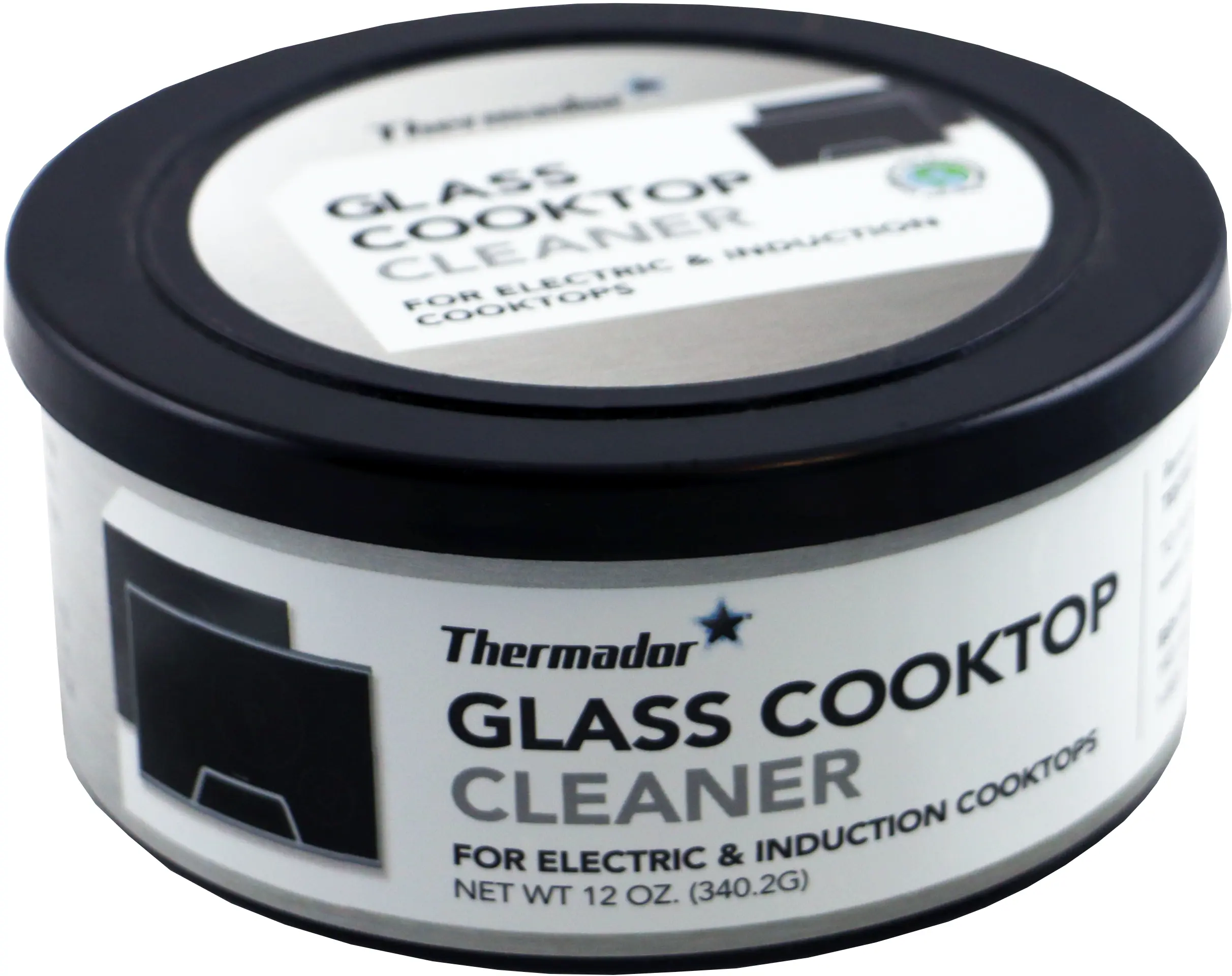
- Apply cleaner. For daily cleaning, use a damp cloth with a drop of dish soap. For tougher stains, use a commercial cooktop cream.
- Gently scrub. Use a non-abrasive sponge in circular motions. For cooked-on residue, a plastic scraper works well—hold it at a 45-degree angle and avoid pressing too hard.
- Rinse and polish. Wipe away cleaner with a damp cloth, then buff dry with a clean microfiber towel.
Handling Burned-on Residue
If you have burnt sugar or melted plastic, let the cooktop cool, then gently scrape off residue with a plastic scraper. Avoid sharp tools—they leave permanent scratches.
Non-obvious insight: Even a paper towel with rough edges can scratch some glass cooktops. Always use microfiber or a soft cloth.
Credit: www.thermador.com
Stainless Steel Surfaces And Trims
Many Thermador cooktops have stainless steel frames or knobs. They require special care to prevent fingerprints and streaks.
- Wipe with damp cloth. Remove dust and light dirt.
- Apply stainless steel cleaner. Use a small amount on a soft cloth, following the grain of the steel.
- Buff dry. Polish with a clean, dry microfiber cloth for best results.
Extra tip: Never spray cleaner directly on the control panel or knobs. Spray the cloth first to prevent liquid from seeping into electronics.
How Often Should You Clean?
Consistency matters more than elbow grease. Here’s a quick reference:
| Part | Recommended Frequency | Why |
|---|---|---|
| Cooktop Surface | After Each Use | Prevents buildup and stains |
| Grates & Burner Caps | Weekly or as needed | Removes grease, keeps ignition working |
| Burner Bases | Monthly | Avoids clogging, ensures safety |
| Knobs & Trim | Weekly | Reduces fingerprints, prolongs finish |
Pro insight: Regular light cleaning is easier and safer than waiting until heavy scrubbing is needed. This also extends the life of your Thermador cooktop.
Dealing With Tough Stains
Sometimes, regular cleaning isn’t enough. Here’s how to handle stubborn spots:
Grease Buildup
Mix a paste of baking soda and water. Apply to the stain, let it sit for 10–15 minutes, then scrub with a non-abrasive sponge. Rinse and dry.
Burnt-on Food
For gas cooktops, use a plastic scraper to lift away charred bits. For glass tops, commercial cooktop cleaner works best. Repeat as needed, but never use sharp objects.
Hard Water Spots
Dab a little white vinegar on a cloth and wipe gently. Rinse with water and dry completely.
Discolored Burner Caps
If you notice discoloration, it’s often permanent due to heat. Avoid aggressive scrubbing, which makes it worse. You can try soaking in vinegar, but don’t expect a full return to the original color.
Safety Precautions And Tips
Cleaning a cooktop isn’t just about looks—it’s about safety. Follow these rules:
- Always unplug or turn off the appliance before deep cleaning.
- Avoid getting water in electrical parts or gas ports.
- Dry all parts before reassembly to prevent ignition problems.
- Do not use flammable cleaners near open flames.
Hidden danger: Even a small amount of water in a burner port can stop ignition. Use minimal water and dry thoroughly.
Special Considerations For Thermador Models
Not all Thermador cooktops are identical. For example, the Star® Burner design on some gas models has unique shapes and may require a toothbrush for deep cleaning. Induction cooktops may have “touch” controls that react to moisture—always dry these areas well.
Check your manual for model-specific advice. Thermador’s official website also has cleaning recommendations for different finishes and burners. For new models, warranties may be voided by using the wrong cleaner.
For more details on appliance care, you can visit the official Thermador support page.
Comparison Of Cleaning Methods
Here’s a quick look at which methods work best for different Thermador cooktop types:
| Cooktop Type | Best Cleaning Method | What to Avoid |
|---|---|---|
| Gas (Grates/Burners) | Soak in soapy water, gentle brush | Metal scrapers, harsh chemicals |
| Glass/Ceramic | Commercial cream, microfiber cloth | Steel wool, paper towels |
| Induction | Glass cooktop cleaner, soft sponge | Abrasive pads, excessive water |
| Stainless Steel | Polish with grain, soft cloth | Bleach, ammonia spray |

Credit: www.youtube.com
When To Call A Professional
If you notice:
- Persistent ignition problems after cleaning
- Burner flames that are uneven or yellow
- Strange smells or visible damage
It’s time to call a qualified technician. Attempting to fix deep problems on your own can make things worse or void your warranty.
Frequently Asked Questions
How Do I Remove Melted Plastic From My Thermador Cooktop?
Wait until the surface is completely cool. Gently scrape off the plastic with a plastic scraper. For any residue, use a cooktop cleaner and a non-abrasive sponge. Never use a knife or razor blade.
Is It Safe To Use Vinegar On A Thermador Cooktop?
Yes, white vinegar is safe for glass and stainless steel surfaces. Do not use it on cast iron grates or burner caps, as it can cause discoloration.
Can I Put Thermador Grates In The Dishwasher?
Most Thermador grates are not dishwasher safe. The high heat and detergent can dull the finish or cause rust. Always check your manual before washing grates in the dishwasher.
What Should I Do If My Burners Won’t Ignite After Cleaning?
Check that all parts are dry and assembled correctly. Moisture in the gas ports or misaligned burner caps are common causes. Let everything air dry and try again.
How Do I Prevent Scratches On My Glass Cooktop?
Always use soft microfiber cloths and plastic scrapers. Avoid dragging pots and pans across the surface. Lift cookware instead of sliding it.
Thermador cooktops are built to last, but only if you care for them the right way. A few minutes of careful cleaning after each use makes a big difference. With the right tools and methods, your cooktop will keep its shine and performance for years—and your kitchen will always look ready for a great meal.

Hello, This is Annie Walker, a 38-year-old blogger, founder, and editor of Cookware Guider from NY, USA. I am a cookware fanatic and passionate cooker. I love to cook with different types of cooking appliances (example: all types of cookware, rice cookers, slow cookers, etc) almost every day in my kitchen. I love to share my experience with my readers in my blog. Also, I enjoy helping people to solve their problems through my website. You can follow me on Twitter & Pinterest. To know details about my blog please check the about us page.