
Buying an induction cooktop is a big decision for many kitchens today. Induction cooking is fast, safe, and energy-efficient. But the question most people ask is: How much is an induction cooktop? The answer is not simple, because prices vary a lot. It depends on the brand, the number of burners, features, and even where you live. In this article, you will discover how much induction cooktops cost, what affects their price, and how to choose the best one for your budget. You will also find practical advice, real examples, and tips most buyers miss. This guide is written for easy reading, even if English is not your first language.
What Is An Induction Cooktop?
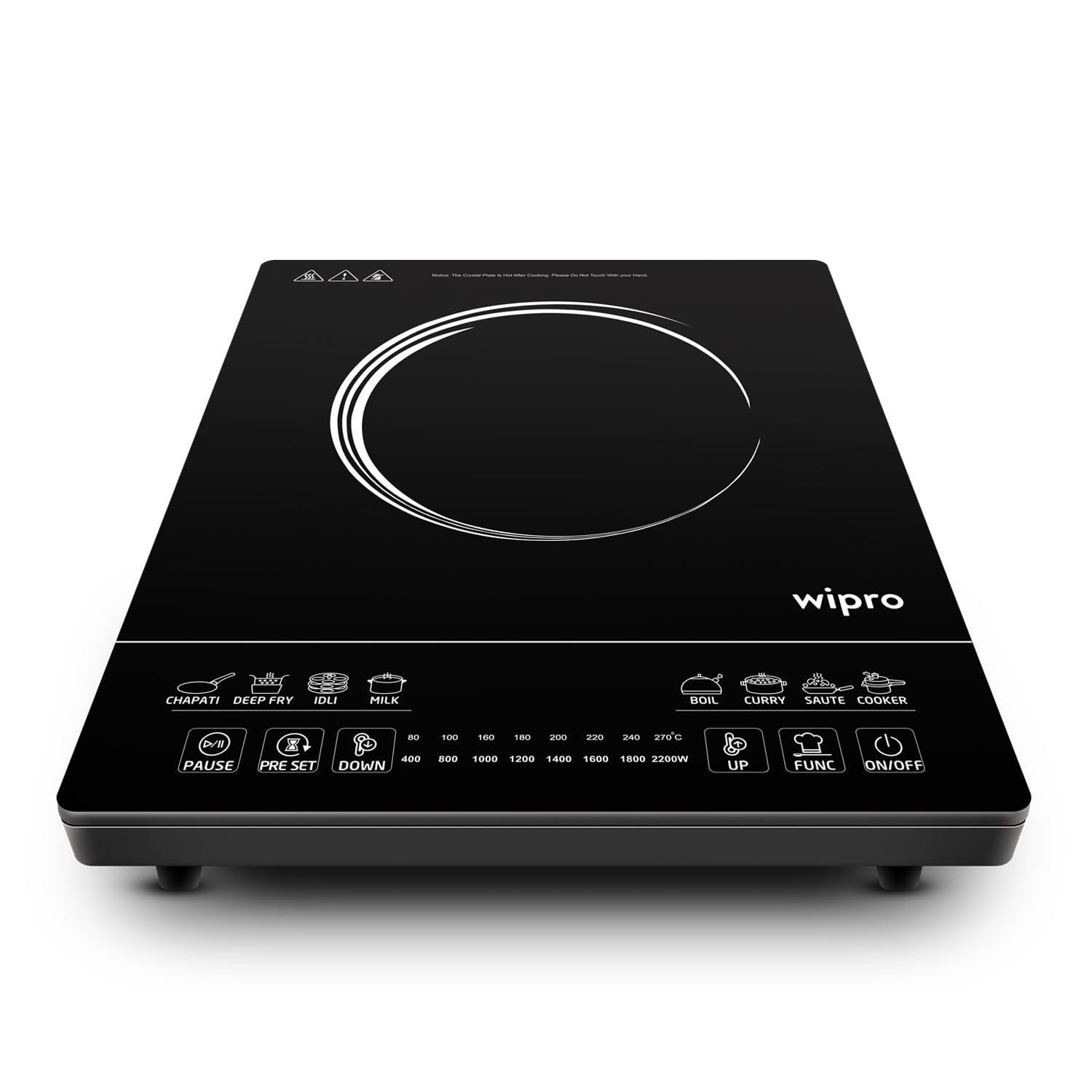
An induction cooktop uses electromagnetic energy to heat pots and pans. Unlike gas or electric stoves, induction cooktops do not heat the surface directly. Instead, they create a magnetic field that heats only the cookware. This makes cooking faster and safer because the cooktop stays cool.
Induction cooktops are popular in homes and restaurants. They are easy to clean, use less energy, and have smart features. However, they need special cookware made with magnetic materials. Stainless steel and cast iron work well, but aluminum and copper do not.
Factors Affecting Induction Cooktop Prices
The price of an induction cooktop is not fixed. Many factors change the cost. Understanding these can help you avoid paying too much or buying the wrong model.
1. Number Of Burners
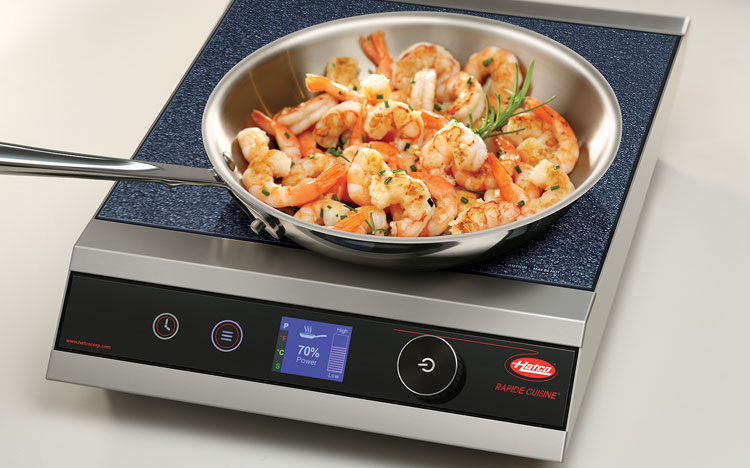
- Single-zone cooktop: Usually for small kitchens or travel. Prices start around $50-$200.
- Two-zone cooktop: Good for couples or tiny homes. Prices range from $150-$400.
- Four-zone cooktop: Standard for families. Prices can be $300-$1,500.
- Five or more zones: For large kitchens or restaurants. Prices may reach $2,000 or more.
2. Brand
Top brands usually charge more. Bosch, Samsung, GE, and KitchenAid are known for quality and reliability. Lesser-known brands may offer lower prices, but sometimes with fewer features or shorter warranties.
3. Features
Extra features push the price higher:
- Touch controls
- Child lock
- Timer
- Boost mode for fast heating
- Bridge elements for big pots
- Smart connectivity (Wi-Fi, app control)
A basic cooktop may not have these. Advanced models with smart features can cost twice as much.
4. Size And Design
Standard sizes are 24-inch and 30-inch. Custom sizes (36-inch or bigger) cost more. Sleek glass designs or frameless edges also raise the price.
5. Country Of Manufacture
Cooktops made in Europe or the US are often more expensive than those from Asia. Import taxes and shipping also affect price.
6. Warranty And Service
Longer warranties usually mean higher price. Some brands offer 1-year, others up to 5 years.
7. Retailer And Location
Prices change from store to store. Online shops can be cheaper. Local taxes and delivery fees also matter.
Typical Price Ranges For Induction Cooktops
To help you compare, here are sample price ranges for different types and brands.
| Cooktop Type | Price Range (USD) | Best For |
|---|---|---|
| Single Portable | $50-$200 | Small kitchen, travel |
| Two Burner | $150-$400 | Couples, tiny homes |
| Four Burner (Standard) | $300-$1,500 | Families |
| Five Burner (Large) | $1,000-$2,500 | Big kitchens, restaurants |
This table shows the main types. Prices can change based on features, brand, and place of purchase.
Brand Comparison
Some brands are famous for quality, others for value. Here is a comparison of popular induction cooktop brands.
| Brand | Average Price (USD) | Warranty | Special Features |
|---|---|---|---|
| Bosch | $900-$2,000 | 2-5 years | Flex zones, touch controls |
| Samsung | $800-$1,700 | 1-2 years | Smart connectivity, easy clean |
| GE | $600-$1,500 | 1-2 years | Bridge elements, timers |
| Duxtop | $50-$200 | 1 year | Portable, simple controls |
| KitchenAid | $1,000-$2,500 | 1-5 years | Boost mode, sleek design |
Bosch and KitchenAid cost more but offer extra features and longer warranties. Duxtop is affordable and portable, great for students or renters.
Comparing Induction Cooktop Vs. Traditional Cooktops
Choosing between induction and other types is important. Here is a quick comparison.
| Cooktop Type | Price Range (USD) | Energy Efficiency | Safety |
|---|---|---|---|
| Induction | $50-$2,500 | High | Very safe |
| Gas | $150-$2,000 | Medium | Less safe (flame) |
| Electric | $100-$1,500 | Medium | Safe, but surface hot |
Induction cooktops are often more expensive, but they save energy and are safer. Gas and electric cooktops can be cheaper, but lack some features.
Hidden Costs And Value Factors
Many buyers only look at the sticker price. But there are hidden costs and value factors you should know.
1. Cookware Compatibility
Induction cooktops only work with magnetic cookware. If you have aluminum or glass pots, you must buy new ones. Good induction-ready cookware can cost $50-$200 for a basic set.
2. Installation Costs
Built-in induction cooktops need professional installation. This can cost $100-$400, depending on your kitchen.
Portable models require no installation, but may need a strong outlet.
3. Maintenance
Induction cooktops are easy to clean, but repairs can be expensive if the glass breaks. Some brands cover this under warranty, others do not.
4. Energy Savings
Induction is more efficient. It uses up to 90% of the energy to heat food, while gas and electric waste more. Over time, you save on utility bills.
5. Lifespan
A quality induction cooktop can last 10-15 years. Cheaper models may need replacement sooner.
6. Resale Value
Homes with modern induction cooktops can sell for more. This is a bonus for homeowners.
Key Features That Affect Price
When shopping, some features change the price dramatically. Here are the main ones to watch for:
- Power Level: Higher wattage means faster cooking and higher price.
- Safety Functions: Child lock, auto shut-off, and heat sensors add cost.
- Bridge Elements: Allows two burners to join for big pans.
- Smart Controls: Wi-Fi or app control can add $200-$500.
- Boost Mode: Quick heating boosts price.
- Design: Frameless or glass edge models are stylish but expensive.
How To Choose An Induction Cooktop For Your Budget
Choosing the right induction cooktop is not just about price. Here is a step-by-step method to decide:
- Set a Budget: Decide how much you can spend, including cookware and installation.
- Know Your Needs: How many burners do you need? Single or multiple?
- Check Cookware: Do you already have induction-ready pots?
- List Must-Have Features: Only pay for features you will use.
- Compare Brands: Look for warranty, reviews, and service.
- Shop Around: Check prices online and in stores.
- Read Reviews: Real user opinions matter more than ads.
- Ask About Warranty: Longer warranty is better, even if price is higher.
- Watch for Sales: Major holidays often bring discounts.
Real-life Price Examples
Here are real examples of induction cooktop prices in the US:
- Duxtop Portable Single Burner: $80
- GE Profile 30-inch Four Burner: $1,250
- Bosch 36-inch Five Burner: $2,200
- Samsung 24-inch Two Burner: $370
- KitchenAid 30-inch Four Burner: $1,800
These prices can change with sales and location.
Common Mistakes When Buying
Many buyers make mistakes when choosing an induction cooktop. Avoid these to save money and get the best product.
- Ignoring Cookware Compatibility: Buying a cooktop before checking if your pots work can cost extra money.
- Paying for Unused Features: Many people pay for smart controls or extra burners they never use.
- Skipping Warranty: Cheaper cooktops often have short warranties. Repairs can be expensive later.
- Not Comparing Prices: Sometimes, the same model is much cheaper online.
- Missing Installation Costs: Built-in models need professional installation.
Credit: wiproappliances.com
Non-obvious Insights For Beginners
Most beginners miss a few important facts:
- Electrical Requirements: Some built-in induction cooktops need special outlets. If your kitchen is not ready, rewiring may cost $100-$400.
- Noise: Induction cooktops sometimes make a soft humming sound. This is normal, but many first-time buyers are surprised.
- Heat Distribution: Induction heats quickly but uneven cookware can cause cold spots. Use high-quality pans for best results.
Should You Buy Portable Or Built-in?
Both types have pros and cons.
Portable Induction Cooktops
- Affordable: Prices start around $50.
- Easy to move: Great for renters or travelers.
- No installation needed.
- Fewer features: Usually only one or two burners.
Built-in Induction Cooktops
- Looks modern: Fits well in kitchens.
- More features: Multiple burners, smart controls.
- Higher price: $300-$2,500.
- Needs installation.
If you cook often, a built-in model is better. For simple meals or small spaces, portable is enough.
Buying Online Vs. In-store
Where you buy matters. Online stores often offer better prices and more choices. In-store shopping lets you see and touch the cooktop.
- Online: Amazon, Home Depot, Best Buy, Lowe’s
- In-Store: Appliance stores, kitchen showrooms
Check return policies and warranty before buying.
Induction Cooktop Price Trends
Over the past 10 years, induction cooktop prices have dropped. Technology has improved, making them more common and affordable. In 2010, a basic four-burner model cost about $2,000. Today, you can find similar models for $800-$1,200.
High-end models with smart controls and special features are still expensive, but now even budget buyers can find good options. Experts say prices may drop more as demand increases.
Practical Tips For Saving Money
If you want an induction cooktop but need to save money, here are tips:
- Buy during sales: Black Friday, Cyber Monday, and New Year sales offer discounts.
- Choose fewer burners: If you rarely cook big meals, a two-burner is enough.
- Skip fancy features: Basic models cook just as well.
- Check for open-box or refurbished: These can be much cheaper.
- Ask about bundle deals: Some stores offer discounts if you buy cooktop and cookware together.
How To Check If Your Cookware Is Induction Ready
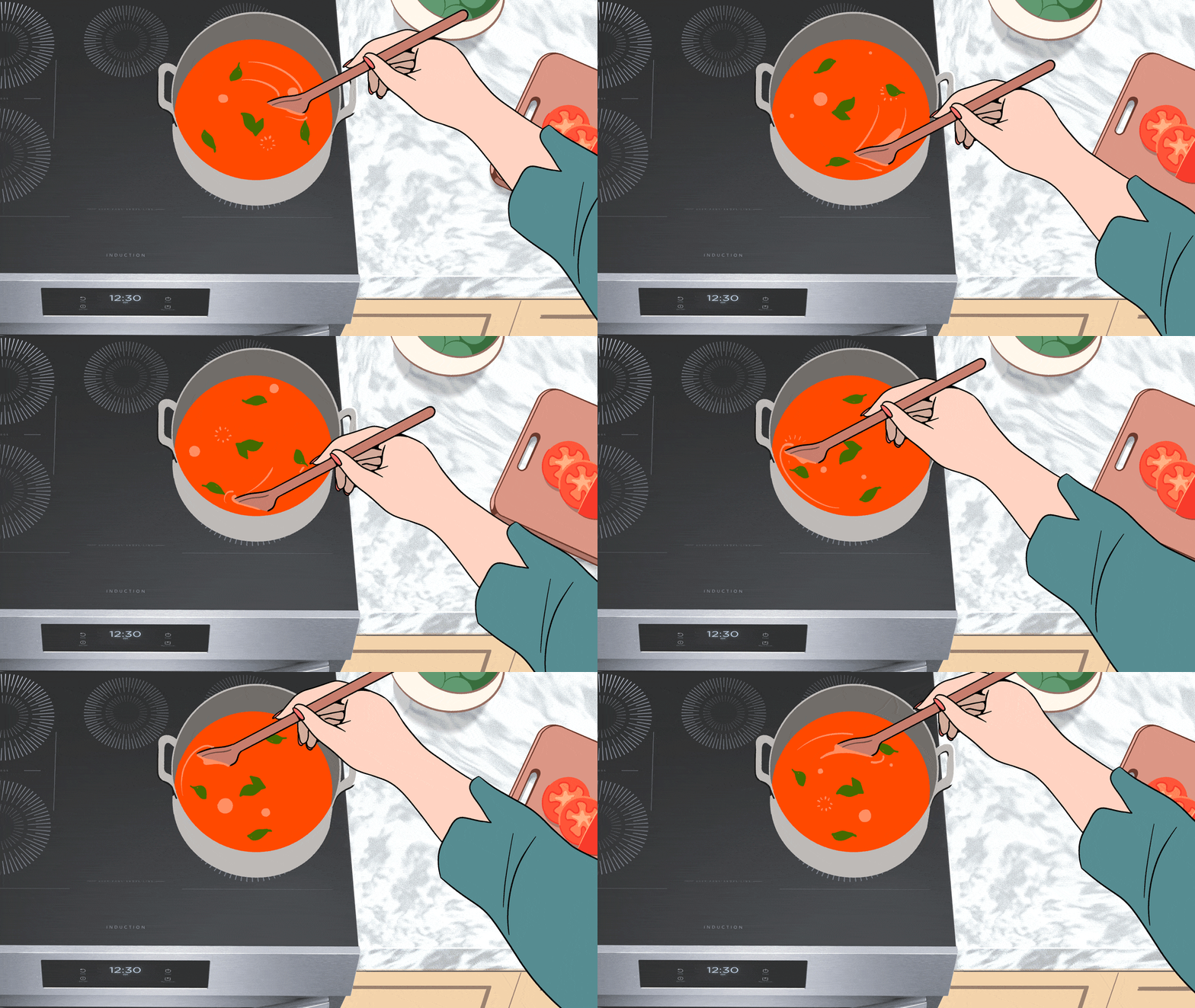
A simple test: Place a magnet at the bottom of your pot. If it sticks well, your cookware is induction-ready. If not, you need new pots.
Some companies sell induction adapters, but these reduce efficiency and are not a good long-term solution.
Credit: www.consumerreports.org
Energy Savings Compared To Gas And Electric
Induction cooktops are much more efficient. According to the US Department of Energy, induction uses up to 90% of the energy to heat food. Gas uses only 40%, and electric about 70%.
This means you spend less on electricity bills. Over five years, the savings can be $200-$500, depending on how often you cook.
Environmental Impact
Induction cooktops are better for the environment. They use less energy and produce less heat in the kitchen. This means your home stays cooler, and you use less air conditioning. Gas cooktops release carbon dioxide, while induction does not.
When Is The Best Time To Buy?
Prices are lowest during big sales. Look for discounts in November and after New Year’s. Many stores also offer deals in spring when new models are released.
Where To Find Reliable Reviews
Before buying, always read real user reviews. Trusted sources include:
- Consumer Reports
- Amazon verified reviews
- Manufacturer websites
You can also check comparison articles at Consumer Reports for expert opinions.
Credit: www.hatcocorp.com
Frequently Asked Questions
How Much Does A Basic Induction Cooktop Cost?
A basic single-zone induction cooktop costs between $50 and $200. This type is portable and good for small kitchens or travel.
Can I Use Regular Cookware On Induction Cooktops?
No. Only magnetic cookware works with induction. Stainless steel and cast iron are best. You can test your pots with a magnet to be sure.
Is Installation Expensive For Built-in Induction Cooktops?
Installation costs depend on your kitchen. Simple setups may cost $100, but if you need new wiring, it could be $400 or more. Always ask before buying.
Are Induction Cooktops Safe?
Yes. Induction cooktops are very safe. The surface stays cool, and many models have child locks and auto shut-off. They are safer than gas stoves.
Do Induction Cooktops Save Money On Energy Bills?
Yes. Induction cooktops use up to 90% of energy to heat food. This means lower bills compared to gas or electric stoves. Over time, you can save hundreds of dollars.
Choosing an induction cooktop is easier when you understand the price and what affects it. By knowing the details, you can find the best model for your budget and needs. Induction cooking brings modern convenience and savings, making it a smart choice for most kitchens.

Hello, This is Annie Walker, a 38-year-old blogger, founder, and editor of Cookware Guider from NY, USA. I am a cookware fanatic and passionate cooker. I love to cook with different types of cooking appliances (example: all types of cookware, rice cookers, slow cookers, etc) almost every day in my kitchen. I love to share my experience with my readers in my blog. Also, I enjoy helping people to solve their problems through my website. You can follow me on Twitter & Pinterest. To know details about my blog please check the about us page.