
Keeping your gas cooktop clean is more than just a matter of looks. A well-cleaned cooktop works better, lasts longer, and keeps your kitchen safer. Grease, food spills, and dust can block burners, slow down heating, and even cause bad smells or fires. Cleaning a gas cooktop can seem tricky, especially if you’ve never done it before. But with the right steps, tools, and a little knowledge, you can make your cooktop shine again and keep it working well for years.
This guide will walk you through every part of cleaning a gas cooktop. You’ll learn what supplies you need, how to clean the cooktop step by step, and find out about common mistakes to avoid. You’ll also get tips for tackling tough stains and for keeping your cooktop clean every day.
Whether you’re a beginner or just want to get better results, you’ll find practical advice you can use right away.
Understanding Your Gas Cooktop
Before you start cleaning, it’s important to know the parts of your gas cooktop. Most cooktops have several main parts:
- Burner grates: The metal racks that pots and pans sit on.
- Burner caps: The round covers sitting on each burner.
- Burner heads: Where the gas comes out and gets lit.
- Control knobs: Used to turn the gas on or adjust the flame.
- Cooktop surface: The main area, often made of stainless steel, glass, or enamel.
Each part needs special care. For example, grates and caps can get greasy and sticky, while burner heads can become blocked by food or dust. Knowing where to focus your cleaning helps avoid damage and keeps your cooktop working safely.
Why Regular Cleaning Matters
A dirty cooktop doesn’t just look bad. It can cause real problems:
- Blocked burners: Grease or food can clog the gas holes, making flames uneven or weak.
- Fire risk: Built-up grease can catch fire, especially if you fry often.
- Bad odors: Old food spills can smell and attract pests.
- Shorter lifespan: Dirt can wear down metal and other materials, making repairs needed sooner.
According to the National Fire Protection Association, cooking fires are the top cause of home fires in the US. Regular cleaning reduces these risks and keeps your kitchen safe.
:max_bytes(150000):strip_icc()/cleaning-gas-burners-1900625-976df9789ca8452ca8250bf5fec73c6e.png)
Credit: www.thespruce.com
Gathering The Right Supplies
Cleaning a gas cooktop doesn’t require fancy tools. But having the right supplies makes the job easier and safer. Here’s what you’ll need:
- Soft sponges or cloths
- Non-abrasive scrubber
- Mild dish soap
- Baking soda
- White vinegar
- Toothbrush or small cleaning brush
- Paper towels
- Bucket or bowl
- Cotton swabs
- Gloves (if you have sensitive skin)
Avoid harsh cleaners or metal scrubbers. These can scratch surfaces and damage parts. If you have a stainless steel cooktop, use cleaners meant for stainless steel.
Preparing Your Cooktop For Cleaning
Safety comes first. Before cleaning, always:
- Turn off the gas: Make sure all burners are off. If possible, shut off the gas supply.
- Let it cool: Never clean a hot cooktop. Wait until it’s fully cooled.
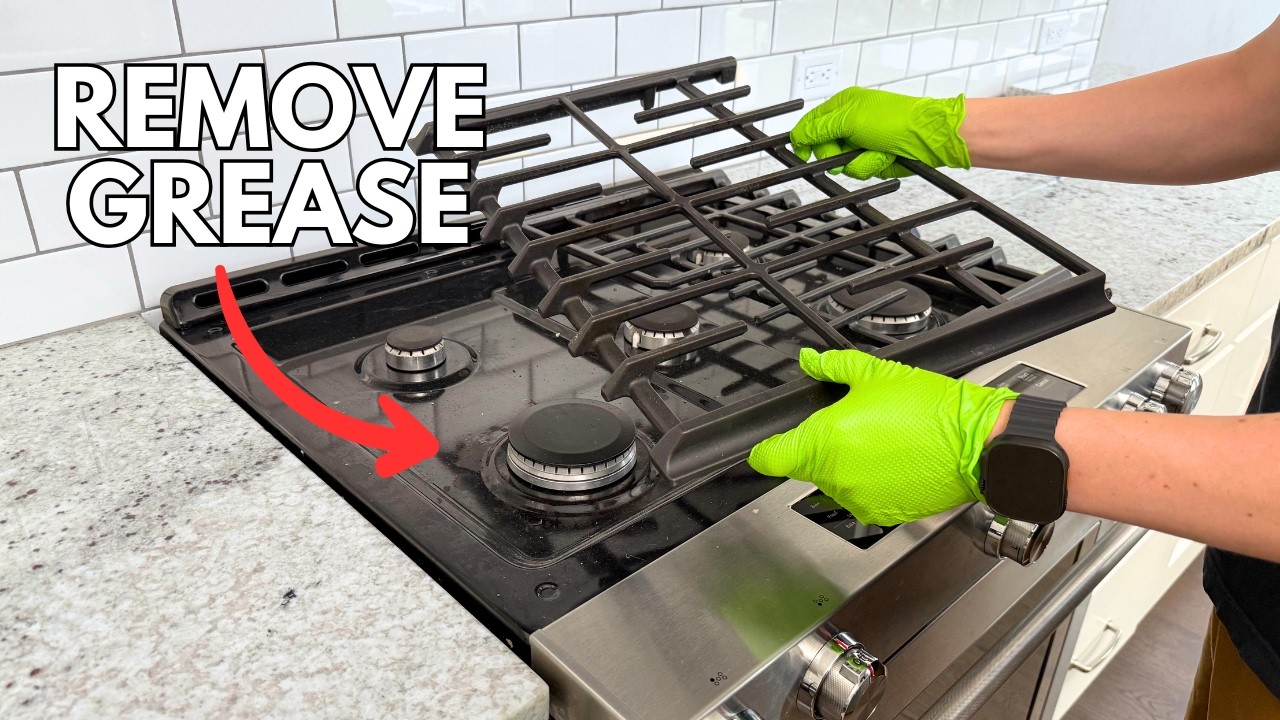
- Remove grates and burner caps: Take off all loose parts and set them aside.
Check your cooktop’s manual if you’re unsure how to remove parts. Some grates or burner caps may be heavy or have special fittings.
Step-by-step Cleaning Process
Let’s break down the cleaning process into clear steps. Each step focuses on one part of your gas cooktop.
Cleaning Burner Grates
Burner grates get the dirtiest. They catch spills, grease, and burnt food.
- Soak in hot, soapy water: Fill a sink or bucket with hot water and a few drops of dish soap. Let grates soak for 20–30 minutes.
- Scrub gently: Use a non-abrasive scrubber to remove stuck-on food. For tough stains, sprinkle baking soda and scrub.
- Rinse and dry: Wash off soap, then dry grates fully. Water left on grates can cause rust.
For heavy buildup, mix baking soda with water to form a paste. Spread it on the grates, let sit for 15 minutes, then scrub.
Cleaning Burner Caps And Heads
Burner caps and heads can get blocked by spills or dust.
- Wipe with damp cloth: Clean loose dirt first.
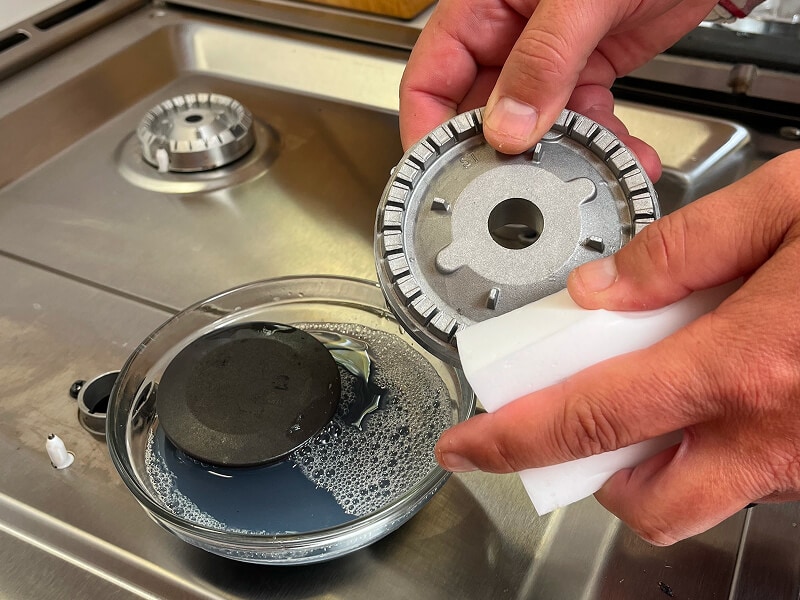
- Scrub with toothbrush: Dip in soapy water and scrub small holes or grooves.
- Rinse and dry: Make sure all water is gone before reassembling.
If burner holes are blocked, use a toothpick or cotton swab. Never use metal pins—they can damage the holes.
Cleaning Control Knobs
Control knobs get greasy from hands and spills.
- Remove knobs: Most knobs pull off easily. If not, check your manual.
- Wash with soapy water: Scrub gently.
- Dry and replace: Make sure they’re fully dry before putting back.
Some control panels are electronic. Never soak these; use a damp cloth only.
Cleaning The Cooktop Surface
The cooktop surface is where most spills happen.
- Wipe loose debris: Use a dry cloth first.
- Apply soapy water: Clean with a sponge. For stuck-on food, use baking soda paste.
- Rinse and dry: Wipe away soap with a damp cloth, then dry.
If your surface is stainless steel, wipe in the direction of the grain to avoid scratches.
Comparing Cooktop Surface Materials
Different cooktop surfaces need different care. Here’s a quick comparison:
| Surface Type | Cleaning Method | Common Problems |
|---|---|---|
| Stainless steel | Wipe with soft cloth, use mild cleaners | Scratches, fingerprints |
| Enamel | Use non-abrasive sponge, avoid harsh chemicals | Chipping, stains |
| Glass | Use gentle cleaner, avoid abrasive pads | Smudges, cracking |
Always check your cooktop’s manual for the best cleaning method.
Tackling Tough Stains And Grease
Sometimes, normal cleaning doesn’t remove all stains or burnt-on grease. Here are extra tips:
- Baking soda paste: Mix baking soda and water. Spread on stains, let sit, then scrub.
- Vinegar spray: Spray vinegar on greasy spots, let sit, then wipe.
- Lemon juice: For odors, rub with lemon juice, then rinse.
If stains won’t budge, try soaking overnight. Cover stains with a damp cloth and baking soda, then clean the next day.
Common Mistakes To Avoid
Even experienced cooks make mistakes when cleaning their gas cooktop. Here are some to watch for:
- Using harsh cleaners: Bleach or ammonia can damage surfaces and harm your health.
- Scrubbing with metal: Metal pads scratch and can leave rust spots.
- Not drying parts: Wet grates and caps can rust or cause gas to spark wrong.
- Blocking gas holes: Using pins or wires to clean holes can change the flame or damage the burner.
One non-obvious tip: Always check for loose wires or connections after cleaning. If you see any, call a professional.
How Often Should You Clean?
How often you clean depends on how much you cook. Here’s a simple guide:
| Cooking Frequency | Recommended Cleaning |
|---|---|
| Daily (heavy use) | Wipe after each use, deep clean weekly |
| 3–4 times/week | Wipe after each use, deep clean every 2 weeks |
| 1–2 times/week | Wipe after use, deep clean monthly |
Deep cleaning means taking apart grates, caps, and cleaning each part.
Quick Daily Cleaning Tips
To keep your cooktop clean every day:
- Wipe spills right away: Hot spills are easier to clean.
- Use a splatter guard: When frying, use a guard to stop grease.
- Keep cleaning supplies nearby: Store sponges and cloths in a drawer.
- Check burner holes weekly: Make sure gas holes are clear.
Small daily habits save time and help prevent big messes.
Cleaning Gas Cooktop Igniters
Igniters are small, but important. If they’re dirty, burners won’t light well.
- Turn off power and gas: Safety first.
- Gently brush igniter: Use a dry toothbrush. Never use water.
- Check for buildup: If you see white or black buildup, gently scrape with a cotton swab.
Don’t use sharp objects, as igniters are sensitive. If your igniter doesn’t spark after cleaning, check your manual or call a technician.
Credit: www.youtube.com
Safety Tips During Cleaning
Cleaning your gas cooktop involves water and chemicals. To stay safe:
- Wear gloves: Protect your hands from chemicals.
- Ventilate kitchen: Open windows to let out fumes.
- Never mix cleaners: Mixing chemicals can cause dangerous fumes.
- Check gas connections: After cleaning, make sure all parts are reconnected.
If you smell gas or see a damaged part, stop using your cooktop and call a professional.
Cleaning Underneath The Cooktop
Many people forget to clean under the cooktop. Food and grease can build up here, causing odors and attracting bugs.
- Remove top if possible: Some cooktops allow you to lift the surface.
- Vacuum crumbs: Use a handheld vacuum for loose debris.
- Wipe with damp cloth: Use soapy water, then dry.
If your cooktop is built-in and doesn’t lift, clean around edges with a cotton swab.
Credit: www.kitchenaid.com
When To Call A Professional
Sometimes, cleaning isn’t enough. If you notice:
- Yellow or uneven flames
- Gas smell
- Broken parts
- Igniter not working
Call a technician. These issues may mean a deeper problem, like a gas leak or faulty connection. Don’t risk your safety.
Comparing Gas Cooktop Cleaning To Other Types
Gas cooktops aren’t the only kind. Here’s a quick comparison:
| Cooktop Type | Cleaning Difficulty | Common Issues |
|---|---|---|
| Gas | Medium | Grease, blocked burners |
| Electric coil | Easy | Coil buildup, uneven heating |
| Glass induction | Easy | Smudges, scratches |
Gas cooktops need more careful cleaning, but they offer better heat control.
Eco-friendly Cleaning Tips
Want to clean without harsh chemicals? Try these options:
- Baking soda and vinegar: Mix for a natural cleaner.
- Lemon juice: Removes stains and odors.
- Microfiber cloths: Clean without soap.
Eco-friendly cleaning is safe for kids and pets and helps protect your cooktop.
Storage And Maintenance Tips
Keeping your cooktop clean is easier if you store parts properly:
- Store grates upright: If you remove grates for a long time, keep them upright to avoid bending.
- Avoid stacking: Stacking grates can cause scratches.
- Check for rust monthly: Wipe grates and caps with oil if you see rust.
Proper storage helps parts last longer and makes cleaning easier next time.
Non-obvious Tips For Better Results
Many people miss these smart tips:
- Clean while watching TV: Soak parts during your favorite show, then scrub during commercials.
- Use old toothbrushes: They reach tight spots better than big brushes.
- Label parts: If you have many burners, label each part during cleaning to avoid confusion.
These tips save time and prevent mistakes that beginners often make.
Frequently Asked Questions
How Do I Remove Burnt-on Food From Gas Cooktop Grates?
Soak grates in hot, soapy water for 30 minutes. Then scrub with a baking soda paste and a non-abrasive brush. For tough spots, let the paste sit longer before scrubbing.
Can I Use Oven Cleaner On My Gas Cooktop?
No. Oven cleaner is too harsh for most gas cooktop surfaces. It can damage enamel, stainless steel, and glass. Use mild dish soap or baking soda instead.
What Should I Do If My Burner Flame Is Uneven After Cleaning?
Check the burner holes for blockages. Use a toothpick or cotton swab to clear any debris. If the flame is still uneven, the burner may not be placed correctly or could be damaged.
How Often Should I Deep Clean My Gas Cooktop?
If you cook daily, deep clean your cooktop once a week. For lighter use, clean every 2–4 weeks. Deep cleaning means removing grates and caps and scrubbing each part.
Is It Safe To Clean The Igniter With Water?
No. The igniter should only be cleaned with a dry brush or cotton swab. Water can damage the igniter and make it stop working.
Keeping your gas cooktop clean isn’t just about making your kitchen look good—it protects your family and keeps your cooking efficient. By following these steps and tips, you’ll keep your cooktop running smoothly and your kitchen safer. If you ever face a problem you can’t fix, don’t hesitate to call a professional. For more expert advice on gas cooktop safety, visit the National Fire Protection Association. Clean smart, cook safe, and enjoy a spotless kitchen every day.

Hello, This is Annie Walker, a 38-year-old blogger, founder, and editor of Cookware Guider from NY, USA. I am a cookware fanatic and passionate cooker. I love to cook with different types of cooking appliances (example: all types of cookware, rice cookers, slow cookers, etc) almost every day in my kitchen. I love to share my experience with my readers in my blog. Also, I enjoy helping people to solve their problems through my website. You can follow me on Twitter & Pinterest. To know details about my blog please check the about us page.