
Baking is one of the most enjoyable ways to make delicious food at home. Over the years, many people have switched from metal pans to silicone bakeware. Silicone is flexible, colorful, and easy to clean. But if you’ve never baked with silicone before, you may wonder if it works the same as traditional pans. This guide will show you everything you need to know about baking in silicone bakeware, from preparation to cleaning. You’ll learn the best ways to use silicone molds, how to avoid common mistakes, and why silicone can make baking easier for everyone.
What Is Silicone Bakeware?
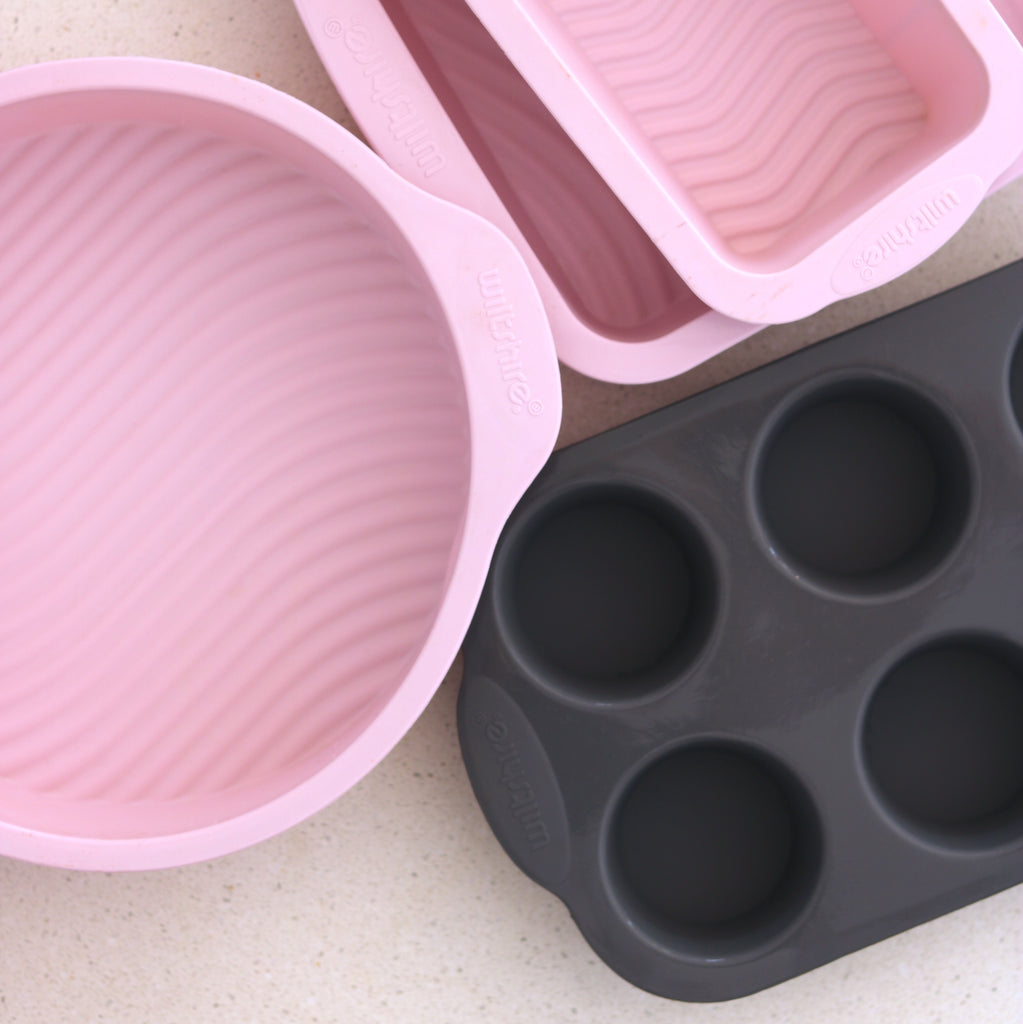
Silicone bakeware is made from food-grade silicone, a flexible material that can handle both high and low temperatures. It comes in many shapes and sizes—muffin pans, cake molds, loaf pans, and even baking mats. Silicone bakeware is lightweight and usually bright in color.
Unlike metal or glass pans, silicone doesn’t rust, crack, or warp. You can twist or bend it, and it will return to its original shape. It’s also nonstick, so baked goods are easier to remove.
Key Features
- Heat resistance: Most silicone bakeware can handle temperatures from -40°F to 450°F.
- Nonstick surface: Cakes and muffins release easily, often without added grease.
- Flexible design: Makes removing baked goods simple.
- Dishwasher safe: Cleaning is easy and fast.
- Odor resistance: Silicone doesn’t absorb smells, so flavors don’t mix.
Preparing Silicone Bakeware For Baking
Some people believe you don’t need to grease silicone bakeware. While it’s true that silicone is nonstick, greasing can help, especially for sticky recipes or new molds.
How To Prepare
- Wash before first use: Clean the silicone mold with warm soapy water to remove any residue from manufacturing.
- Grease lightly (optional): For cakes, brownies, or muffins, spray or brush a thin layer of oil or butter. This makes unmolding even easier.
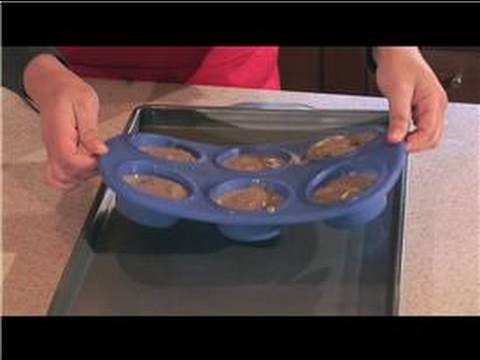
- Place on a sturdy tray: Silicone is floppy. Always set the mold on a metal baking sheet before filling. This prevents spills and makes it easy to move.
Practical Tip
If you bake with larger molds (like bundt pans), greasing is more important. For simple cookies on a silicone mat, you don’t need extra oil.
How Baking In Silicone Differs From Metal Or Glass
Silicone bakeware changes the way heat moves through your batter. Let’s compare it with other materials:
| Property | Silicone | Metal | Glass |
|---|---|---|---|
| Heat Conductivity | Low | High | Medium |
| Flexibility | High | None | None |
| Nonstick | Yes | Usually No | No |
| Cleaning | Easy | Moderate | Moderate |
| Weight | Light | Heavy | Heavy |
Silicone heats up slower than metal. This means your food may take a bit longer to bake, but it’s less likely to burn on the edges. Silicone is perfect for recipes that need gentle heat, like sponge cakes or brownies.
Non-obvious Insight
Because silicone retains heat less than metal, your baked goods may not brown as much. If you want a golden crust, consider increasing baking time by 5–10 minutes or use the broiler for a short time at the end.
Step-by-step Guide: Baking In Silicone Bakeware
Let’s walk through the process of baking in silicone, using muffins as an example.
1. Preheat The Oven
Always preheat your oven to the recipe’s temperature. Silicone molds work best when the oven is hot before you place them inside.
2. Prepare The Mold
- Wash and dry the mold.
- Grease if needed.
- Place on a baking sheet for support.
3. Mix And Fill
Prepare your batter as usual. Fill the silicone mold to the recommended level (usually 2/3 full for muffins). Don’t overfill; silicone is flexible and batter may spill.
4. Bake
Put the tray with your silicone mold in the oven. Check the recipe for baking time. Sometimes, you need to add 5–10 minutes because silicone heats slower.
5. Check For Doneness
Silicone doesn’t brown baked goods much. Use a toothpick or cake tester to check inside. If it comes out clean, the muffins are ready.
6. Cool And Remove
Let the baked goods cool for 5–10 minutes. Gently pull the sides of the mold to loosen. Push from the bottom to pop out each muffin.
Example
If you bake chocolate muffins in a silicone pan, bake at 350°F for 22–28 minutes instead of 20–25 minutes in a metal pan. Always check with a toothpick.
Common Mistakes When Using Silicone Bakeware
Beginners often make small errors with silicone. Here are mistakes to avoid:
- Not using a baking sheet: Silicone molds are floppy. Always put them on a solid tray before filling.
- Skipping the grease: Even though silicone is nonstick, some recipes stick. Lightly grease for easy release.
- Ignoring baking time: Baking may take longer. Don’t rush—check doneness with a toothpick.
- Trying to unmold too soon: Let baked goods cool before removing. Hot food may tear.
- Overfilling molds: Silicone bends easily. Overfilled batter can spill or make odd shapes.
Non-obvious insight: If you see oily or shiny spots after baking, it’s often from extra oil or butter. Use less grease next time, or wipe excess with a paper towel before baking.
Cleaning And Caring For Silicone Bakeware
Silicone is easy to clean, but sometimes residue builds up. Here’s how to keep it fresh:
Basic Cleaning
- Wash with warm soapy water after each use.
- Rinse and dry completely before storing.
Deep Cleaning
If you notice sticky spots or lingering smells:
- Soak in hot water with baking soda for 30 minutes.
- Scrub gently with a soft sponge.
- For tough stains, use a paste of baking soda and water.
Silicone can go in the dishwasher, but handwashing helps it last longer.
Storage Tips
Store silicone bakeware flat or upright. Don’t stack heavy items on top—it can bend or crease the molds.
Advantages Of Silicone Bakeware
Why Do So Many People Prefer Silicone?
- Durability: Silicone doesn’t rust or crack.
- Easy release: Cakes and muffins pop out easily.
- Lightweight: Easier to handle, especially for children or seniors.
- Variety: Many shapes and sizes for creative baking.
- Multipurpose: Can be used in the freezer, oven, or microwave.
Silicone is also safe for food. The FDA regulates food-grade silicone, and it’s free from harmful chemicals like BPA.
Disadvantages And Limitations
Silicone bakeware isn’t perfect. Here are some drawbacks:
- Weak browning: Foods don’t brown as well as in metal pans.
- Not for broiling: Direct flames or very high heat (above 450°F) can damage silicone.
- Can retain odors: If not cleaned well, silicone may hold onto strong smells.
- Needs support: Floppy molds require a tray underneath.
Comparison Table: Silicone Vs Metal Bakeware
Here’s a quick comparison for choosing between silicone and metal:
| Feature | Silicone Bakeware | Metal Bakeware |
|---|---|---|
| Nonstick | Excellent | Needs coating |
| Browning | Fair | Excellent |
| Durability | High | Medium |
| Ease of Cleaning | Easy | Moderate |
| Price | Moderate | Varies |
| Weight | Light | Heavy |
Credit: bakeclub.com.au
Practical Tips For Perfect Results
Many bakers find silicone bakeware easy to use after a few tries. Here are some practical tips:
- Don’t use sharp knives to cut inside silicone molds—they can damage the material.
- If you bake sticky foods like caramel or cheese, always grease the mold.
- For layered cakes, let each layer cool fully before removing.
- Avoid storing silicone molds near strong-smelling foods (like onions) to prevent odor transfer.
- If you want firmer edges, place the silicone mold near the oven wall or use a convection setting.
Non-obvious insight: If your cakes or muffins feel “wet” after baking, let them rest in the mold for an extra 5–10 minutes before removing. This helps moisture balance and improves texture.
Is Silicone Bakeware Safe?
Safety is a concern for many people. Food-grade silicone is safe and approved by the FDA. It doesn’t release toxins at normal baking temperatures. However, avoid using damaged or torn molds.
Some research shows silicone can last for years with proper care. For more safety information, check this FDA food safety resource.
Credit: www.youtube.com
Creative Uses For Silicone Bakeware
Beyond baking, silicone molds can be used for:
- Freezing: Make ice cubes, popsicles, or frozen desserts.
- Microwaving: Reheat leftovers or cook small portions.
- Chocolate molds: Create homemade chocolates in fun shapes.
- Soap making: Many crafters use silicone molds for DIY soap and candles.
Frequently Asked Questions
Can I Use Silicone Bakeware In The Microwave?
Yes, silicone bakeware is safe for the microwave. It won’t melt or warp, and it’s perfect for reheating or making quick mug cakes.
Do I Need To Grease Silicone Bakeware?
It depends. For most recipes, greasing helps with release. For cookies on silicone mats, you don’t need extra grease.
How Long Does Silicone Bakeware Last?
With good care, silicone bakeware can last for many years. Avoid using sharp tools, and clean thoroughly to prevent wear.
Is Silicone Bakeware Dishwasher Safe?
Yes, most silicone molds are dishwasher safe. However, handwashing can help them last longer and prevent odor buildup.
Can I Bake At Very High Temperatures With Silicone?
Most silicone bakeware is safe up to 450°F. Avoid using under broilers or with direct flame, as this can damage the material.
Baking with silicone bakeware opens up new possibilities in the kitchen. With the right preparation and care, you’ll enjoy flexible molds, easy clean-up, and perfect baked goods every time. Try different recipes, shapes, and sizes—and enjoy the benefits that silicone offers for home bakers.
Credit: delishably.com

Hello, This is Annie Walker, a 38-year-old blogger, founder, and editor of Cookware Guider from NY, USA. I am a cookware fanatic and passionate cooker. I love to cook with different types of cooking appliances (example: all types of cookware, rice cookers, slow cookers, etc) almost every day in my kitchen. I love to share my experience with my readers in my blog. Also, I enjoy helping people to solve their problems through my website. You can follow me on Twitter & Pinterest. To know details about my blog please check the about us page.