
Slicing carrots is a basic kitchen task, but doing it quickly and evenly can be challenging by hand. The food processor is a powerful helper that can save time and give professional results. Many home cooks struggle to get the best from their machines. This guide will help you master slicing carrots in a food processor, whether you need thin slices for salads, thick pieces for stews, or anything in between. You’ll learn about choosing the right machine, preparing carrots, using slicing attachments, and cleaning up easily. You’ll also get practical tips, solutions to common problems, and answers to the questions people ask most.
Why Use A Food Processor For Slicing Carrots
Chopping carrots by hand with a knife is slow and can be dangerous if you’re not careful. Even experienced cooks sometimes get uneven slices. A food processor solves these problems. When you use the right blade, you get uniform slices in seconds. This helps your food cook evenly and look better on the plate.
Another benefit is speed. If you need to prepare a large batch, such as for a family meal or a party, slicing by hand can take 10 to 20 minutes. A food processor can do the same job in under a minute. This is especially useful for dishes like carrot salad, stir fries, or soups.
Finally, using a food processor can make cooking less tiring. If you have problems with your hands or wrists, or just want to avoid the work, the machine does the hard part for you.
Choosing The Right Food Processor
Not all food processors are the same. Some work better for slicing, while others are better for chopping or pureeing. When picking a food processor for slicing carrots, keep these points in mind:
- Slicing Disc Quality: Look for a machine with a strong, sharp slicing disc. Most machines include one, but not all are equal. Thin, flimsy discs can bend or make uneven slices.
- Feed Tube Size: The feed tube is where you place the carrots. A wide tube lets you slice whole carrots, while a narrow one means you’ll need to cut them first.
- Motor Power: Carrots are hard vegetables. Machines with weak motors may struggle or jam. For regular use, choose a machine with at least a 400-watt motor.
- Disc Thickness Options: Some processors let you adjust the slice thickness. This is useful if you need both thin and thick slices for different recipes.
- Easy Assembly and Cleaning: Choose a processor that is easy to take apart and wash. Dishwasher-safe parts are a plus.
Here’s a quick comparison of three popular models suitable for slicing carrots:
| Model | Motor Power | Disc Thickness Settings | Feed Tube Size | Price Range |
|---|---|---|---|---|
| Cuisinart DFP-14BCNY | 720 W | 1 (medium) | Large | $$$ |
| Kitchenaid KFP0718CU | 250 W | 2 (thin/medium) | Medium | $$ |
| Hamilton Beach 70740 | 450 W | 1 (medium) | Large | $ |
Non-obvious insight: Many beginners focus only on motor power. While that’s important, the size and design of the feed tube often affect your results more. A narrow tube forces you to cut carrots into small pieces, which can be time-consuming and give less uniform slices.
Preparing Carrots For Slicing
Even with a powerful machine, good results start with proper preparation. Here’s how to get your carrots ready for slicing in a food processor:
- Wash thoroughly. Use a vegetable brush if you see dirt. Clean carrots give better texture and taste.
- Peel if needed. For most recipes, peeling is recommended because carrot skin can be tough or bitter. Organic carrots can sometimes be left unpeeled after a good wash.
- Trim ends. Cut off both the stem and tip of each carrot.
- Cut to fit the feed tube. If your food processor has a wide feed tube, you may be able to use whole carrots. For narrow tubes, cut carrots in half or into 2- to 3-inch pieces.
- Pat dry (optional). Wet carrots can slip in the feed tube. Quickly drying them with a towel helps the machine grip them better.
Pro Tip
If you want slices cut on the bias (angled), cut the carrots diagonally before placing them in the feed tube. This gives oval-shaped slices, which look nice in salads and stir fries.
How To Attach And Use The Slicing Disc
The slicing disc is the most important part for this job. Here’s how to set it up safely:
- Unplug the machine before assembly to avoid accidents.
- Install the work bowl on the base.
- Place the spindle (center post) in the bowl.
- Attach the slicing disc on the spindle. Make sure it sits flat and locks into place.
- Secure the lid. Most machines will not start unless the lid is locked.
- Plug in the machine.
Now you’re ready to add carrots to the feed tube.
Non-obvious insight: Some discs have a sharp side and a blunt side. Make sure the sharp edge faces up. If you put it upside down, the machine may spin but won’t cut well.
Slicing Carrots: Step-by-step Guide
Follow these steps for best results:
- Prepare carrots as described above.
- Stack carrots in the feed tube. Stand them upright or lay them flat, depending on the tube’s shape and the size of your slices. For round coins, stand them up. For lengthwise slices, lay them flat.
- Use the pusher. Insert the food pusher to keep fingers safe and press carrots down gently.
- Select the right speed. Most processors have “Low,” “High,” and sometimes “Pulse.” Use “Low” for softer carrots or thin slices; use “High” for regular slicing.
- Turn on the machine. Let the disc spin up to full speed before pushing carrots through slowly and evenly.
- Collect slices. Once done, unplug the machine, remove the lid and disc, and pour the sliced carrots into a bowl.
Example: Slicing For Different Dishes
- Salads: Use thin slices (1-2 mm) for a crisp texture.
- Stews: Use thicker slices (4-6 mm) so the carrots hold their shape while cooking.
- Roasting: Medium slices (3-4 mm) roast evenly.
Adjusting Slice Thickness
Some food processors come with adjustable slicing discs. Others require you to buy separate discs for different thicknesses. Here’s how thickness affects your dish:
| Slice Thickness | Best For | Cooking Time | Texture |
|---|---|---|---|
| 1-2 mm (Thin) | Salads, garnishes | Fast | Very crisp |
| 3-4 mm (Medium) | Roasting, stir fry | Medium | Crisp-tender |
| 5-6 mm (Thick) | Stews, soups | Slow | Soft, holds shape |
If your processor doesn’t have adjustable thickness, you may need to buy extra discs. Check the brand’s website for options.
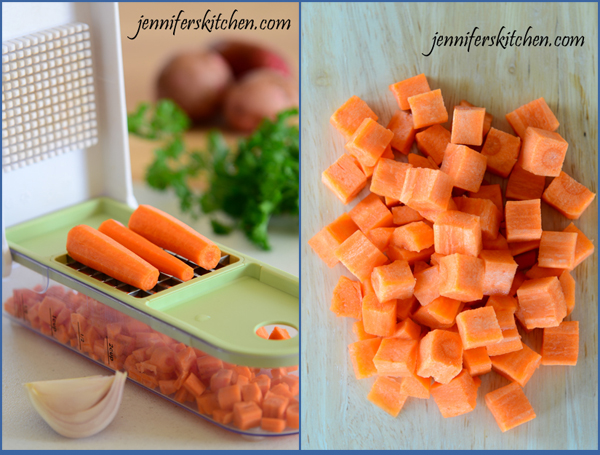
Credit: jenniferskitchen.com
Cleaning Up After Slicing Carrots
Carrots are colorful and can stain plastic parts. Cleaning up right after slicing helps keep your machine looking new. Here’s the best way to clean up:
- Unplug the processor.
- Remove the slicing disc first (be careful, it’s sharp).
- Take off the work bowl and lid.
- Rinse off carrot bits. Use warm water to remove most pieces before washing.
- Wash parts in the sink or dishwasher. Most bowls, lids, and discs are dishwasher safe. Check your manual.
- Scrub stains. If orange stains remain, make a paste of baking soda and water. Rub it on, wait 10 minutes, then rinse.
- Dry completely before reassembling or storing.
Practical tip: Do not soak the slicing disc for long periods, as it can dull the blade or cause rust on cheaper models.
Common Mistakes And How To Avoid Them
Even with the right tools, things can go wrong. Here are mistakes people often make when slicing carrots in a food processor:
- Overfilling the feed tube. This can jam the disc or create uneven slices.
- Using soft or limp carrots. Fresh, firm carrots slice best. Old carrots may turn to mush or jam the disc.
- Pushing too hard. Press gently with the food pusher. Forcing carrots can crack the disc or strain the motor.
- Wrong disc or assembly. Always use the slicing disc, not the shredding or grating disc.
- Not checking thickness. Test with one carrot first, especially if you’re new to your machine.
If your slices are uneven, try stacking the carrots more tightly in the feed tube, or cut them to fit perfectly.
Slicing Carrots For Special Diets And Dishes
Sliced carrots are used in many diets and cuisines. Here’s how to get the best results for popular dishes:
For Salads
Thin, even slices give the right crunch and look attractive. Use a thin slicing disc (1-2 mm). Add the slices raw to salads with lemon juice, herbs, and oil.
For Stir Fry
Medium slices (about 3 mm) cook quickly but stay crisp. Stack carrots side by side in the feed tube for longer slices. Add to your stir fry near the end so they don’t get too soft.
For Stews And Soups
Thicker slices (5-6 mm) hold up well during long cooking. Cut carrots to the length you like, then slice with the processor. This keeps the pieces from breaking down too fast.
For Roasting
Both medium and thick slices work well. Thinner slices roast quickly and get crisp edges; thicker slices are soft inside. Toss with oil, salt, and herbs before roasting.
Safety Tips For Using A Food Processor
Safety should always come first in the kitchen. Here’s how to stay safe when slicing carrots:
- Always use the food pusher. Never put your fingers in the feed tube.
- Unplug before assembling or cleaning. This avoids accidents if you bump the control dial.
- Handle the slicing disc carefully. The edge is sharp—hold it by the center.
- Do not overload the bowl. This can cause the machine to overheat or break.
- Check for cracks or damage. Replace any broken parts before using.
Bonus tip: If your machine starts to sound strained, stop immediately. Check for stuck pieces before continuing.
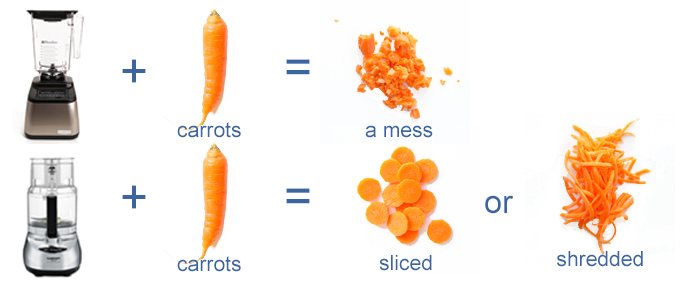
Credit: jenniferskitchen.com
Troubleshooting: When Things Go Wrong
Sometimes, even with good prep, you may have problems. Here’s how to fix them:
- Slices are uneven: Carrots may be too soft, or you’re pushing too hard. Try using fresher carrots and gentle, steady pressure.
- Carrots jam in the disc: The feed tube may be too full. Slice fewer at a time.
- Carrots turn to mush: The wrong disc is installed (e.g., shredding instead of slicing), or the carrots are too soft.
- Staining: Clean right away. If stains set, use baking soda as described earlier.
If your machine seems underpowered, consider using smaller batches or upgrading to a processor with a stronger motor.
How Food Processor Sliced Carrots Compare To Other Methods
You may wonder if slicing carrots in a food processor is really better than by hand or with a mandoline. Here’s how the methods stack up:
| Method | Speed | Uniformity | Safety | Effort |
|---|---|---|---|---|
| Food Processor | Very fast | High | High (with pusher) | Low |
| By Hand (Knife) | Slow | Depends on skill | Medium | High |
| Mandoline Slicer | Fast | Very high | Low (risk of cuts) | Medium |
The food processor is best for big jobs and when you want to avoid hand fatigue. Hand slicing gives you more control over shapes, but it’s slow. A mandoline is fast but can be dangerous without a safety guard.

Credit: zestforbaking.com
Creative Ideas: Beyond Basic Slices
Once you’re comfortable, try these ideas for sliced carrots:
- Carrot chips: Slice thinly, season, and bake for homemade chips.
- Pickled carrots: Use thin slices for quick pickles with vinegar, sugar, and spices.
- Carrot ribbons: Some processors have a julienne disc for thin strips. Use these in salads or as a garnish.
- Layered casseroles: Even slices create attractive layers in bakes and gratins.
How Many Carrots Can You Slice At Once?
Food processors can handle a surprising amount, but overfilling leads to poor results. For most home machines:
- Small processors (3-4 cups): Slice up to 2-3 medium carrots at a time.
- Medium processors (7-10 cups): 4-6 medium carrots at once.
- Large processors (12+ cups): Up to 10 carrots, cut to fit the feed tube.
For best results, slice in batches if you have a lot of carrots. This gives more even slices and prevents jamming.
Maintenance Tips To Keep Your Food Processor Slicing Perfectly
To keep your food processor working well for years, follow these tips:
- Clean after each use. Don’t leave carrot bits in the disc or bowl.
- Sharpen or replace discs as needed. A dull disc will squash instead of slice.
- Store parts safely. Don’t toss the slicing disc in a drawer where it can get bent or dull.
- Check seals and gaskets. Replace if you see cracks or leaks.
- Run the motor briefly every few weeks, even if you haven’t used it, to keep it from sticking.
If you need to replace a part, look up your model number on the company’s website. Keeping your machine in good shape makes slicing carrots (and everything else) easier.
Frequently Asked Questions
How Do I Get Perfectly Even Carrot Slices With My Food Processor?
Start with firm, fresh carrots and make sure they fit snugly in the feed tube. Use gentle, steady pressure on the food pusher. Don’t overload the tube. If your machine has adjustable thickness, test with one carrot first to find your preferred setting.
Can I Slice Baby Carrots In A Food Processor?
Yes, but results may vary. Because baby carrots are short and have rounded edges, they can sometimes roll or slice unevenly. For best results, stack several baby carrots together upright in the feed tube so they stay in place.
Is It Safe To Wash The Slicing Disc In The Dishwasher?
Most slicing discs are dishwasher safe, but always check your machine’s manual. Place the disc on the top rack. Be careful when handling or unloading; the edges are very sharp. Hand washing is gentler and keeps the blade sharp longer.
Why Do My Carrots Turn Mushy When Sliced?
Carrots turn mushy if they are old, soft, or overripe, or if you use the wrong disc. Always use the slicing disc, not the shredding disc. Use fresh, firm carrots for best results. If your machine is weak, slicing in small batches can help.
Where Can I Find Replacement Slicing Discs For My Food Processor?
Check your food processor’s brand website or call customer service. Many brands sell replacement parts and accessories online. For example, Cuisinart and KitchenAid have official parts stores. You can also find some discs on Williams Sonoma or specialty kitchen shops.
Slicing carrots with a food processor is one of the easiest ways to save time and get great results in the kitchen. With the right machine, preparation, and a few simple tips, you can have perfectly sliced carrots for any recipe.
Whether you’re making a salad, soup, or snack, your food processor will help you work faster and more safely. If you care for your machine and use it properly, you’ll enjoy years of quick, easy slicing—and maybe even start to look for more ways to use it every day.

Hello, This is Annie Walker, a 38-year-old blogger, founder, and editor of Cookware Guider from NY, USA. I am a cookware fanatic and passionate cooker. I love to cook with different types of cooking appliances (example: all types of cookware, rice cookers, slow cookers, etc) almost every day in my kitchen. I love to share my experience with my readers in my blog. Also, I enjoy helping people to solve their problems through my website. You can follow me on Twitter & Pinterest. To know details about my blog please check the about us page.