
Slicing potatoes might sound simple, but doing it right makes a big difference. Whether you want thin slices for chips, thick slices for gratin, or uniform pieces for roasting, the Ninja Food Processor is a powerful tool that can help. Many people use knives for slicing, but this can be slow and uneven. Using a food processor not only saves time, but it also gives you consistent results. If you’re new to the Ninja Food Processor or just want to improve your potato slicing, this guide will walk you through everything—step by step.
You’ll learn how to set up your machine, choose the right blade, prepare your potatoes, and slice them safely and efficiently. We’ll also cover common mistakes, practical tips, and show you how Ninja stacks up against other methods. By the end, you’ll feel confident every time you reach for your food processor.
Understanding Your Ninja Food Processor
Before you start slicing, it’s important to know what your Ninja Food Processor can do. Different models may have unique features, but most share common parts and functions.
Main Components
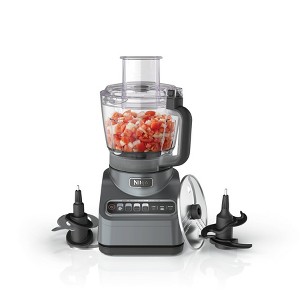
Most Ninja Food Processors include:
- Base motor unit: Powers the blades.
- Work bowl: Holds the food.
- Slicing disc: Used for slicing vegetables.
- Feed chute and pusher: Helps guide food safely into the processor.
Some models have extra blades or discs for different jobs. Always check the user manual for your specific model.
Slicing Disc Explained
The slicing disc is key for cutting potatoes into uniform slices. It sits at the top of the bowl and spins when the processor is on. The thickness of your slices depends on the disc used and sometimes on adjustable settings. Standard discs slice to about 1/8 inch (3 mm), but some models let you change thickness.
Safety Features
Ninja processors have safety locks and sensors. The machine won’t run unless the bowl and lid are securely in place. This helps prevent accidents.
Why Use A Food Processor For Slicing Potatoes?
Many people still use knives for slicing, but there are several reasons to use a food processor.
- Speed: Slicing potatoes with a processor takes seconds.
- Uniformity: Every slice is the same thickness, which means even cooking.
- Safety: Your hands stay away from sharp blades.
- Less fatigue: No need to stand and chop for long periods.
Knife Vs. Food Processor: Potato Slicing Results
Here’s a quick comparison between slicing potatoes with a knife versus a Ninja Food Processor:
| Method | Average Time (per 2 lb) | Slice Thickness Consistency | Safety Level | Effort Required |
|---|---|---|---|---|
| Knife | 10-15 min | Varies | Medium | High |
| Ninja Food Processor | 2-3 min | Uniform | High | Low |
As you can see, the food processor is faster and safer, with more consistent results.
Preparing Potatoes For Slicing
Proper preparation helps you get the best slices and keeps your processor working smoothly.
Choosing The Right Potato
Different potatoes work better for different recipes.
- Russet potatoes: Good for chips and fries, starchy and firm.
- Yukon Gold: Great for gratins, creamy and smooth.
- Red potatoes: Hold their shape, good for salads.
Washing And Peeling
Wash potatoes under running water to remove dirt. If you want skinless slices, peel with a vegetable peeler. For rustic dishes, you can leave the skin on.
Cutting To Fit
Sometimes potatoes are too big for the feed chute. Cut them into halves or quarters if needed, so they fit comfortably. This ensures smooth slicing and protects the motor.
Setting Up Your Ninja Food Processor
Correct setup is essential for safe and efficient slicing.
Assembling The Processor
- Place the work bowl on the base and lock it.
- Insert the slicing disc on the spindle inside the bowl.
- Attach the lid and make sure it clicks into place.
- Check that all safety locks are engaged.
Choosing The Slicing Disc
Select the disc that gives you your desired thickness. For most recipes, a standard disc is fine. If your model has adjustable discs, set the thickness as needed.
Power And Speed Settings
Most Ninja processors have simple controls: On, Off, and Pulse. For potatoes, use the regular On setting. Pulse can be useful for softer vegetables, but potatoes are firm enough for steady slicing.

Credit: www.amazon.com
Slicing Potatoes Step-by-step
Now it’s time to slice your potatoes. Follow these steps for perfect results.
1. Prepare Potatoes
- Wash, peel, and cut potatoes to fit the chute.
- Dry them with a towel to avoid slipping.
2. Load The Processor
- Place potatoes in the feed chute, standing upright for larger slices.
- Use the pusher to gently press them down.
3. Start Slicing
- Turn the processor on.
- Apply gentle, steady pressure with the pusher.
- Let the disc do the work—don’t force the potatoes.
4. Collect The Slices
- When finished, turn off the machine.
- Remove the lid and disc carefully.
- Gather the sliced potatoes from the bowl.
5. Clean Up
- Rinse the disc and bowl immediately to avoid starch buildup.
- Some parts are dishwasher safe—check the manual.
Practical Tips For Best Results
Even with a good processor, small changes make a big difference.
Keep Potatoes Firm
If potatoes are soft or old, they may mash instead of slice. Use fresh, firm potatoes for clean cuts.
Chill Before Slicing
Refrigerating potatoes for an hour before slicing can help keep them firm, leading to sharper slices.
Avoid Overloading
Don’t fill the chute with too many pieces at once. Slice in batches to prevent jamming and uneven cuts.
Dry Before Slicing
Moist potatoes can slip in the chute, causing uneven slices. Pat them dry with a towel.
Use The Right Pressure
Too much force can make the disc jam. Gentle, steady pressure works best.
Common Mistakes And How To Avoid Them
Beginners often make mistakes that affect the quality of their slices. Here’s how to avoid them.
Using Wrong Disc
Sometimes people use the shredding disc instead of the slicing disc. Always check the disc before starting.
Not Cutting Potatoes To Fit
If potatoes are too big, they can jam the chute or give uneven slices. Cut them as needed.
Forgetting To Engage Safety Locks
The processor won’t start if locks aren’t engaged. Always check before turning on.
Overfilling The Bowl
Too many slices in the bowl can block the disc. Slice in smaller batches if needed.
Not Cleaning Immediately
Starch dries quickly and can be hard to remove. Clean parts after each use.
Recipes That Benefit From Sliced Potatoes
Knowing how to slice potatoes opens up many recipes. Here are a few dishes where uniform slices matter.
- Potato gratin: Thin, even slices bake evenly and absorb sauce.
- Homemade chips: Uniform thickness means crispy chips.
- Scalloped potatoes: Even slices create perfect layers.
- Potato salad: Consistent slices hold up during mixing.
- Roasted potato stacks: Slices cook evenly.
Uniform slices improve both look and taste.
Ninja Food Processor Vs. Other Slicing Tools
Let’s see how Ninja compares to other common tools for slicing potatoes.
| Tool | Speed | Uniformity | Safety | Ease of Use | Cleaning |
|---|---|---|---|---|---|
| Knife | Low | Low | Medium | Medium | Easy |
| Mandoline | High | High | Low (risk of cuts) | Medium | Medium |
| Ninja Food Processor | Very High | Very High | Very High | High | Medium |
The Ninja Food Processor scores highest for speed, uniformity, and safety, making it ideal for most home cooks.
Cleaning And Maintenance
Proper cleaning keeps your processor working well and extends its life.
Cleaning Steps
- Unplug the processor after use.
- Remove the bowl, disc, and lid.
- Rinse parts under running water to remove starch.
- Use mild soap and a soft sponge. Avoid abrasive cleaners.
- Dry parts completely before storing.
Maintenance Tips
- Check for wear on the disc. Replace if dull.
- Store blades and discs safely to avoid damage.
- Inspect seals and locks regularly for cracks.
Cleaning right after use is easier than waiting. Dried potato starch can be tough to remove.
Troubleshooting: When Slicing Isn’t Perfect
Sometimes, things don’t go as planned. Here are common issues and fixes.
Slices Are Uneven
- Check if potatoes were cut to fit the chute.
- Make sure the disc is installed correctly.
Potatoes Mash Instead Of Slice
- Use firmer potatoes.
- Chill before slicing.
Processor Won’t Start
- Check safety locks and power connection.
Disc Gets Jammed
- Don’t overload.
- Slice in smaller batches.
Slices Stick Together
- Rinse slices in cold water after cutting to remove excess starch.
Advanced Slicing Tips
If you want to take your slicing to the next level, try these ideas.
Adjusting Thickness
Some Ninja models let you change slice thickness. Experiment to find what works for your recipe.
Alternate Shapes
Try slicing potatoes lengthwise for larger pieces, or crosswise for small rounds.
Two-step Slicing
For fries, slice potatoes into rounds, then stack and cut into strips.
Adding Flavor
Toss sliced potatoes with spices or herbs before cooking for extra taste.
Real-world Example: Slicing For Potato Gratin
Let’s walk through slicing potatoes for a classic potato gratin.
- Choose Yukon Gold potatoes for creamy texture.
- Wash and peel, then cut to fit the chute.
- Set the slicing disc to 1/8 inch thickness.
- Chill potatoes for 30 minutes for firmer slices.
- Load and slice using gentle pressure.
- Lay slices in a baking dish, layering with cheese and cream.
- Bake until golden and bubbling.
Uniform slices help the gratin cook evenly and look beautiful.
Nutrition And Sliced Potatoes
Slicing does not change the nutrition of potatoes, but it can affect cooking. Thin slices absorb more oil if fried, or more sauce in casseroles. Potato slices are a good source of:
- Vitamin C
- Potassium
- Fiber
One medium potato (about 5.3 oz) contains:
- 110 calories
- 26 grams of carbs
- 2 grams of protein
Cooking method matters more than slice thickness for health.
Credit: www.target.com
Saving Time For Busy Cooks
If you cook often, using a food processor for slicing potatoes can save hours over a week. For example, slicing potatoes for a family meal by hand might take 15 minutes daily. With a processor, it’s less than 3 minutes.
Over a month, that’s a saving of more than 3 hours.
Ninja Food Processor: A Smart Investment
Many people wonder if buying a food processor is worth it. If you cook often, especially for a family, it can make kitchen work easier and safer. It’s also useful for slicing other vegetables, shredding cheese, and making dough.
According to a survey by the National Kitchen & Bath Association, over 60% of American households now own a food processor, showing its popularity. If you’re thinking about buying, look for models with strong motors, easy cleaning, and good safety features.
For more information about food processors and their benefits, check out Consumer Reports.
Frequently Asked Questions
How Do I Choose The Right Slicing Disc For Potatoes?
Most Ninja Food Processors come with a standard slicing disc, which works for most potatoes. If your model has adjustable discs, choose the one that matches your recipe’s thickness. For chips, use a thin disc; for gratin, a medium disc is best.
Can I Slice Other Vegetables With The Ninja Food Processor?
Yes, you can slice carrots, cucumbers, onions, and more. The process is similar to slicing potatoes. Make sure the vegetables are firm and cut to fit the chute.
Is It Safe To Slice Potatoes With Kids Around?
The Ninja Food Processor has safety locks and shields, making it safer than knives. However, keep kids away from the machine while it’s running and always supervise.
What If My Potato Slices Are Sticking Together?
This is common with starchy potatoes. Rinse slices in cold water after processing to remove excess starch. Dry them before cooking for crispier results.
How Do I Clean The Slicing Disc Safely?
Remove the disc carefully after use. Rinse under water and use a soft brush. Never put fingers near the sharp edge. Some discs are dishwasher safe—check your manual.
Final Thoughts
Slicing potatoes in a Ninja Food Processor is easy, fast, and gives you perfect results every time. With the right setup, proper preparation, and a few practical tips, you can make uniform slices for any recipe. Compared to knives or mandolines, the Ninja is safer and more efficient. Whether you’re making chips, gratin, or salads, using your food processor saves time and gives professional-quality results.
Remember to clean your processor right away, use firm potatoes, and avoid overloading. With these steps, you’ll enjoy hassle-free slicing and better meals. If you ever run into problems, revisit this guide or check your user manual. Happy cooking!

Credit: www.youtube.com

Hello, This is Annie Walker, a 38-year-old blogger, founder, and editor of Cookware Guider from NY, USA. I am a cookware fanatic and passionate cooker. I love to cook with different types of cooking appliances (example: all types of cookware, rice cookers, slow cookers, etc) almost every day in my kitchen. I love to share my experience with my readers in my blog. Also, I enjoy helping people to solve their problems through my website. You can follow me on Twitter & Pinterest. To know details about my blog please check the about us page.