
Slicing potatoes thin can change the way your dishes look, taste, and cook. Whether you want perfectly crisp potato chips, even layers for a gratin, or quick-cooking slices for stir-fry, thin potato slices make a big difference. Many people struggle to slice potatoes evenly by hand. Uneven thickness leads to uneven cooking, with some pieces undercooked while others turn mushy. That’s where a food processor comes in. This kitchen tool can help you slice potatoes thinly, evenly, and quickly, saving time and effort.
This guide will help you master the process, from choosing the right potatoes and food processor attachments to cleaning up when you’re done. Along the way, you’ll find practical tips, common mistakes to avoid, and ways to get the best results every time.
You’ll also learn how to use your potato slices for different recipes and discover some insights that even experienced home cooks sometimes miss.
Why Use A Food Processor For Slicing Potatoes?
A food processor is not just for chopping or blending. With the right attachment, it can slice potatoes much faster and more evenly than using a knife. Consistent thickness means your potatoes cook at the same rate, which is especially important for dishes like scalloped potatoes or potato chips.
Hand-slicing can be tiring and slow, especially if you need to prepare a lot of potatoes. The food processor can handle large batches in minutes, reducing your prep time. This is especially helpful if you cook for a family or host gatherings.
Another advantage is safety. Slicing with a sharp knife or mandoline can lead to cuts if you’re not careful. A food processor keeps your fingers away from the blade when used properly.
Choosing The Right Food Processor
Not all food processors are the same. Some are better suited for slicing potatoes thin. Here’s what to look for:
Power And Capacity
A good food processor should have enough power to slice through raw potatoes, which are dense and tough. Models with at least 400 watts are usually strong enough. The bowl size matters too. If you often cook for many people, pick a processor with a bowl that holds 8 cups or more.
Slicing Attachments
Food processors come with different slicing discs. For thin potato slices, look for a slicing blade that can cut slices between 1/16-inch (about 1.5 mm) and 1/8-inch (about 3 mm) thick. Some machines let you adjust the thickness, while others come with fixed discs.
Ease Of Use And Cleaning
Choose a model with an easy-to-use feed tube and pusher. These features help you guide potatoes safely into the blade. Also, check if the parts are dishwasher-safe, which saves cleaning time.
Brand And Reliability
Popular brands like Cuisinart, KitchenAid, and Breville are known for their reliable food processors. Read reviews and look for models with good warranties.
Here’s a quick comparison of some popular models:
| Model | Power | Bowl Size | Slice Thickness Options | Dishwasher Safe |
|---|---|---|---|---|
| Cuisinart DFP-14BCNY | 720W | 14 cups | 1 disc (2 mm) | Yes |
| KitchenAid KFP1133CU | 360W | 11 cups | Adjustable (1–6 mm) | Yes |
| Breville BFP660SIL | 1000W | 12 cups | Adjustable (0.3–8 mm) | Yes |
Selecting And Preparing Potatoes
Not every potato is the same. The type you choose affects the taste, texture, and how easy they are to slice.
Best Types Of Potatoes
- Russet potatoes: Best for chips and fries because they are starchy and hold their shape.
- Yukon Gold: Slightly waxy, good for gratins and scalloped potatoes.
- Red potatoes: Waxy and moist, ideal for salads and casseroles.
Choose firm, smooth potatoes without green spots or sprouting eyes. Soft or wrinkled potatoes may be past their prime.
Washing And Peeling
Wash potatoes under cold water to remove dirt. Use a vegetable brush for extra cleaning. Peeling is optional. For recipes like chips or gratin, peeled potatoes look better. For rustic dishes, leave the skin on for extra fiber and flavor.
Trimming And Cutting
Cut off both ends of each potato to create flat surfaces. This makes it easier to stand them upright in the food processor feed tube and get even slices. For large potatoes, cut in half lengthwise so they fit into the tube.
Setting Up The Food Processor
Before you start, gather all the parts and read the food processor manual. Most mistakes happen when people rush or skip setup steps.
Attaching The Slicing Disc
Place the slicing disc (not the shredding or grating disc) onto the center post inside the food processor bowl. Make sure it locks in place. If your model has adjustable thickness, set it to your desired level. For potato chips, 1/16-inch is ideal; for gratins, 1/8-inch works well.
Assembling The Food Processor
Secure the bowl to the base. Attach the lid and the feed tube. Double-check that everything is locked before plugging in the machine. Many processors won’t run unless assembled correctly.
How To Slice Potatoes Thin With A Food Processor
Now you’re ready for the main event. Here’s how to slice potatoes thinly and safely.
Step 1: Prepare Your Potatoes
Pat the potatoes dry with a clean towel. Wet potatoes can slip, making slicing less safe and causing uneven cuts. Trim to fit the feed tube if needed.
Step 2: Load The Feed Tube
Stack the potatoes vertically (standing up) in the feed tube for long, oval slices (great for chips). For round slices, lay them flat. Use the food pusher—not your fingers—to gently press down.
Step 3: Start Slicing
Turn on the food processor. Use low to medium speed if your machine has settings. Push potatoes down gently and steadily. Forcing them can lead to uneven slices or damage the blade.
Step 4: Collect And Check Slices
When finished, turn off and unplug the machine. Open the lid and carefully remove the bowl. Transfer slices to a bowl and check for evenness. If some pieces look too thick or thin, adjust the disc and repeat with a test potato.
Step 5: Repeat As Needed
Continue slicing until all potatoes are done. For large batches, empty the processor bowl as needed to avoid jamming.
Tips For Getting Perfectly Thin Potato Slices
Getting thin slices is not just about the machine—it’s also about technique.
- Chill potatoes before slicing. Cold potatoes are firmer and slice more cleanly.
- Use steady, even pressure with the food pusher. Jerky movements lead to uneven slices.
- Slice similar-sized potatoes together for best results.
- Don’t overload the feed tube. Work in small batches for clean cuts.
- If your slices stick together, separate them gently by hand before cooking.
Common Mistakes And How To Avoid Them
Many people struggle with food processors at first. Here are some common errors and how to fix them:
- Wrong attachment: Always use the slicing disc, not the grating disc.
- Forcing potatoes: Pushing too hard can bend the disc or jam the machine.
- Not trimming potatoes: Odd shapes lead to uneven slices and jams.
- Ignoring safety: Never reach into the feed tube or bowl until the machine is unplugged.
- Overfilling the bowl: Crowding leads to jamming and uneven cuts.
A simple habit: Always check the first few slices. If they’re uneven, stop and adjust before continuing.
Cleaning Up After Slicing
Cleanup is easier if you do it right away. Potato starch dries quickly and can be hard to remove if left too long.
- Unplug the processor before cleaning.
- Remove the slicing disc carefully—blades are sharp.
- Rinse disc and bowl under warm water immediately.
- Wash with mild soap and a soft brush or sponge.
- Dry all parts well before storing.
- If parts are dishwasher-safe, place on the top rack.
A useful tip: If your disc has potato residue stuck, soak it for 10 minutes, then scrub gently. Never use metal scouring pads, which can scratch and dull the blade.
When And Why Thin Potato Slices Matter
Thin slices cook faster and more evenly. They create a better texture, whether you’re frying, baking, or layering them in a casserole. Here’s where thin potato slices really shine:
- Potato chips: Thin slices mean crispier chips.
- Scalloped potatoes/gratin: Even layers cook uniformly, giving a creamy texture.
- Hasselback potatoes: Thin cuts let flavors soak in.
- Potato galette: Paper-thin slices create a beautiful, crispy crust.
Cooking times are shorter with thin slices, so always check your dish earlier than recipes suggest.
Using Your Thin Potato Slices
Sliced potatoes are versatile and can be used in many dishes. Here are a few ideas:
- Baked chips: Toss with oil and salt, bake at 400°F (200°C) for 15–20 minutes.
- Scalloped potatoes: Layer with cream and cheese, bake at 375°F (190°C) for 50–60 minutes.
- Stir-fries: Add to hot oil and cook for 3–5 minutes.
- Gratin: Layer with herbs, garlic, and cream for a classic French side.
- Casseroles: Add to meat or vegetable layers for extra texture.
If you want to try something new, use your thin slices as a pizza base or layer in vegetable stacks.
Potato Slicing Thickness Guide
How thin is “thin”? Here’s a quick guide to help you choose the right setting on your food processor:
| Slice Thickness | Best For | Approximate Cooking Time |
|---|---|---|
| 1/16 inch (1.5 mm) | Potato chips, galette | 5–15 min (frying/baking) |
| 1/8 inch (3 mm) | Scalloped, gratin | 40–60 min (baking) |
| 1/4 inch (6 mm) | Roasting, stews | 30–40 min (roasting) |
For most food processors, the default slicing disc is 1/8 inch. Adjustable models let you fine-tune for ultra-thin slices.
Safety Tips When Slicing Potatoes
Food processors make slicing safer, but accidents can still happen. Follow these tips:
- Always use the food pusher. Never push with your hands.
- Unplug the machine before changing blades or cleaning.
- Keep blades and discs out of children’s reach.
- Slice potatoes in small batches to avoid jams.
- Place the processor on a stable surface to prevent tipping.
A non-obvious safety tip: Avoid slicing potatoes that are too small for the feed tube. They can slip and jam, increasing the risk of injury.
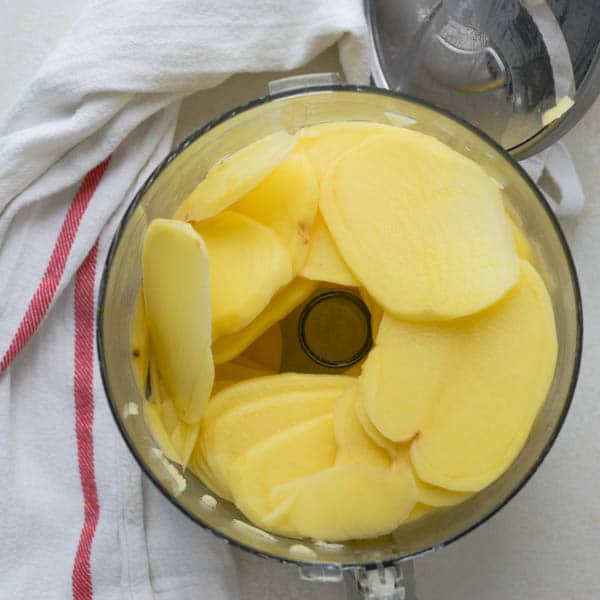
Credit: www.garlicandzest.com
Storing Sliced Potatoes
If you’re not cooking right away, store your potato slices properly to prevent browning.
- Submerge slices in cold water immediately after cutting. This reduces exposure to air and keeps them from turning brown.
- Add a splash of vinegar or lemon juice for extra protection.
- Store in the refrigerator for up to 24 hours. Change water if it gets cloudy.
- Drain and pat dry before cooking for best texture.
Don’t freeze raw potato slices—they become watery and mushy. For long-term storage, blanch slices briefly in boiling water, cool, and then freeze.
Non-obvious Insights For Better Slicing
Even experienced cooks can miss these tricks:
- Rotate large potatoes halfway through slicing for more even results. Some processors cut more on one side if the potato isn’t centered.
- Use a salad spinner to dry your slices after soaking. This removes excess water quickly and helps slices crisp up during cooking.
These small details can take your potato dishes from good to restaurant-quality.

Credit: www.youtube.com
Alternatives To Food Processor Slicing
If you don’t have a food processor, you still have options:
- Mandoline slicer: Provides thin, even slices but requires careful handling.
- Sharp chef’s knife: With practice, you can get thin slices, but it’s slower and less even.
- Vegetable peeler: For ultra-thin slices, though not suitable for large batches.
A food processor is the safest and fastest for most people, but these alternatives work in a pinch.
Troubleshooting Common Problems
If your potato slices aren’t coming out right, here’s how to fix it:
- Slices are too thick/thin: Adjust the blade setting or use a different disc.
- Potatoes break apart: Use firmer potatoes and chill them before slicing.
- Slices are stuck together: Rinse in cold water and separate by hand.
- Food processor jams: Reduce the batch size and trim potatoes more evenly.
If your slices have a rough edge, your blade may be dull. Sharpen or replace it for cleaner cuts.
Comparing Slicing Methods
Here’s a quick look at how food processors compare to other slicing tools:
| Method | Speed | Uniformity | Safety | Best For |
|---|---|---|---|---|
| Food Processor | Very Fast | High | High | Large batches |
| Mandoline | Fast | High | Medium | Small batches |
| Knife | Slow | Low | Medium | Any size |
The food processor is the best choice for most home cooks who want speed and safety.
Frequently Asked Questions
How Thin Should I Slice Potatoes For Chips And Gratins?
For potato chips, slices should be about 1/16 inch (1.5 mm) thick. This gives a crisp texture after frying or baking. For gratins or scalloped potatoes, aim for 1/8 inch (3 mm). These thicknesses cook evenly and give the best results.
Can I Slice Sweet Potatoes Or Other Vegetables In The Food Processor?
Yes, you can slice sweet potatoes, carrots, zucchini, and other firm vegetables using the same food processor technique. Adjust the thickness as needed for each vegetable. Harder vegetables may need a more powerful food processor.
Why Do My Potato Slices Turn Brown After Cutting?
Potatoes turn brown due to oxidation—exposure to air. To prevent this, submerge the slices in cold water right after slicing. Adding a little lemon juice or vinegar to the water helps slow browning.
Is It Necessary To Peel Potatoes Before Slicing?
Peeling is not required. Leaving the skin on adds texture and nutrients, especially in rustic dishes. For a smoother look in chips or gratin, peeling is best. It’s a matter of taste and recipe.
What Should I Do If My Food Processor Blade Gets Dull?
A dull blade leads to ragged, uneven slices. Some blades can be sharpened, but many are best replaced. Check your processor’s manual for recommendations. Always handle blades with care to avoid injury.
Slicing potatoes thin with a food processor saves time, reduces effort, and leads to beautiful, even results every time. With the right setup and a few simple tricks, you’ll get professional-looking slices for all your favorite dishes. If you’d like to learn more about how food processors work and their history, visit the Food Processor Wikipedia page for more details. Enjoy experimenting in your kitchen and discover just how easy it is to prepare perfect potato slices at home.
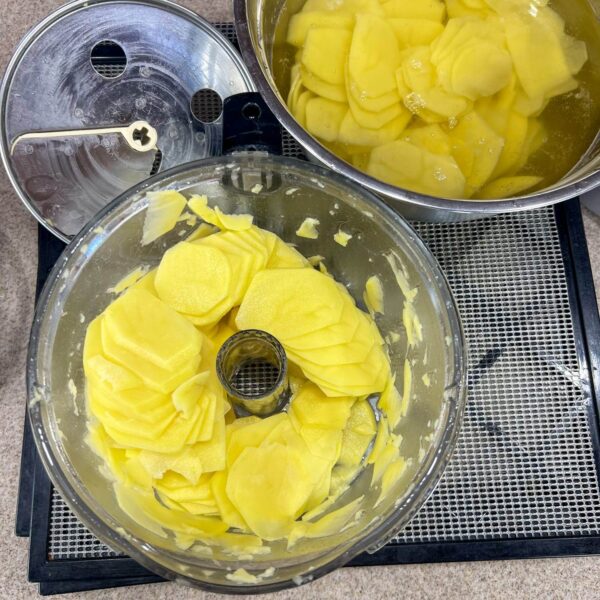
Credit: www.gettystewart.com

Hello, This is Annie Walker, a 38-year-old blogger, founder, and editor of Cookware Guider from NY, USA. I am a cookware fanatic and passionate cooker. I love to cook with different types of cooking appliances (example: all types of cookware, rice cookers, slow cookers, etc) almost every day in my kitchen. I love to share my experience with my readers in my blog. Also, I enjoy helping people to solve their problems through my website. You can follow me on Twitter & Pinterest. To know details about my blog please check the about us page.