
Every kitchen needs sharp knives. A dull blade makes cooking harder, slower, and even dangerous. If you own a knife block with a built-in sharpener, you have a useful tool right at your fingertips. Many people don’t realize how easy and effective these sharpeners can be, or how to use them correctly. Learning to use the sharpener inside your block can keep your knives ready for every meal, reduce accidents, and even extend the life of your blades.
This guide will show you how to use a knife sharpener in a block with confidence, step-by-step. You’ll also learn how these sharpeners work, what mistakes to avoid, and how to keep your block, sharpener, and knives in great condition.
Whether you’re new to cooking or just new to built-in sharpeners, you’ll find clear advice and practical tips throughout.
What Is A Knife Sharpener In A Block?
A knife block sharpener is a sharpening tool built into the block where you store your knives. Usually, it’s placed in one or more slots in the block. When you insert your knife and pull it out, the sharpener touches the blade and helps restore its edge.
Types Of Built-in Sharpeners
There are two main types:
1. Ceramic Or Carbide Sharpeners:
These are the most common. They use hard ceramic rods or carbide strips. When you slide the knife through, they gently grind the edge.
2. Manual Sharpening Wheels:
Some blocks have small wheels inside the slot. As you pull your knife, the wheels spin and sharpen the blade.
Most blocks use ceramic sharpeners because they are safer and less aggressive. Carbide is sharper but can remove more metal, which might wear your knife faster.
How Do They Compare To Other Sharpeners?
Built-in sharpeners are not as precise as professional sharpening stones or electric sharpeners, but they are much easier to use. They are perfect for regular maintenance, keeping your knives sharp between full sharpenings.
Here’s a quick comparison:
| Sharpener Type | Ease of Use | Sharpness Quality | Best for |
|---|---|---|---|
| Block Sharpener | Very easy | Good (not razor sharp) | Daily/weekly touch-ups |
| Electric Sharpener | Easy | Very sharp | Quick full sharpening |
| Sharpening Stone | Harder | Professional sharpness | Restoring dull blades |
Why Use A Knife Sharpener In A Block?
Many people only sharpen knives when they become dull. But using the sharpener in your block regularly has several benefits:
- Convenience: The sharpener is always available, so you can sharpen quickly before cooking.
- Safety: Sharp knives are safer. Dull blades slip and cause injuries.
- Longer Knife Life: Regular touch-ups prevent deep damage to the blade, so knives last longer.
- Better Cooking: A sharp knife gives cleaner cuts, making food preparation faster and easier.
For most home cooks, using the block sharpener once a week keeps knives ready for any task.
Understanding How Block Sharpeners Work
To get the best results, you need to know how your block sharpener works.
Ceramic Vs Carbide
- Ceramic Sharpeners:
These are gentle. They smooth and align the blade edge without removing much metal. Perfect for regular use.
- Carbide Sharpeners:
These are harder and sharper. They remove more metal and can fix duller blades, but can also wear your knife faster.
Most blocks use ceramic for daily maintenance, and some add a carbide slot for heavy sharpening.
Sharpening Angle
Block sharpeners are designed for a typical knife sharpening angle—usually between 15° and 20°. This angle is ideal for most kitchen knives. When you pull the knife through the slot, the sharpener holds the blade at the correct angle.
Slot Placement
Some blocks have sharpeners only for the main chef’s knife slot. Others place them in several slots so you can sharpen different knives. Always check which slots have a sharpener—don’t force knives into slots not meant for sharpening.
Step-by-step Guide: How To Use Knife Sharpener In Block
Using the sharpener in your block is simple, but a few details matter. Here’s a clear step-by-step guide:
1. Check Your Knife And Sharpener
- Make sure your knife is clean and dry. Dirt or moisture can damage the sharpener or blade.
- Check which slot in the block has the sharpener. Usually, it’s labeled or looks different.
2. Insert The Knife Correctly
- Hold the knife by the handle, pointing the blade down.
- Insert the blade into the sharpening slot. The blade should fit easily—never force it.
3. Pull The Knife Through
- Pull the knife slowly and smoothly through the slot.
- Use light, steady pressure. Don’t push too hard.
- Always pull the knife from heel to tip (from the handle to the point).
4. Repeat If Needed
- For regular maintenance, 2–3 pulls are enough.
- If the knife is dull, repeat up to 5–6 times, checking the edge between pulls.
5. Clean The Knife
- After sharpening, wipe the blade with a damp cloth to remove any metal dust.
- Dry the knife before using or storing.
6. Store The Knife Safely
- Place the knife back in the block, but avoid the sharpening slot until next time.
- Don’t use the sharpener every day; once a week is enough for most kitchen use.
Extra Tips
- If your block has both ceramic and carbide slots, use ceramic for regular sharpening and carbide only if the blade is very dull.
- Never sharpen serrated knives in a block slot—these blades need special tools.

Credit: blocksharpener.net
Practical Examples: Sharpening Different Knives
Not all knives are the same. Here’s how to sharpen various types using a block sharpener:
Chef’s Knife
- Insert into the main sharpening slot.
- Pull through 2–4 times.
- Chef’s knives are used often, so sharpen weekly.
Paring Knife
- Use the small knife slot if your block has one.
- Pull through gently 2–3 times.
- These knives need less frequent sharpening.
Utility Knife
- Use the appropriate slot.
- Pull through 2–3 times.
- Sharpen every two weeks.
Bread Knife
- Do not use block sharpeners for bread knives or serrated blades. The built-in sharpener is only for straight edges.
Cleaver
- Some blocks have wide slots for cleavers. Pull through carefully. Cleavers may need more passes (4–6) because they are thicker.
Key Mistakes To Avoid
Even though block sharpeners are simple, mistakes can damage your knives or sharpener.
1. Using The Wrong Slot:
Only use the sharpening slot. Forcing a knife into other slots can damage both blade and block.
2. Pushing Too Hard:
Too much pressure can bend the blade or wear it down quickly. Use gentle, steady force.
3. Sharpening Dirty Knives:
Dirt and food particles scratch the blade and dull the sharpener. Always clean knives first.
4. Sharpening Serrated Knives:
Block sharpeners are not designed for serrated edges. Using them can ruin the teeth.
5. Over-sharpening:
Daily sharpening is unnecessary. Once a week is enough for most home cooks.
6. Ignoring The Sharpener’s Condition:
Ceramic rods and carbide strips wear out over time. If you notice they are chipped or worn, replace the block or sharpener.
7. Using Wet Knives:
Moisture can cause metal dust to stick and create rust. Always dry knives before sharpening.
How Often Should You Use The Block Sharpener?
Frequency depends on how much you cook.
- For daily cooks: Sharpen once a week.
- For occasional cooks: Sharpen once every two weeks.
- For professional use: You may need more frequent touch-ups, but also use professional sharpening tools.
Over-sharpening wears out blades faster. Regular touch-ups keep knives sharp without removing too much metal.
Caring For Your Knife Block And Sharpener
The block and sharpener need some care to last.
Cleaning The Block
- Remove all knives.
- Wipe the block with a damp cloth; avoid soaking it.
- Clean the sharpening slots with a dry brush to remove metal dust.
Maintaining The Sharpener
- Inspect the ceramic or carbide strips for wear.
- If the sharpener is removable, clean it with a soft brush.
- Replace the sharpener if it looks damaged or worn.
Keeping Knives In Good Condition
- Always wash and dry knives before storing.
- Avoid leaving knives in water or dishwasher; this can damage the blade.
- Store knives in the block, not loose in drawers.
Comparing Knife Blocks With Built-in Sharpeners
If you’re shopping for a new knife block, you might wonder what features matter. Here’s a comparison of common options:
| Block Type | Built-in Sharpener | Material | Price Range | Best For |
|---|---|---|---|---|
| Standard Wood Block | No | Wood | $25–$60 | Simple storage |
| Block with Ceramic Sharpener | Yes | Wood/Plastic | $35–$120 | Easy sharpening |
| Block with Carbide Sharpener | Yes | Wood/Plastic | $40–$150 | Quick sharpening |
| Magnetic Block | No | Wood/Metal | $45–$100 | Showcasing knives |
What Matters When Choosing
- Sharpener type: Ceramic is best for frequent use, carbide for restoring dull blades.
- Material: Wood blocks last longer and look better, but plastic blocks are cheaper and lighter.
- Slot size: Make sure your knives fit the slots. Some blocks don’t fit wide blades or cleavers.
- Replaceable sharpener: Some blocks let you replace the sharpener, which extends the block’s life.
The Science Behind Knife Sharpening
When you sharpen a knife, you remove tiny bits of metal from the edge. This creates a fine, sharp point that cuts easily. Over time, the edge bends and dulls from use.
Why Ceramic Works
Ceramic is harder than steel. When you pull your knife through, it gently scrapes the blade and aligns the edge. It doesn’t remove much metal, which means your knife keeps its shape longer.
Why Carbide Is Different
Carbide is even harder and sharper. It grinds away more metal, fixing very dull blades. But with frequent use, it can wear out knives faster.
Statistics
According to a study by America’s Test Kitchen, regular sharpening with a ceramic slot improved knife performance by up to 30% compared to dull knives. Over-sharpening with carbide can reduce knife life by 15% if used daily.

Credit: www.amazon.com
Real-world Example: Keeping Kitchen Knives Sharp
Let’s look at a practical scenario:
Maria cooks every day. She uses her chef’s knife for chopping vegetables, slicing meat, and even mincing herbs. After a week, her knife feels dull. Instead of buying a new one or sending it for professional sharpening, she uses the sharpener in her block.
She inserts her clean knife into the sharpening slot, pulls it through three times with light pressure, wipes the blade, and tests the sharpness on a tomato. The knife slices cleanly, and Maria saves time and money.
This simple routine keeps Maria’s knives sharp, reduces accidents, and makes cooking more enjoyable.
Non-obvious Insights
Many beginners miss a few key points:
- Block sharpeners are for maintenance, not full restoration. If your knife is chipped or extremely dull, you need a professional sharpener or stone. The block sharpener keeps knives sharp in between.
- Built-in sharpeners can wear out. Over time, ceramic rods or carbide strips lose their effectiveness. If sharpening feels less effective, check the sharpener for wear.
- Sharpening angle matters. Most built-in sharpeners are set for standard kitchen knives. Specialty knives (Japanese, fillet) may need a different angle. For those, use a separate tool.
Safe Sharpening Practices
Safety is always important when handling sharp tools:
- Keep fingers clear of the blade while pulling through the sharpener.
- Never force knives into slots. If the knife doesn’t fit, use another sharpening method.
- Always clean and dry knives after sharpening to avoid rust.
Sharpening Myths
Some myths make people afraid to use built-in sharpeners:
- “It ruins your knife.”
False. If used correctly, built-in sharpeners maintain the edge without damage.
- “You must sharpen every day.”
False. Once a week is enough for most cooks.
- “Only professionals should sharpen knives.”
False. Home cooks can safely use block sharpeners with simple steps.
Comparing Maintenance Methods
Here’s how block sharpeners stack up against other common maintenance tools:
| Method | Ease | Cost | Effectiveness | Frequency |
|---|---|---|---|---|
| Block Sharpener | Very easy | Low | Good | Weekly |
| Sharpening Steel | Moderate | Low | Realigns edge | Daily/weekly |
| Electric Sharpener | Easy | Medium | Very sharp | Monthly |
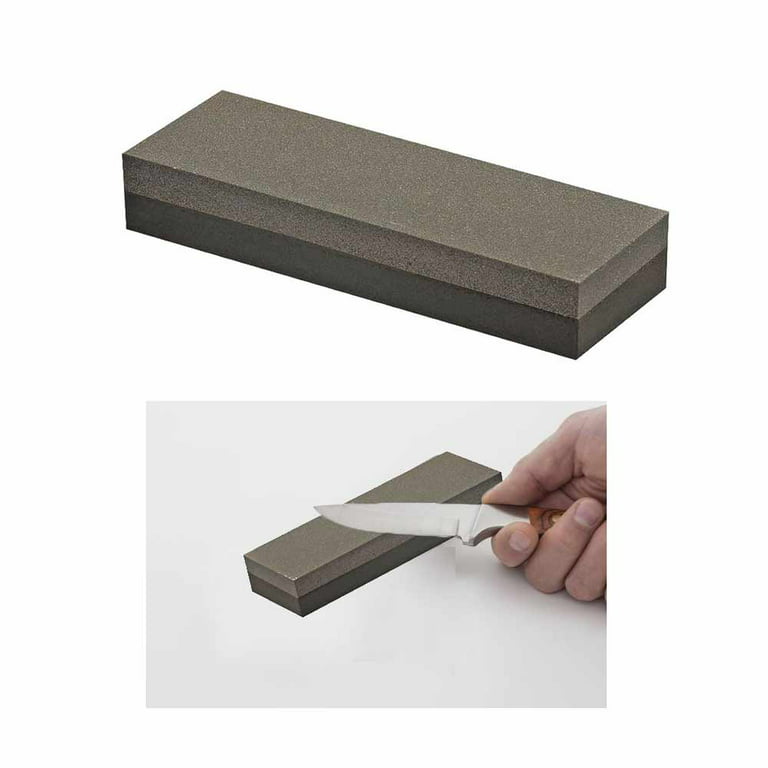
| Sharpening Stone | Difficult | Low | Razor sharp | Quarterly |
How To Test Knife Sharpness
After sharpening, you want to check if your knife is truly sharp. Here are safe and easy ways:
- Paper Test: Hold a sheet of paper and slice through it. A sharp knife will cut easily.
- Tomato Test: Try slicing a tomato. If the blade cuts cleanly without crushing, it’s sharp.
- Onion Test: Slice through an onion. A dull knife will slip or crush; a sharp knife slices cleanly.
If your knife fails these tests after sharpening, it may need more passes or a professional sharpening.
Credit: www.walmart.com
When To Replace Your Knife Block Sharpener
Built-in sharpeners last for years, but not forever.
- Ceramic rods: Replace if chipped or worn smooth.
- Carbide strips: Replace if grooved or uneven.
If your block allows replacing the sharpener, buy a new one every 2–5 years depending on use. If not, consider replacing the block.
Environmental Impact
Knife blocks with built-in sharpeners are eco-friendly compared to electric sharpeners. They don’t use power and last longer. By keeping knives sharp, you avoid frequent replacements, which reduces waste.
Buying Tips For Knife Blocks With Sharpeners
Before buying, consider:
- Slot variety: Make sure it fits your main knives.
- Sharpener quality: Ceramic is best for regular use; carbide for restoring.
- Replaceable sharpener: Extends block life.
- Material: Wood is durable and attractive; plastic is lighter but less durable.
- Brand reputation: Choose brands with good reviews and warranties.
For more information on knife block types and maintenance, visit Wikipedia.
Frequently Asked Questions
How Do I Know Which Slot Has The Sharpener?
Most blocks label the sharpening slot with a symbol or color. If not, look for a slot with ceramic rods or a rough surface inside. Never force knives into slots that don’t fit; only use the designated sharpening slot.
Can I Sharpen All Types Of Knives In My Block?
No. Only straight-edged knives should be sharpened in the block. Avoid serrated knives, bread knives, and specialty blades. These require special sharpening tools to avoid damage.
How Often Should I Use The Built-in Sharpener?
For regular kitchen use, once a week is ideal. If you cook less often, once every two weeks is enough. Over-sharpening can wear out the blade faster, so avoid daily use.
What If My Knife Feels Dull After Sharpening?
If your knife is still dull after several passes, it may need professional sharpening or a sharpening stone. Block sharpeners are for maintenance, not restoring very dull or damaged blades.
How Do I Clean And Maintain The Sharpener In My Block?
Remove knives, clean the block with a damp cloth, and use a dry brush to remove metal dust from the sharpening slot. Inspect ceramic or carbide strips for wear, and replace if damaged.
Final Thoughts
Learning how to use the knife sharpener in your block is one of the most useful kitchen skills. It keeps your blades sharp, cooking safe, and meal prep fast. With regular maintenance and a little care, your knives and block will last for years.
Remember—use the sharpener weekly, avoid common mistakes, and check your knives often. A sharp knife is the heart of a happy kitchen.

Hello, This is Annie Walker, a 38-year-old blogger, founder, and editor of Cookware Guider from NY, USA. I am a cookware fanatic and passionate cooker. I love to cook with different types of cooking appliances (example: all types of cookware, rice cookers, slow cookers, etc) almost every day in my kitchen. I love to share my experience with my readers in my blog. Also, I enjoy helping people to solve their problems through my website. You can follow me on Twitter & Pinterest. To know details about my blog please check the about us page.