
If you own copper cookware, you know how beautiful it looks when it shines. But keeping that shine can be tricky.
Over time, copper can dull, stain, or even develop spots that make your pots and pans look old and worn. You might be wondering how to clean copper cookware without damaging it or spending hours scrubbing. This guide will show you simple, effective ways to bring back that bright, gleaming finish.
By the end, you’ll have the tips you need to keep your copper looking like new—and ready for your next cooking adventure. Keep reading to discover easy cleaning tricks you can start using today!
Benefits Of Copper Cookware
Copper cookware stands out in the kitchen for many reasons. Its unique features make cooking easier and more enjoyable. Understanding these benefits helps you appreciate why copper pots and pans remain popular.
Copper heats up quickly and evenly. This quality gives you better control over cooking temperatures. It prevents hot spots that can burn food.
Besides heat, copper cookware looks beautiful. Its shiny, warm color adds charm to any kitchen. Many chefs and home cooks choose copper for its style and function.
Excellent Heat Conductivity
Copper is one of the best heat conductors. It spreads heat across the surface fast and evenly. This means food cooks uniformly without burning in spots. It saves energy and time.
Precise Temperature Control
Copper responds quickly to temperature changes. You can lower or raise heat instantly. This helps cook delicate dishes perfectly. Sauces and chocolates benefit from this control.
Durability And Longevity
With proper care, copper cookware lasts for many years. It resists warping and damage better than some metals. Regular cleaning keeps it looking new and performing well.
Natural Antimicrobial Properties
Copper has natural properties that reduce bacteria growth. This makes it a safer choice for food preparation. It helps maintain a cleaner cooking surface.
Attractive Appearance
Copper cookware adds a classic look to kitchens. Its bright, shiny surface looks elegant and warm. Many enjoy displaying copper pots as part of kitchen decor.
:max_bytes(150000):strip_icc()/how-to-clean-copper-1313550-08-74382e99487e462d9f14f6e4dc8de8d1.jpg)
Credit: www.thespruce.com
Common Tarnish Issues
Copper cookware is popular for its excellent heat conduction and beautiful shine. Over time, copper can develop tarnish. Tarnish dulls the bright surface and can make your pots and pans look old.
Tarnish happens because copper reacts with air, moisture, and food acids. It often appears as dark spots, greenish layers, or uneven coloring. Understanding common tarnish types helps keep your cookware bright and clean.
Oxidation Tarnish
Oxidation is the most common tarnish on copper. It happens when copper reacts with oxygen in the air. This creates a dark, dull layer on the surface. Oxidation makes the copper lose its shine and look aged.
Green Patina Formation
Green patina forms when copper reacts with moisture and acids. It looks like green or blue-green spots on the cookware. This patina is sometimes called verdigris. It can be harmful if ingested and should be cleaned off.
Heat Stains
Heat stains appear from cooking at high temperatures. These stains show as discoloration or rainbow-like marks. Heat stains affect the copper’s color but do not damage the metal. Regular cleaning helps reduce these marks.
Food Acid Tarnish
Acidic foods like lemon, tomatoes, or vinegar cause tarnish. They react with copper, leaving dark or black spots. These spots can be tough to remove if left for a long time. Cleaning soon after use helps prevent acid tarnish.
Daily Cleaning Techniques
Daily cleaning of copper cookware keeps it bright and extends its life. Simple steps prevent stains and dullness. Regular care saves time on deep cleaning later. Use gentle methods to avoid damage and maintain shine.
Mild Soap And Water
Use warm water with a few drops of mild soap. Avoid harsh detergents that harm copper’s surface. Gently wash the cookware with a soft sponge. Rinse well to remove all soap traces. Dry immediately to prevent water spots.
Soft Cloth Usage
After washing, wipe the copper with a soft cloth. Soft cloths prevent scratches and keep the shine. Use a dry cloth to absorb moisture completely. For extra shine, buff the surface gently. Avoid abrasive materials that can damage copper.
Removing Stubborn Stains
Stubborn stains on copper cookware can spoil its shine and beauty. These marks often come from heat or food residue. Cleaning them requires gentle but effective methods. Using natural ingredients can restore the copper’s glow without damage. Two popular ways to remove tough stains are the lemon and salt method and the vinegar and baking soda paste.
Lemon And Salt Method
Cut a lemon in half and sprinkle salt on the cut side. Rub the salted lemon over the stained areas. The salt scrubs away dirt while the lemon juice breaks down stains. Keep rubbing until the spots fade. Rinse with warm water and dry with a soft cloth. This method cleans without harsh chemicals and brightens copper naturally.
Vinegar And Baking Soda Paste
Mix equal parts vinegar and baking soda to form a thick paste. Apply the paste to stubborn stains on the cookware. Let it sit for a few minutes to lift the grime. Use a soft cloth or sponge to scrub gently. Rinse thoroughly with water and dry completely. This paste cleans deeply and helps restore the copper’s shine.
Polishing For Shine
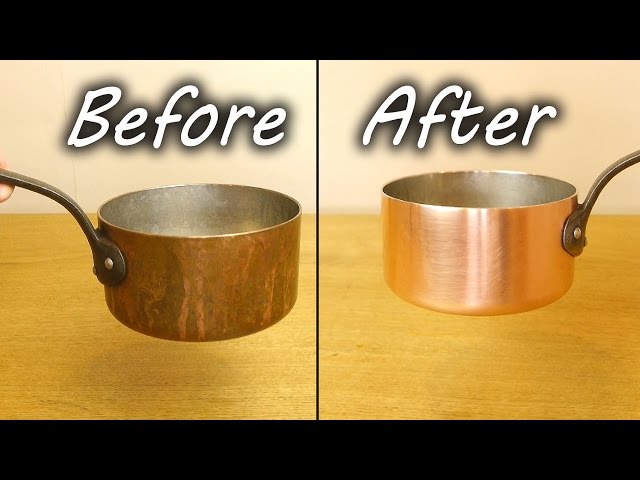
Polishing copper cookware brings back its bright, shiny look. Over time, copper can dull and lose its glow. Polishing removes tarnish and stains, making your pots and pans look new again. Regular polishing keeps copper cookware beautiful and protects it from damage.
Commercial Copper Polish
Commercial copper polishes work fast and are easy to use. They come in creams, pastes, or liquids. Apply a small amount on a soft cloth. Rub gently on the copper surface in circles. Rinse with warm water and dry with a clean cloth. These polishes remove tough stains and bring out the shine quickly.
Homemade Polish Recipes
Homemade polishes use simple kitchen ingredients. Mix equal parts of lemon juice and baking soda to make a paste. Rub this paste on copper with a soft cloth. Let it sit for a few minutes. Rinse well with warm water and dry. Another recipe uses vinegar and salt. Dip a cloth in the mixture and polish the copper. These natural methods clean copper gently and safely.
Credit: www.youtube.com
Preventing Tarnish
Copper cookware looks beautiful and adds charm to any kitchen. It can lose its shine and become dull over time. Tarnish happens when copper reacts with air and moisture. Preventing tarnish keeps your cookware bright and extends its life. Simple habits can protect your copper from dark spots and stains.
Proper Storage Tips
Store copper cookware in a dry place. Avoid damp areas like under the sink. Moisture speeds up tarnish and causes spots. Use soft cloth or paper towels to wrap each piece. Do not stack copper pots directly on each other. Hang them with hooks to keep air flowing. Keep them away from strong-smelling foods to avoid odors.
Regular Maintenance Routine
Clean copper cookware after each use. Use warm water and mild soap for washing. Dry immediately with a soft cloth to stop water marks. Polish copper every few weeks with a gentle cleaner. Lemon juice and salt can remove light tarnish naturally. Avoid abrasive scrubbers that scratch the surface. Regular care keeps copper looking new and shiny.
Avoiding Damage
Cleaning copper cookware needs care to keep it shiny and long-lasting. Copper can scratch or tarnish easily. Knowing what to avoid helps protect your pots and pans. Handle them gently and clean correctly to keep their beauty.
What Not To Use
Do not use steel wool or abrasive scrubbers. They can scratch the copper surface. Avoid harsh chemical cleaners with ammonia or bleach. These damage the copper’s finish. Stay away from dishwasher cleaning. The heat and chemicals harm copper cookware.
Handling And Care
Always wash copper cookware by hand with mild soap. Use a soft sponge or cloth for cleaning. Dry the cookware immediately after washing to prevent water spots. Store pots and pans carefully to avoid dents. Avoid stacking heavy items on top of copper cookware.
:max_bytes(150000):strip_icc()/how-to-clean-copper-1313550-hero-39af41a5fdc34403a02b4bdeda2ce9de.jpg)
Credit: www.thespruce.com
Frequently Asked Questions
How Do You Clean Tarnished Copper Cookware?
To clean tarnished copper cookware, use a mixture of lemon juice and salt. Rub gently with a soft cloth, then rinse and dry. This method effectively removes tarnish while preserving the copper’s shine and integrity.
Can Vinegar Clean Copper Cookware Safely?
Yes, vinegar safely cleans copper cookware. Mix equal parts vinegar and water, apply with a cloth, and rub gently. Rinse thoroughly afterward to prevent vinegar residue, which can cause damage if left on the surface too long.
What Household Items Clean Copper Cookware Best?
Common household items like lemon, salt, and baking soda clean copper cookware effectively. These natural cleaners remove stains and restore shine without harsh chemicals, keeping your cookware safe and looking new.
How Often Should I Clean Copper Cookware?
Clean copper cookware after every use to prevent buildup and discoloration. Regular cleaning maintains its appearance and performance, extending the life of your cookware.
Conclusion
Cleaning copper cookware keeps it shiny and lasts longer. Use gentle methods to avoid damage. Regular cleaning removes stains and keeps the copper bright. Avoid harsh chemicals and rough scrubbing. Simple ingredients like lemon and salt work well. Dry your cookware after washing to prevent spots.
Caring for copper is easy with these tips. Enjoy cooking with beautiful, well-maintained copper pots and pans every day.

Hello, This is Annie Walker, a 38-year-old blogger, founder, and editor of Cookware Guider from NY, USA. I am a cookware fanatic and passionate cooker. I love to cook with different types of cooking appliances (example: all types of cookware, rice cookers, slow cookers, etc) almost every day in my kitchen. I love to share my experience with my readers in my blog. Also, I enjoy helping people to solve their problems through my website. You can follow me on Twitter & Pinterest. To know details about my blog please check the about us page.