
Choosing the best cookware can completely change how you cook and enjoy your meals. You want pots and pans that heat evenly, last long, and make cleaning easy.
But with so many options out there, how do you know which one is right for you? This guide will help you cut through the confusion and find cookware that fits your cooking style, budget, and kitchen needs. Keep reading, and you’ll discover the secrets to making your time in the kitchen more fun and less stressful.
Types Of Cookware
Choosing the best cookware means understanding the different types available. Each type suits various cooking styles and needs. Knowing their features helps pick the right one for your kitchen. Here are the main types of cookware.
Stainless Steel
Stainless steel cookware is popular for its durability and sleek look. It does not react with food, so it keeps flavors pure. This makes it ideal for cooking acidic dishes like tomato sauce.
Key benefits include:
- Long-lasting and resistant to rust
- Safe for oven and dishwasher use
- Can handle high heat without damage
- Easy to clean with proper care
Stainless steel pans often have an aluminum or copper core. This helps with even heat distribution. Without this core, stainless steel alone can cause hot spots and uneven cooking.
| Feature | Details |
|---|---|
| Material | Steel alloy with chromium and nickel |
| Heat Conductivity | Moderate, improved with aluminum or copper core |
| Maintenance | Hand wash recommended, avoid harsh cleaners |
| Best for | Searing, browning, sautéing |
Stainless steel cookware fits well in most kitchens. It suits both beginners and advanced cooks.
Cast Iron
Cast iron cookware is known for excellent heat retention. It heats slowly but keeps heat steady. This makes it perfect for frying, baking, and slow cooking.
Benefits of cast iron include:
- Very durable, can last for decades
- Develops a natural nonstick surface with seasoning
- Works on all heat sources, including open flames
- Adds small amounts of iron to food
Cast iron requires care to avoid rust. Seasoning means coating with oil and heating it. This creates a protective layer and improves cooking performance.
| Feature | Details |
|---|---|
| Material | Heavy cast iron |
| Heat Conductivity | Slow to heat, excellent heat retention |
| Maintenance | Season regularly, avoid soap |
| Best for | Frying, baking, searing |
Cast iron is heavy and needs some skill to maintain. It is ideal for cooks who want a versatile and long-lasting pan.
Nonstick
Nonstick cookware features a coating that prevents food from sticking. It simplifies cooking delicate items like eggs and pancakes.
Advantages include:
- Easy food release and cleaning
- Requires less oil or butter
- Lightweight and easy to handle
- Good for low to medium heat cooking
Nonstick pans should not be overheated. High heat can damage the coating. Use wooden or silicone utensils to avoid scratching.
| Feature | Details |
|---|---|
| Material | Aluminum or stainless steel base with nonstick coating |
| Heat Conductivity | Heats quickly but best on low to medium heat |
| Maintenance | Hand wash recommended, avoid metal tools |
| Best for | Eggs, pancakes, delicate foods |
Nonstick cookware is perfect for easy cooking and cleanup. It suits everyday meal preparation.
Copper
Copper cookware is prized for superior heat conduction. It heats evenly and responds quickly to temperature changes.
Benefits of copper include:
- Precise temperature control
- Elegant appearance in the kitchen
- Durable with proper care
- Often lined with stainless steel or tin to prevent reaction with food
Copper requires polishing to maintain shine. It is more expensive than other types. Proper cleaning stops tarnishing and keeps it looking new.
| Feature | Details |
|---|---|
| Material | Pure copper with lining |
| Heat Conductivity | Excellent, fastest among cookware |
| Maintenance | Polish regularly, hand wash only |
| Best for | Sauces, delicate cooking, precise heat work |
Copper pans suit cooks who want control and style. They need careful handling but offer great cooking results.
Ceramic
Ceramic cookware has a smooth, nonstick surface made from natural materials. It is free of harmful chemicals.
Key features include:
- Nonstick without synthetic coatings
- Good heat distribution
- Easy to clean and maintain
- Safe for oven use
Ceramic pans can chip if dropped. They work best on low to medium heat. Avoid sudden temperature changes to prevent cracking.
| Feature | Details |
|---|---|
| Material | Metal base with ceramic coating |
| Heat Conductivity | Good, but avoid high heat |
| Maintenance | Hand wash recommended, avoid abrasive scrubbers |
| Best for | Low-fat cooking, gentle frying, baking |
Ceramic cookware fits health-conscious kitchens. It offers a natural, easy-to-use surface for many recipes.
Credit: www.goodhousekeeping.com
Materials And Their Benefits
Choosing the best cookware depends a lot on the material it is made from. Different materials offer unique benefits that affect cooking performance, durability, and safety. Understanding these materials helps you pick cookware that suits your kitchen needs and style. This section explains the key benefits of common cookware materials, focusing on heat conductivity, durability, maintenance, and safety.
Heat Conductivity
Heat conductivity is how well a material spreads heat across its surface. Good heat conductivity ensures even cooking and prevents hot spots that burn food. Some materials conduct heat better than others, making them ideal for certain cooking tasks.
- Copper: Copper is one of the best heat conductors. It heats up quickly and spreads heat evenly. This helps with precise temperature control.
- Aluminum: Aluminum also conducts heat well. It is lightweight and heats up fast, making it popular in many cookware types.
- Stainless Steel: Stainless steel has poor heat conductivity by itself. That is why many stainless steel pans have a layer of copper or aluminum inside to improve heat distribution.
- Cast Iron: Cast iron heats slowly but holds heat for a long time. It provides steady heat, perfect for slow cooking and frying.
| Material | Heat Conductivity | Cooking Benefit |
|---|---|---|
| Copper | Excellent | Fast, even heating for precise cooking |
| Aluminum | Good | Quick heating, lightweight |
| Stainless Steel | Poor (improved with core layers) | Durable with even heat if layered |
| Cast Iron | Slow but retains heat | Steady, long-lasting heat for frying |
Durability
Durability means how well cookware holds up over time with regular use. Some materials resist scratching, warping, and corrosion better than others. Durable cookware saves money because it lasts longer.
- Cast Iron: Extremely durable. It can last for decades if cared for properly. It may rust if not dried well.
- Stainless Steel: Very durable and resists rust and corrosion. It does not chip or warp easily.
- Aluminum: Softer and can dent or scratch. Hard-anodized aluminum is more durable and scratch-resistant.
- Copper: Prone to denting and requires polishing to maintain shine. It can tarnish but is still durable with care.
Here is a quick durability ranking:
- Cast Iron – Very High
- Stainless Steel – High
- Hard-Anodized Aluminum – Medium
- Regular Aluminum – Low to Medium
- Copper – Medium (needs care)
Maintenance
Maintenance involves how easy it is to clean and care for cookware. Some materials need special cleaning methods to keep their look and function.
- Cast Iron: Requires seasoning to keep a non-stick surface. Clean without soap and dry immediately to avoid rust.
- Stainless Steel: Easy to clean and dishwasher safe. Can develop stains but scrubs off with special cleaners.
- Aluminum: Regular aluminum may discolor and is not dishwasher safe. Hard-anodized aluminum is easier to clean.
- Copper: Needs polishing to keep its shine. Use gentle cleaners to avoid scratching the surface.
Simple maintenance tips:
- Always dry cookware after washing.
- Use non-abrasive scrubbers for delicate surfaces.
- Follow manufacturer cleaning instructions for best results.
Safety
Cookware safety depends on material toxicity and how it reacts to heat. Some materials release harmful substances if overheated or damaged.
- Stainless Steel: Very safe and non-reactive. Does not leach chemicals into food.
- Cast Iron: Safe but can release small amounts of iron, which benefits many people.
- Aluminum: Can react with acidic foods and leach aluminum. Anodized aluminum is safer as it has a sealed surface.
- Copper: Can release copper into food if not lined with another metal. Copper cookware usually has a stainless steel or tin lining for safety.
Safety checklist for cookware:
- Choose non-reactive materials for acidic dishes.
- Check for quality linings on copper and aluminum pans.
- Avoid scratched or damaged non-stick coatings.
Cookware For Different Cooking Styles
Choosing the right cookware depends on how you cook. Different cooking styles need specific pots and pans to give the best results. Cookware affects the taste, texture, and cooking time of food. Knowing which type works for searing, slow cooking, baking, or boiling helps you cook better meals. This guide explains the best cookware for various cooking methods to make your kitchen more efficient and your food tastier.
Searing And Frying
Searing and frying need cookware that heats quickly and keeps a steady high temperature. Cast iron skillets and stainless steel pans are top choices. They create a good crust on meat and vegetables, locking in juices and flavor.
- Cast iron skillets hold heat well and are perfect for searing steaks and frying bacon.
- Stainless steel pans heat evenly and handle high temperatures without warping.
- Non-stick pans are good for frying eggs or delicate fish that may stick.
Here is a quick comparison:
| Cookware Type | Heat Retention | Best For | Care |
|---|---|---|---|
| Cast Iron | Excellent | Searing meats, frying | Season and dry thoroughly |
| Stainless Steel | Good | Searing, frying, sautéing | Dishwasher safe, avoid high heat |
| Non-stick | Moderate | Frying delicate foods | Use soft utensils, hand wash |
Tip: Preheat the pan well before adding food. This prevents sticking and improves browning.
Slow Cooking
Slow cooking requires cookware that maintains low, steady heat for hours. Slow cookers and heavy Dutch ovens work best. They break down tough fibers in meat and blend flavors deeply.
- Slow cookers are electric and easy to use. Just set the time and temperature.
- Dutch ovens are heavy pots with lids. Made from cast iron or ceramic-coated metal.
Slow cooking benefits:
- Food stays moist and tender.
- Flavors develop fully over time.
- Hands-off cooking frees your time.
Material guide for slow cooking:
| Cookware | Material | Heat Source | Best Use |
|---|---|---|---|
| Slow Cooker | Ceramic insert | Electric | Soups, stews, braises |
| Dutch Oven | Cast iron, enameled | Stove, oven | Roasts, casseroles |
Baking
Baking needs cookware that distributes heat evenly in the oven. Baking sheets, glass or ceramic pans, and metal cake tins are common tools. They help bake breads, cakes, and cookies with uniform texture.
- Metal pans heat fast and brown baked goods well.
- Glass and ceramic pans heat slower but hold heat longer.
- Silicone molds offer easy release and are flexible.
Choosing the right bakeware depends on what you bake:
| Type | Material | Best For | Care Tips |
|---|---|---|---|
| Baking Sheet | Aluminum, steel | Cookies, roasting vegetables | Use parchment paper, hand wash |
| Cake Pan | Metal, glass, ceramic | Cakes, brownies | Grease well, avoid thermal shock |
| Silicone Mold | Silicone | Muffins, cupcakes | Hand wash, avoid sharp tools |
Boiling And Simmering
Boiling and simmering require pots that heat evenly and hold water well. Stainless steel and aluminum pots are popular choices. They work well for cooking pasta, soups, and stews.
- Stainless steel pots resist corrosion and are easy to clean.
- Aluminum pots heat quickly but may react with acidic food.
- Enamel-coated pots combine durability and non-reactive surfaces.
Important points for boiling and simmering cookware:
- Use a pot with a tight-fitting lid to keep heat in.
- Choose a size that fits your recipes to save energy.
- Heavy-bottomed pots prevent food from burning.
Here’s a simple cookware guide for boiling and simmering:
| Cookware | Material | Best Use | Care |
|---|---|---|---|
| Stock Pot | Stainless steel, aluminum | Soups, stocks, boiling pasta | Dishwasher safe, avoid abrasive cleaners |
| Saucepan | Stainless steel, enamel | Simmering sauces, grains | Hand wash recommended |
Choosing Cookware Based On Budget
Choosing cookware based on budget is essential for any kitchen setup. Cookware comes in many types and prices, so understanding your budget helps pick the right set. Budget guides your choices without wasting money on features you may not need. It also helps you find cookware that lasts and cooks well. This section breaks down options by price, making it easier to decide what fits your kitchen and wallet.
Affordable Options
Affordable cookware suits beginners and those cooking occasionally. These sets often use materials like aluminum or non-stick coated steel. They heat quickly and clean easily but may wear out faster than pricier options.
- Materials: Non-stick aluminum, stainless steel with non-stick coating
- Pros: Lightweight, easy to handle, budget-friendly
- Cons: Less durable, coatings may peel over time
Affordable sets usually cost under $100. They include basics like frying pans, saucepans, and a pot. Some sets come with lids and utensils.
| Cookware Type | Price Range | Best For |
|---|---|---|
| Non-stick Aluminum | $20 – $80 | Everyday cooking, easy cleaning |
| Basic Stainless Steel | $30 – $90 | Simple recipes, occasional use |
Tips: Avoid metal utensils on non-stick pans to prevent damage. Hand wash to extend life.
Mid-range Choices
Mid-range cookware offers better quality and durability. These sets often combine materials like stainless steel with copper or aluminum cores. They provide more even heat and last longer than budget options.
- Materials: Tri-ply stainless steel, hard-anodized aluminum
- Pros: Good heat distribution, oven safe, more durable
- Cons: Slightly heavier, higher price
Prices range from $100 to $300. These sets suit cooking enthusiasts and families. They include multiple sizes of pans, pots, and sometimes specialty pieces like sauté pans.
| Cookware Type | Price Range | Best For |
|---|---|---|
| Tri-ply Stainless Steel | $120 – $300 | Frequent cooking, even heat |
| Hard-Anodized Aluminum | $150 – $280 | Durable non-stick, scratch resistant |
Tips: Use wooden or silicone utensils to keep non-stick surfaces intact. Check if lids are included for better heat control.
Premium Cookware
Premium cookware suits professionals and serious home cooks. These sets use top materials and advanced designs. Expect excellent heat retention, durability, and versatile use.
- Materials: Copper, high-grade stainless steel, cast iron
- Pros: Long-lasting, superior heat control, stylish
- Cons: Heavy, expensive, requires care
Prices start at $300 and can go above $1000. Premium sets often include specialized pieces like Dutch ovens and grill pans. They also offer lifetime warranties.
| Cookware Type | Price Range | Best For |
|---|---|---|
| Copper | $400 – $1200+ | Professional cooking, precise heat |
| Cast Iron | $300 – $800 | Durability, heat retention, searing |
| High-Grade Stainless Steel | $350 – $1000 | All-round cooking, elegant look |
Tips: Season cast iron to keep it non-stick. Clean copper with special polish to maintain shine.
Cookware Sets Vs. Individual Pieces
Choosing the best cookware means deciding between sets and individual pieces. Both options have clear benefits. Cookware sets offer many pots and pans together, usually matching in style and material. Individual pieces let you pick exactly what you need without extras. Understanding the difference helps you buy smartly and build a kitchen that fits your cooking style and budget.
Advantages Of Sets
Cookware sets provide a ready-made collection of pots, pans, and sometimes lids. This is ideal for new kitchens or those wanting a consistent look. Here are the main advantages:
- Cost-effective: Sets often cost less than buying pieces one by one.
- Matching design: All items share the same color, material, and style.
- Wide variety: Sets usually include different sizes and types of cookware.
- Convenience: Buying a set saves time and effort in choosing each item.
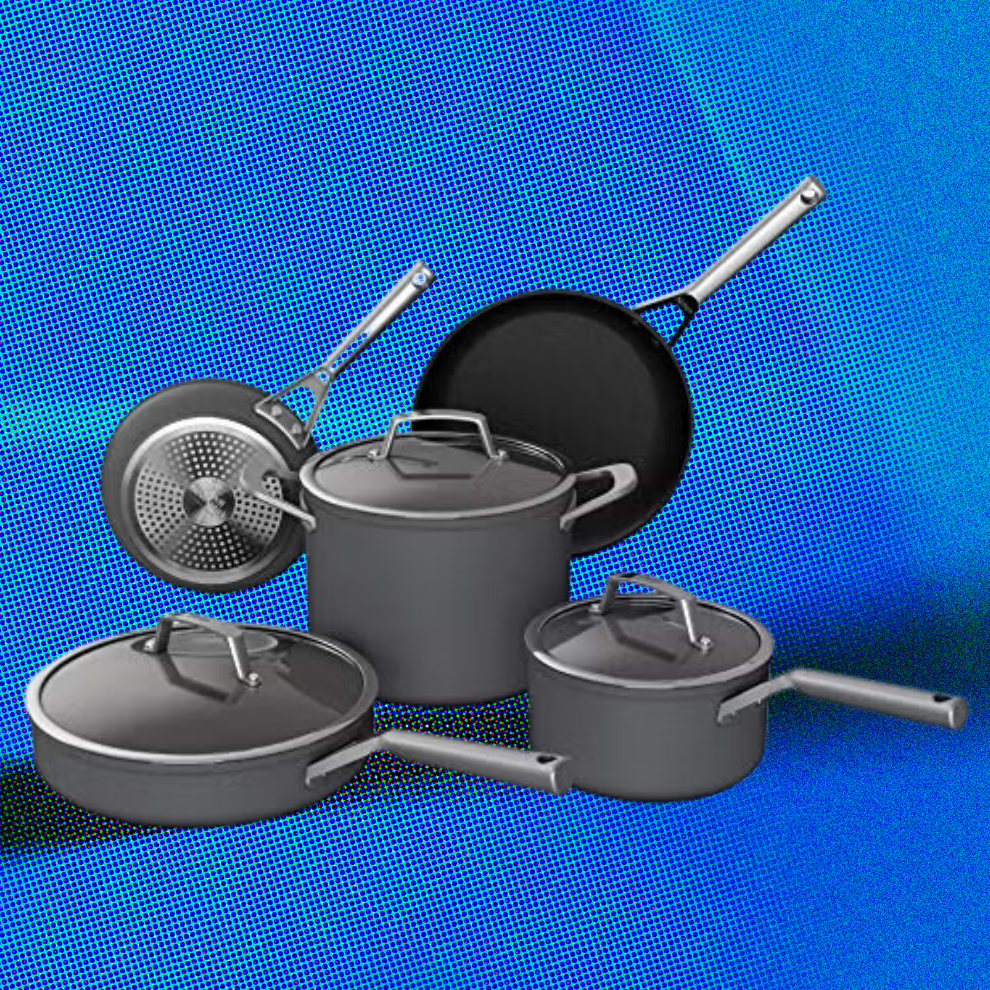
For example, a typical 10-piece set might include:
| Piece | Use |
|---|---|
| Frying pan (8″) | Frying eggs, sautéing vegetables |
| Saucepan (2 qt) | Boiling, simmering sauces |
| Stockpot (6 qt) | Making soups, boiling pasta |
| Sauté pan (3 qt) | Cooking meats, stir-frying |
Many sets include glass lids and utensils as well. This helps beginners start cooking right away without extra shopping.
When To Buy Individual Pieces
Buying individual cookware pieces works best for cooks with specific needs. Pick items based on your favorite recipes or kitchen space. Here are reasons to choose individual pieces:
- Customize your collection: Buy only what you really need.
- Upgrade quality: Choose higher-quality pots or pans for frequent use.
- Replace one piece: Add or replace damaged items without buying a full set.
- Save space: Avoid extra pots you don’t use.
Here is a simple guide to when to buy individual pieces:
- Small kitchens: Select compact pans that fit your cooking area.
- Special recipes: Buy a wok or grill pan for unique dishes.
- Experienced cooks: Choose professional-grade pieces for better performance.
- Budget control: Spread purchases over time to save money.
Individual purchases allow freedom to build a personalized cookware set. This suits people who know their cooking style well and want specific tools.

Credit: www.esquire.com
Care And Maintenance Tips
Proper care and maintenance keep cookware in top shape for years. Good habits protect materials and enhance cooking performance. Understanding how to clean, store, and handle cookware avoids damage. Follow simple steps to extend your pots and pans’ life. This guide helps maintain your cookware’s quality and appearance easily.
Cleaning Techniques
Cleaning cookware properly prevents stains, rust, and residue buildup. Use gentle methods to protect the surface and finish. Avoid harsh scrubbing or strong chemicals that can cause scratches or discoloration.
- Hand wash: Most cookware lasts longer when washed by hand. Use warm water, mild dish soap, and a soft sponge.
- Soak tough stains: Soak burnt or stuck food in warm soapy water for 15-30 minutes before cleaning.
- Use baking soda: For stubborn stains, make a paste with baking soda and water. Apply, let sit 10 minutes, then scrub gently.
- Avoid steel wool: Steel wool and harsh scrubbers can scratch non-stick and stainless steel surfaces.
- Dry immediately: After washing, dry cookware with a soft towel to prevent water spots and rust.
| Cookware Type | Recommended Cleaning | What to Avoid |
|---|---|---|
| Non-stick | Soft sponge, mild soap, hand wash only | Abrasive scrubbers, dishwasher, metal utensils |
| Cast Iron | Hot water, stiff brush, dry and oil after use | Soap (sometimes), soaking, dishwasher |
| Stainless Steel | Dish soap, sponge, baking soda for stains | Chlorine bleach, steel wool (for polished finish) |
Storage Solutions
Proper storage keeps cookware safe and ready to use. Avoid stacking heavy pots directly on top of delicate pans. Use protective layers or organizers to prevent scratches and dents.
- Use pan protectors: Felt or silicone liners placed between pans reduce surface damage.
- Hang pots: Wall hooks or racks save space and keep cookware accessible.
- Store lids separately: Use lid holders or racks to keep lids organized without scratching pans.
- Stack carefully: Place heavier cookware at the bottom and lighter ones on top.
- Keep dry: Store cookware in a dry place to avoid rust or mold growth.
Organizing cookware well also saves kitchen space and makes cooking faster. Proper storage maintains the cookware’s look and function.
Avoiding Common Damages
Damage shortens cookware life and lowers cooking quality. Prevent common problems by following simple rules.
- Do not overheat empty pans: High heat without food can warp or damage the cookware surface.
- Use correct utensils: Wooden, silicone, or plastic tools protect non-stick coatings from scratches.
- Avoid sudden temperature changes: Don’t place hot pans in cold water; this can cause warping.
- Season cast iron: Regularly oil cast iron to keep it non-stick and prevent rust.
- Check handles: Tighten loose handles to avoid accidents and damage from falls.
These steps help cookware last longer and perform better. Taking care avoids costly replacements and keeps cooking safe and enjoyable.
Popular Cookware Brands
Choosing the best cookware means picking a brand that fits your cooking style and budget. Popular cookware brands offer a variety of options, from durable sets for everyday use to specialized pieces for gourmet meals. Knowing the strengths of each brand helps make a smart choice. Some brands stand out for quality, others for affordability, and a few focus on unique cookware types. This guide covers top-rated, budget-friendly, and specialty cookware brands to help find what suits your kitchen best.
Top-rated Brands
Top-rated cookware brands earn high marks for performance, durability, and design. They often use premium materials like stainless steel, hard-anodized aluminum, or copper. These brands provide cookware that heats evenly and lasts for years. Chefs and home cooks trust them for daily cooking and special meals.
- All-Clad: Known for professional-grade stainless steel cookware. Offers excellent heat distribution and durability.
- Le Creuset: Famous for enameled cast iron pots and pans. Retains heat well and adds color to your kitchen.
- Calphalon: Provides hard-anodized aluminum cookware. Non-stick surfaces and sturdy build are highlights.
- Staub: Specializes in cast iron cookware with enamel coating. Great for slow cooking and roasting.
These brands often come with lifetime warranties, proving their confidence in product quality. The investment is higher but worth it for serious cooks.
| Brand | Material | Best For | Price Range |
|---|---|---|---|
| All-Clad | Stainless Steel | Everyday & Professional Cooking | High |
| Le Creuset | Enameled Cast Iron | Slow Cooking, Braising | High |
| Calphalon | Hard-Anodized Aluminum | Non-Stick Cooking | Mid-High |
| Staub | Enameled Cast Iron | Roasting & Baking | High |
Budget-friendly Brands
Budget-friendly cookware brands offer good quality without a high price. They provide basic cookware sets and pieces that suit everyday cooking needs. These brands focus on simple designs and reliable materials like aluminum and non-stick coatings.
- T-fal: Known for affordable non-stick pans. Easy to clean and suitable for beginners.
- Farberware: Offers stainless steel and non-stick sets. Durable and good for casual cooks.
- Amazon Basics: Provides basic cookware with decent quality. Great for tight budgets.
- Cuisinart: Has a wide range of mid-priced options. Balances cost and performance well.
These brands often include starter sets with essential pots and pans. They may not last as long as premium brands but deliver good value for the price.
| Brand | Material | Best For | Price Range |
|---|---|---|---|
| T-fal | Non-Stick Aluminum | Easy Cooking & Cleaning | Low-Mid |
| Farberware | Stainless Steel & Non-Stick | Everyday Use | Low-Mid |
| Amazon Basics | Aluminum & Non-Stick | Basic Cooking Needs | Low |
| Cuisinart | Stainless Steel & Non-Stick | Mid-Range Cooking | Mid |
Specialty Brands
Specialty cookware brands focus on unique types of pots and pans. They cater to specific cooking styles or ingredients. These brands offer tools that improve particular cooking techniques or add flair to the kitchen.
- GreenPan: Pioneers in ceramic non-stick cookware. Known for healthy, eco-friendly options.
- Lodge: Famous for cast iron skillets and Dutch ovens. Perfect for grilling and frying.
- Mauviel: French brand offering copper cookware. Excellent heat control and elegant design.
- Scanpan: Provides non-stick cookware made with recycled materials. Durable and eco-conscious.
These brands often suit cooks with specific needs. They blend tradition and innovation, making cooking both easier and enjoyable.
| Brand | Material | Best For | Price Range |
|---|---|---|---|
| GreenPan | Ceramic Non-Stick | Healthy Cooking | Mid |
| Lodge | Cast Iron | Grilling & Frying | Low-Mid |
| Mauviel | Copper | Heat Control & Presentation | High |
| Scanpan | Recycled Aluminum Non-Stick | Eco-Friendly Cooking | Mid |

Credit: www.savorysimple.net
Frequently Asked Questions
What Is The Best Material For Durable Cookware?
Stainless steel is the best for durability and even heating. It resists rust and scratches, lasting years. It’s safe for all cooking types and easy to clean, making it ideal for everyday use.
Which Cookware Is Best For Non-stick Cooking?
Ceramic-coated cookware offers a healthy, non-stick surface without harmful chemicals. It heats evenly and cleans easily. This type is perfect for low-fat cooking and prevents food from sticking effectively.
Is Cast Iron Cookware The Best Choice?
Cast iron provides excellent heat retention and even cooking. It’s ideal for frying and slow cooking. With proper care, it lasts a lifetime and adds iron to your diet naturally.
How To Choose The Best Cookware For Induction Stoves?
Magnetic stainless steel or cast iron works best on induction cooktops. These materials respond well to magnetic fields, ensuring efficient heating. Check the cookware base for induction compatibility before buying.
Conclusion
Choosing the best cookware depends on your cooking style and needs. Durable materials like stainless steel or cast iron suit many kitchens. Non-stick pans make cooking and cleaning easier for beginners. Consider heat distribution and maintenance before buying any set.
Good cookware helps you cook food evenly and tastes better. Invest in pieces that last long and fit your budget. Cookware is an important tool in every kitchen. Pick what works best for you and enjoy cooking.

Hello, This is Annie Walker, a 38-year-old blogger, founder, and editor of Cookware Guider from NY, USA. I am a cookware fanatic and passionate cooker. I love to cook with different types of cooking appliances (example: all types of cookware, rice cookers, slow cookers, etc) almost every day in my kitchen. I love to share my experience with my readers in my blog. Also, I enjoy helping people to solve their problems through my website. You can follow me on Twitter & Pinterest. To know details about my blog please check the about us page.