
Have you ever wondered what makes some cookware last longer and cook better? If you’re tired of pots and pans that scratch easily or lose their shine, anodized cookware might be the answer you’ve been looking for.
Imagine having a set that’s not only strong and durable but also easy to clean and safe for your family. You’ll discover exactly what anodized cookware is, why it stands out from regular pans, and how it can transform your cooking experience.
Keep reading to find out if this could be the perfect upgrade for your kitchen.
Anodized Cookware Basics
Anodized cookware offers a strong and durable option for cooking. It is popular for its resistance to scratches and corrosion. This type of cookware also heats evenly, helping your food cook better. Understanding the basics of anodized cookware helps you choose the right pots and pans for your kitchen.
Here are key facts about anodized cookware, including how it is made and the materials used.
How Anodizing Works
Anodizing is a process that changes the surface of metal. It uses an electric current to create a thick layer on the metal’s surface. This layer is hard and protects the cookware from damage. It also makes the surface non-stick without adding chemicals. The process makes aluminum cookware stronger and more durable.
Materials Used In Anodized Cookware
Most anodized cookware is made from aluminum. Aluminum is lightweight and conducts heat well. The anodizing process creates a tough outer layer on the aluminum. Some cookware may also use other metals, but aluminum is the most common. This combination makes cookware that is easy to handle and lasts a long time.
Benefits Of Anodized Cookware
Anodized cookware offers many benefits that make it popular in kitchens. It combines strength, safety, and cooking performance. This cookware is made by treating aluminum to create a hard, protective layer. This process improves the cookware’s qualities in several ways. Understanding these benefits helps you choose the right pots and pans for your cooking needs.
Durability And Scratch Resistance
Anodized cookware is very strong and resists scratches well. The hard surface protects the pan from dents and damage. This makes the cookware last longer than regular aluminum pans. Even metal utensils do not easily harm the surface. The durability keeps the cookware looking new after many uses.
Non-toxic And Safe Cooking
The anodizing process creates a non-toxic cooking surface. It does not peel or chip like some coated pans. This means no chemicals can mix with your food. The cookware is safe for daily cooking and does not release harmful substances. It is a healthy choice for families.
Heat Distribution And Efficiency
Anodized cookware heats evenly and quickly. The aluminum core spreads heat across the surface well. This prevents hot spots that burn food. Even heat helps cook meals faster and saves energy. The efficiency improves your cooking experience and results.
Types Of Anodized Cookware
Anodized cookware comes in different types. Each type offers unique benefits for cooking. Choosing the right one helps you cook better and last longer.
Hard-anodized Aluminum
Hard-anodized aluminum is very strong and durable. It has a tough surface that resists scratches and dents. This type heats evenly, so food cooks well. It often has a non-stick coating for easy cleaning. Hard-anodized cookware is usually darker in color. It works well on most stovetops except induction.
Regular Anodized Aluminum
Regular anodized aluminum is lighter than hard-anodized. It has a smooth, hard surface that stops aluminum from reacting with food. This type is less expensive and still durable. It heats quickly but may not be as tough as hard-anodized. Regular anodized cookware is good for everyday use and is easy to clean.
:max_bytes(150000):strip_icc()/faw-detail-kitchenaid-hard-anodized-induction-10-piece-nonstick-cookware-set-14-wdickey-272-ab10854e2a2e4c37b365f13cc9a1c70e.jpeg)
Credit: www.foodandwine.com
Comparing Anodized Cookware To Other Types
Anodized cookware stands out for its durability and cooking performance. Comparing it with other types helps understand its benefits and drawbacks. Each cookware type suits different cooking styles and needs. Knowing these differences guides the right choice for your kitchen.
Versus Stainless Steel
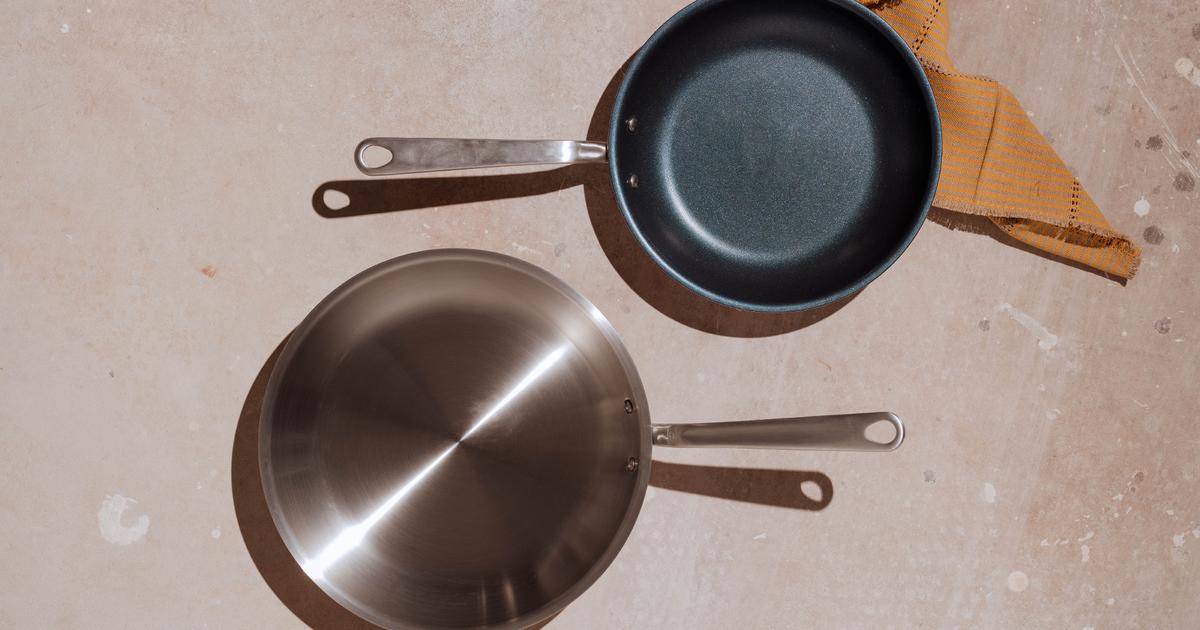
Stainless steel is strong and resists rust well. Anodized cookware has a harder surface that resists scratches better. Stainless steel can stick more during cooking. Anodized pans offer a smoother, less sticky surface. Cleaning anodized cookware is usually easier than stainless steel. Both conduct heat well but anodized heats more evenly.
Versus Non-stick Cookware
Non-stick pans cook food without much oil. Anodized cookware also has a smooth surface but is tougher. Non-stick coatings can wear off over time. Anodized surfaces last longer and resist damage. Non-stick pans need gentle cleaning, or they may scratch. Anodized pans can handle metal utensils better. Both are good for cooking eggs and delicate foods.
Versus Cast Iron
Cast iron holds heat very well and lasts for decades. Anodized cookware heats up faster and is lighter. Cast iron needs seasoning to stay non-stick. Anodized pans do not need this care. Cast iron can rust if not dried properly. Anodized cookware resists rust and is easier to maintain. Both offer excellent cooking, but cast iron is heavier and slower to heat.
Care And Maintenance Tips
Taking good care of anodized cookware keeps it looking new and working well. Proper care also extends its lifespan. Simple habits make a big difference in maintenance.
Cleaning Techniques
Wash anodized cookware with warm water and mild soap. Use a soft sponge or cloth to avoid scratching. Avoid steel wool or abrasive pads that damage the surface. For stuck food, soak the pan in warm water before cleaning. Dry the cookware completely to prevent water spots.
Avoiding Damage
Do not use metal utensils on anodized cookware. Use wooden, silicone, or plastic tools instead. Avoid cooking sprays; they can leave a residue. Do not heat the pan when empty for a long time. High heat may discolor or warp the cookware.
Storage Suggestions
Store anodized cookware in a dry place. Stack pans with a soft cloth or paper towel in between. This prevents scratches and dents. Keep lids separate or place a cloth between lids and pans. Proper storage keeps cookware safe and ready to use.
Credit: madeincookware.com
Choosing The Right Anodized Cookware
Choosing the right anodized cookware can make a big difference in your kitchen. It affects cooking quality, durability, and how easy the cookware is to clean. Knowing what to look for helps you pick the best set for your needs.
Many options exist, so focusing on key factors will guide your choice. You want cookware that lasts, cooks evenly, and fits your budget. This section breaks down what matters most and suggests trusted brands.
Factors To Consider
Check the thickness of the anodized layer. Thicker layers mean better durability and resistance to scratches. Also, look for cookware with an aluminum core for fast and even heating.
Non-stick coatings add convenience but should be free from harmful chemicals. Make sure the handles stay cool and are comfortable to hold. Oven safety is another point—some sets can go from stovetop to oven.
Weight matters, too. Lightweight pieces are easier to use daily. Consider the size and shape of pans that fit your cooking style. Finally, review the warranty and customer service offered.
Top Brands To Explore
Several brands stand out for anodized cookware. Calphalon is known for strong construction and even heating. They offer various sizes and sets suitable for beginners and pros.
Another brand, Cuisinart, combines affordability with reliable quality. Their anodized pans often feature durable non-stick surfaces. They provide good customer support and warranties.
Lastly, All-Clad is famous for premium cookware. Their anodized lines provide excellent heat distribution and long-lasting performance. These pans tend to be an investment but offer great results.
Common Myths About Anodized Cookware
Anodized cookware is popular in many kitchens. Yet, many myths confuse people about its safety and use. These myths stop some from trying anodized pots and pans. Clearing up these false ideas helps you choose better cookware.
Below are common myths about anodized cookware. Each myth will be explained to give clear facts.
Myth: Anodized Cookware Is Toxic
Some think anodized cookware releases harmful chemicals. This is not true. The anodizing process makes the surface hard and sealed. It does not let metals or chemicals leak into food. Anodized pans are safe for cooking.
Myth: Anodized Cookware Scratches Easily
Many believe anodized cookware is fragile. The opposite is true. Anodizing makes the surface harder than regular aluminum. It resists scratches and dents well. Proper care keeps it smooth and durable for years.
Myth: Food Sticks To Anodized Cookware
Some say food sticks to anodized pots. The smooth, non-porous surface prevents food from sticking. Using enough oil and correct heat also helps. Anodized pans often cook evenly without sticking problems.
Myth: Anodized Cookware Cannot Be Washed In A Dishwasher
Some users avoid dishwashers for anodized cookware. Most anodized pots and pans are dishwasher safe. The hard surface resists damage from detergents. Still, hand washing with mild soap keeps them looking new longer.
Credit: learn.surlatable.com
Frequently Asked Questions
What Is Anodized Cookware Made Of?
Anodized cookware is made from aluminum that undergoes an electrochemical process. This process thickens the metal’s natural oxide layer. It creates a durable, non-reactive surface that resists corrosion and scratches. This makes the cookware safe and long-lasting for daily cooking.
How Is Anodized Cookware Different From Regular Aluminum?
Anodized cookware has a hardened surface unlike regular aluminum. The anodizing process seals the surface, preventing aluminum from leaching into food. It also offers better heat distribution and scratch resistance. Regular aluminum can be softer and react with acidic foods.
Is Anodized Cookware Safe For Cooking?
Yes, anodized cookware is safe for cooking. The anodizing process creates a non-reactive and stable surface. It prevents metal from transferring to food. This cookware is also free from harmful chemicals like PFOA and PTFE. It is a healthy choice for everyday use.
Can Anodized Cookware Be Used On Induction Stoves?
Most anodized cookware is not compatible with induction stoves. Induction requires magnetic materials like stainless steel or cast iron. Some anodized cookware has a magnetic base for induction use. Always check the manufacturer’s specifications before using on induction cooktops.
Conclusion
Anodized cookware offers strong and lasting pots and pans. It resists scratches and cleans easily. Food cooks evenly without sticking. This type of cookware stays safe and healthy for daily use. Choosing anodized cookware helps improve your cooking experience. It suits many kitchens and styles.
A smart choice for those who want durable and easy-to-use cookware. Give anodized pots and pans a try to see the difference.

Hello, This is Annie Walker, a 38-year-old blogger, founder, and editor of Cookware Guider from NY, USA. I am a cookware fanatic and passionate cooker. I love to cook with different types of cooking appliances (example: all types of cookware, rice cookers, slow cookers, etc) almost every day in my kitchen. I love to share my experience with my readers in my blog. Also, I enjoy helping people to solve their problems through my website. You can follow me on Twitter & Pinterest. To know details about my blog please check the about us page.