
Are you tired of cooking on pans that stick, stain, or wear out quickly? Ceramic cookware might be the game-changer your kitchen needs.
But what exactly is ceramic cookware, and why are so many people making the switch? If you want to cook healthier meals, clean up faster, and enjoy long-lasting pots and pans, understanding ceramic cookware is the first step. Keep reading to discover how this popular option can transform your cooking experience and why it might be the perfect fit for your kitchen.
Ceramic Cookware Basics
Ceramic cookware is a popular choice for many kitchens due to its non-stick surface and attractive design. It offers a natural way to cook food without using much oil. Understanding the basics of ceramic cookware helps you pick the right type for your needs and keeps your cooking safe and healthy. This section explains what ceramic cookware is made of and the different types available.
Material Composition
Ceramic cookware is made from natural materials that include clay, minerals, and water. These ingredients are mixed and then baked at very high temperatures to create a hard, durable surface. The main benefit of ceramic cookware is its non-stick coating, which is free from harmful chemicals like PTFE or PFOA found in some other pans.
Important features of ceramic cookware materials:
- Natural clay base: Provides heat resistance and durability.
- Non-stick ceramic coating: Made from silica and oxygen, creating a smooth surface.
- Free of toxic chemicals: Safe for cooking without releasing harmful fumes.
- Heat distribution: Ceramic spreads heat evenly for better cooking results.
Here is a simple comparison of ceramic cookware material against other types:
| Material | Non-Stick | Toxic Chemicals | Heat Distribution | Durability |
|---|---|---|---|---|
| Ceramic | Yes | No | Good | Moderate |
| Teflon (PTFE) | Yes | Some | Fair | Moderate |
| Cast Iron | No (unless coated) | No | Excellent | High |
The ceramic coating is fragile compared to metal pans. Avoid metal utensils to keep it safe. It works best on low to medium heat to preserve the coating’s quality.
Types Of Ceramic Cookware
Ceramic cookware comes in several forms. Each type serves different cooking needs and styles. Understanding these types helps you choose the best fit for your kitchen.
Common types include:
- 100% Ceramic Cookware: Made entirely from ceramic materials without any metal base. They are heavy but retain heat well.
- Ceramic-Coated Cookware: Metal pans coated with a ceramic layer. These are lighter and heat up quickly.
- Ceramic Bakeware: Items like baking dishes made fully of ceramic, perfect for ovens and microwaves.
- Ceramic Cookware Sets: Sets combining pots, pans, and lids with ceramic coatings for versatile cooking.
Here is a brief overview of each type:
| Type | Description | Best Use | Pros | Cons |
|---|---|---|---|---|
| 100% Ceramic | Fully ceramic material, no metal base | Slow cooking, heat retention | Durable, natural | Heavy, fragile |
| Ceramic-Coated | Metal base with ceramic coating | Daily frying, sautéing | Lightweight, quick heating | Coating wears off |
| Ceramic Bakeware | Solid ceramic dishes for baking | Oven use, baking | Even baking, attractive | Can chip, heavy |
| Cookware Sets | Multiple pieces with ceramic coating | Various cooking methods | Cost-effective, versatile | Coating durability varies |
Choosing between these types depends on your cooking habits and care ability. Ceramic cookware offers a balance of style and function.
Benefits Of Ceramic Cookware
Ceramic cookware offers many benefits that make it a popular choice in kitchens worldwide. Its unique material composition combines natural clay with inorganic materials, creating a durable, smooth surface ideal for cooking. Beyond its appealing look, ceramic cookware stands out for being safe, efficient, and easy to maintain. Understanding these benefits helps anyone choose the right cookware for healthier and more enjoyable cooking experiences.
Non-toxic And Eco-friendly
Ceramic cookware is a safe choice for health-conscious cooks. It contains no harmful chemicals like PFOA, PTFE, or lead, which are found in some traditional non-stick pans. This feature ensures food stays free from toxic substances during cooking.
Key advantages include:
- Free from toxic coatings: No risk of chemicals leaching into food.
- Natural materials: Made from clay and minerals, which are abundant and renewable.
- Environmentally friendly production: Lower environmental impact compared to synthetic non-stick pans.
- Biodegradable components: Ceramic parts break down naturally over time.
The table below compares ceramic cookware with traditional non-stick cookware on health and eco-friendliness:
| Feature | Ceramic Cookware | Traditional Non-Stick Cookware |
|---|---|---|
| Toxic Chemicals | None | Often contains PFOA/PTFE |
| Material Source | Natural clay and minerals | Synthetic coatings |
| Environmental Impact | Low | Higher |
| Biodegradability | Yes | No |
This cookware suits people wanting a healthier kitchen and a smaller carbon footprint.
Heat Distribution And Retention
Ceramic cookware heats evenly and keeps temperature steady. This feature helps cook food uniformly without hot spots. It also reduces the chance of burning or undercooking meals.
Benefits of ceramic cookware’s heat qualities include:
- Even heat spread: Ceramic surfaces distribute heat smoothly across the pan.
- Good heat retention: Once heated, ceramic holds warmth longer, saving energy.
- Lower cooking temperatures: Efficient heat use means less heat is needed.
- Better cooking control: Steady heat allows precise temperature management.
Here is a simple comparison of heat features among common cookware types:
| Cookware Type | Heat Distribution | Heat Retention | Energy Efficiency |
|---|---|---|---|
| Ceramic | Excellent | Good | High |
| Aluminum | Good | Moderate | Moderate |
| Cast Iron | Moderate | Excellent | Moderate |
| Stainless Steel | Poor | Poor | Low |
Using ceramic cookware can improve cooking results and reduce energy use in the kitchen.
Ease Of Cleaning
Ceramic cookware is easy to clean and maintain. Its smooth, non-porous surface prevents food from sticking. This feature helps avoid tough scrubbing and saves time.
Cleaning benefits include:
- Non-stick properties: Food slides off easily, even without much oil.
- Dishwasher safe: Most ceramic cookware can be cleaned in a dishwasher.
- Resists stains and odors: The surface does not absorb smells or discolor.
- Durable coating: Less chance of scratches compared to traditional non-stick pans.
Tips for cleaning ceramic cookware:
- Use a soft sponge or cloth to avoid damaging the surface.
- Clean promptly after use to prevent residue buildup.
- Use mild dish soap; avoid harsh chemicals or abrasive cleaners.
These features reduce kitchen cleanup time and extend cookware life.
Drawbacks To Consider
Ceramic cookware has grown popular for its non-stick surface and attractive design. It offers many benefits, such as easy cleaning and a healthier cooking option. Despite these positives, there are important drawbacks to consider before choosing ceramic cookware for your kitchen. Understanding these limits helps you make a better decision and care for your pots and pans properly.
Durability Concerns
Ceramic cookware is known for its smooth, colorful coating, but this coating can be fragile. It may chip or crack if not handled carefully. This affects the cookware’s performance and look.
Key points about durability:
- The ceramic coating can wear off over time, especially with frequent use.
- Metal utensils can scratch the surface, reducing non-stick ability.
- Dropping ceramic cookware can cause cracks or chips.
- Some ceramic coatings are thinner and less durable than others.
Here is a simple table comparing ceramic cookware durability with other common types:
| Cookware Type | Durability | Scratch Resistance | Chip Resistance |
|---|---|---|---|
| Ceramic | Moderate | Low to Moderate | Low |
| Cast Iron | High | High | High |
| Stainless Steel | High | High | High |
| Teflon Non-stick | Low to Moderate | Low | Moderate |
Proper care can extend ceramic cookware life. Use wooden or silicone tools. Avoid sudden temperature changes. Hand wash gently instead of using harsh scrubbers or dishwashers.
Heat Sensitivity
Ceramic cookware does not handle heat as well as some metals. It can crack or lose its coating if exposed to very high temperatures. This sensitivity limits how you can cook with it.
Important heat-related facts:
- Most ceramic cookware works best on low to medium heat.
- Using high heat may damage the ceramic layer.
- Rapid temperature changes can cause thermal shock, leading to cracks.
- Some ceramic pots are not safe for broilers or ovens above certain temperatures.
Follow this quick guide for heat use with ceramic cookware:
- Start with low heat and increase gradually.
- Avoid preheating empty ceramic pans.
- Do not place hot ceramic cookware on cold surfaces.
- Check manufacturer’s instructions for maximum heat levels.
Keeping heat levels in check protects the coating and prevents damage. This care also helps maintain the cookware’s non-stick properties and appearance.
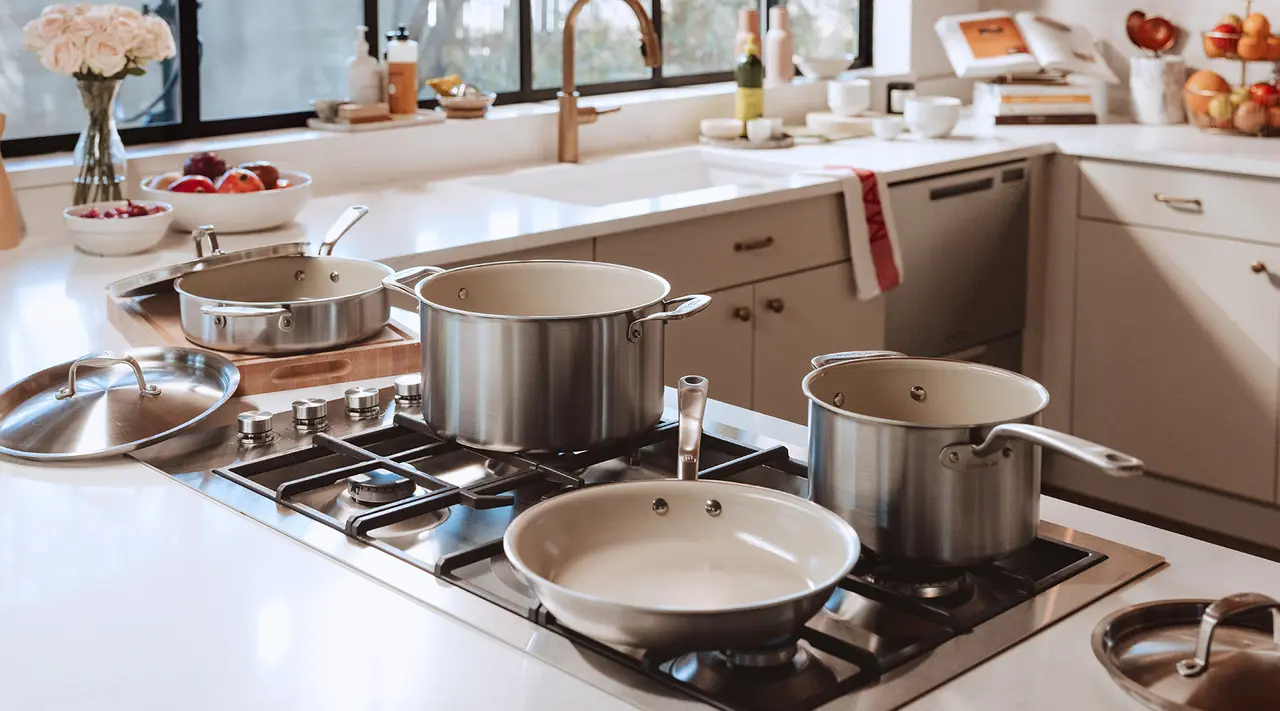
Credit: madeincookware.com
Comparing Ceramic With Other Cookware
Choosing the right cookware affects cooking results and kitchen health. Ceramic cookware is popular for its natural, non-toxic surface and even heat distribution. Comparing ceramic with other common types helps understand its strengths and weaknesses. Each cookware type offers unique features suitable for different cooking needs.
Ceramic Vs Nonstick
Ceramic and traditional nonstick pans look similar but differ in materials and durability. Ceramic cookware uses a silica-based coating that is free of PTFE and PFOA chemicals. Nonstick pans use synthetic coatings like Teflon that may release harmful fumes if overheated.
- Heat resistance: Ceramic can handle higher temperatures safely, up to 450°F (232°C).
- Durability: Ceramic coatings tend to chip or wear faster than quality nonstick coatings.
- Cleaning: Both are easy to clean, but ceramic is more scratch-resistant.
- Food release: Nonstick pans offer better non-stick performance initially.
| Feature | Ceramic | Nonstick |
|---|---|---|
| Material | Silica-based, natural coating | PTFE/PFOA synthetic coating |
| Heat Tolerance | Up to 450°F (232°C) | Up to 350°F (177°C) |
| Durability | Moderate, can chip | Moderate, can peel |
| Health Safety | Non-toxic, chemical-free | Potential fumes if overheated |
Ceramic pans suit cooks wanting safer coatings and higher heat use. Nonstick pans work well for low-heat, delicate foods.
Ceramic Vs Cast Iron
Ceramic and cast iron cookware differ greatly in weight, heat retention, and maintenance. Cast iron is heavy and requires seasoning. Ceramic is lighter and ready to use out of the box.
- Heat retention: Cast iron holds heat longer, ideal for searing and slow cooking.
- Weight: Ceramic is lighter, easier to handle.
- Maintenance: Cast iron needs regular seasoning to stay non-stick and prevent rust.
- Non-stick surface: Ceramic provides a naturally smooth surface without seasoning.
| Feature | Ceramic | Cast Iron |
|---|---|---|
| Weight | Light to medium | Heavy |
| Heat Retention | Moderate | Excellent |
| Care | Hand wash preferred | Season regularly |
| Surface | Non-stick without seasoning | Non-stick with seasoning |
Cast iron suits slow cooking and high-heat searing. Ceramic fits cooks who want easy care and lighter pans.
Ceramic Vs Stainless Steel
Ceramic and stainless steel cookware offer different cooking experiences. Stainless steel pans are durable, non-reactive, and great for browning. Ceramic pans provide a non-stick surface without chemicals.
- Cooking style: Stainless steel is best for sautéing, deglazing, and frying.
- Non-stick ability: Ceramic has better natural non-stick qualities.
- Cleaning: Stainless steel requires more scrubbing but is dishwasher safe.
- Reactivity: Ceramic does not react with acidic foods, stainless steel is mostly non-reactive.
| Feature | Ceramic | Stainless Steel |
|---|---|---|
| Non-stick | Yes, naturally | No, food may stick |
| Heat Conductivity | Even, moderate | Fast, uneven without core |
| Durability | Moderate, coating can wear | Very high, lasts decades |
| Maintenance | Gentle cleaning | Dishwasher safe, scrub well |
Stainless steel is perfect for high-heat cooking and long-term use. Ceramic offers easy food release and chemical-free cooking.
Care And Maintenance Tips
Caring for ceramic cookware is key to keeping it in top shape and extending its life. Proper maintenance helps preserve its non-stick surface and vibrant appearance. Ceramic pots and pans need gentle handling and specific cleaning methods. Following the right care tips ensures better cooking performance and prevents damage over time.
Cleaning Techniques
Cleaning ceramic cookware requires care to avoid scratching or dulling the surface. Use warm, soapy water and a soft sponge for regular cleaning. Avoid abrasive scrubbers or steel wool, as they can harm the ceramic coating.
- Hand wash only: Most ceramic cookware is not dishwasher safe. Hand washing keeps the coating intact.
- Soak stubborn stains: Soak the cookware in warm water with mild dish soap for 15-20 minutes before scrubbing gently.
- Use baking soda paste: For tough spots, mix baking soda with water to form a paste. Apply it and scrub softly with a sponge.
- Rinse and dry: Rinse thoroughly with clean water and dry with a soft cloth to prevent water spots.
| Do’s | Don’ts |
|---|---|
| Use mild dish soap and warm water | Avoid abrasive scrubbers and harsh cleaners |
| Clean immediately after use | Do not put hot ceramic cookware in cold water |
| Dry completely before storing | Avoid dishwasher unless labeled safe |
Storage Recommendations
Proper storage prevents scratches and keeps ceramic cookware looking new. Stack pieces carefully or store them separately. Use soft liners or cloths between pans to protect the surface from damage.
- Use pan protectors: Felt or silicone protectors work well between stacked cookware.
- Store lids separately: Keep lids upright or on a rack to avoid chipping.
- Keep in dry place: Moisture can weaken the ceramic coating and cause stains.
- Organize by size: Larger pots and pans on the bottom, smaller ones on top to avoid tipping.
Table below summarizes ideal storage tips:
| Storage Method | Benefit |
|---|---|
| Stack with soft liners | Prevents scratches and surface damage |
| Store lids separately | Avoids chipping and cracking |
| Keep cookware dry | Prevents mold and coating damage |
Avoiding Damage
Avoid sudden temperature changes to protect ceramic cookware. Thermal shock can cause cracks or chips. Heat the pan gradually and never place a hot pan under cold water.
- Use wooden or silicone utensils: Metal tools scratch the ceramic surface easily.
- Avoid high heat: Ceramic cookware works best on low to medium heat settings.
- Do not drop or bang: Ceramic can chip or break if dropped or hit hard.
- Check manufacturer instructions: Follow specific care guidelines for your cookware brand.
Use this quick checklist to avoid damage:
- Preheat slowly over low heat
- Use soft utensils only
- Handle with care to avoid drops
- Never immerse hot cookware in cold water
:max_bytes(150000):strip_icc()/Testing_CarawayNon-ToxicCeramicNonstickCookwareSet_190-1-3x2-f6f0532cce174213bb636cedbf44af62.jpeg)
Credit: www.allrecipes.com
Popular Brands And Products
Ceramic cookware has grown in popularity due to its non-toxic surface and even heat distribution. Many brands offer a variety of ceramic pots, pans, and sets designed for different cooking needs. Choosing the right brand and product ensures durability, safety, and better cooking results. Below are some trusted names and their popular ceramic cookware options.
Top Ceramic Cookware Brands
Several brands stand out for their quality ceramic cookware. These brands focus on non-stick coatings, durability, and design. They also offer products that are free from harmful chemicals like PFOA and PTFE.
- GreenLife: Known for affordable ceramic cookware with Thermolon coating. Easy to clean and comes in many colors.
- Cuisinart: Offers ceramic-coated pans with sturdy construction and good heat retention.
- Caraway: Stylish, eco-friendly ceramic cookware with a focus on non-toxic materials.
- T-fal: Combines ceramic coating with hard-anodized aluminum for durability and quick heating.
- WearEver: Provides ceramic cookware that resists scratching and is dishwasher safe.
| Brand | Key Features | Price Range |
|---|---|---|
| GreenLife | Thermolon ceramic coating, colorful designs | $40 – $150 |
| Cuisinart | Durable ceramic coating, solid construction | $60 – $200 |
| Caraway | Non-toxic, eco-friendly, stylish | $95 – $245 |
| T-fal | Hard-anodized base, ceramic non-stick | $50 – $180 |
| WearEver | Scratch-resistant, dishwasher safe | $45 – $130 |
Recommended Cookware Sets
Cookware sets simplify buying by including multiple pieces for different cooking tasks. Ceramic cookware sets often include frying pans, saucepans, and stockpots. Choosing a set depends on cooking style, kitchen size, and budget.
Here are some popular ceramic cookware sets:
- GreenLife Soft Grip 16-Piece Set: Includes various pots and pans with cool-touch handles. Lightweight and colorful.
- Cuisinart Advantage Ceramica 11-Piece Set: Features scratch-resistant ceramic coating and stainless steel handles.
- Caraway 5-Piece Set: Sleek design, oven safe, and easy to clean. Great for small families.
- T-fal Initiatives Nonstick Ceramic 14-Piece Set: Hard-anodized aluminum with ceramic coating. Includes lids and utensils.
- WearEver Pure Living 10-Piece Set: Durable ceramic coating, dishwasher safe, suitable for everyday cooking.
| Set | Number of Pieces | Special Features | Approximate Price |
|---|---|---|---|
| GreenLife Soft Grip | 16 | Cool-touch handles, colorful | $100 |
| Cuisinart Advantage Ceramica | 11 | Scratch-resistant, stainless handles | $160 |
| Caraway | 5 | Oven safe, easy cleaning | $245 |
| T-fal Initiatives | 14 | Includes lids and utensils | $140 |
| WearEver Pure Living | 10 | Dishwasher safe, durable | $130 |
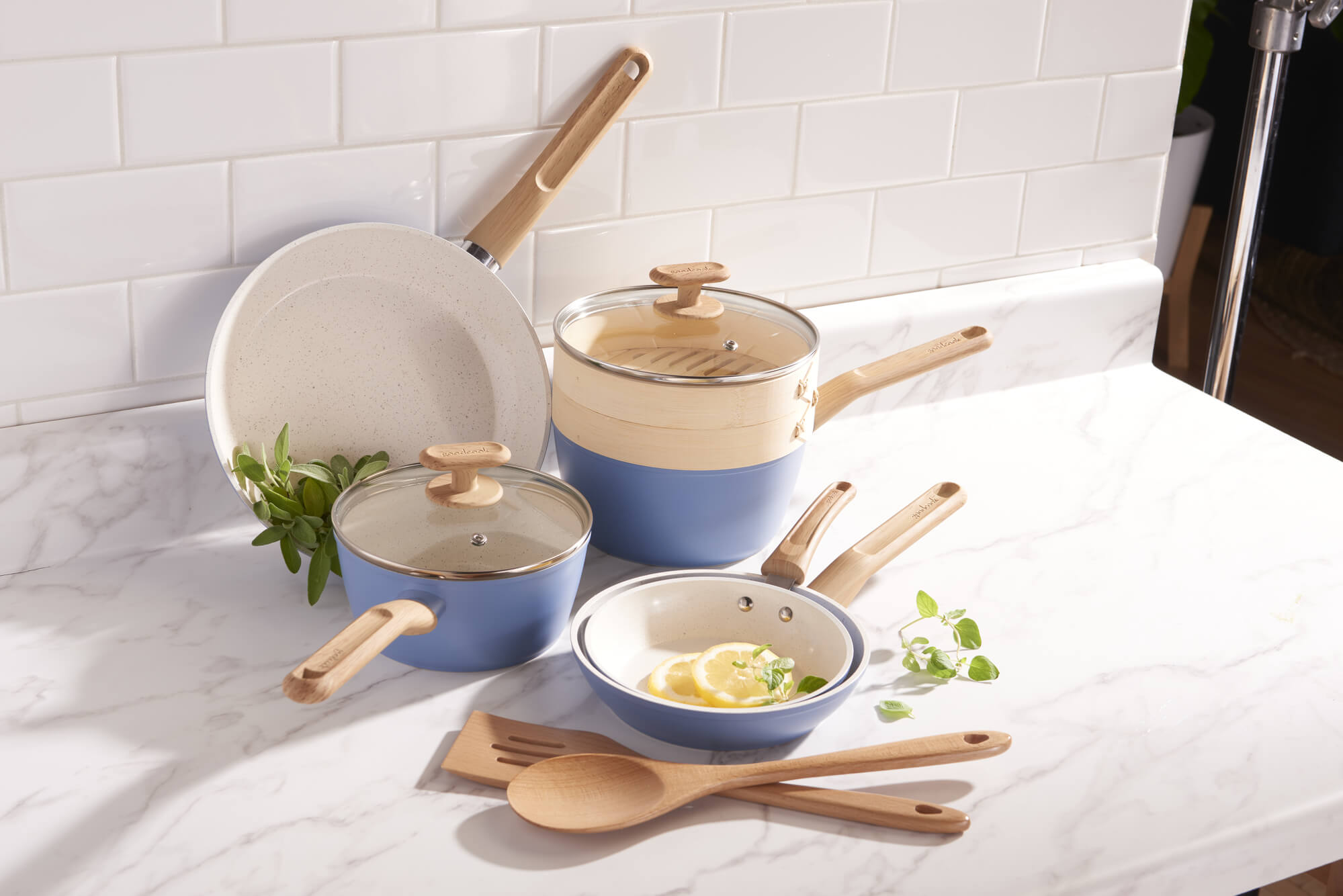
Credit: bradshawhome.com
Frequently Asked Questions
What Is Ceramic Cookware Made Of?
Ceramic cookware is made from natural clay and minerals. It features a non-stick ceramic coating instead of traditional metals. This coating is free from harmful chemicals like PTFE and PFOA, making it safer and eco-friendly for cooking.
Are Ceramic Pots And Pans Non-stick?
Yes, ceramic cookware offers excellent non-stick properties. The ceramic coating allows easy food release and reduces oil usage. It’s ideal for low-fat cooking and simplifies cleaning after use.
Is Ceramic Cookware Safe For Health?
Ceramic cookware is safe and non-toxic. It doesn’t release harmful chemicals when heated. This makes it a healthy choice compared to some traditional non-stick options containing synthetic coatings.
How To Clean Ceramic Cookware Properly?
Clean ceramic cookware with warm soapy water and a soft sponge. Avoid abrasive cleaners or metal scrubbers to protect the coating. Hand washing extends the cookware’s lifespan and maintains its non-stick surface.
Conclusion
Ceramic cookware offers a healthy and eco-friendly way to cook meals. It heats evenly and cleans up easily after use. Many people enjoy its non-stick surface and stylish look. This type of cookware works well for various recipes and cooking styles.
Choosing ceramic pots and pans can improve your kitchen experience. Simple to use and gentle on food, ceramic cookware suits everyday cooking needs. Consider trying ceramic if you want safe and easy cooking tools. It can bring a fresh feel to your cooking routine.

Hello, This is Annie Walker, a 38-year-old blogger, founder, and editor of Cookware Guider from NY, USA. I am a cookware fanatic and passionate cooker. I love to cook with different types of cooking appliances (example: all types of cookware, rice cookers, slow cookers, etc) almost every day in my kitchen. I love to share my experience with my readers in my blog. Also, I enjoy helping people to solve their problems through my website. You can follow me on Twitter & Pinterest. To know details about my blog please check the about us page.