
When it comes to baking, the tools you use matter more than you might think. Your bakeware doesn’t just shape your cakes and cookies—it can also affect your health.
Choosing the best non-toxic bakeware material is a smart way to protect yourself and your loved ones from harmful chemicals. Imagine enjoying your favorite treats without worrying about toxins leaching into your food. You’ll discover which bakeware materials are safest, most durable, and best for your kitchen.
Keep reading to find out how to bake with confidence and peace of mind.
Why Choose Non-toxic Bakeware
Choosing non-toxic bakeware is more than just a trend—it’s a smart move for your health and the planet. Every time you bake, your cookware interacts with heat and food. If the materials are unsafe, harmful chemicals can leach into your meals without you even noticing.
Have you ever thought about what’s really in your bakeware? Understanding why non-toxic materials matter can change how you shop and cook. Here’s a closer look at why you should make the switch.
Health Risks Of Toxic Materials
Many traditional bakeware options contain chemicals like PFOA, PTFE, and heavy metals. These substances can release toxins when heated, potentially causing health problems over time.
Exposure to these chemicals may increase risks of hormonal imbalances, respiratory issues, and even certain cancers. You might not see immediate effects, but the buildup inside your body can be harmful.
Think about how often you bake or cook—are you willing to risk these hidden dangers? Choosing safer bakeware means reducing this silent threat in your daily meals.
Benefits Of Safe Bakeware
Non-toxic bakeware is often made from materials like ceramic, glass, or stainless steel. These options don’t release harmful chemicals, even under high heat.
Using safe bakeware ensures your food stays pure and flavors stay true. Plus, many non-toxic materials are durable and easy to clean, saving you time and money.
Imagine baking your favorite cookies without worrying about toxins—wouldn’t that give you peace of mind every time you use your oven?
Environmental Impact
Toxic bakeware materials don’t just affect your health—they also harm the environment. Chemicals can leach into soil and water during manufacturing and disposal.
Non-toxic bakeware tends to be more eco-friendly, often made from sustainable or recyclable materials. Choosing these products helps reduce pollution and landfill waste.
How much does your choice of bakeware affect the planet? Small changes in your kitchen can lead to big environmental benefits over time.
Popular Non-toxic Bakeware Materials
Choosing the right bakeware is important for healthy cooking. Non-toxic materials do not release harmful chemicals into food. They offer safer options for baking and cooking. Many popular materials are safe, durable, and easy to use. These bakeware types work well for various recipes and kitchen needs.
Silicone Bakeware
Silicone bakeware is flexible and non-stick. It handles heat well, up to 450°F. This material does not leach chemicals into food. Easy to clean and store due to its soft texture. Perfect for muffins, cupcakes, and other baked goods.
Cast Iron
Cast iron is a heavy, durable choice. It heats evenly and retains heat long. When seasoned properly, it creates a natural non-stick surface. Cast iron adds a small amount of iron to food, which can be healthy. Ideal for baking bread, pies, and roasting.
Glass
Glass bakeware does not react with food. It is safe and does not release toxins. Glass heats evenly, though it takes longer to warm. It allows you to watch your food cook. Suitable for casseroles, cakes, and roasting vegetables.
Ceramic
Ceramic bakeware is made from natural clay. It is free from harmful chemicals like lead and cadmium if certified. Ceramic holds heat well and cooks evenly. It often comes with a smooth, non-stick glaze. Great for lasagna, gratins, and desserts.
Stainless Steel
Stainless steel is strong and resists rust. It does not react with acidic or alkaline foods. This material heats quickly but may have hot spots. Stainless steel is easy to clean and maintain. Best for roasting, baking sheets, and mixing bowls.
Durability And Performance
Durability and performance are key when choosing non-toxic bakeware. Good bakeware lasts long and works well in the oven. It should handle heat without warping or breaking. Non-toxic materials also need to keep their quality over time. This means easy cleaning and no loss of non-stick ability. Let’s explore how top bakeware materials perform in these areas.
Heat Resistance
Non-toxic bakeware must resist high oven temperatures. Some materials handle heat better than others. For example, ceramic and glass can take very high heat without damage. Silicone is flexible but has a lower heat limit. Avoid bakeware that melts or releases toxins at high temperatures. Proper heat resistance ensures safe cooking and even baking results.
Longevity And Maintenance
Durable bakeware stays strong after many uses. Stainless steel and cast iron are known for long life. They resist rust and dents when cared for properly. Some materials like ceramic may chip but last if handled carefully. Cleaning should be simple. Non-toxic bakeware often cleans well with mild soap. Avoid harsh scrubbing that can damage the surface.
Non-stick Properties
Non-stick surfaces make baking easier and healthier. Look for bakeware with natural non-stick qualities. Silicone and well-seasoned cast iron provide good release without chemicals. Ceramic coatings can also offer non-stick benefits without toxins. Avoid non-stick pans with harmful coatings that may flake off. Good non-stick bakeware helps reduce oil use and cleanup time.

Credit: mindfulmomma.com
Eco-friendly Bakeware Options
Eco-friendly bakeware options offer a healthier choice for your kitchen and the planet. They reduce harmful chemicals and waste. Choosing these materials supports a cleaner environment and safer cooking.
Many eco-friendly bakeware types are made with care for nature. They often use recycled or natural materials. This lowers the impact on Earth and keeps your food safe.
Recyclability
Recyclable bakeware helps reduce landfill waste. Materials like aluminum and stainless steel can be recycled many times. This saves energy and raw resources. Look for bakeware marked as recyclable to make better choices. Recycling keeps materials in use longer and reduces pollution.
Sustainable Production
Sustainable production means making bakeware with less harm to nature. It uses fewer chemicals and less energy. Bamboo and cast iron often come from sustainable sources. These materials last long and need less replacement. Choosing products made this way helps protect forests and water.
Biodegradable Choices
Biodegradable bakeware breaks down naturally after use. It does not stay in landfills for years. Materials like silicone with natural fillers or certain ceramics can be biodegradable. These options reduce plastic waste. They return nutrients to the soil instead of polluting.
Tips For Choosing Safe Bakeware
Choosing safe bakeware is important for healthy cooking. Not all bakeware is free from harmful chemicals. Some materials can release toxins when heated. Use these tips to pick bakeware that keeps your food safe and tasty.
Understanding what to check helps avoid unsafe products. Safe bakeware lasts longer and protects your health. Simple steps make a big difference in your kitchen.
Checking For Certifications
Look for bakeware with clear safety certifications. Certifications like FDA approval show the product meets health standards. Other labels include BPA-free and food-grade marks. These signs prove the bakeware is tested and safe for cooking. Avoid products without any certification labels.
Avoiding Harmful Coatings
Many bakeware items have non-stick coatings. Some coatings contain chemicals that harm health. Avoid bakeware with PTFE or PFOA coatings. Choose options with ceramic or silicone coatings instead. These alternatives are safer and do not release toxins. Check product details to know the coating type.
Proper Usage And Care
Use bakeware as the manufacturer suggests. Avoid overheating or scratching non-stick surfaces. Clean bakeware gently with soft sponges and mild soap. Avoid metal utensils that can damage the surface. Proper care keeps bakeware safe and extends its life.

Credit: www.healthierhomes.com
Top Brands And Recommendations
Choosing the right non-toxic bakeware is key for safe and healthy cooking. Quality brands offer materials free from harmful chemicals. These brands focus on durability and safety. Here are some trusted names and their best options.
Trusted Non-toxic Bakeware Brands
GreenPan is known for its ceramic non-stick coating. It avoids toxic chemicals like PFAS and PFOA. USA Pan uses heavy-gauge aluminized steel with a silicone coating. It is free of harmful chemicals and offers excellent heat conduction. Lodge makes cast iron bakeware that is naturally non-toxic. It lasts for years and improves with use.
Budget-friendly Options
Wilton offers affordable bakeware with non-toxic coatings. Their pans are widely available and easy to clean. Chicago Metallic has durable steel pans that do not contain harmful chemicals. These brands provide safe bakeware without high costs. Perfect for beginner bakers or tight budgets.
Premium Picks
All-Clad is a top choice for professional-quality bakeware. Their stainless steel sets are non-toxic and long-lasting. Emile Henry offers ceramic bakeware made from natural clay. It is free from lead and cadmium. These premium brands deliver excellent performance and safety for serious bakers.
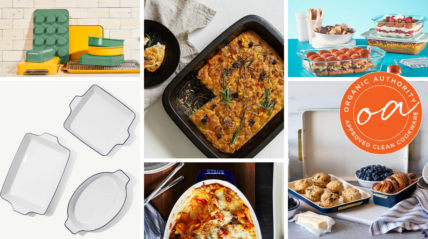
Credit: www.organicauthority.com
Frequently Asked Questions
What Is The Safest Non-toxic Bakeware Material?
Ceramic, glass, and stainless steel are the safest non-toxic bakeware materials. They do not release harmful chemicals when heated. These materials are durable, easy to clean, and maintain food’s natural flavors.
Is Silicone Bakeware Truly Non-toxic And Safe?
Yes, high-quality silicone bakeware is non-toxic and safe for baking. It resists heat up to 450°F and does not leach chemicals. Always choose food-grade, BPA-free silicone for the best results.
How Does Ceramic Bakeware Compare To Metal Bakeware?
Ceramic bakeware is non-toxic and evenly distributes heat, preventing hotspots. Unlike some metal pans, it doesn’t react with acidic foods. Ceramic is a great choice for safe and consistent baking.
Can Glass Bakeware Release Harmful Substances During Baking?
No, glass bakeware is non-toxic and inert. It doesn’t release chemicals or interact with food, even at high temperatures. Glass is safe for oven use and keeps food flavors pure.
Conclusion
Choosing the right non-toxic bakeware keeps your food safe and tasty. Materials like ceramic, glass, and silicone offer healthy baking options. They do not release harmful chemicals when heated. These options also last long and clean easily. Use bakeware that fits your cooking style and budget.
Safe bakeware helps you enjoy homemade meals with peace of mind. Start baking healthier today with the best non-toxic bakeware. Simple steps make a big difference in your kitchen.

Hello, This is Annie Walker, a 38-year-old blogger, founder, and editor of Cookware Guider from NY, USA. I am a cookware fanatic and passionate cooker. I love to cook with different types of cooking appliances (example: all types of cookware, rice cookers, slow cookers, etc) almost every day in my kitchen. I love to share my experience with my readers in my blog. Also, I enjoy helping people to solve their problems through my website. You can follow me on Twitter & Pinterest. To know details about my blog please check the about us page.