
Are you tired of stubborn stains and greasy spots ruining the look of your cooktop? Cleaning your cooktop doesn’t have to be a frustrating chore.
Imagine sliding your hand over a spotless, shiny surface that looks and feels brand new. In this guide, you’ll discover the best way to clean your cooktop quickly and easily, saving you time and effort. Keep reading to unlock simple tips that will transform your cooking space and make cleaning less of a hassle.
Your cooktop deserves to shine—and you deserve an easy solution.

Credit: www.youtube.com
Types Of Cooktops
Cooktops come in different types, each with unique features and cleaning needs. Understanding your cooktop type helps you clean it safely and effectively. Here are the main types found in most kitchens.
Gas Cooktops
Gas cooktops have burners with open flames. Grease and food spills can build up around the burners. Cleaning requires removing grates and burner caps. Use warm, soapy water and a soft brush. Avoid harsh chemicals that can damage parts.
Electric Cooktops
Electric cooktops have coil burners or smooth tops. Coil burners need cleaning under and around the coils. Smooth tops require gentle cleaning with non-abrasive pads. Use a mild cleaner to avoid scratches and stains.
Induction Cooktops
Induction cooktops use magnetic heat under a smooth surface. They heat up quickly but stay cool to the touch. Clean spills immediately with a soft cloth. Avoid abrasive cleaners to keep the surface shiny and scratch-free.
Ceramic And Glass Cooktops
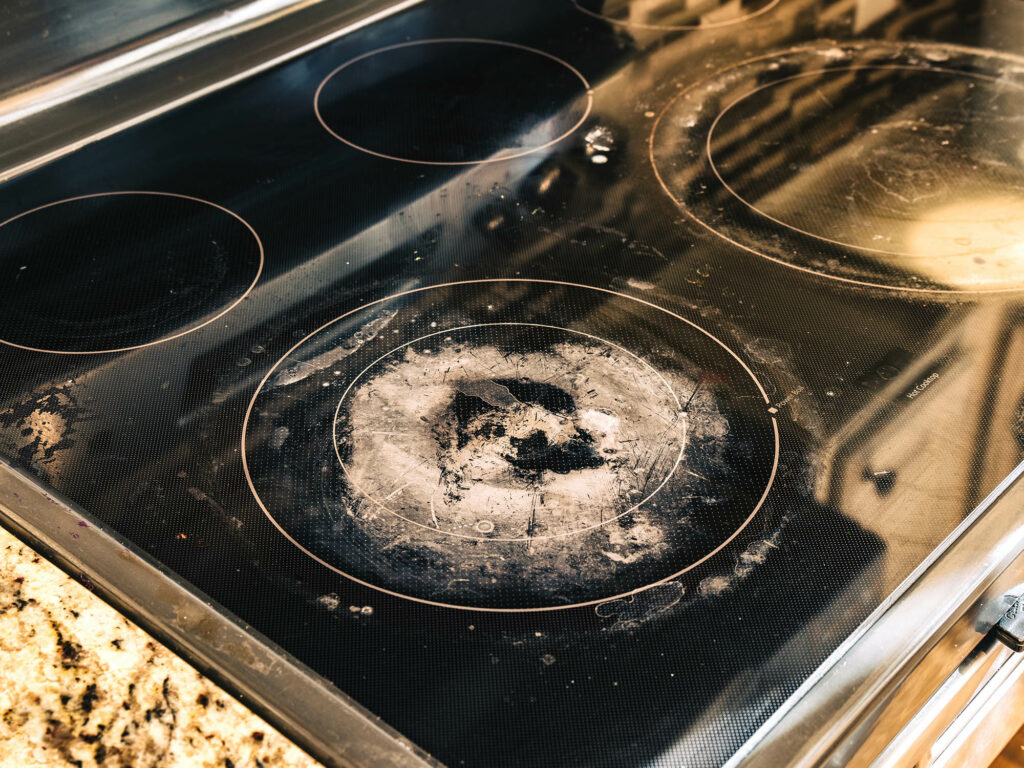
Ceramic and glass cooktops have flat, smooth surfaces. Dirt and spills can bake onto the surface if left too long. Use special cooktop cleaners and a soft scraper for tough spots. Regular cleaning keeps them looking clear and new.

Credit: www.youtube.com
Essential Cleaning Tools
Cleaning a cooktop is easier with the right tools. These tools help remove grease, spills, and stains safely. Using proper tools protects your cooktop and keeps it shiny.
Soft Cloths And Sponges
Soft cloths and sponges are gentle on the cooktop surface. They clean without scratching glass or ceramic tops. Microfiber cloths work well to pick up dust and dirt. Use a damp sponge for sticky spots. Avoid rough materials that can damage the surface.
Scrapers And Brushes
Scrapers remove burnt food and tough stains effectively. Use plastic or silicone scrapers to avoid scratches. Small brushes help clean around burners and knobs. They reach tight spaces where dirt hides. Always scrape gently to protect your cooktop.
Cleaning Solutions To Use
Choose cleaners made for cooktops or gentle all-purpose options. Avoid harsh chemicals that can harm the surface. Vinegar and baking soda work well as natural cleaners. Spray the solution, let it sit, then wipe clean. Test new cleaners on a small area first.
Protective Gloves
Wear protective gloves to keep hands safe from chemicals. Gloves also prevent skin dryness and irritation. Use rubber or latex gloves for better grip. Gloves help you clean more thoroughly without worry.
Daily Cleaning Tips
Keeping a cooktop clean every day helps it look great and work well. Small habits prevent tough stains and buildup. Daily care saves time and effort later.
Follow these easy tips to keep your cooktop fresh and spotless.
Wiping Spills Immediately
Clean spills as soon as they happen. Hot spills can stick and become hard to remove. Use a soft cloth or paper towel to wipe the mess. This stops stains and keeps the surface smooth.
Using Mild Detergents
Choose gentle soaps for cleaning your cooktop. Harsh chemicals can damage the surface. Mix a small amount of mild detergent with warm water. It cleans well without causing harm.
Avoiding Abrasive Materials
Do not use rough scrubbers or steel wool. They scratch and ruin the cooktop finish. Soft sponges or microfiber cloths work best. They clean gently and protect your cooktop.
Deep Cleaning Techniques
Deep cleaning a cooktop keeps it safe and working well. Dirt and grease can build up over time. This makes cooking harder and can cause smells. Regular deep cleaning removes tough stains and grime. It also keeps the cooktop looking new. Use these simple steps for a clean, fresh cooktop.
Removing Stubborn Stains
Stubborn stains need strong but safe cleaners. Make a paste with baking soda and water. Spread the paste on the stains. Let it sit for 15 minutes. Then, scrub gently with a soft sponge or cloth. Avoid harsh scrubbing to protect the cooktop surface. Wipe clean with a damp cloth. Repeat if needed for tough stains.
Cleaning Burner Grates And Knobs
Remove grates and knobs carefully before cleaning. Soak them in warm, soapy water for 20 minutes. Use a soft brush to scrub off dirt and food. Rinse with clean water and dry well. For metal grates, a vinegar soak helps remove grease. Clean knobs with a cloth dipped in soapy water. Dry everything before placing them back.
Dealing With Grease Buildup
Grease buildup can block burners and cause smoke. Spray a degreaser or vinegar on greasy areas. Let it sit for 10 minutes to loosen grease. Wipe off with a clean cloth or sponge. For thick grease, use a plastic scraper gently. Avoid metal tools that can scratch. Finish by wiping the cooktop with a damp cloth.
Natural Cleaning Remedies
Natural cleaning remedies are safe and effective for cooktops. They avoid harsh chemicals that can harm your surface or health. These methods use simple ingredients found in most homes. They clean well without leaving strong smells or residues. Using natural solutions can save money and reduce waste.
Try these easy remedies to keep your cooktop spotless and shiny. Each uses natural items to break down grease and grime gently.
Baking Soda And Vinegar
Baking soda and vinegar create a powerful cleaning duo. Sprinkle baking soda on the cooktop surface. Spray or pour a little vinegar over it. The mixture fizzes and loosens dirt and grease. Let it sit for 10-15 minutes. Wipe with a damp cloth or sponge. Rinse and dry for a sparkling finish.
Lemon Juice Applications
Lemon juice is a natural degreaser and freshener. Squeeze lemon juice onto stains or greasy spots. Let it sit for a few minutes. Scrub gently with a soft cloth or sponge. The acid in lemon juice breaks down tough stains. Wipe clean with warm water and dry. Lemon also leaves a fresh, clean scent.
Salt Scrubs For Tough Spots
Coarse salt works as a gentle abrasive for stubborn spots. Sprinkle salt on the cooktop’s dirty areas. Use a damp cloth or sponge to rub the salt in circles. This helps lift burnt-on food and grease without scratching. Rinse the surface with warm water. Dry the cooktop with a soft towel for best results.
Credit: barkeepersfriend.com
Preventive Measures
Keeping your cooktop clean starts with prevention. Small habits protect it from stains and damage. These steps save time and effort later. They keep your cooktop looking new and working well.
Using Cooktop Protectors
Cooktop protectors are thin mats placed over burners. They catch spills and crumbs. Cleaning these mats is easier than scrubbing the cooktop. They stop food from burning onto the surface. Use protectors made for your cooktop type.
Regular Maintenance Schedule
Set a routine to clean your cooktop. Wipe it after every use with a soft cloth. Deep clean once a week with mild detergent. Regular care prevents build-up and tough stains. It also helps spot small problems early.
Avoiding Damage From Heavy Pots
Heavy pots can scratch or crack the cooktop. Lift pots instead of sliding them around. Use pots with flat bottoms for better contact. Avoid dropping or banging cookware on the surface. Gentle handling keeps the cooktop safe and intact.
Common Mistakes To Avoid
Cleaning your cooktop might seem simple. Yet, many make mistakes that can damage it or reduce its lifespan. Avoid these errors to keep your cooktop safe and shiny.
Using Harsh Chemicals
Strong cleaners can harm the cooktop surface. They may cause discoloration or dullness. Choose gentle cleaners made for cooktops. Natural options like vinegar and baking soda work well. Always test any cleaner on a small spot first.
Scratching The Surface
Scratches ruin the smooth look of your cooktop. Avoid steel wool or rough scrubbers. Use soft cloths or non-abrasive sponges instead. Scrape off burnt food carefully with a plastic scraper. Protect the surface by cleaning regularly.
Neglecting Regular Cleaning
Dirt and spills build up over time. This makes cleaning harder and less effective. Clean your cooktop after every use. Wipe spills quickly before they dry. Regular care keeps your cooktop looking new and working well.
Frequently Asked Questions
How Do I Clean A Glass Cooktop Effectively?
Use a soft cloth with a specialized glass cooktop cleaner. Avoid abrasive materials to prevent scratches. Clean spills immediately to avoid staining. For tough spots, use a razor scraper gently at a 45-degree angle.
What Household Items Work Best To Clean Cooktops?
Baking soda and vinegar are safe and effective for cleaning cooktops. Mix baking soda with water to form a paste. Apply it to stains, then spray vinegar. Wipe with a soft cloth for a sparkling surface.
How Often Should I Clean My Cooktop?
Clean your cooktop after every use to maintain hygiene. Deep clean once a week to remove buildup. Regular cleaning prevents stains and extends the cooktop’s lifespan, keeping it in optimal condition.
Can I Use Abrasive Cleaners On My Cooktop?
No, avoid abrasive cleaners as they can scratch the surface. Use non-abrasive, gentle cleaners designed for cooktops. This keeps the surface smooth and prevents damage or dullness.
Conclusion
Cleaning your cooktop does not have to be hard. Use gentle cleaners and soft cloths for best results. Regular cleaning stops dirt from building up. Small efforts keep your cooktop shiny and new. Avoid harsh chemicals that can damage the surface.
Always clean spills quickly to save time later. A clean cooktop makes cooking more enjoyable and safe. Simple steps lead to a cleaner kitchen every day. Keep your cooktop neat and enjoy cooking more.

Hello, This is Annie Walker, a 38-year-old blogger, founder, and editor of Cookware Guider from NY, USA. I am a cookware fanatic and passionate cooker. I love to cook with different types of cooking appliances (example: all types of cookware, rice cookers, slow cookers, etc) almost every day in my kitchen. I love to share my experience with my readers in my blog. Also, I enjoy helping people to solve their problems through my website. You can follow me on Twitter & Pinterest. To know details about my blog please check the about us page.