
Have you ever noticed scratches on your enamel cookware and wondered if it’s still safe to use? You’re not alone.
Scratched enamel pots and pans can raise concerns about your health and the quality of your meals. Before you toss them out or keep cooking, it’s important to understand what those scratches really mean for your safety and kitchen. Keep reading to find out how scratched enamel cookware affects your food and what steps you should take to protect yourself and your family.
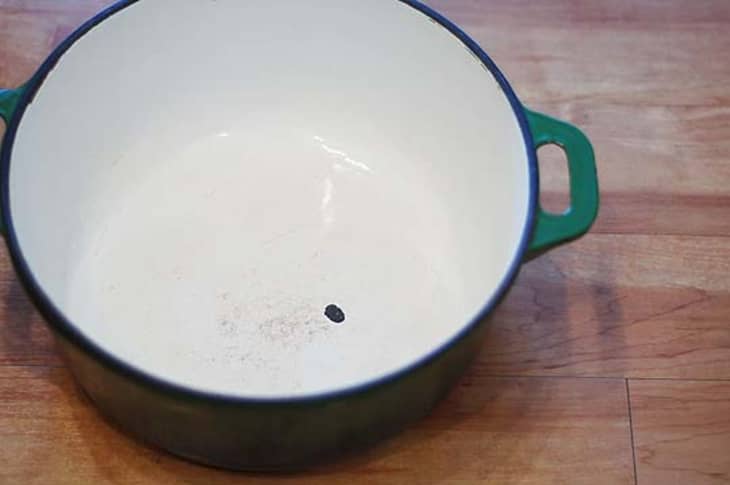
Credit: www.thekitchn.com
Enamel Cookware Basics
Enamel cookware is popular in many kitchens for its colorful appearance and easy cleaning. Understanding the basics of enamel cookware helps in deciding if scratched enamel cookware is safe. This section explains what enamel coating is and how enamel cookware is commonly used in cooking.
What Is Enamel Coating
Enamel coating is a smooth, hard layer made from melted glass. It covers metal cookware, usually cast iron or steel, to protect it from rust and damage. The coating also creates a non-reactive surface, which means food does not touch the metal directly.
Here are key points about enamel coating:
- Made by fusing powdered glass to metal at high temperatures
- Creates a shiny, colorful finish
- Prevents rust and corrosion
- Non-stick and easy to clean
- Does not react with acidic or alkaline foods
The enamel layer is thick and durable but can chip or crack if dropped or hit hard. When scratched, the exposed metal underneath may rust or react with food. Understanding enamel coating helps in using cookware safely and maintaining it well.
| Feature | Description |
|---|---|
| Material | Glass powder fused to metal surface |
| Purpose | Protects metal, prevents rust, adds color |
| Durability | Strong but can chip or crack |
| Food Safety | Non-reactive, safe for acidic foods |
Common Uses In Cooking
Enamel cookware is versatile and fits many cooking tasks. Its ability to heat evenly and hold heat well makes it a favorite in kitchens. The enamel surface works well for different cooking methods.
Common uses include:
- Simmering and braising: Enamel pots keep heat steady for slow cooking.
- Baking: Enamel pans go from stovetop to oven safely.
- Searing and frying: Smooth surface prevents food from sticking easily.
- Serving: Colorful enamel cookware can be used as serving dishes.
Enamel cookware suits recipes that need gentle heat or long cooking times. It handles acidic foods like tomato sauce without damage. Clean-up is simple because food rarely sticks to the smooth surface.
Here is a quick look at enamel cookware uses:
| Cooking Method | Benefits of Enamel Cookware |
|---|---|
| Simmering | Maintains consistent heat |
| Baking | Safe for oven use |
| Searing | Non-stick surface |
| Serving | Attractive presentation |

Credit: www.reddit.com
Causes Of Scratches
Scratched enamel cookware raises concerns about safety and durability. Understanding what causes these scratches helps in preventing damage and extending the life of your pots and pans. Enamel coatings are delicate and can chip or scratch easily. Everyday activities and care habits often lead to visible marks on the surface. Recognizing these causes allows better handling and maintenance of your cookware.
Everyday Wear And Tear
Everyday use naturally wears down enamel cookware. Constant cooking, moving, and stacking create friction that slowly scratches the surface. Even careful handling cannot stop minor scratches from forming over time. These small abrasions build up, making the enamel look dull or damaged.
Common factors contributing to everyday wear and tear include:
- Stirring food with rough or abrasive tools.
- Stacking cookware without protective layers.
- Placing pots and pans on rough surfaces.
- Frequent heating and cooling cycles causing micro-cracks.
The table below shows typical activities and their impact on enamel:
| Activity | Effect on Enamel |
|---|---|
| Regular stirring | Minor scratches and wear |
| Stacking without protection | Scratches from contact points |
| Cleaning with abrasive pads | Surface dulling and scratches |
| Placing on rough surfaces | Chips and cracks |
Wear and tear is unavoidable but can be minimized with gentle use and care.
Improper Cleaning Techniques
Cleaning enamel cookware incorrectly causes scratches and damages its finish. Harsh scrubbing, abrasive cleaners, and dishwashers can harm the enamel coating. Using rough brushes or steel wool removes the smooth surface, exposing the metal underneath. This leads to faster wear and possible rust.
Common cleaning mistakes include:
- Scrubbing with steel wool or metal brushes.
- Using strong chemical cleaners or bleach.
- Putting enamel cookware in the dishwasher frequently.
- Not soaking burnt food before cleaning.
Follow this simple cleaning guide to protect enamel:
- Use soft sponges or cloths.
- Choose mild dish soap and warm water.
- Soak stuck-on food before scrubbing gently.
- Hand wash instead of dishwasher use.
Proper cleaning keeps the enamel smooth and shiny for years. Avoid harsh methods that cause scratches and chips.
Use Of Metal Utensils
Metal utensils are a common cause of scratches on enamel cookware. Hard edges and sharp points scrape the surface during stirring or serving. These scratches weaken the enamel and can lead to chipping. Over time, this damage worsens and reduces the cookware’s lifespan.
Types of utensils that damage enamel:
- Metal spoons and forks
- Sharp knives used inside the pot
- Metal spatulas with rough edges
Better utensil choices include:
- Wooden spoons
- Silicone spatulas
- Plastic or nylon tools designed for cookware
These materials are gentle on enamel and prevent scratches. Using metal tools can cause:
- Visible scratches and surface dullness
- Small chips that expose the base metal
- Faster degradation of the cookware
Switching to softer utensils helps keep enamel cookware safe and functional longer.
Health Implications
Scratched enamel cookware raises important questions about safety and health. Enamel is a smooth, glass-like coating fused to metal. It protects the base metal and makes cookware non-reactive. When the enamel cracks or chips, the metal underneath may show. This can affect how safe the cookware is for daily use. Understanding the health implications helps decide whether to keep using scratched enamel pots or pans.
Potential Exposure To Base Metals
Enamel covers metals like cast iron, steel, or aluminum. When enamel is scratched, these base metals can be exposed. This exposure creates a few health concerns:
- Metal leaching: Acidic or salty foods might react with exposed metal.
- Corrosion risk: Scratches let moisture reach metal, causing rust or corrosion.
- Metal taste: Food may develop a metallic flavor due to metal contact.
Some base metals are safer than others. For example, cast iron releases small amounts of iron, which the body needs. Aluminum and steel can sometimes leach metals that may irritate the stomach or cause allergic reactions in sensitive people.
| Base Metal | Health Risk | Comments |
|---|---|---|
| Cast Iron | Low | Iron leaching is minimal and often beneficial |
| Steel | Medium | Possible nickel or chromium exposure for sensitive individuals |
| Aluminum | Higher | May react with acidic foods, causing irritation |
Using scratched enamel cookware may increase exposure to these metals. Repeated exposure could affect health, especially in people with metal allergies or sensitivities.
Risks Of Ingesting Enamel Particles
Chipped or cracked enamel can release tiny particles into food. This raises concerns about swallowing enamel fragments:
- Physical irritation: Sharp fragments might hurt the mouth, throat, or stomach lining.
- Digestive issues: Enamel particles may cause mild discomfort or blockages in rare cases.
- Long-term effects: Little research exists on the effects of regularly ingesting enamel bits.
Enamel is made mainly from glass-like materials, which are hard but brittle. Swallowing small amounts usually passes through the digestive system without harm. However, larger flakes might irritate tissues.
To reduce risks:
- Inspect cookware regularly for chips or cracks.
- Stop using cookware with large or sharp enamel damage.
- Choose enamel cookware with thicker, high-quality coatings.
Careful handling and cleaning also help prevent enamel damage and particle ingestion.
Toxicity Concerns
Toxicity from scratched enamel cookware mainly depends on the materials used in the enamel and base metal. Traditional enamel coatings contain:
- Silica (glass)
- Metal oxides (color pigments)
- Lead or cadmium in older or low-quality products
Modern cookware usually avoids toxic metals like lead or cadmium. Still, damaged enamel might expose underlying layers or pigments that could be harmful.
| Substance | Potential Toxicity | Notes |
|---|---|---|
| Lead | High | Can cause poisoning, banned in modern cookware |
| Cadmium | High | Carcinogenic, rarely used now |
| Silica | Low | Generally inert, non-toxic |
| Metal oxides | Low to Medium | Depends on type; usually safe in small amounts |
Using scratched enamel cookware from unknown or old sources may risk exposure to harmful substances. New, certified enamel cookware reduces this risk. Always check labels and manufacturer details.
Overall, toxicity risks rise with the severity of enamel damage and the cookware’s age or quality.
Performance Impact
Scratched enamel cookware often raises concerns about safety and performance. Beyond health, scratches can affect how well your pots and pans work. Understanding the performance impact helps you decide if your cookware still meets your cooking needs. Scratches may change heat behavior, cause food to stick, and reduce the cookware’s lifespan. These changes can make cooking harder and less enjoyable.
Heat Distribution Changes
Enamel coating helps spread heat evenly across the cookware surface. Scratches break this smooth layer, creating uneven spots. This leads to hot and cold areas on the pan, which affect cooking quality.
- Hot spots: Scratched areas may heat faster, burning food.
- Cold spots: Uncoated metal parts may stay cooler, causing uneven cooking.
The metal underneath the enamel heats differently than the coated part. This difference causes the pan to lose its uniform heat distribution. Cooking foods evenly becomes a challenge. You might notice some parts of your food are overcooked, while others are undercooked.
| Aspect | Effect of Scratches |
|---|---|
| Heat transfer | Less consistent, with irregular heating zones |
| Cooking time | Longer or uneven, requiring more attention |
| Energy use | Potentially higher due to inefficiency |
Such heat distribution changes mean you need to watch your cooking more closely. Adjusting heat levels frequently becomes necessary. Scratched enamel cookware may no longer perform like new.
Food Sticking Issues
The smooth enamel surface normally prevents food from sticking. Scratches roughen this surface, causing food to cling more easily. This makes cooking and cleaning harder.
Sticky food can burn and leave tough residues. You might spend extra time scraping or soaking your cookware. This also risks damaging the enamel further.
- Scratched areas create tiny grooves where food particles lodge.
- Sticky spots increase with use and higher heat.
- Delicate foods like eggs and fish stick more on scratched cookware.
Sticking food can affect your meals in these ways:
- Food tears apart when flipping or stirring.
- Uneven cooking due to stuck areas.
- Loss of flavor and texture.
To reduce sticking, use more oil or lower heat settings. Even with these steps, the experience is less smooth than with intact enamel. Scratched enamel cookware might not be the best choice for sticky or delicate dishes.
Durability Reduction
Enamel protects the metal core from rust and damage. Scratches expose the metal, which weakens the cookware over time. This exposure reduces durability and shortens the cookware’s life.
Metal exposed through scratches can:
- Corrode and rust quickly.
- Warp or crack with repeated heating and cooling.
- Weaken structural integrity.
Repeated use of scratched cookware can lead to:
| Issue | Impact on Cookware |
|---|---|
| Rust formation | Unprotected metal corrodes, causing holes |
| Cracking | Thermal stress worsens enamel damage |
| Warping | Uneven surfaces, harder to cook on |
Durability loss means you may replace your cookware sooner. Scratches reduce the protective enamel’s strength. This leads to faster wear and less reliable cooking tools.
Proper care can slow damage, but deep scratches often signal the need for new cookware. Maintaining enamel coatings helps keep cookware performance and safety intact.
Safety Tips For Scratched Cookware
Scratched enamel cookware raises important questions about safety and care. While minor scratches may not pose a serious health risk, maintaining your cookware properly is key. Follow these safety tips to use scratched enamel pots and pans without worry. Proper care extends cookware life and keeps your food safe.
When To Replace Enamel Cookware
Not all scratches mean it is time to toss your enamel cookware. Look closely at the damage to decide if replacement is necessary. Here are signs that show you should replace your cookware:
- Deep chips or cracks expose the metal underneath. This can cause rust and affect cooking safety.
- Large areas of missing enamel reduce the cookware’s non-stick and heat distribution properties.
- Rust spots form where enamel has worn away. Rust can contaminate food and change taste.
- Sharp edges or flakes of enamel can break off into food, posing a choking risk.
Use this table to check your cookware’s condition:
| Condition | Action |
|---|---|
| Minor surface scratches only | Safe to continue using with care |
| Small chips without rust | Use carefully; avoid high heat; monitor closely |
| Large chips, cracks, or rust spots | Replace cookware immediately |
Replace cookware promptly if the damage exposes the metal or causes rust. Using damaged enamel cookware may affect food safety and cooking quality.
Safe Cleaning Practices
Cleaning scratched enamel cookware carefully helps keep it safe and extends its life. Avoid harsh cleaning methods that worsen scratches or remove enamel. Follow these tips:
- Use mild dish soap and warm water for routine cleaning.
- Soft sponges or cloths prevent further scratching during washing.
- Avoid abrasive cleaners like steel wool or harsh scouring pads.
- For stuck-on food, soak the cookware in warm soapy water before cleaning.
- Dry thoroughly to prevent rust on exposed metal areas.
- For stubborn stains, use baking soda paste (baking soda mixed with water) and gently scrub with a soft cloth.
Here is a simple cleaning routine to protect your enamel cookware:
- Rinse cookware with warm water.
- Apply mild dish soap.
- Scrub gently with a soft sponge.
- Soak if food is stuck.
- Rinse and dry completely.
Following these steps avoids damage and keeps your cookware safe for cooking.
Using Non-metal Utensils
Metal utensils can cause or worsen scratches on enamel cookware. To protect your pots and pans, use non-metal utensils. These reduce the risk of chipping and scratching. Options include:
- Silicone utensils – flexible and gentle on enamel surfaces
- Wooden spoons and spatulas – sturdy and safe for enamel
- Plastic or nylon tools – avoid high heat to prevent melting
Benefits of using non-metal utensils:
- Prevents new scratches and chips
- Keeps enamel surface smooth for even cooking
- Extends cookware lifespan
- Maintains cookware appearance
Keep these tips in mind:
- Do not use metal scrapers or knives on enamel surfaces.
- Replace worn or rough wooden utensils to avoid rough edges.
- Check plastic utensils for heat resistance before use.
Using the right utensils protects your cookware and food safety. It also saves money by reducing the need to replace damaged cookware.
Alternatives To Enamel Cookware
Scratched enamel cookware can raise safety concerns, especially if the coating chips and exposes the metal underneath. Many people prefer to avoid these worries by choosing other types of cookware. Alternatives to enamel cookware offer durability, safety, and different cooking benefits. These options suit various cooking styles and budgets. Below are some popular alternatives that work well for everyday cooking.
Cast Iron Options
Cast iron cookware is a classic choice for those seeking durability and excellent heat retention. It can last for decades with proper care. Cast iron heats evenly and maintains temperature well, which is great for frying, baking, and slow cooking.
Benefits of cast iron:
- Extremely durable and long-lasting
- Improves with seasoning, creating a natural non-stick surface
- Suitable for high-heat cooking
- Can go from stovetop to oven easily
Maintaining cast iron involves regular seasoning. This process builds a protective layer that prevents rust and enhances cooking. Avoid soaking cast iron in water and dry it quickly after washing.
| Cast Iron Type | Use | Care Tips |
|---|---|---|
| Traditional Cast Iron | Frying, searing, baking | Season regularly, avoid soap |
| Enameled Cast Iron | Simmering, slow cooking | Can use soap, avoid metal utensils |
Stainless Steel Choices
Stainless steel cookware is popular for its sleek look and resistance to rust or corrosion. It does not react with acidic or alkaline foods, which keeps flavors pure. This cookware type suits boiling, sautéing, and frying.
Advantages of stainless steel:
- Non-reactive surface for all food types
- Easy to clean and dishwasher safe
- Scratch-resistant and hard-wearing
- Often has an aluminum or copper core for better heat distribution
Stainless steel can sometimes cause food to stick, especially proteins. Using enough oil and preheating the pan can reduce sticking. It works well for browning and searing but requires attention to heat control.
| Grade | Characteristics | Common Uses |
|---|---|---|
| 304 (18/8 or 18/10) | High corrosion resistance, durable | General cooking, frying, boiling |
| 316 | Higher resistance to acids and salt | Marine cooking, acidic foods |
Non-stick Varieties
Non-stick cookware offers convenience with easy food release and simple cleanup. It is ideal for cooking eggs, pancakes, and delicate fish. Many non-stick pans use coatings like PTFE (Teflon) or ceramic.
Non-stick cookware benefits:
- Requires less oil or butter
- Food releases easily, reducing burning
- Lightweight and easy to handle
- Quick to clean, often dishwasher safe
Non-stick coatings can wear out or scratch over time. Use wooden or silicone utensils to protect the surface. Avoid overheating pans as this can damage the coating and release harmful fumes.
| Coating Type | Durability | Best For |
|---|---|---|
| PTFE (Teflon) | Moderate, avoid metal tools | Low-fat cooking, eggs, pancakes |
| Ceramic | More heat resistant, prone to chipping | Medium-heat cooking, sautéing |

Credit: www.reddit.com
Frequently Asked Questions
Is Scratched Enamel Cookware Safe To Use?
Scratched enamel cookware is generally safe if the damage is minor. Avoid cooking with deep chips, as exposed metal may leach into food. Light surface scratches usually don’t affect safety or performance. Inspect cookware regularly and replace if enamel coating is significantly damaged.
Can Scratched Enamel Cookware Affect Food Taste?
Minor scratches in enamel cookware typically don’t change food taste. However, deep scratches exposing metal can cause metallic flavors. Always check for exposed base material and avoid cooking acidic foods in damaged areas to prevent taste alteration and possible health risks.
Does Enamel Damage Cause Harmful Chemical Release?
Enamel is a glass coating and inert, so it doesn’t release chemicals. When scratched, exposed metal underneath may react with food, especially acidic dishes. Avoid using heavily chipped enamel cookware to prevent potential harmful metal leaching into meals.
How To Maintain Enamel Cookware After Scratching?
Clean enamel cookware gently with non-abrasive sponges to prevent further damage. Avoid metal utensils and sudden temperature changes. Minor scratches can be managed by careful use, but deep chips require replacement for safe cooking and durability.
Conclusion
Scratched enamel cookware can still be safe to use. Small scratches usually do not affect the cooking surface much. Avoid deep chips that expose the metal underneath. Cooking on exposed metal may cause rust or release metals into food. Keep enamel pots clean and avoid harsh scrubbing.
Replace cookware if scratches worsen or food sticks to damaged areas. Taking good care helps your cookware last longer and stay safe. Trust your senses; if the pot looks or smells strange, it’s time to change it. Safety in the kitchen matters most.

Hello, This is Annie Walker, a 38-year-old blogger, founder, and editor of Cookware Guider from NY, USA. I am a cookware fanatic and passionate cooker. I love to cook with different types of cooking appliances (example: all types of cookware, rice cookers, slow cookers, etc) almost every day in my kitchen. I love to share my experience with my readers in my blog. Also, I enjoy helping people to solve their problems through my website. You can follow me on Twitter & Pinterest. To know details about my blog please check the about us page.