
Pan-fried salmon is a favorite for many home cooks and restaurant chefs. It’s quick, healthy, and delivers wonderful flavor and texture. If you want to cook salmon at home but feel unsure, you’re not alone. Many beginners worry about overcooking, sticking, or getting the skin crispy enough.
But with a few clear steps, you can master pan frying salmon and enjoy a delicious meal anytime.
Salmon is not just tasty; it’s also rich in omega-3 fatty acids, high-quality protein, and essential vitamins. According to the USDA, a 3-ounce serving of cooked salmon contains around 17 grams of protein and more than 1,000 mg of omega-3s. Whether you choose wild-caught or farmed, salmon brings both nutrition and versatility to your kitchen.
This guide will explain everything you need to know about pan frying salmon. You’ll learn how to pick the right fish, prepare it properly, choose the best pan, and avoid common mistakes. We’ll also cover seasoning, cooking times, practical tips, and ways to serve your salmon.
By the end, you’ll feel confident pan frying salmon and impressing your family or friends.
Choosing The Right Salmon
Picking the right salmon is the first step to a great meal. Not all salmon is equal, and your choice affects taste, texture, and health benefits.
Types Of Salmon
There are several main types you’ll find in stores:
- Atlantic salmon – Usually farmed. Milder flavor and softer texture.
- Sockeye salmon – Wild-caught. Deep red color, strong taste.
- King (Chinook) salmon – Wild or farmed. High fat, rich taste.
- Coho salmon – Milder than sockeye, firmer than Atlantic.
- Pink salmon – Often canned, less common for pan frying.
Wild salmon is usually firmer and has a stronger flavor. Farmed salmon is softer and milder but often cheaper. Both work well for pan frying, but wild salmon is preferred by chefs for its texture.
Fresh Vs Frozen
Fresh salmon is best if you can find it, but frozen is a good option too. When buying frozen, look for fillets with no ice crystals or freezer burn. Thaw frozen salmon in the fridge overnight—not at room temperature.
Skin On Or Skin Off
For pan frying, skin-on fillets are ideal. The skin protects the fish from overcooking and helps achieve a crispy finish. If you don’t like skin, you can remove it after cooking.
What To Look For
Choose salmon that’s:
- Bright in color (not dull or gray)
- Firm to the touch (not mushy)
- No strong fishy smell (should smell fresh)
If buying pre-cut fillets, look for even thickness. This helps the fish cook evenly.
Preparing Salmon For Pan Frying
Preparation is key. Many people skip steps and end up with dry or unevenly cooked fish.
Portion Size
For a main dish, each person usually gets a fillet weighing 4–6 ounces. This is enough for a satisfying meal and cooks quickly.
Drying The Fish
Pat your salmon dry with paper towels. Moisture on the surface can cause sticking and prevents crisping. This step is often missed by beginners.
Removing Pin Bones
Some fillets have small bones called pin bones. Run your fingers along the fillet to feel for them. Use tweezers to pull them out.
Seasoning
Simple seasoning works best for pan fried salmon:
- Salt and pepper (basic, classic)
- Lemon zest or juice
- Garlic powder
- Fresh herbs (dill, parsley, thyme)
Avoid heavy sauces before frying; they can burn in the pan.
Marinating
You can marinate salmon for extra flavor, but keep it light. A quick marinade (15–30 minutes) with olive oil, lemon, and herbs is enough. Avoid acidic marinades for more than 30 minutes—they can “cook” the fish and change the texture.
Choosing The Best Pan
Your choice of pan affects how well salmon cooks and how easy cleanup is.
Common Pan Types
| Pan Type | Pros | Cons |
|---|---|---|
| Nonstick | Easy release, less sticking | Not ideal for crisp skin |
| Stainless Steel | Better browning, crispy skin | Can stick if not used properly |
| Cast Iron | Even heat, crisp skin | Heavy, needs seasoning |
A well-seasoned cast iron or stainless steel pan gives the best results. Nonstick pans are easier for beginners but may not crisp the skin as well.
Pan Size
Pick a pan that fits your fillets without overcrowding. Crowding lowers the temperature and prevents proper browning.
Pan Frying Salmon: Step-by-step
Let’s walk through the process. Follow these steps for juicy, crisp salmon every time.
Step 1: Bring Salmon To Room Temperature
Remove salmon from the fridge about 15–20 minutes before cooking. This helps it cook evenly.
Step 2: Heat The Pan
Place your pan over medium-high heat. Add 1–2 tablespoons of oil (olive oil, avocado oil, or canola oil). Let the oil heat until shimmering, but not smoking.
Step 3: Add Salmon, Skin Side Down
Place the fillet in the pan skin side down. Press lightly with a spatula for the first 10 seconds to prevent curling.
Step 4: Leave It Alone
Don’t move the salmon. Let it cook undisturbed to crisp the skin. Depending on thickness, cook 4–5 minutes for a thin fillet and 6–8 minutes for thick.
Step 5: Flip Gently
Use a thin spatula to flip the salmon. Cook for another 2–4 minutes. The flesh should turn opaque and easily flake.
Step 6: Check Doneness
Salmon is done at 145°F (63°C), but many chefs prefer pulling it at 125–130°F (52–54°C) for a moist, tender center. Use a thermometer or check if the flesh flakes easily.
Step 7: Rest And Serve
Let the salmon rest for 2–3 minutes before serving. This lets juices settle.
Cooking Times Table
| Thickness | Skin Side Down | Flip Side | Total Time |
|---|---|---|---|
| 1/2 inch | 3–4 min | 1–2 min | 4–6 min |
| 1 inch | 5–6 min | 2–3 min | 7–9 min |
| 1.5 inches | 6–8 min | 3–4 min | 9–12 min |
Practical Tips For Perfect Salmon
Many beginners miss these helpful tricks. They make a big difference in taste and texture.
Don’t Overcrowd The Pan
Cook in batches if needed. Overcrowding lowers the pan temperature and causes steaming instead of frying.
Use High-quality Oil
Choose oils with a high smoke point. Olive oil is classic, but avocado or grapeseed oil works well too.
Avoid Overcooking
Salmon cooks quickly. Remove it from the heat just before it’s fully done; it will finish cooking as it rests.
Crispy Skin Secrets
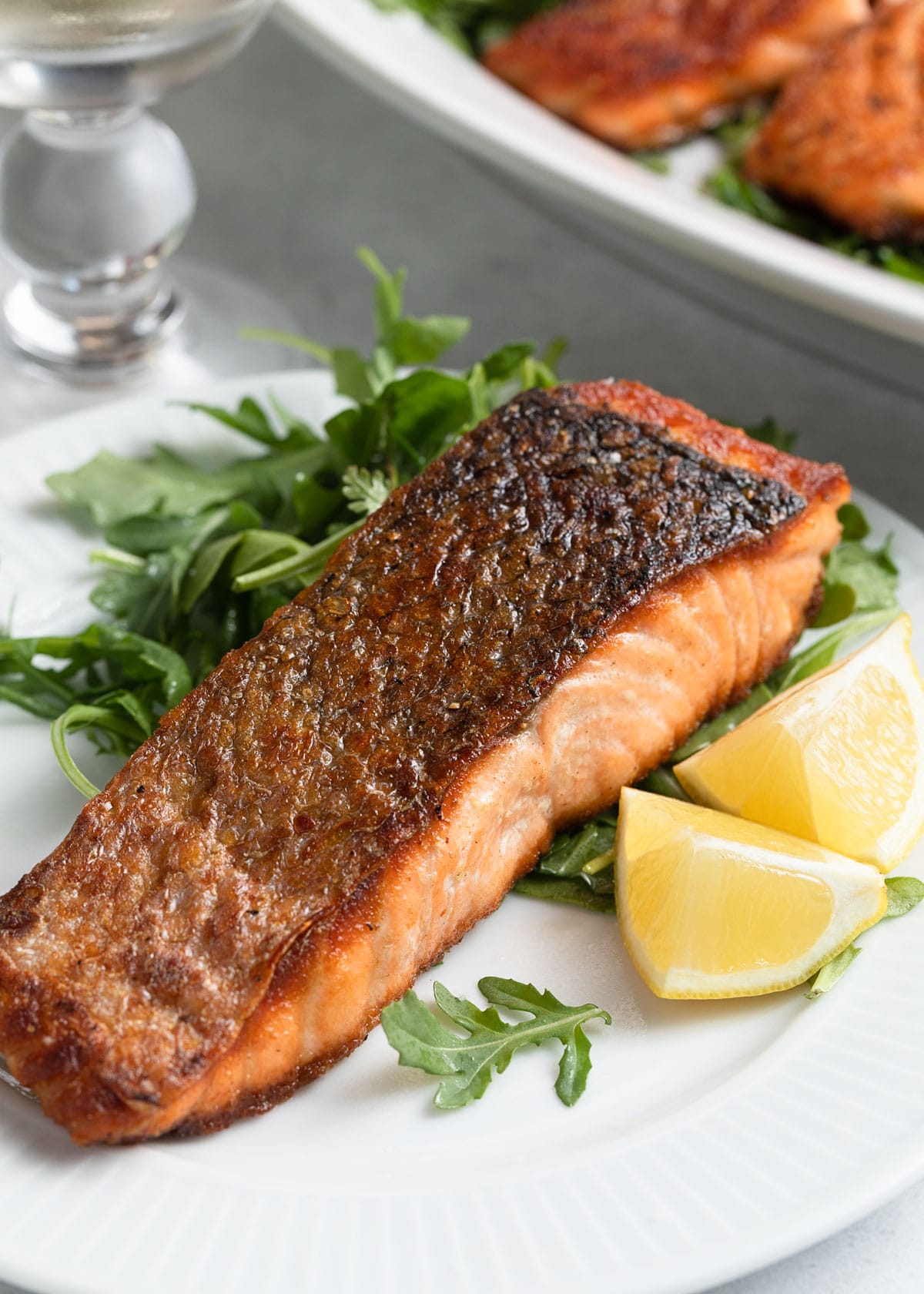
Dry the skin well. Start with skin side down. Don’t flip too soon. Use enough oil to cover the pan.
Let It Rest
Resting helps keep the salmon juicy. Cutting too soon lets the juices escape.
Common Mistakes Table
| Mistake | Result | How to Avoid |
|---|---|---|
| Cold pan | Sticking, pale skin | Preheat pan thoroughly |
| Wet salmon | Steaming, soggy skin | Pat dry before cooking |
| Moving salmon | Skin tears, uneven cook | Leave undisturbed |
| Overcrowding | No crisp, uneven cook | Cook in batches |
| Overcooking | Dry, tough fish | Use thermometer or flake test |
Flavor Variations And Seasoning Ideas
Salmon is delicious with simple salt and pepper, but you can add more flavor with easy variations.
- Lemon and dill: Classic, fresh taste
- Cajun spice: Bold and spicy
- Soy and ginger: Asian-inspired
- Garlic butter: Rich and savory
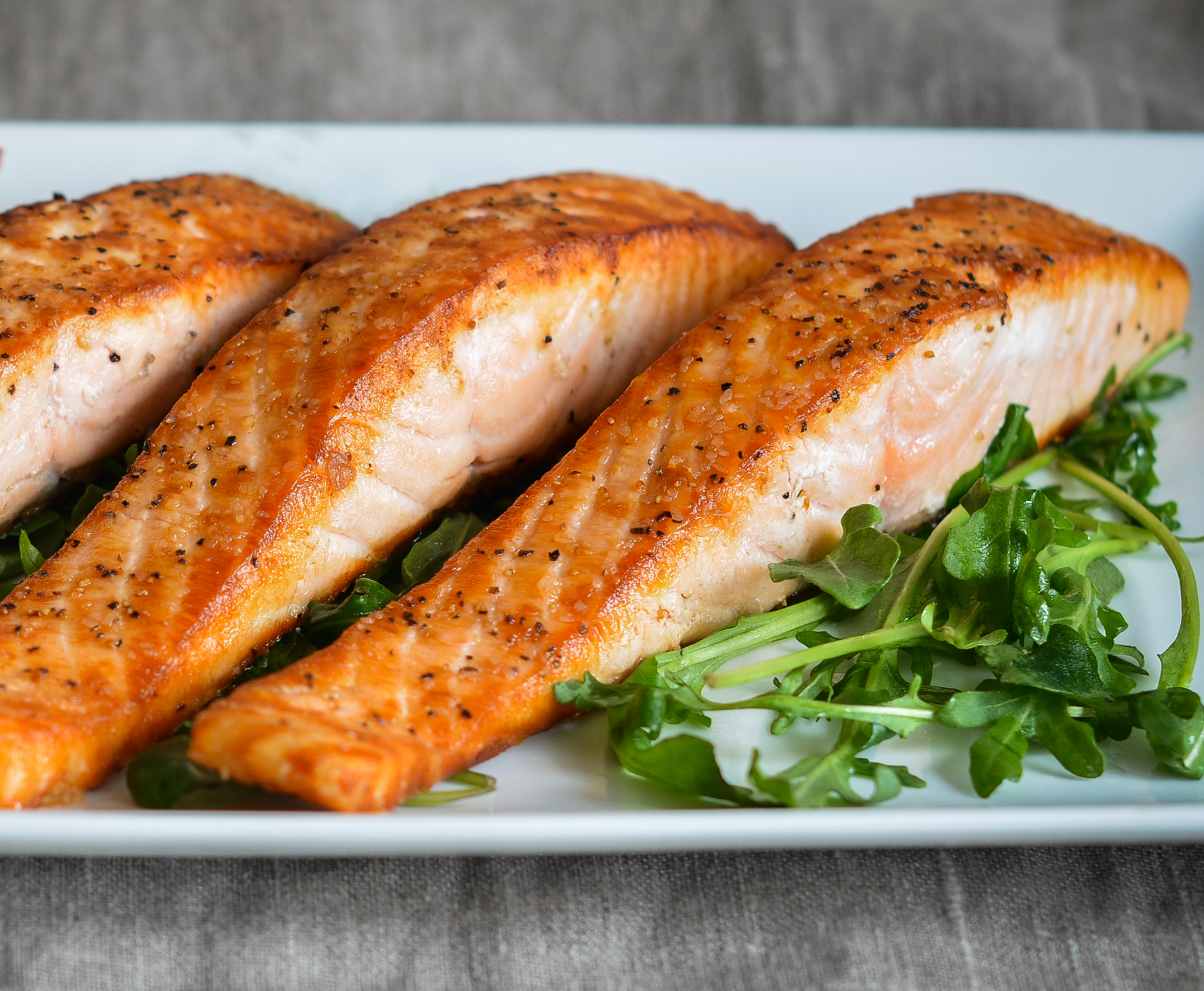
Try mixing dry spices for a homemade rub, or finish with a sauce after cooking. Just avoid wet marinades in the pan—they burn easily.
Credit: www.onceuponachef.com
Serving Suggestions
Pan fried salmon pairs well with many sides. You can serve it hot, cold, or even flaked in salads.
Some favorite options:
- Steamed rice or quinoa
- Roasted vegetables (asparagus, broccoli, carrots)
- Green salad with vinaigrette
- Mashed potatoes or cauliflower
- Lemon wedges for brightness
Salmon also works in tacos, sandwiches, or as a topping for pasta.
Nutritional Benefits
Salmon is one of the healthiest fish you can eat. It provides omega-3s, protein, and vitamins like B12 and D.
- Omega-3s support heart health and brain function.
- Protein helps build and repair muscles.
- Vitamin D boosts bone strength.
According to the American Heart Association, eating fish like salmon twice a week can lower heart disease risk.
How To Store And Reheat Pan Fried Salmon
If you have leftovers, store them correctly to keep them tasty.
Storing
- Let salmon cool to room temperature.
- Place in an airtight container.
- Refrigerate for up to 3 days.
Reheating
- Warm gently in a skillet over low heat.
- Or microwave with a damp paper towel for 30–60 seconds.
Salmon can dry out if reheated too much. It’s also great eaten cold in salads or wraps.
Troubleshooting: What To Do If Things Go Wrong
Even experienced cooks face challenges. Here’s how to fix common issues.
Sticking To The Pan
- Use more oil and a hotter pan next time.
- If stuck, let the salmon cook longer; it often releases as the skin crisps.
Undercooked Center
- Lower the heat and cover the pan for the last minute.
- Use a thermometer to check doneness.
Dry Or Overcooked
- Try cooking less time next batch.
- Pull salmon off the heat a bit earlier.
Soggy Skin
- Dry the skin well before cooking.
- Use high heat and don’t flip too soon.

Credit: cooking.nytimes.com
Advanced Tips For Better Results
For those who want to improve even more:
- Butter Basting: After flipping, add a knob of butter and spoon it over the fish for flavor.
- Herb Infusion: Toss fresh herbs into the pan during the last minute for aroma.
- Double Sear: For extra crispy skin, press the skin gently with a spatula for 30 seconds after adding to the pan.
These techniques can make your salmon taste like it came from a restaurant.
Sustainability And Buying Guide
Salmon is popular worldwide, but overfishing and farming impact the environment. Look for sustainably sourced salmon.
- Wild-caught from Alaska is considered sustainable.
- Farmed salmon with certifications like ASC or MSC is better for the environment.
Check packaging for sustainability labels. If unsure, ask your fishmonger.
For more details on sustainable salmon, visit Seafood Watch.
Credit: stripedspatula.com
Frequently Asked Questions
How Do I Know When Salmon Is Done?
Salmon is ready when it’s opaque and flakes easily. For more accuracy, use a thermometer. Salmon is safe at 145°F, but many prefer the texture at 125–130°F.
Can I Pan Fry Salmon Without The Skin?
Yes. Skinless salmon cooks well but is more likely to break apart. Cook gently and flip only once. For best results, use a nonstick pan.
What Is The Best Oil For Pan Frying Salmon?
Choose oils with a high smoke point like avocado, canola, or grapeseed oil. Olive oil works too, but don’t let it smoke.
Why Does My Salmon Stick To The Pan?
Sticking often happens if the pan isn’t hot enough or the fish is wet. Make sure to preheat the pan and dry the salmon well. Using enough oil also helps.
Can I Use Frozen Salmon For Pan Frying?
Yes, but thaw it completely in the fridge first. Cooking frozen salmon directly may cause uneven cooking and excess moisture.
Pan frying salmon is a simple, rewarding skill. With the right fish, good preparation, and proper technique, you can create a meal that’s both healthy and delicious. Don’t worry about making mistakes—each try teaches you more. Enjoy your salmon and experiment with flavors and sides to make the dish your own.

Hello, This is Annie Walker, a 38-year-old blogger, founder, and editor of Cookware Guider from NY, USA. I am a cookware fanatic and passionate cooker. I love to cook with different types of cooking appliances (example: all types of cookware, rice cookers, slow cookers, etc) almost every day in my kitchen. I love to share my experience with my readers in my blog. Also, I enjoy helping people to solve their problems through my website. You can follow me on Twitter & Pinterest. To know details about my blog please check the about us page.