
Pan frying a hamburger is a classic cooking skill that transforms simple ground beef into a juicy, flavorful meal. Many people think burgers need a grill to taste great, but a pan can produce excellent results with less fuss and more control.
Whether you are new to cooking or want to improve your burger game, learning to pan fry a hamburger is a smart choice. This guide will walk you through every step, from choosing the right meat to serving your finished burger.
You will get practical tips, real examples, and answers to common questions, all explained in clear, simple English.
Choosing The Right Beef For Pan Frying
The first step to a tasty hamburger is selecting quality beef. Most cooks recommend ground beef with a good balance of fat and lean meat. Fat adds flavor and keeps the burger moist.
- Ideal fat content: 80% lean, 20% fat. This ratio creates juicy burgers that hold together well.
- Avoid very lean beef: Burgers made from 90% lean or higher can turn out dry and crumbly.
If possible, buy fresh ground beef from a butcher. Ask for coarsely ground meat, which gives burgers a better texture. For more flavor, some people mix in a small amount of ground pork or lamb.
Comparing Beef Fat Ratios
Here is a simple comparison of common beef fat ratios:
| Beef Ratio | Juiciness | Flavor | Texture |
|---|---|---|---|
| 80/20 | High | Rich | Firm |
| 85/15 | Medium | Balanced | Medium |
| 90/10 | Low | Mild | Dry |
Non-obvious insight: Many beginners focus only on lean meat for health, but a little fat is essential. It’s the fat that gives burgers their classic flavor and texture.
Shaping And Seasoning The Burger Patties
Once you have your beef, shaping and seasoning are next. How you handle the meat affects the burger’s final taste and texture.
- Divide the meat: For standard burgers, use about 4–6 ounces (115–170 grams) per patty. Lightly form the meat into balls.
- Shape the patties: Flatten each ball into a round, about ¾ inch (2 cm) thick. Press gently; do not overwork the meat or it will become tough.
- Make a dimple: Press your thumb gently in the center of each patty. This small dimple helps the burger cook evenly and prevents bulging.
Seasoning Tips
- Salt and pepper: Sprinkle both sides with salt and pepper just before cooking. Early salting can draw moisture out, making the burger dry.
- Optional spices: Garlic powder, onion powder, or smoked paprika can add extra flavor.
- Avoid mixing salt into raw meat: This is a common mistake. Salt will change the meat’s texture and make it mushy.
Some cooks add Worcestershire sauce or a splash of soy sauce for umami. If you use these, mix them lightly and avoid overhandling.
Prepping Your Pan And Tools
Pan frying works best with the right equipment. The choice of pan and tools can affect the burger’s crust and doneness.
Best Pans For Burgers
- Cast iron skillet: Most recommended. It holds heat well, creates a crispy crust, and is easy to use.
- Heavy stainless steel pan: Works well if you do not have cast iron.
- Nonstick pans: Acceptable, but they may not create the same seared crust.
Avoid thin pans; they heat unevenly and can burn your burger.
Essential Cooking Tools
- Spatula: Wide, sturdy, and heatproof. Metal spatulas are best for cast iron.
- Meat thermometer: Helps check doneness accurately.
- Paper towels: For blotting excess oil and cleaning up.
Place your pan on the stove and preheat it over medium-high heat. Let it heat for 5–7 minutes before adding the burgers. This step is often missed by beginners but is crucial for a good crust.
Cooking The Hamburger: Step-by-step
With your pan hot and patties ready, it’s time to cook. Follow these steps for best results.
Step 1: Add Oil
Pour about 1 tablespoon of vegetable oil into the hot pan. Use oils with a high smoke point, such as canola or sunflower oil. Swirl to coat the bottom.
Step 2: Place Patties In The Pan
Gently lay each patty in the pan. Leave space between them so they cook evenly. Do not press the burgers down; this squeezes out juices.
Step 3: Sear The First Side
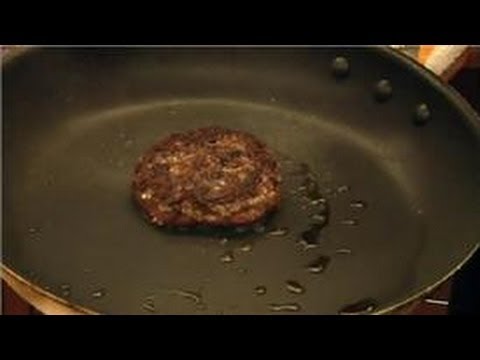
Let the burgers cook undisturbed for 3–4 minutes. You will see juices bubbling on the surface. This time creates a golden-brown crust.
Step 4: Flip The Burger
Using your spatula, flip each patty. Cook another 3–4 minutes for medium doneness. For well-done, cook 5–6 minutes per side.
Step 5: Add Cheese (optional)
If you want a cheeseburger, add a slice of American, cheddar, or Swiss cheese after flipping. Cover the pan with a lid for 1 minute to melt the cheese.
Step 6: Check Doneness
Use a meat thermometer for accuracy:
- Medium rare: 130–135°F (54–57°C)
- Medium: 135–145°F (57–63°C)
- Well done: 155°F (68°C) and above
If you do not have a thermometer, cut into one burger to check the color.
Step 7: Rest The Burgers
Transfer the cooked patties to a plate. Let them rest for 3–5 minutes. Resting keeps the juices inside, making the burger more moist.
Comparing Pan Frying Vs. Grilling
Many people wonder how pan frying compares to grilling. Here’s a quick overview:
| Cooking Method | Flavor | Texture | Ease | Weather Dependent |
|---|---|---|---|---|
| Pan Frying | Rich, beefy | Juicy, crispy crust | Simple, fast | No |
| Grilling | Smoky | Charred, drier | Requires setup | Yes |
Pan frying gives you more control and can be done in any kitchen. Grilling adds smoke flavor but can dry out the burger if not watched carefully.
Common Mistakes When Pan Frying Burgers
Even experienced cooks make mistakes. Here are some to avoid:
- Pressing the patty: Never press burgers with a spatula while cooking. This pushes out flavorful juices.
- Overcrowding the pan: Leave space between patties. Overcrowding lowers the heat and can make burgers steam instead of fry.
- Not preheating the pan: Skipping this step prevents a good crust and can cause sticking.
- Cooking straight from the fridge: Let patties sit at room temperature for 10–15 minutes before cooking. This helps them cook evenly.
- Salting too early: Salt just before cooking, not while shaping.
Non-obvious insight: Many home cooks add breadcrumbs or eggs to the beef, thinking it will help bind the meat. For pan fried burgers, plain beef works best. Add-ins can make the burger taste more like meatloaf.
Building Your Burger: Buns, Toppings, And Sauces
A good burger is more than just meat. The bun, toppings, and sauces complete the meal.
Choosing The Right Bun
- Classic white bun: Soft, slightly sweet, pairs well with juicy burgers.
- Brioche bun: Rich and buttery, adds extra flavor.
- Whole wheat bun: Healthier, but can be drier.
Toast the bun lightly in the pan for extra texture. This prevents sogginess from juicy burgers.
Popular Toppings
- Lettuce: Adds crunch and freshness.
- Tomato slices: Juicy and sweet.
- Pickles: Sharp, tangy flavor.
- Onions: Use raw, grilled, or caramelized for different tastes.
- Cheese: American, cheddar, Swiss, or blue cheese.
Sauces
- Ketchup and mustard: Classic combination.
- Mayonnaise: Creamy and rich.
- Special sauce: Mix mayo, ketchup, and relish for a tangy burger sauce.
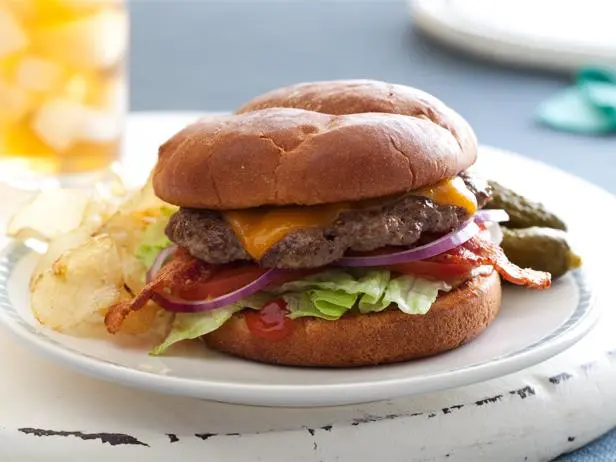
Layer toppings in this order: bottom bun, sauce, patty, cheese, vegetables, top bun. This helps keep the burger stable and prevents slipping.
Practical Tips For Better Burgers
Small changes can make a big difference. Try these tips:
- Let patties rest at room temperature before cooking.
- Use a thermometer to avoid overcooking.
- Toast buns in the pan while burgers rest.
- Try different cheeses or spice blends for variety.
- Clean the pan between batches to prevent burnt bits.
Credit: www.youtube.com
Nutrition And Calories
Hamburgers can be part of a balanced diet if you pay attention to ingredients. Here’s a typical breakdown for a 6-ounce pan fried burger with bun and toppings:
| Component | Calories | Protein (g) | Fat (g) | Carbs (g) |
|---|---|---|---|---|
| Patty (80/20, 6 oz) | 430 | 29 | 32 | 0 |
| Bun (standard) | 140 | 4 | 2 | 26 |
| Cheese (1 slice) | 70 | 4 | 5 | 1 |
| Toppings | 30 | 1 | 0 | 5 |
| Condiments | 20 | 0 | 2 | 3 |
Total: About 690 calories per burger. You can reduce calories by using leaner beef, skipping cheese, or choosing whole wheat buns.
Cleaning Up After Cooking
Pan frying leaves oil and sometimes sticky bits in the pan. Cleaning up properly keeps your kitchen tidy and your pan in good shape.
- Let the pan cool slightly before cleaning.
- Pour off excess oil into a container, not the sink.
- Wipe with paper towels to remove loose bits.
- Wash with warm water and mild soap (for stainless steel or nonstick).
- For cast iron, use hot water and a stiff brush. Dry completely and rub with a little oil.
Never soak cast iron in water; it can rust. Regular care gives you a pan that lasts for years.

Credit: www.homeandplate.com
Variations: Making Burgers With Different Meats
While beef is most common, you can pan fry burgers with other meats.
Turkey Burgers
- Use ground turkey, but add a small amount of oil to keep it moist.
- Cook thoroughly to 165°F (74°C) as turkey can carry bacteria.
Chicken Burgers
- Use ground chicken, which is lean. Mix in a tablespoon of mayonnaise or oil for juiciness.
Veggie Burgers
- Use beans, lentils, or mushrooms. Veggie patties can be fragile; handle gently and use a nonstick pan.
Fish Burgers
- Salmon or tuna burgers are great for a lighter meal. Add breadcrumbs and egg to bind.
Non-obvious insight: Different meats need different cooking times and fat levels. Adding fat to lean meats (like turkey or chicken) improves taste and texture.
Safety Tips For Pan Frying Hamburgers
Food safety is important, especially with ground meat.
- Always wash hands before and after handling raw meat.
- Use separate plates for raw and cooked burgers.
- Cook beef to at least 160°F (71°C) for safety, especially if serving children or elderly.
- Refrigerate leftovers within 2 hours.
If you want to learn more about food safety, visit USDA Food Safety.
Credit: www.foodnetwork.com
Frequently Asked Questions
How Long Does It Take To Pan Fry A Hamburger?
Cooking time depends on thickness and doneness. For a standard ¾ inch patty:
- Medium: 3–4 minutes per side
- Well done: 5–6 minutes per side
Add 1–2 minutes if using thicker patties.
What Oil Is Best For Pan Frying Burgers?
Use oils with a high smoke point, like canola, sunflower, or vegetable oil. Avoid olive oil or butter alone, as they can burn at high heat.
Should I Cover The Pan While Cooking?
Covering the pan is optional. It helps melt cheese and keeps heat in, but can also trap steam and soften the crust. For best results, cover only during the last minute if adding cheese.
How Do I Know When My Burger Is Done?
The safest method is using a meat thermometer. Insert into the center:
- Medium rare: 130–135°F (54–57°C)
- Medium: 135–145°F (57–63°C)
- Well done: 155°F (68°C) and above
If you don’t have a thermometer, cut into the burger and check for clear juices and no pink for well done.
Can I Freeze Pan Fried Burgers?
Yes, you can freeze cooked burgers. Let them cool completely, wrap tightly in plastic or foil, and store in a freezer bag. Reheat in a pan or oven until hot throughout.
Pan frying a hamburger is easy once you know the basics. With the right beef, seasoning, and cooking steps, you can enjoy a juicy, flavorful burger at home any time. Remember to avoid common mistakes, experiment with toppings, and use safe cooking practices.
The next time you crave a burger, skip the grill and reach for your pan – your taste buds will thank you.

Hello, This is Annie Walker, a 38-year-old blogger, founder, and editor of Cookware Guider from NY, USA. I am a cookware fanatic and passionate cooker. I love to cook with different types of cooking appliances (example: all types of cookware, rice cookers, slow cookers, etc) almost every day in my kitchen. I love to share my experience with my readers in my blog. Also, I enjoy helping people to solve their problems through my website. You can follow me on Twitter & Pinterest. To know details about my blog please check the about us page.