
Silicone bakeware is everywhere in modern kitchens. From muffin pans to spatulas, these flexible tools have changed the way we bake. They are lightweight, nonstick, and colorful. But if you’ve ever owned silicone bakeware, you know cleaning it is not as simple as it seems.
Grease sticks, stains build up, and odors linger. Many people are surprised that silicone needs special care to stay truly clean and safe for baking. If you want to keep your silicone bakeware in top shape—free from sticky spots and lingering smells—this guide will help you master the cleaning process.
Why Silicone Bakeware Needs Special Cleaning
Silicone is not like metal or glass. It’s a synthetic rubber that is heat-resistant and flexible. The nonstick surface is a big selling point, but silicone is also porous at a microscopic level. That means oils and odors can seep inside, especially after repeated use.
Common issues include:
- Sticky residue: Even after washing, silicone can feel greasy.
- Stains: Bright colors can fade or develop dark spots.
- Odor: Silicone can trap smells from strong foods.
Most beginners assume normal dish soap is enough. In reality, silicone needs extra steps to stay clean and odor-free. Neglecting this can lead to poor baking results and even health concerns.
Basic Cleaning Steps For Silicone Bakeware
If your bakeware is lightly used, a simple cleaning routine can keep it fresh. Here’s how to clean most silicone bakeware after normal baking:
- Let it cool: Wait until the silicone is cool to touch after baking. Trying to clean hot silicone can warp it.
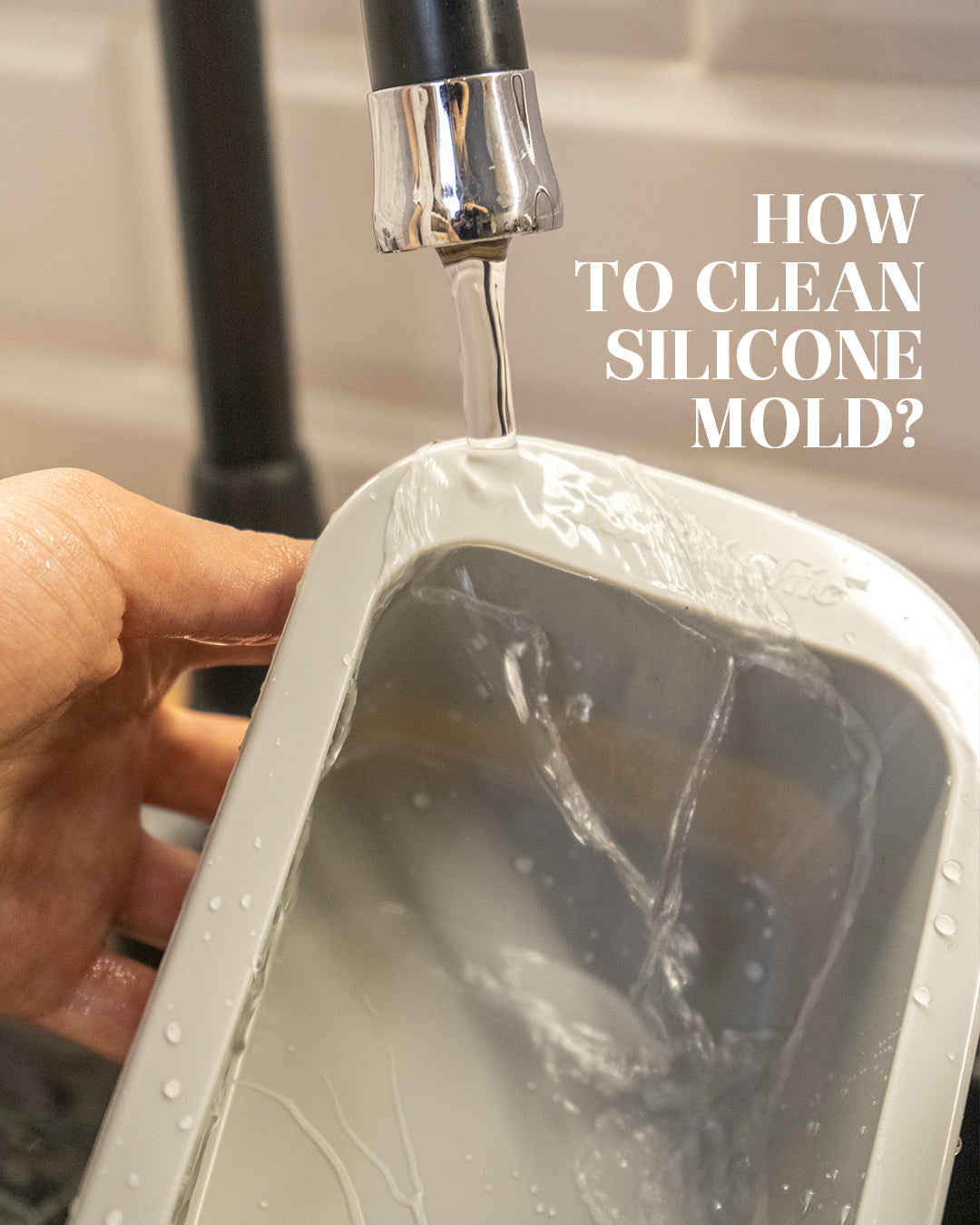
- Rinse off crumbs: Use warm water to rinse away loose crumbs and residue.
- Wash with dish soap: Apply a mild dish soap and use a soft sponge or cloth to scrub all surfaces. Avoid abrasive cleaners.
- Rinse thoroughly: Silicone can hold onto soap, so rinse for at least 30 seconds.
- Dry completely: Air dry or use a lint-free towel. Moisture can encourage mold growth.
This routine is suitable for regular use, but it won’t remove stubborn stains or odors.
Deep Cleaning For Stubborn Residue And Odor
Over time, silicone bakeware can get sticky, stained, or smelly. Deep cleaning is needed to restore it. Here’s a step-by-step guide:
Step 1: Soak In Hot Water
Fill your sink with hot water—as hot as your tap allows. Add a few drops of dish soap. Submerge your silicone bakeware for at least 1 hour. This loosens hardened grease and softens stains.
Step 2: Scrub With Baking Soda
After soaking, sprinkle baking soda onto the sticky areas. Use a damp sponge to gently scrub. Baking soda is mildly abrasive but safe for silicone. It breaks down oil and lifts stains.
Step 3: Rinse And Check
Rinse the bakeware under hot water. Run your fingers over the surface. If it still feels greasy, repeat the baking soda step.
Step 4: Remove Odor With Vinegar
If your bakeware smells, soak it in a mixture of 1 part white vinegar to 4 parts water for 30 minutes. Vinegar neutralizes odors without damaging silicone.
Step 5: Final Wash
Wash the bakeware again with dish soap and warm water. Dry thoroughly.
This deep cleaning process is effective for most silicone bakeware. If stains or odors remain, move to advanced methods.
Advanced Cleaning Methods
Sometimes, regular and deep cleaning don’t work. Here are advanced methods for tough cases:
Using Hydrogen Peroxide
Hydrogen peroxide can remove stubborn stains and sanitize silicone. Pour 3% hydrogen peroxide into a shallow tray and soak the bakeware for 1 hour. Rinse thoroughly. This method is safe but should not be used on bakeware with metal accents.
Dishwasher Cleaning
Most silicone bakeware is dishwasher safe. Place it on the top rack to avoid warping. Use a normal cycle with hot water. Dishwashers clean more deeply than hand washing, but may not remove all grease.
Boiling Method
Boiling silicone in water for 10–15 minutes can dissolve grease and eliminate odors. Add a tablespoon of baking soda to the water for extra cleaning power. Allow bakeware to cool before handling.
Using Lemon Juice
Lemon juice is a natural degreaser and odor remover. Rub half a lemon over sticky or smelly spots. Let it sit for 10 minutes, then rinse.
Each method has pros and cons. Boiling is fast but may fade colors. Hydrogen peroxide is powerful but can damage metal parts. Lemon juice is gentle but less effective for heavy stains.
Credit: cooknchic.com
Common Mistakes When Cleaning Silicone Bakeware
Many people make errors that can damage their silicone tools or leave them unclean. Here are mistakes to avoid:
- Using abrasive scrubbers: Steel wool or rough pads can scratch silicone, ruining its nonstick surface.
- Skipping rinsing: Soap residue can affect food taste and safety.
- Not drying fully: Moisture leads to mold and mildew.
- Using harsh chemicals: Bleach and strong cleaners can degrade silicone.
- Washing when hot: Cleaning hot silicone can cause warping or permanent stains.
Avoid these pitfalls to keep your bakeware in good condition.
How To Remove Grease From Silicone Bakeware
Grease is the hardest thing to remove from silicone. Here’s a proven approach:
- Soak bakeware in hot, soapy water for at least 1 hour.
- Sprinkle baking soda onto greasy spots.
- Scrub gently with a damp sponge.
- Rinse under hot water.
- If grease remains, repeat the process or try boiling.
Baking soda is the key ingredient. It breaks down oils that regular soap misses.
Removing Stains From Silicone Bakeware
Silicone bakeware often gets stained by colored foods, like berries or tomato sauce. To remove stains:
- Soak in hot, soapy water.
- Make a paste with baking soda and water.
- Apply paste to stained areas and let sit for 30 minutes.
- Scrub gently and rinse.
- For tough stains, try hydrogen peroxide soaking.
Some stains are permanent, especially on light-colored silicone. The bakeware is still safe to use, but you can minimize stains by cleaning immediately after use.
How To Eliminate Odors From Silicone Bakeware
Silicone can trap strong smells, like garlic or spices. Here’s how to remove odors:
- Soak bakeware in a vinegar-water solution for 30 minutes.
- Rinse and dry.
- Alternatively, rub with lemon juice and rinse.
Odors usually fade after a few washes, but these methods speed up the process. If smells persist, try boiling with baking soda.

Credit: cooking.stackexchange.com
Can You Use The Dishwasher For Silicone Bakeware?
Most silicone bakeware is dishwasher safe, but there are a few things to keep in mind:
- Place bakeware on the top rack.
- Use a hot water cycle.
- Avoid overcrowding, which can trap grease.
Dishwashers are effective for regular cleaning, but hand washing is needed for deep stains and odors.
Comparison: Cleaning Methods For Silicone Bakeware
Let’s compare the most common cleaning methods for silicone bakeware:
| Method | Effectiveness | Time Required | Best For |
|---|---|---|---|
| Hand Washing | Moderate | 10–15 min | Light use |
| Deep Soak + Baking Soda | High | 1–1.5 hr | Grease, stains |
| Dishwasher | Moderate | 1 hr | Routine cleaning |
| Boiling | Very High | 20–30 min | Odor, tough grease |
| Hydrogen Peroxide | Very High | 1 hr | Deep stains |
Hand washing is enough for daily use, but deep cleaning and boiling methods are best for tough jobs.
How Often Should You Clean Silicone Bakeware?
Frequency depends on how you use your bakeware. Here are some guidelines:
- After every use: Wash with soap and water.
- Weekly: Deep clean if you bake often (especially greasy foods).
- Monthly: Boil or use hydrogen peroxide for heavy use.
Neglecting cleaning leads to buildup that is much harder to remove.
What Not To Use On Silicone Bakeware
To protect your bakeware, avoid:
- Bleach
- Ammonia
- Steel wool
- Sharp knives or tools
These can damage silicone, ruin its nonstick surface, and reduce lifespan.

Credit: www.wikihow.com
Tips For Keeping Silicone Bakeware Clean
Here are expert tips that many beginners miss:
- Pre-wash new bakeware: Manufacturers often coat silicone with a protective layer. Wash before first use.
- Avoid cooking sprays: Aerosol sprays can create sticky buildup. Use a brush to apply oil instead.
- Clean immediately after use: The longer food sits, the harder it is to clean.
- Store dry: Moisture leads to mold. Dry bakeware fully before storing.
- Rotate bakeware: Alternate pans to prevent uneven wear.
Many people skip pre-washing and end up with sticky residue after first use.
Data: Silicone Bakeware Cleaning Survey
A 2022 survey of 1,000 home bakers found:
- 61% report sticky residue after 6 months of use
- 43% experience odors after baking with garlic or spices
- 29% use only dish soap for cleaning
- 18% use baking soda regularly
This shows most people struggle with cleaning silicone and often miss deep cleaning steps.
Comparison: Silicone Vs Metal Bakeware Cleaning
Here’s how silicone and metal bakeware compare for cleaning:
| Feature | Silicone | Metal |
|---|---|---|
| Nonstick | Yes | Sometimes |
| Stain Resistance | Moderate | High |
| Odor Absorption | High | Low |
| Easy Cleaning | Moderate | High |
| Safe for Dishwasher | Yes | Yes |
| Durability | Moderate | High |
Silicone is easier to clean than metal but absorbs odors and stains more easily.
Storing Clean Silicone Bakeware
Proper storage is important after cleaning. Always:
- Dry bakeware fully before storing
- Stack carefully to avoid bending or warping
- Store in a cool, dry place
- Avoid placing heavy items on top
Moisture and pressure can damage silicone and cause mold.
When To Replace Silicone Bakeware
Silicone bakeware lasts for years, but should be replaced if:
- The surface is cracked or torn
- Stains won’t come out after deep cleaning
- Odors persist after boiling
- The bakeware is warped and doesn’t bake evenly
Most silicone products last 2–5 years with proper care. Longevity depends on cleaning habits.
Eco-friendly Cleaning For Silicone Bakeware
If you want a greener kitchen, try these eco-friendly cleaning ideas:
- Use baking soda and vinegar instead of harsh chemicals
- Avoid disposable wipes or paper towels; use reusable cloths
- Boil water for cleaning instead of chemical sprays
- Store bakeware in an airtight container to reduce cleaning needs
Baking soda and vinegar are safe for the environment and effective for silicone.
Silicone Bakeware Safety: What You Should Know
Silicone is FDA-approved and considered food-safe. But improper cleaning can leave behind bacteria, mold, or chemicals. To stay safe:
- Clean bakeware thoroughly after each use
- Avoid harsh chemicals that can break down silicone
- Replace damaged bakeware immediately
For more on silicone safety, see FDA guidelines.
Frequently Asked Questions
How Do I Remove Sticky Residue From Silicone Bakeware?
Sticky residue often comes from oils that soak into silicone. Soak bakeware in hot, soapy water for 1 hour, then scrub with baking soda and rinse. Repeat as needed.
Can I Use Bleach To Clean Silicone Bakeware?
No. Bleach can damage silicone and is not recommended. Use baking soda, vinegar, or hydrogen peroxide for tough stains.
Is Silicone Bakeware Dishwasher Safe?
Most silicone bakeware is safe for the dishwasher. Place it on the top rack and use a hot water cycle. For heavy stains or odors, hand washing is better.
How Can I Prevent Stains On Silicone Bakeware?
Clean bakeware right after use and avoid baking foods with strong colors. Using a baking mat or liner can also help. Deep clean regularly for best results.
What Should I Do If My Silicone Bakeware Smells Bad?
Soak it in a vinegar-water solution for 30 minutes, rinse, and dry. If the smell remains, boil with baking soda for 15 minutes.
Silicone bakeware is a great addition to any kitchen, but it needs special care. With the right cleaning methods, your bakeware will stay fresh, odor-free, and ready for baking. Remember, baking soda and vinegar are your best friends. Clean thoroughly, avoid harsh chemicals, and store properly.
These steps will keep your silicone bakeware performing well for years.

Hello, This is Annie Walker, a 38-year-old blogger, founder, and editor of Cookware Guider from NY, USA. I am a cookware fanatic and passionate cooker. I love to cook with different types of cooking appliances (example: all types of cookware, rice cookers, slow cookers, etc) almost every day in my kitchen. I love to share my experience with my readers in my blog. Also, I enjoy helping people to solve their problems through my website. You can follow me on Twitter & Pinterest. To know details about my blog please check the about us page.