
Removing rust from bakeware is a common challenge in kitchens everywhere. You may notice rust spots on your favorite baking pans, muffin tins, or cookie sheets after just a few months of use. Rust not only looks bad, but it can affect the flavor and safety of your baked goods. The good news: you don’t need to throw away rusty bakeware. With the right steps and materials, you can restore your pans and trays, keeping them safe and functional for years.
This article will help you understand why rust forms, how to remove it safely, and how to prevent it from returning. We’ll cover the best methods for different types of bakeware, compare popular cleaning solutions, and offer practical tips you might not find elsewhere.
Whether you’re a home baker or someone who just wants clean kitchen tools, you’ll find everything you need to tackle rust—without damaging your bakeware or spending unnecessary money.
Why Rust Appears On Bakeware
Rust is more than just a cosmetic issue. It’s a sign that your bakeware’s protective layer is breaking down, allowing moisture and air to react with the metal underneath. Most bakeware is made from steel, iron, aluminum, or a combination. If the surface coating—like nonstick, enamel, or chrome—is scratched or worn, rust can form quickly.
Here’s what usually causes rust:
- Moisture Exposure: Leaving pans wet, either from washing or humidity.
- Scratches or Chips: Damaged coatings expose the metal to air and water.
- Improper Storage: Stacking pans can rub off protective layers.
- Dishwasher Use: Harsh detergents and hot water can wear down coatings.
Understanding these factors helps you avoid rust before it starts. But if you already see rust, don’t worry—you can fix it.
Is It Safe To Use Rusty Bakeware?
Many people ask if it’s okay to bake with rusty pans. The short answer is: no. Small amounts of rust are not likely to cause serious harm, but rust can flake off and mix with food. Ingesting rust isn’t healthy and can lead to stomach irritation. More importantly, rust means your bakeware isn’t protected, so it may not cook evenly or last as long.
If you notice rust, clean it as soon as possible. Restoring your pans will make them safer, more reliable, and easier to use.
Credit: www.webstaurantstore.com
Essential Tools And Materials
Before you start, gather the right tools. Using the proper materials makes rust removal easier and safer. Here’s what you need:
- Steel wool or a scrubbing pad (non-abrasive for delicate surfaces)
- Baking soda
- White vinegar
- Lemon juice
- Dish soap
- Gloves
- Soft cloths or towels
- Plastic scraper (for nonstick pans)
- Aluminum foil (for tough spots)
- Commercial rust remover (for severe cases)
Not every tool is suitable for every bakeware type. For example, avoid steel wool on nonstick surfaces, as it can scratch and worsen rust. Choose the gentlest method for your pan’s material.
Step-by-step Rust Removal Methods
Different bakeware materials need different cleaning approaches. Let’s break down the best methods for each type.
Removing Rust From Stainless Steel Bakeware
Stainless steel is popular because it resists rust, but if scratched or exposed to water, rust can appear. Here’s a safe method:
- Mix baking soda and water into a paste.
- Apply the paste to rusty spots.
- Gently scrub with a soft cloth or non-abrasive pad.
- Rinse with warm water and dry thoroughly.
For stubborn rust, use a mix of white vinegar and water. Soak the pan for 30 minutes, then scrub and rinse.
Cleaning Rust From Aluminum Bakeware
Aluminum is lightweight and heats evenly, but it can corrode and rust if exposed to acidic foods or moisture.
- Sprinkle baking soda on the rust.
- Add a few drops of lemon juice.
- Let it fizz for 10–15 minutes.
- Scrub gently with a plastic scraper or soft cloth.
- Rinse and dry.
Avoid steel wool or harsh chemicals, as aluminum scratches easily.
Restoring Nonstick Bakeware
Nonstick pans are sensitive. Rust often forms when the coating is damaged.
- Use a plastic scraper to remove loose rust.
- Wash with dish soap and warm water.
- Mix baking soda with water for a mild paste.
- Gently rub the rust spots.
- Rinse thoroughly and dry.
If rust is deep or covers most of the surface, it’s safer to replace the pan. Damaged nonstick coatings can release unsafe chemicals.
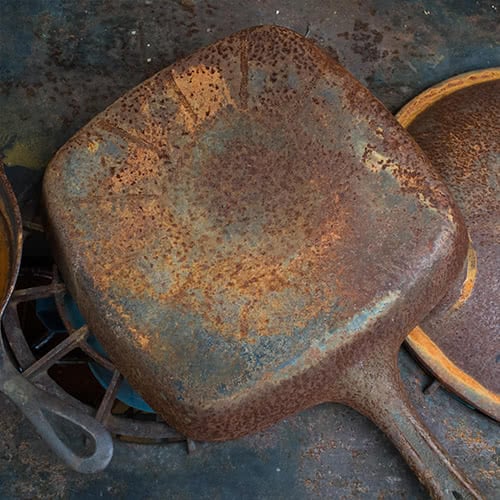
Dealing With Cast Iron Bakeware
Cast iron can last a lifetime if cared for, but rust is common. Here’s how to clean it:
- Scrub the rusty area with steel wool (for heavy rust) or a scrubbing pad.
- Rinse with warm water.
- Dry immediately with a towel.
- Apply a thin layer of vegetable oil.
- Bake upside-down in an oven at 350°F for one hour to re-season.
Never soak cast iron in water, and always dry it quickly to avoid new rust.

Credit: www.amazon.com
Comparing Rust Removal Methods
Some methods work better for certain types of bakeware. Here’s a comparison of popular approaches:
| Method | Best For | Effectiveness | Risks |
|---|---|---|---|
| Baking Soda Paste | Stainless Steel, Aluminum | Moderate | Mild abrasion |
| White Vinegar Soak | Stainless Steel | High | Possible discoloration |
| Steel Wool Scrub | Cast Iron | Very High | Surface scratches |
| Plastic Scraper | Nonstick | Low | Limited to light rust |
| Commercial Rust Remover | Heavy Rust | High | Chemical residue |
Choose the method that fits your pan’s material and the severity of the rust.
Homemade Vs Commercial Rust Removers
You might wonder if store-bought products are better than home remedies. Here’s a quick comparison:
| Type | Ingredients | Cost | Safety | Use Case |
|---|---|---|---|---|
| Homemade | Baking soda, vinegar, lemon juice | Low | Safe, non-toxic | Light to moderate rust |
| Commercial | Chemicals (oxalic acid, phosphoric acid) | Medium to high | Requires caution | Heavy rust |
Homemade methods are safe and cheap, but they might not work on deep or widespread rust. Commercial products are stronger, but be careful: always follow instructions, rinse thoroughly, and check if the product is food-safe.

Credit: www.amazon.com
Practical Tips For Safe Rust Removal
Here are practical tips, including insights many beginners miss:
- Always dry bakeware immediately after cleaning. Water left on pans is the main cause of new rust.
- Test cleaning methods on a small area first. Some pans react differently to acids and abrasives.
- Don’t use bleach or harsh chemicals; they can damage coatings and leave toxic residues.
- If you use steel wool, apply light pressure. Hard scrubbing can remove protective layers.
- For pans with deep rust, consider repeating the process or switching methods.
- Seasoning cast iron is not just for flavor—it creates a protective layer against rust.
- After cleaning, apply a thin coat of oil to metal pans before storage.
- Store bakeware in a dry, ventilated area. Humid cabinets increase rust risk.
Preventing Rust On Bakeware
Prevention is easier than removal. Here’s how to keep your bakeware rust-free:
- Wash pans quickly after use; don’t let food sit overnight.
- Dry immediately with a towel, not air-dry.
- Avoid the dishwasher for metal bakeware.
- Store pans with paper towels between them to prevent scratches.
- Don’t stack heavy pans on delicate ones.
- For cast iron, apply oil after each use.
- Use liners or parchment paper to protect surfaces during baking.
Many beginners overlook the importance of drying and proper storage. Even a few drops of water can start rust, especially in humid climates.
When To Replace Bakeware
Sometimes, cleaning isn’t enough. If your pan has:
- Deep rust that won’t come off after several attempts
- Large areas where the coating is missing
- Visible holes or metal flaking
It’s safer to replace it. Using damaged bakeware can affect your food and even pose health risks.
Real-life Example: Restoring A Rusty Muffin Tin
Let’s look at a practical example. A home baker found rust spots on her favorite muffin tin after washing it and leaving it to air dry. Here’s how she fixed it:
- Mixed baking soda and water to make a paste.
- Applied the paste to each rusty spot.
- Let it sit for 20 minutes.
- Used a soft cloth to gently scrub the rust away.
- Rinsed with warm water and dried with a towel.
- Applied a thin layer of vegetable oil and wiped off excess.
- Stored the tin in a dry cupboard with a paper towel underneath.
Two weeks later, the tin was still rust-free. This simple routine worked well and didn’t damage the nonstick coating.
Data: How Common Is Rust On Bakeware?
Rust is a common problem. According to a survey of 1,000 home bakers in the US:
- 67% reported seeing rust on bakeware at least once
- 45% said they had to throw away a pan due to rust
- Only 18% regularly dry pans immediately after washing
This shows that most people face rust issues, but simple habits—like drying pans—can reduce the problem.
Comparing Bakeware Materials And Rust Resistance
Some materials are more prone to rust than others. Here’s a comparison:
| Material | Rust Resistance | Maintenance Needed | Typical Lifespan |
|---|---|---|---|
| Stainless Steel | High | Low | 10–15 years |
| Aluminum | Moderate | Medium | 5–10 years |
| Cast Iron | Low (if unseasoned) | High | Lifetime |
| Nonstick | Low | Medium | 3–5 years |
Stainless steel is best for resisting rust, but proper care is needed for all types.
Common Mistakes To Avoid
Many beginners make mistakes that lead to more rust or damage:
- Soaking pans for long periods: This increases rust risk, especially for cast iron.
- Using abrasive pads on nonstick surfaces: This ruins the coating and leads to more rust.
- Storing pans wet or in humid places: Dry storage is critical.
- Ignoring small rust spots: They can grow quickly if not treated.
- Using dishwashers for metal bakeware: The heat and detergent can harm coatings.
By avoiding these mistakes, you’ll extend the life of your bakeware and keep your kitchen safer.
Advanced Tips For Stubborn Rust
Some rust is tough to remove. Here are advanced strategies:
- Try aluminum foil: Crumple it and use it as a scrubber for steel pans.
- Use phosphoric acid-based cleaners for severe rust (follow safety instructions).
- For cast iron, consider electrolysis cleaning (advanced, but very effective).
- If you see repeated rust, check your water quality. Hard water can cause more corrosion.
Beginners often miss the value of checking water quality and the option of using aluminum foil as a gentle scrubber.
Eco-friendly Rust Removal
If you prefer green solutions, stick to baking soda, vinegar, and lemon juice. These are non-toxic and safe for most bakeware. Avoid products with harsh chemicals, especially if you have kids or pets.
For more information about eco-friendly cleaning, visit EPA Safer Choice.
Frequently Asked Questions
How Can I Remove Rust From Bakeware Without Damaging It?
Use gentle methods like baking soda paste or white vinegar soak. Always start with the mildest approach and test on a small area. Avoid steel wool for nonstick pans and harsh chemicals for aluminum.
Is It Safe To Use A Pan With A Little Rust?
It’s best not to use rusty bakeware. Even small rust spots can flake off and get into food. Clean rust before using the pan, or replace it if the rust is deep.
Can I Prevent Rust After Cleaning My Pans?
Yes. Dry pans immediately after washing, apply a thin layer of oil to metal pans, and store them in a dry place. These steps will help keep rust away.
Will Commercial Rust Removers Harm My Bakeware?
Some commercial rust removers can damage coatings or leave chemical residue. Always choose products labeled as food-safe, follow instructions, and rinse thoroughly after use.
Why Does My Bakeware Rust Even Though I Clean It Regularly?
Rust often forms due to moisture left on pans, scratches in the protective layer, or humid storage conditions. Drying pans completely and storing them properly will help prevent rust, even if you clean them often.
Removing rust from bakeware isn’t difficult if you understand your materials and use the right methods. Regular care and safe cleaning habits will keep your pans looking good and working well, saving you money and preventing waste. Now you’re ready to tackle rust and enjoy baking with clean, safe tools every time.

Hello, This is Annie Walker, a 38-year-old blogger, founder, and editor of Cookware Guider from NY, USA. I am a cookware fanatic and passionate cooker. I love to cook with different types of cooking appliances (example: all types of cookware, rice cookers, slow cookers, etc) almost every day in my kitchen. I love to share my experience with my readers in my blog. Also, I enjoy helping people to solve their problems through my website. You can follow me on Twitter & Pinterest. To know details about my blog please check the about us page.