
Pan frying hamburgers is a classic cooking method that’s easy, fast, and delivers delicious results. If you don’t have a grill or just want to cook indoors, using a pan can give you juicy burgers with a tasty sear. For many home cooks, this skill is the foundation for countless meals—whether you’re preparing a quick dinner or impressing guests.
But making a great pan-fried hamburger is more than just tossing a patty in a skillet. There are specific steps, choices, and tips that can make the difference between an average burger and a mouthwatering one. This guide will walk you through everything you need to know, from picking the right meat to achieving the perfect crust.
Choosing The Right Ingredients
The first step to a good hamburger starts with quality ingredients. The meat, buns, and toppings you choose will affect the taste and texture of your burger.
Selecting Ground Beef
Most burgers use ground beef. The fat content matters:
- 80/20 beef (80% lean, 20% fat) is best for pan frying. It gives flavor and keeps the burger moist.
- Leaner beef (90/10 or higher) can taste dry and tough.
- Some cooks mix beef with pork or lamb for extra flavor, but classic hamburgers are usually just beef.
| Beef Type | Fat Content | Juiciness | Best Use |
|---|---|---|---|
| 80/20 Ground Beef | 20% | High | Pan Frying |
| 90/10 Ground Beef | 10% | Low | Lean Diets |
| Ground Sirloin | 15% | Medium | Grilling |
Buns And Toppings
- Choose soft buns that can hold the burger but don’t overpower it.
- Toppings can include lettuce, tomato, cheese, onions, pickles, and sauces. Don’t overload—the burger should be the star.
Seasoning
You only need a little seasoning:
- Salt and pepper are classic.
- For extra flavor, add garlic powder or onion powder.
- Some people add Worcestershire sauce or soy sauce, but keep it simple for the best beef flavor.
Preparing The Burger Patties
How you shape and handle the patties affects how they cook.
Forming Patties
- Take about 4–6 oz (113–170g) of ground beef for each patty.
- Gently shape into a round, flat disc about ¾ inch thick.
- Make a slight indentation in the center with your thumb. This helps the patty cook evenly and prevents bulging.
Handling Tips
- Don’t overwork the meat; it makes burgers tough.
- Keep patties cold until cooking. This helps them stay together and keeps the fat from melting too soon.
Selecting The Right Pan
You need a pan that can handle high heat and give the burger a good crust.
Types Of Pans
- Cast iron skillet is ideal. It heats evenly and retains heat well.
- Stainless steel pans also work, but are less forgiving.
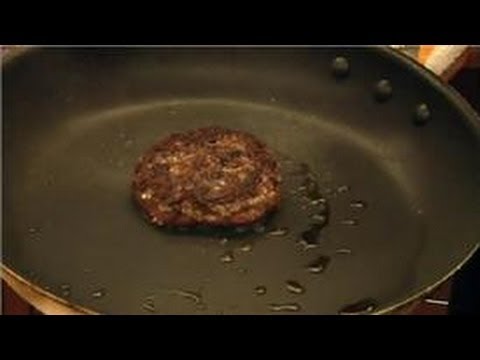
- Nonstick pans can be used, but they don’t give the same sear.
Pan Size
- Use a pan large enough for all patties without crowding. Overcrowding leads to steaming, not frying.
| Pan Type | Heat Retention | Sear Quality | Ease of Cleaning |
|---|---|---|---|
| Cast Iron | Excellent | Best | Medium |
| Stainless Steel | Good | Good | Low |
| Nonstick | Average | Fair | High |
Cooking The Patties
Now comes the most important step: frying the burgers.
Step-by-step Pan Frying
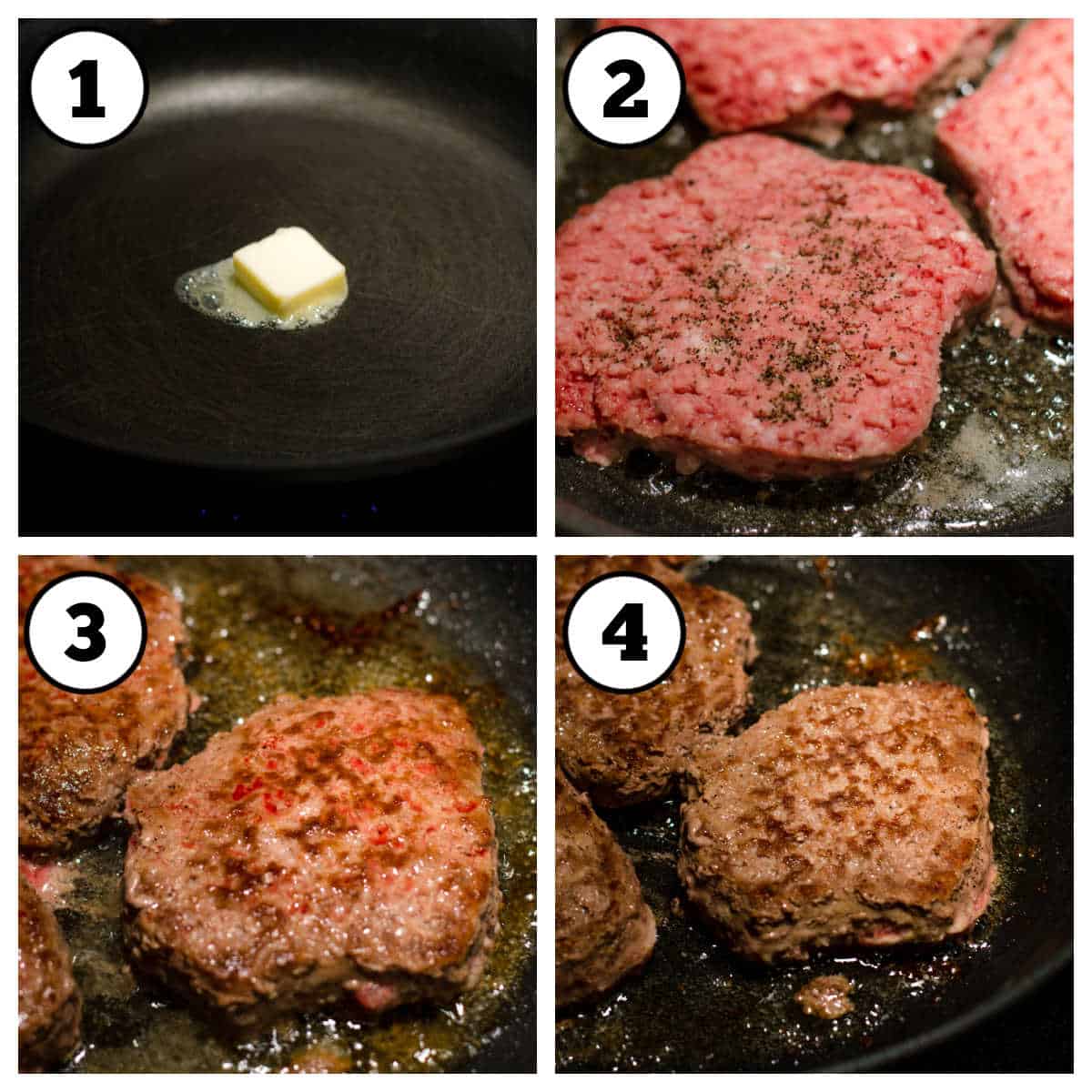
- Preheat the pan: Place your pan over medium-high heat for 2–3 minutes. It should be hot but not smoking.
- Add oil: Use a small amount of oil (vegetable or canola). About 1–2 tablespoons is enough.
- Place patties: Add patties to the pan. Don’t move them for the first 3–4 minutes.
- Season: Sprinkle salt and pepper on top if you haven’t already.
- Flip: When the edges look brown and juices rise to the surface, flip the patties. This is about 3–4 minutes per side for medium doneness.
- Cook second side: Cook another 3–4 minutes. If you want cheese, add it in the last minute and cover the pan.
- Check doneness: For food safety, burgers should reach 160°F (71°C) inside. Use a meat thermometer if possible.
- Rest: Remove burgers and let them rest for 2–3 minutes before serving.
Cooking Times
- Rare: 2–3 minutes per side (internal temp: 120–125°F)
- Medium: 3–4 minutes per side (internal temp: 135–145°F)
- Well-done: 5–6 minutes per side (internal temp: 160°F+)
Practical Tips
- If burgers stick, wait longer before flipping; they release when properly seared.
- Don’t press burgers with a spatula. This squeezes out juices and dries them.
- For a crusty edge, cook without a lid. For a softer burger, cover the pan after flipping.
Avoiding Common Mistakes
Even experienced cooks make mistakes. Here are errors to avoid:
- Overcrowding the pan: Leads to steaming and weak crust.
- Overmixing beef: Makes burgers dense.
- Pressing down with a spatula: Loses juice and flavor.
- Cooking on low heat: Burgers become greasy and pale.
- Skipping resting: Juices escape if you cut too soon.
Making Your Burger Stand Out
Small adjustments can turn a good burger into a great one.
Adding Cheese
- For melting, use sliced cheese (American, cheddar, Swiss) and cover the pan for the last minute.
- Try blue cheese or pepper jack for unique flavors.
Toasting Buns
- Toasting the bun in the pan after burgers finish adds crunch and flavor.
- Use a little butter for extra richness.
Special Sauces
- Mix mayonnaise with sriracha or Dijon mustard for a quick, tasty sauce.
- Homemade burger sauce: Combine mayo, ketchup, relish, and a pinch of garlic powder.
Creative Toppings
- Add sautéed mushrooms, caramelized onions, or avocado for variety.
- Try jalapeños or crispy bacon for more texture and taste.
Credit: fantabulosity.com
Comparing Pan Frying With Other Methods
You might wonder how pan frying stacks up against grilling or oven baking.
| Cooking Method | Flavor | Texture | Ease | Indoor Use |
|---|---|---|---|---|
| Pan Frying | Rich, beefy | Juicy, crusty | Easy | Yes |
| Grilling | Smoky, charred | Firm, less juicy | Medium | No |
| Oven Baking | Mild, less sear | Soft, less crust | Easy | Yes |
Pan frying is ideal for quick, juicy burgers indoors. Grilling gives smoky flavor but needs outdoor space. Oven baking is simple but less flavorful.
Cleaning Up After Cooking
Pan frying can leave oil and bits in your kitchen. Here’s how to clean up easily:
- Let the pan cool before washing.
- Use warm water and dish soap. For cast iron, avoid soap and scrub with salt.
- Wipe counters and stove with paper towels right after cooking to prevent stains.
Nutrition And Health Facts
A pan-fried burger’s nutrition depends on ingredients and portion size. For a standard 4 oz (113g) patty:
- Calories: 290–320 (beef only)
- Protein: 19–22g
- Fat: 20–22g
- Carbs: 0g (add carbs with buns and toppings)
Adding cheese, sauces, or bacon increases calories and fat. For healthier burgers:
- Use leaner beef (but not too lean).
- Choose whole wheat buns.
- Add vegetables as toppings.
According to the USDA, beef burgers should be cooked to 160°F (71°C) to kill bacteria. Undercooked burgers can cause illness.
Non-obvious Insights For Beginners
- Resting burgers is key: Waiting 2–3 minutes after cooking helps juices settle, making burgers juicier.
- Indent the patty’s center: Making a small dimple prevents the burger from puffing up during cooking—this keeps it flat and evenly cooked.
- Oil choice matters: Neutral oils like canola or vegetable oil work best. Olive oil can burn at high heat, so avoid it for pan frying.
- Temperature control: If your pan is too hot, burgers burn on the outside and stay raw inside. Too low, and they turn greasy and pale.

Credit: www.themountainkitchen.com
Final Thoughts
Pan frying hamburgers is a simple skill that delivers big flavor, even if you don’t have a grill. With the right beef, a proper pan, and careful handling, you can make burgers that rival restaurant quality. Remember to avoid common mistakes, experiment with toppings and sauces, and always let your burgers rest before serving. Whether you’re making a quick weeknight meal or a weekend treat, mastering the pan-fried hamburger will open up many possibilities in your kitchen. For more burger science and cooking tips, you can explore reliable resources like Serious Eats.
Frequently Asked Questions
What Is The Best Pan For Frying Hamburgers?
A cast iron skillet is best because it heats evenly and gives a great sear. Stainless steel pans work, but cast iron is more forgiving and durable.
How Do I Know When A Burger Is Done?
Use a meat thermometer. The safe internal temperature is 160°F (71°C). If you don’t have a thermometer, cut into the burger—there should be no pink for well-done.
Can I Cook Frozen Hamburger Patties In A Pan?
Yes, but add 1–2 extra minutes per side. Keep the heat a bit lower so the outside doesn’t burn before the inside cooks through.
Should I Cover The Pan While Cooking?
Covering the pan helps melt cheese and keeps burgers moist. Leave uncovered for a crispier crust.
How Do I Keep Burgers From Falling Apart?
Handle the meat gently and keep patties cold until cooking. Avoid flipping too early. Making a small indentation in the center helps patties hold their shape.
Credit: www.youtube.com

Hello, This is Annie Walker, a 38-year-old blogger, founder, and editor of Cookware Guider from NY, USA. I am a cookware fanatic and passionate cooker. I love to cook with different types of cooking appliances (example: all types of cookware, rice cookers, slow cookers, etc) almost every day in my kitchen. I love to share my experience with my readers in my blog. Also, I enjoy helping people to solve their problems through my website. You can follow me on Twitter & Pinterest. To know details about my blog please check the about us page.