
A sparkling glass cooktop can make any kitchen look modern and stylish. But if you are thinking about buying one, you probably have a big question: How much is a glass cooktop? The answer is not simple. Prices can change a lot, depending on the brand, size, features, and even where you live. In this article, you’ll learn exactly what affects the cost, what you can expect at different price points, and how to find the best value for your budget.
What Is A Glass Cooktop?
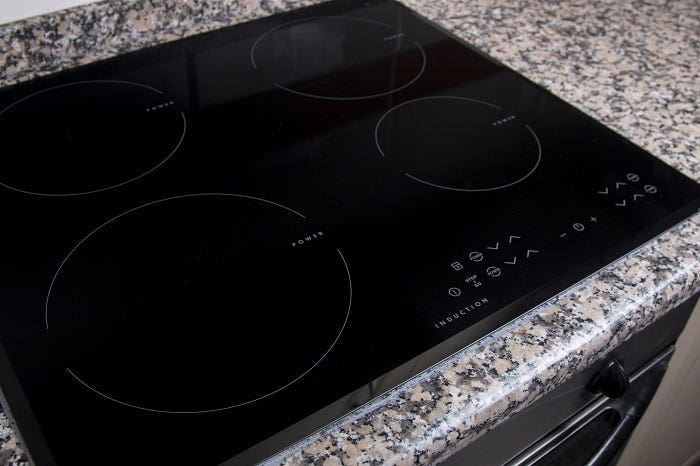
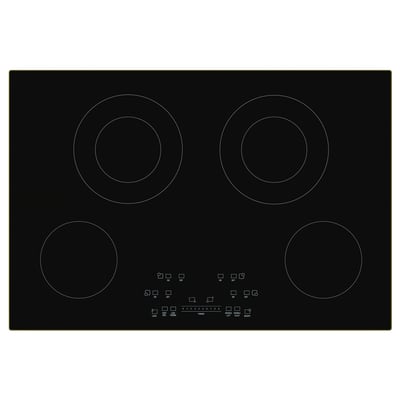
Before talking about the price, it’s important to know what a glass cooktop really is. A glass cooktop is a kitchen stove with a smooth, flat cooking surface made of toughened glass-ceramic. This surface is easy to clean and looks sleek. There are three main types:
- Electric radiant cooktops: Use electric coils under the glass to heat up.
- Induction cooktops: Use electromagnetic energy for faster, more efficient heating.
- Gas on glass cooktops: Gas burners sit above a glass surface.
Each type has its own price range and features.
Typical Price Range For Glass Cooktops
If you walk into a store, you’ll see glass cooktops starting around $300 and going up to over $3,000. Most people buy models in the $500 to $1,500 range. Why such a big range? The difference comes from brand, technology, number of burners, and smart features.
Here’s a breakdown of the average costs:
| Type | Low-End | Mid-Range | High-End |
|---|---|---|---|
| Electric Radiant | $300 – $600 | $600 – $1,200 | $1,200 – $2,000+ |
| Induction | $500 – $900 | $900 – $1,800 | $1,800 – $3,000+ |
| Gas on Glass | $400 – $700 | $700 – $1,300 | $1,300 – $2,500+ |
As you can see, induction cooktops tend to cost more than electric or gas models. But why? Let’s look at the reasons.
Key Factors That Affect Price
A glass cooktop’s price doesn’t just depend on its size. Several key factors affect how much you’ll pay:
1. Type Of Cooktop
- Electric radiant models are usually the cheapest. They use older technology and are widely available.
- Induction models use advanced technology, so they are more expensive.
- Gas on glass models are less common and usually cost more than standard electric but less than induction.
2. Number Of Burners
- Two-burner (domino) models: $250–$800
- Four-burner models: $400–$1,500
- Five or six burners: $900–$3,000+
The more burners, the higher the price. Large families or people who love to cook often buy four or five-burner cooktops.
3. Brand Reputation
Some brands are known for quality and reliability, like GE, Bosch, Samsung, and KitchenAid. Premium brands like Miele or Wolf charge more, but you get advanced features and a longer warranty.
4. Features And Technology
- Touch controls instead of knobs
- Smart features (Wi-Fi, app control)
- Safety features (child lock, auto shut-off)
- Bridge elements for larger pots
- Power boost for fast boiling
Every added feature increases the price.
5. Size
Standard cooktop sizes are 24-inch, 30-inch, and 36-inch. Larger sizes cost more due to more burners and bigger glass panels.
6. Installation Costs
The price tag you see does not include installation. Professional installation can add $100–$500 more, especially if you need new wiring or gas lines.
7. Location
Prices vary by country and region. In cities, prices can be higher due to shipping and local taxes. Online deals may be cheaper but can add shipping fees.
Detailed Breakdown Of Price By Type
Let’s dig deeper into what you get for your money in each category.
Electric Radiant Glass Cooktops
These are the most common type and the easiest on the wallet. They use metal coils under the glass. They’re reliable and easy to find.
- Entry-level: $300–$600
Basic models, usually with four burners, simple knob controls, and limited features.
- Mid-range: $600–$1,200
Touch controls, better glass quality, some safety features.
- High-end: $1,200–$2,000+
Extra burners, bridge elements, smart controls, premium finish.
Induction Glass Cooktops
Induction cooktops use magnets to heat pots directly. They are fast, energy-efficient, and very safe, but cost more.
- Entry-level: $500–$900
Two to four burners, basic controls, sometimes smaller size.
- Mid-range: $900–$1,800
Four to five burners, advanced touch controls, safety features, bridge zones.
- High-end: $1,800–$3,000+
Largest sizes, smart home integration, multiple power boost zones.
Gas On Glass Cooktops
Gas on glass cooktops combine the power of gas with easy-to-clean glass. They are less common, so prices are higher.
- Entry-level: $400–$700
Two to four burners, basic design.
- Mid-range: $700–$1,300
More burners, better controls, cast iron grates.
- High-end: $1,300–$2,500+
Premium build, high BTU burners, special simmer settings.
What Are You Really Paying For?
Many people think a higher price means better cooking. But that’s not always true. Here are some insights that buyers miss:
- Induction saves money over time: Even though induction models cost more at first, they use less energy. Over 5 years, an induction cooktop can save you 10–20% on electricity compared to electric radiant.
- Repair costs are higher for induction: If the glass cracks or the electronics fail, induction cooktops often cost more to repair or replace than electric models.
- Not all cookware works on induction: Induction needs magnetic pots and pans. If you switch, you may need to buy new cookware, adding to the total cost.
Comparing Popular Brands
Brands affect both the initial price and the long-term value. Here’s a quick look at how some top brands compare for a standard 30-inch, four-burner glass cooktop:
| Brand | Electric Radiant | Induction | Warranty |
|---|---|---|---|
| GE | $550 – $1,100 | $1,100 – $1,800 | 1 year |
| Bosch | $700 – $1,500 | $1,400 – $2,200 | 1 year |
| Samsung | $600 – $1,200 | $1,300 – $2,000 | 1 year |
| KitchenAid | $800 – $1,700 | $1,600 – $2,400 | 1 year |
| Miele | N/A | $2,000 – $3,000+ | 2 years |
Notice how premium brands can be double the price of popular brands for similar features.

Credit: www.youtube.com
Comparing Glass Cooktops To Other Types
Some buyers wonder if a glass cooktop is a better deal than a coil or a steel gas stove. Here’s a quick comparison:
| Type | Average Price | Pros | Cons |
|---|---|---|---|
| Glass Electric | $400 – $1,500 | Sleek, easy to clean | Slower to heat/cool |
| Induction Glass | $900 – $3,000 | Fast, energy efficient | Expensive, needs special pans |
| Gas on Glass | $700 – $2,500 | Control, easy clean | Harder to find, higher cost |
| Coil Electric | $250 – $600 | Cheap, easy to repair | Old style, harder to clean |
| Steel Gas Stove | $350 – $1,200 | Good control, cheap | Hard to clean, less stylish |
If easy cleaning and modern style are important, glass cooktops are worth the extra cost. If price is your main goal, coil or steel models are cheaper.
Installation Costs And Considerations
Buying the cooktop is just part of the total cost. Installation can add significantly to your budget.
Professional Installation
Most people hire a pro to install a glass cooktop. It usually costs between $100–$500, depending on these factors:
- Electric cooktops: Usually cheaper to install, especially if replacing an old electric cooktop.
- Induction: May need special wiring (240V), which can add $100–$300.
- Gas on glass: Needs a licensed gas fitter, which is more expensive.
Diy Installation
Some handy homeowners try to do it themselves. This can save money, but mistakes are risky. Breaking the glass or wiring it wrong can void the warranty. Most experts recommend hiring a pro.
Additional Costs
Don’t forget to budget for:
- Cutting the countertop for a new size or shape
- Upgrading the electrical panel if your house is older
- Buying new cookware (for induction)
How To Save Money On A Glass Cooktop
A glass cooktop is a big investment, but you can save money if you shop smart:
- Buy last year’s model. New features come out every year, but old models cook just as well.
- Skip smart features if you don’t need them. Simple models cost less and have fewer things to break.
- Look for package deals. Retailers often discount cooktops when you buy other appliances.
- Buy during holiday sales. Prices often drop during Black Friday or Memorial Day.
- Consider open-box or scratch-and-dent. These are new but have small cosmetic flaws. They work perfectly, but cost less.
- Check for rebates. Some utility companies offer rebates for energy-saving induction cooktops.
Common Buyer Mistakes
Many buyers focus only on the price tag. Here are some mistakes to avoid:
- Not checking size: Make sure the cooktop fits your counter. Re-cutting granite can cost hundreds more.
- Ignoring power requirements: Induction cooktops need more power. Check your home’s wiring before buying.
- Overpaying for features: Fancy controls sound nice but are not always practical.
- Not considering cookware costs: If you buy induction, check if your pots and pans work with magnets.
- Skipping the warranty: A cheap cooktop with a short warranty may cost more in repairs later.
Real-life Examples
Let’s look at two real kitchen upgrades:
Example 1: Jane buys a 30-inch GE electric radiant cooktop for $650. Installation costs $200. She keeps her old pots and pans. Her total cost is $850.
Example 2: Mike chooses a Bosch 30-inch induction cooktop for $1,600. Installation is $350 because he needs a new 240V line. He spends $200 on new pans. His total is $2,150.
Both Jane and Mike get stylish, easy-to-clean cooktops, but Mike pays more up front and saves on energy bills later.
Is A Glass Cooktop Worth The Money?
A glass cooktop costs more than basic models, but many people think it’s worth it. Why? Here are some reasons:
- Easier cleaning: No burners to remove, just wipe the glass.
- Modern look: Makes any kitchen feel new.
- Safer for kids: Induction stays cool unless a pan is on it.
- Better control: Especially with induction or gas on glass.
But if you are on a tight budget, a traditional coil or steel gas stove still does the job.
Credit: weiman.com
Where To Buy Glass Cooktops
You can buy glass cooktops at:
- Appliance stores: Try before you buy.
- Home improvement stores: Home Depot, Lowe’s, etc.
- Online retailers: Amazon, Best Buy, manufacturer websites.
When buying online, read reviews and make sure the warranty is valid. For further research, check guides on Consumer Reports.
Practical Tips For Choosing The Right Glass Cooktop
- Measure your counter before buying.
- Choose electric if you want lower cost and simple cooking.
- Pick induction for best energy savings and safety.
- Go for gas on glass if you love cooking with flame but want easy cleaning.
- Think about how many burners you really use. Bigger is not always better.
- Match cooktop color to your kitchen. Black is most common, but white and gray are available.
Frequently Asked Questions
How Long Do Glass Cooktops Last?
Most glass cooktops last 10–15 years with normal use. Induction models can last longer if cared for properly. Clean spills quickly and avoid dropping heavy objects to extend life.
Can I Use Any Pots And Pans On A Glass Cooktop?
You can use most pots on electric radiant and gas on glass cooktops. For induction, your pans must be magnetic (cast iron or some stainless steel). To check, see if a magnet sticks to the bottom.
What If My Glass Cooktop Cracks?
If the glass cracks, stop using it immediately. Cracks can be dangerous. Small chips may be safe, but large cracks usually mean you need to replace the glass or the whole cooktop. Repairs can cost $200–$600 or more.
Are Glass Cooktops Hard To Clean?
Glass cooktops are easy to clean if you wipe spills quickly. Use a special glass cooktop cleaner for tough stains. Avoid abrasive pads, which can scratch the surface.
Do Glass Cooktops Use More Electricity?
Induction cooktops use less electricity than electric radiant models because they heat only the pan, not the air. Electric radiant cooktops use slightly more power than a coil model but are more efficient than older stoves.
Final Thoughts
A glass cooktop can be a smart upgrade if you want style, easy cleaning, and modern features. Prices range from $300 to over $3,000 depending on type, size, and brand. Before you buy, think about how you cook, your kitchen’s setup, and your long-term plans.
Don’t just buy the cheapest or the most expensive—buy the one that fits your needs and budget. With smart shopping, you can enjoy the beauty and convenience of a glass cooktop for years to come.
Credit: www.ikea.com

Hello, This is Annie Walker, a 38-year-old blogger, founder, and editor of Cookware Guider from NY, USA. I am a cookware fanatic and passionate cooker. I love to cook with different types of cooking appliances (example: all types of cookware, rice cookers, slow cookers, etc) almost every day in my kitchen. I love to share my experience with my readers in my blog. Also, I enjoy helping people to solve their problems through my website. You can follow me on Twitter & Pinterest. To know details about my blog please check the about us page.